


Classical Cherub Artwork
Classical cherub artwork brings playful mythological figures into your rooms through oil paintings, engravings, and bronze figures.
Classical Cherub Artwork
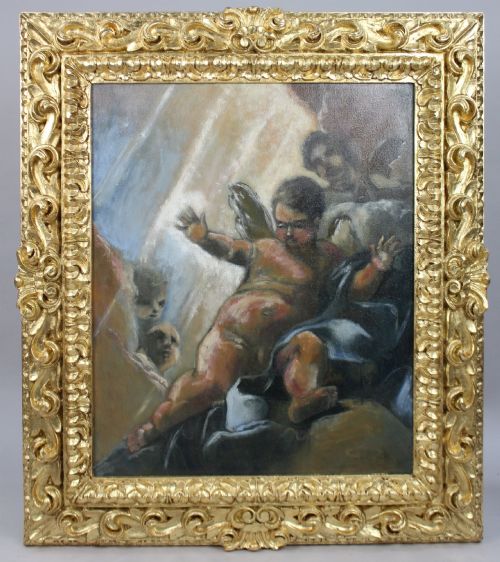
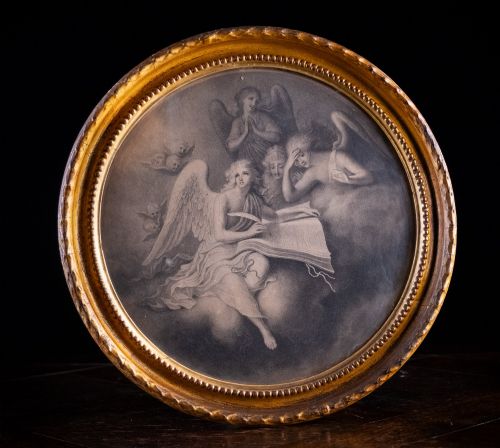
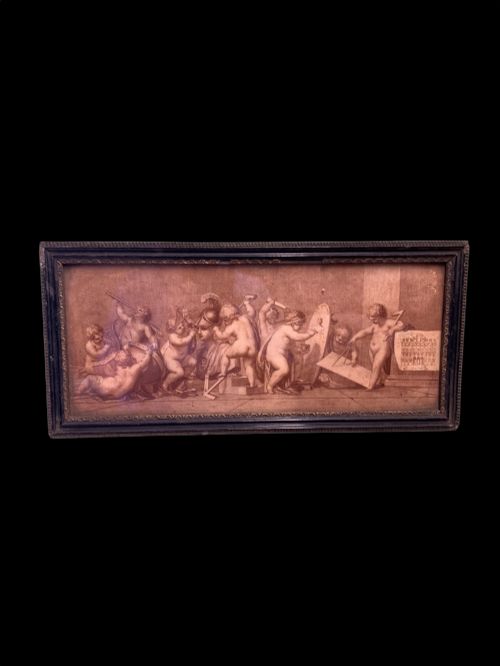
Classical cherub artwork encompasses oil paintings, engravings, and sculptures depicting putti, cupids, and winged infants derived from mythological and religious traditions. When you search for classical cherub artwork, you encounter pieces rendered in mediums ranging from canvas to carved giltwood and bronze.
The selections span multiple periods, featuring 18th-century compositions alongside 19th-century interpretations and mid-century works. Forms include framed wall art, pairs of decorative panels, and freestanding statuary.
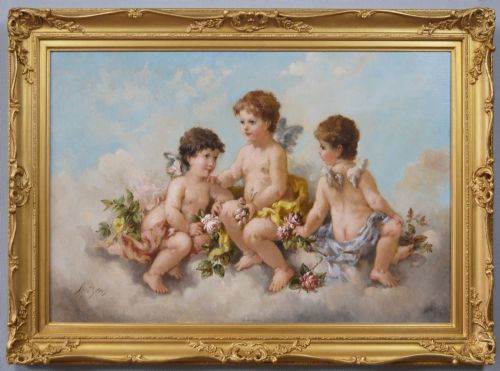
French and Italian stylistic influences dominate these depictions, moving through baroque postures, neoclassical restraint, and French Rococo flourishes. These portrayals frequently show cherubs holding flowers, sitting with children, or interacting with artists and deities.
Materials and Technique
Painters utilised oil paint on canvas and paper supports, occasionally employing camaieu bleu grisaille techniques for monochrome tonal depth. Canvases are frequently housed within carved giltwood frames that complement the classical subjects.
Sculptors cast figures in bronze, capturing fine anatomical details and drapery. Wood serves both as a structural support for frames and as a base for sculptural presentation.
Cherubs spending centuries holding roses and bothering artists reveal that divine beings share our fondness for mild mischief.
Factors of Quality
Execution of the painted form dictates the upper tier of these works, where brushwork defines facial expressions and musculature with precision. Compositional complexity, such as multi-figure groupings or Trompe L'oeil effects, separates ambitious studio pieces from simpler decorative items.
The integration of the artwork with its housing plays a role, as period-appropriate carved giltwood frames enhance the visual weight of the canvas. The clarity of the cast in bronze figures or the crispness of line in 18th-century engravings similarly marks the distinction between standard production and masterwork execution.
Auguste Moreau·Jean Baptiste Isabey·Charles Augustus Henry Lutyens·Domenico Zampieri
The Classical Cherub Artwork Glossary
- Putti
- Winged infant figures originating in classical art, often representing love or mischief. These cherubic motifs appear frequently in Renaissance and Baroque compositions.
- Camaieu bleu
- A monochrome painting technique executed entirely in shades of blue. This method produces a Wedgwood-like tonal effect particularly seen in 18th-century French works.
- Grisaille
- A painting executed entirely in shades of grey or neutral monochrome. Artists often used this technique to imitate sculptural reliefs within wall art.
- Trompe L'oeil
- An art technique involving extremely realistic imagery that creates the optical illusion that the depicted objects exist in three dimensions.
- Giltwood
- Wood that has been coated with gold leaf or gold paint. Carved frames in this material are common accompaniments to period oil paintings.
Classical Cherub Artwork: Frequently Asked Questions
What is a putto?
A putto is a plump, often winged infant depicted in classical art, resembling a cupid or cherub. These figures derive from classical mythology and frequently populate Renaissance and Baroque paintings.
Artists used putti to introduce a sense of playfulness or divine presence into mythological and religious scenes. They appear holding flowers, playing instruments, or accompanying deities.
How are these paintings framed?
Many of these oil paintings are set within carved giltwood frames that reflect the period of their creation. These frames use gold leaf or metallic paint over carved wooden bases to add architectural presence.
Original or period-appropriate framing enhances the decorative impact of the canvas. The carving styles range from restrained neoclassical mouldings to ornate French Rococo flourishes.
What is grisaille painting?
Grisaille is a monochrome painting technique executed entirely in shades of grey, producing an effect resembling stone or plaster sculpture. Painters also utilised camaieu bleu, which applies the same tonal approach using blue pigments.
This method was favoured for decorative wall art and trompe l'oeil compositions. It allowed artists to simulate three-dimensional architectural reliefs on flat surfaces.
How do I date these artworks?
Dating relies on stylistic clues, framing techniques, and material analysis. Pieces from the eighteenth century often display softer tonal gradations and classical allegorical themes, while nineteenth-century works may show more romantic or academic realism.
Signatures, inscriptions, and the construction methods of the canvas stretcher or wooden frame provide further chronological markers. Comparative study with documented works by known schools helps narrow the period of origin.