



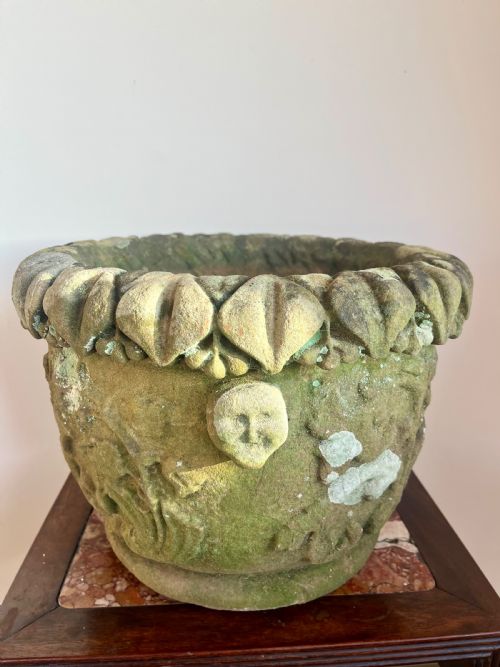


Classical Carved Stone Urn
These classical carved stone urn pieces bring monumental proportion and antique sculptural presence to interiors and gardens.
Classical Carved Stone Urn
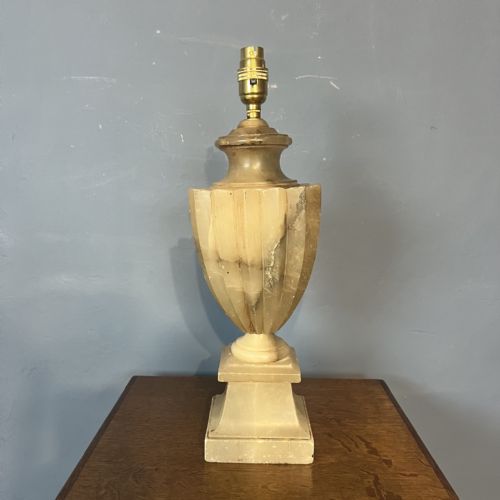
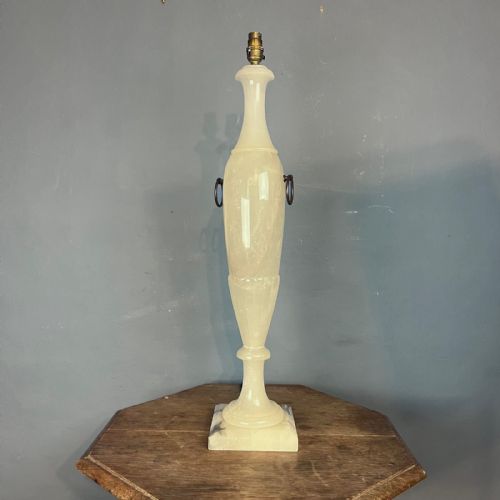
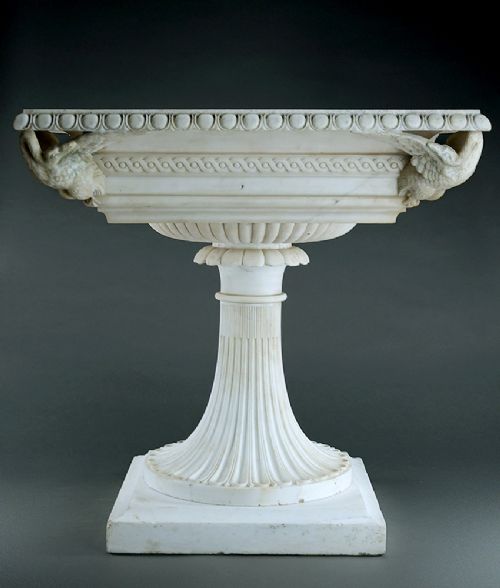
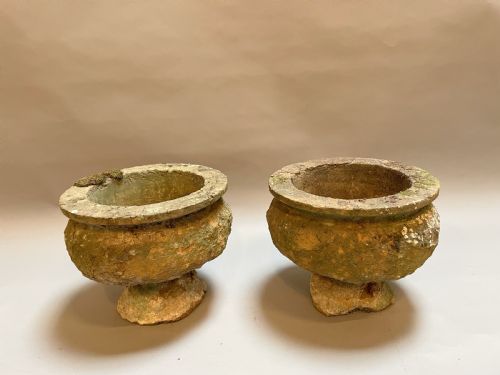
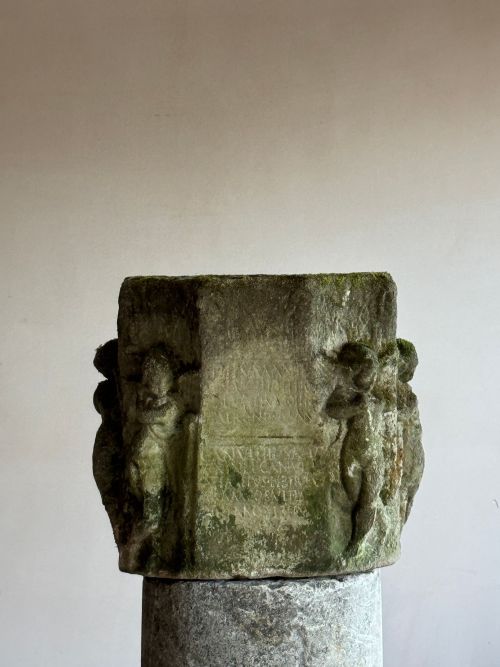
A classical carved stone urn draws directly upon ancient forms, appearing frequently as garden planters, table lamps, and decorative vessels across this selection. Buyers find pieces ranging from grand sixteenth century Italian Renaissance works to nineteenth century Grand Tour souvenirs and early twentieth century interpretations.
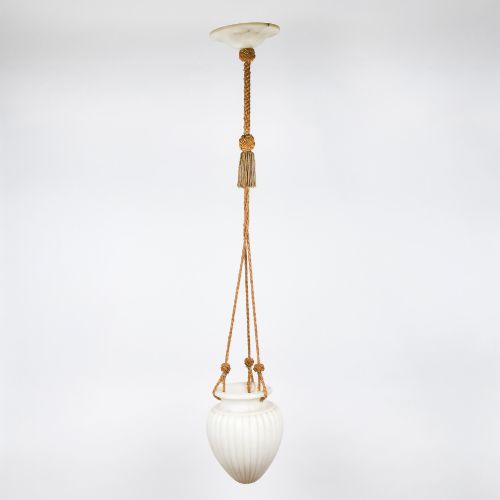
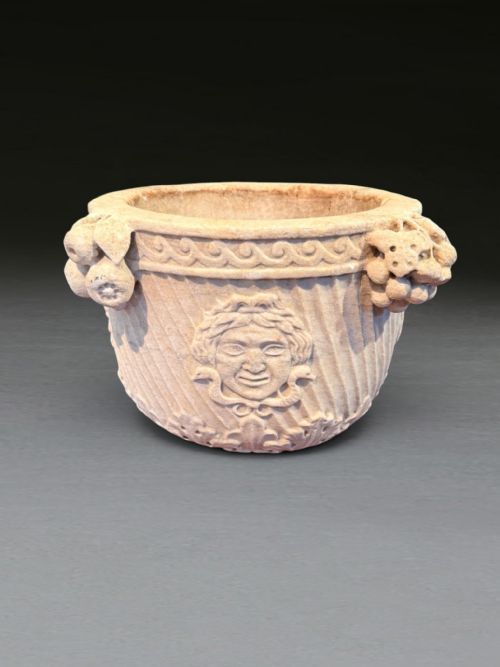
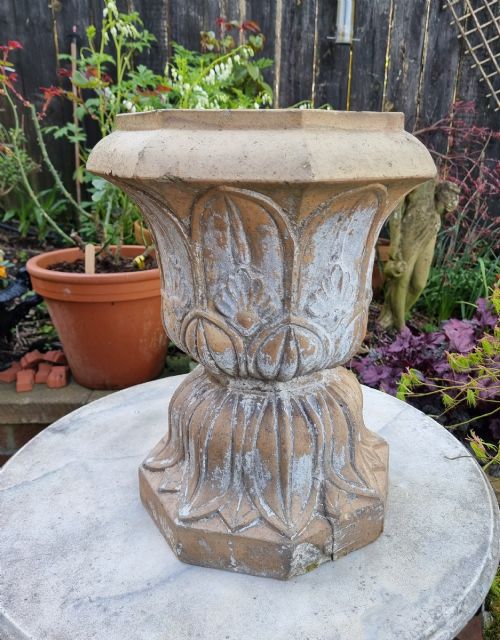
The material palette spans durable limestone and garden stone alongside polished white alabaster, serpentine marble, and terracotta. Forms vary from monumental campana shapes and tazzas to pedestal bowls and hanging lights, reflecting both interior decorative uses and architectural garden placements.
Materials and construction methods
Makers shaped these objects primarily from solid blocks of marble, alabaster, limestone, and soft stone, utilising manual carving techniques to achieve precise classical contours. Grand Tour souvenirs and garden urns often required significant chiselling and turning on a lathe to produce smooth exterior profiles.
Surface treatments rely on natural mineral variations within the stone, including breccia and antico rosso marbles, complemented by patinated terracotta and cast stone. Selected pieces incorporate brass fittings or integrated lighting elements adapted during later domestic conversions.
Classical Carved Stone Urn Retail Price Guide 2026
Typical asking prices for classical carved stone urn among the pieces listed under this phrase on Sellingantiques today, from the lower quarter to the upper quarter. They describe what is for sale here now, not the wider market.
One enthusiastic nineteenth century carver even managed to smuggle a monumental proportioned tazza across Europe without chipping the rim.
Distinguishing quality in stone vessels
The depth of historical association also dictates standing, particularly with Grand Tour souvenirs bearing specific regional attributions or documented workshops. Evidence of skilled hand-chiselling demonstrates superior craftsmanship compared to mechanical production.
Boschetti
The Classical Carved Stone Urn Glossary
- Campana urn
- A bell-shaped vessel with a flared rim and pedestal foot, originating in classical antiquity and favoured for garden use.
- Tazza
- A shallow bowl or vase raised on a high foot and stem, frequently carved from decorative marble during the Grand Tour period.
- Grand Tour
- A traditional travel itinerary undertaken by European nobility, producing souvenir antiquities and carved alabaster or marble artefacts.
- Alabaster
- A fine-grained, translucent mineral frequently utilised for carved table lamps and decorative vases due to its softness.
Classical Carved Stone Urn: Frequently Asked Questions
How were these stone urns originally used?
Ancient and neoclassical vessels served primarily as garden ornaments, commemorative monuments, or interior decorative focal points in grand houses.
Later examples, particularly alabaster and marble varieties from the twentieth century, were frequently adapted as table lamps or pendant lighting fixtures.
Can these stone urns remain outdoors?
Harder materials like limestone, terracotta, and cast stone handle exterior garden settings well when protected from severe frost.
Alabaster and softer marbles are better suited to indoor environments where moisture and fluctuating temperatures cannot damage the polished surfaces.
How do I date a marble or stone urn?
Dating relies on tool marks, the specific geological variety of stone, and stylistic traits associated with periods like the Italian Renaissance or Victorian era.
Grand Tour souvenirs often exhibit specific nineteenth century turning techniques and patination distinct from earlier architectural fragments.
What is a Grand Tour urn?
These are smaller sculptural souvenirs carved in Italy during the eighteenth and nineteenth centuries for travellers collecting classical antiquities.
They typically employ local stones like serpentine, alabaster, or antico rosso to replicate famous classical monuments.