





Classical Carved Cameo
A classical carved cameo captures historical mythology and portraiture in relief, offering portable art shaped from shell, stone and lava.
Classical Carved Cameo
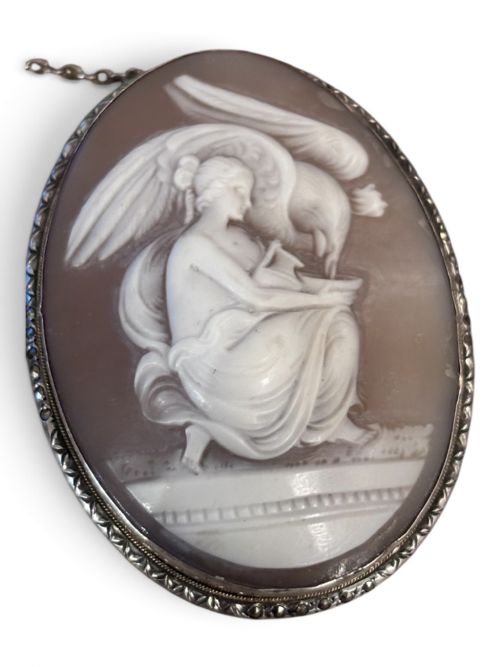
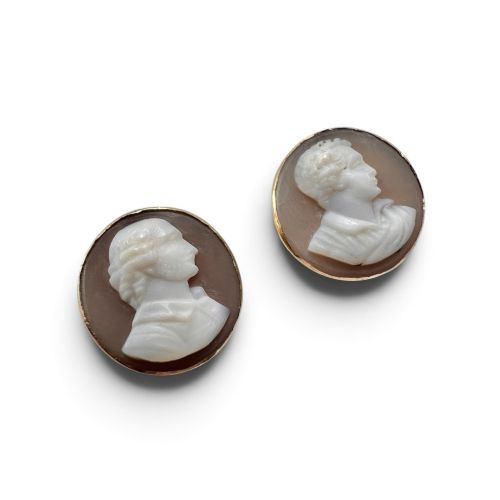
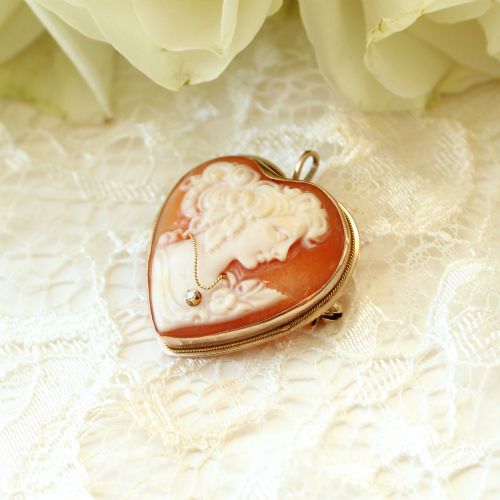
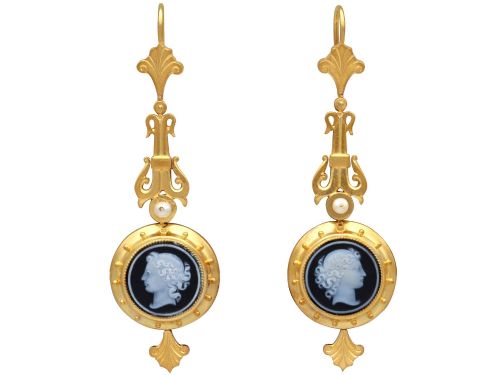
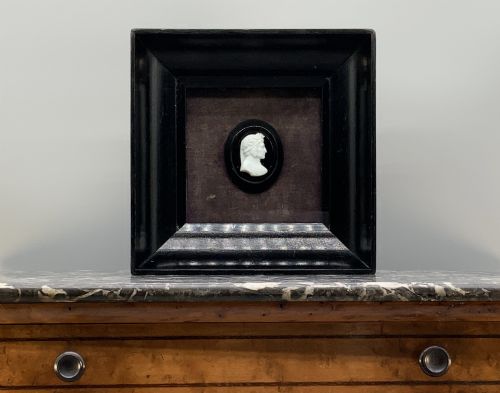
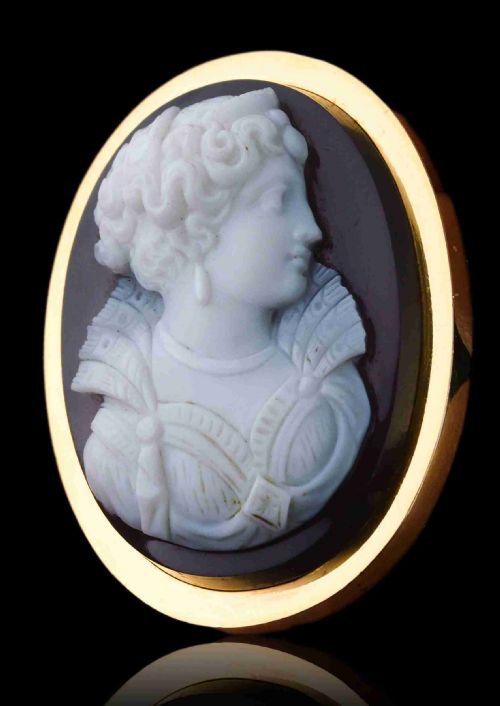
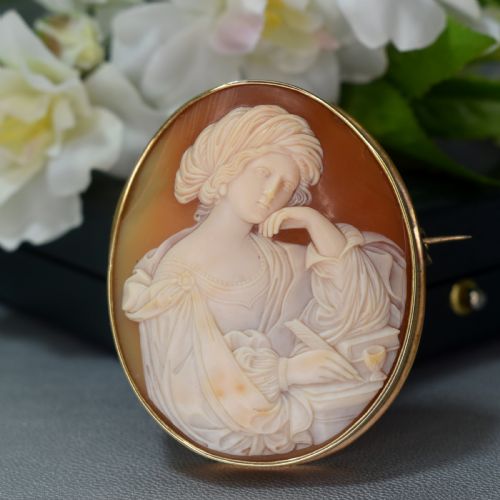
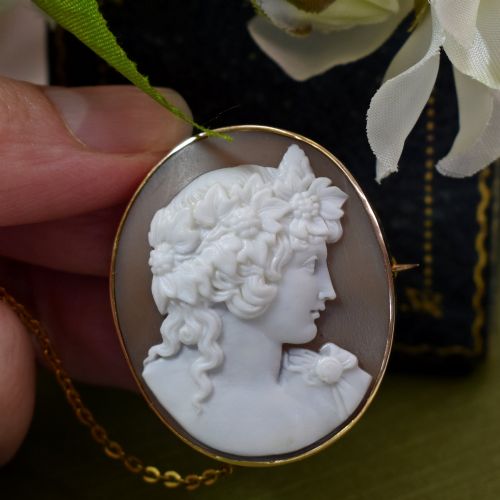
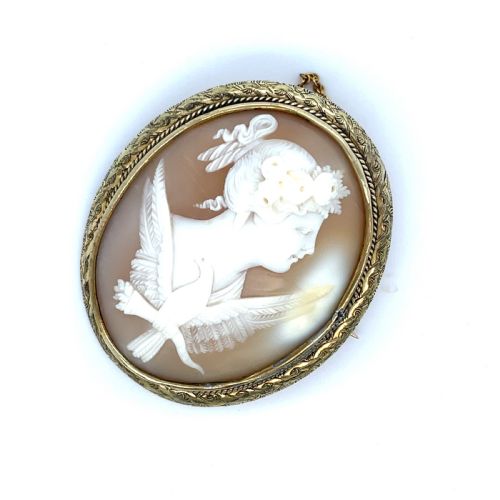
A classical carved cameo presents a raised profile or figural scene, most frequently encountered here as a Victorian brooch, pendant or ring set in gold or silver.
These pieces draw heavily on ancient myth, depicting figures such as Aphrodite, Demeter, Flora and Aurora alongside Roman emperors and literary subjects.
Surviving examples span from the Georgian period through the Victorian era and into the Edwardian years, with many originating from Italy as Grand Tour souvenirs.
How they were made
Carvers exploit the natural colour layers of shell, agate, hardstone, coral and lava stone to separate the pale portrait from a darker background.
Mounts utilise 18ct gold, 9ct gold, silver and pinchbeck, securing the carved relief with bezels, claws or ornate frames tailored to each form.
Classical Carved Cameo Retail Price Guide 2026
Typical asking prices for classical carved cameo among the pieces listed under this phrase on Sellingantiques today, from the lower quarter to the upper quarter. They describe what is for sale here now, not the wider market.
Listings feature shell, hardstone, lava stone, agate and coral mounted in 18ct gold, 9ct gold, silver and pinchbeck across Victorian and Edwardian periods.
What varies in quality
The choice of framing contributes significantly to the overall merit, with substantial solid gold or detailed pinchbeck mounts elevating the piece.
Thorvalsen Workshop·R Pernice
The Classical Carved Cameo Glossary
- Cameo
- A method of carving where a design is raised above the background. This technique relies on contrasting strata in shell or stone.
- Hardstone
- A collective term for durable semi-precious stones like agate and carnelian. Carvers utilise these minerals for lasting detail.
- Grand Tour
- A cultural journey undertaken across Europe during the eighteenth and nineteenth centuries. Travellers purchased carved plaques and jewellery as souvenirs.
- Intaglio
- A design incised into the surface of a stone or gem. This creates a sunken impression rather than a raised relief.
- Pinchbeck
- An alloy of copper and zinc developed to imitate gold. Makers apply this metal extensively to Victorian mountings.
Classical Carved Cameo: Frequently Asked Questions
What materials are cameos carved from?
Carvers typically utilise conch shell, hardstone, carnelian, agate, lava stone and coral to achieve the necessary layered contrast.
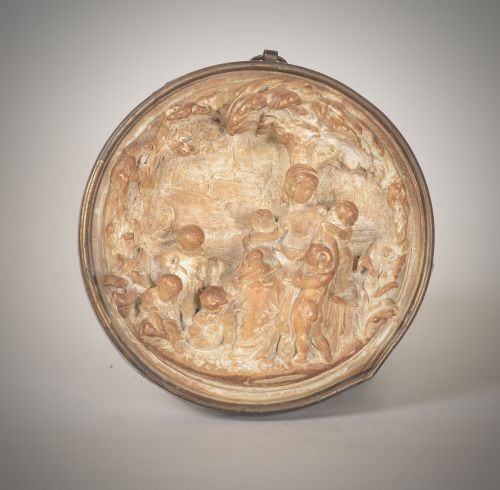
Softer materials like lava and plaster also appear in nineteenth-century wall plaques and decorative desk items.
How do I date a Victorian cameo?
Examination of the metal mount, clasp style and frame construction reveals the period of manufacture.
Victorian pieces frequently feature 9ct or 18ct gold settings, whereas earlier Georgian examples often utilise pinchbeck or silver.
Where were most antique cameos made?
Italy served as the primary centre for production, particularly Naples and Rome, where artisans catered to travellers.
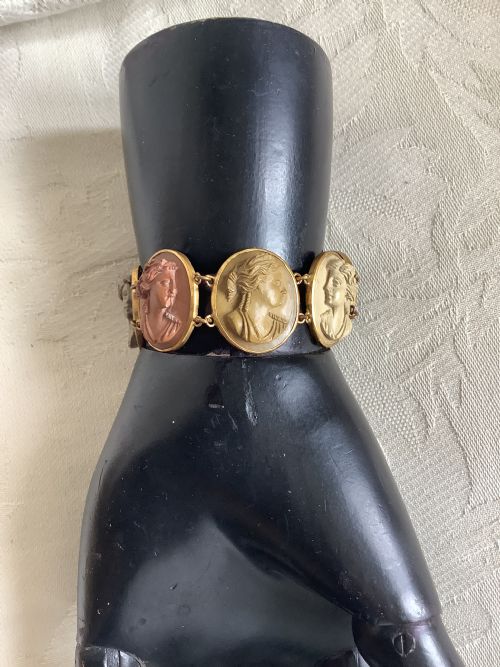
Many of these items returned to Britain as Grand Tour keepsakes, mounted into brooches, bracelets and earrings.
What subjects appear on classical cameos?
Greek and Roman mythology dominates the imagery, featuring goddesses, gods, chariot scenes and classical poets.
Portrait profiles of historical figures, emperors and literary characters also form a substantial category of surviving work.