


Classical Candle Holders
Classical candle holders bring symmetry and formal design to a room, cast in bronze, marble, and silver.
Classical Candle Holders
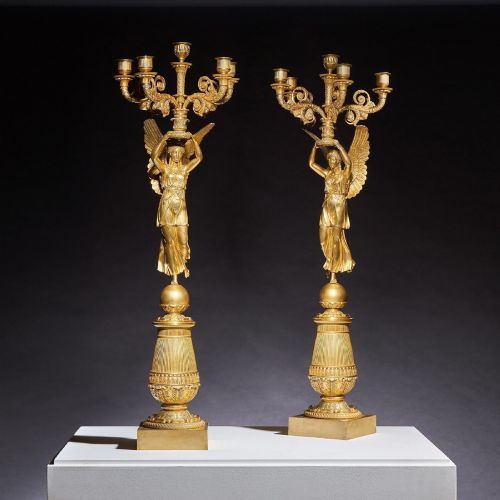
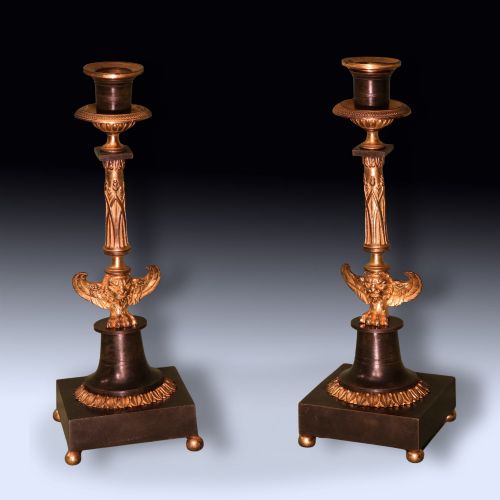
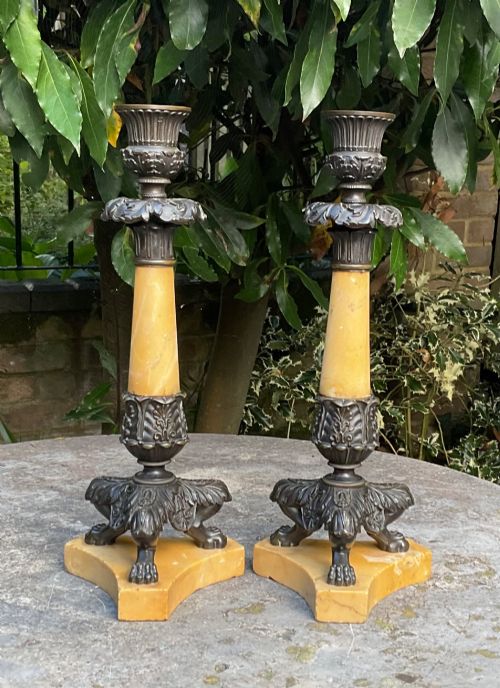
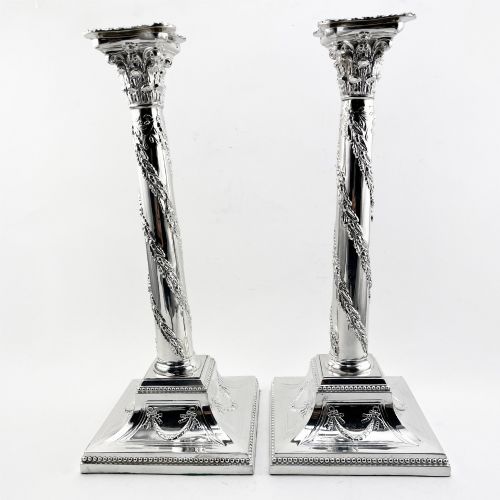
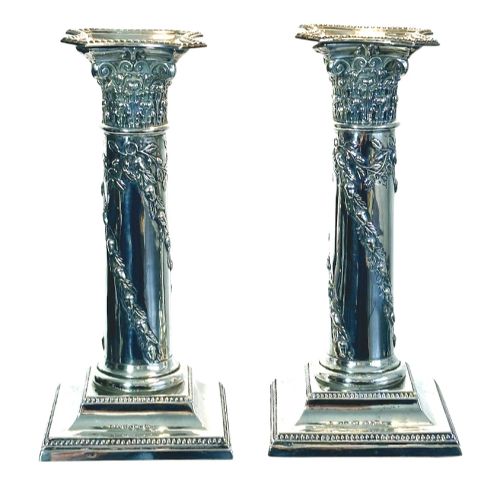
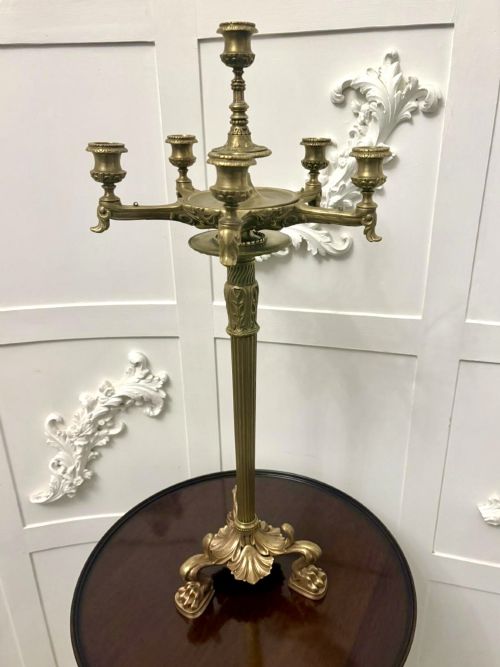
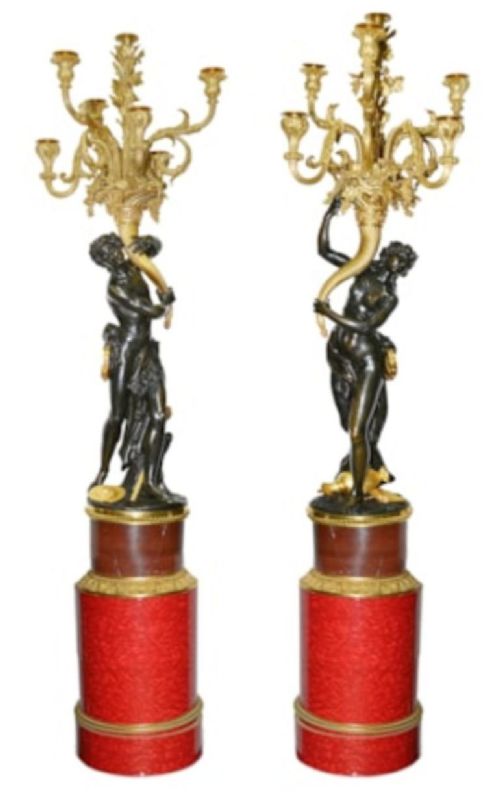
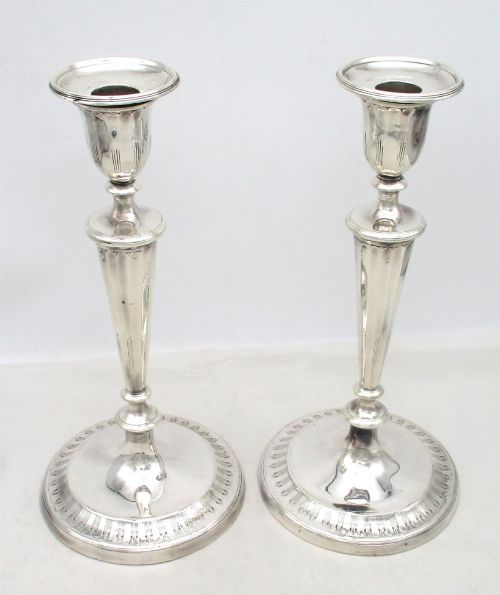
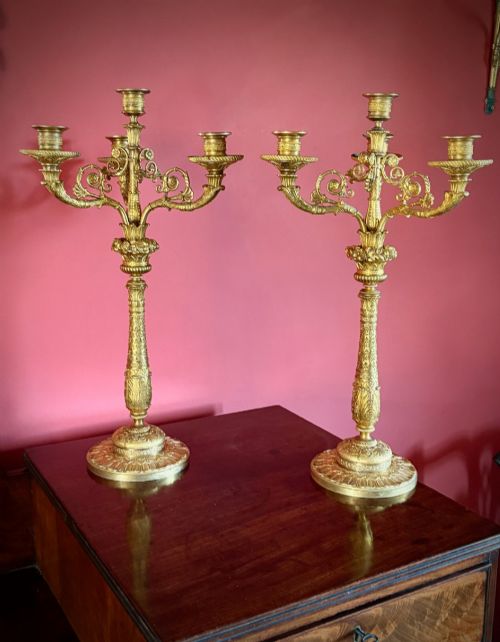
Classical candle holders encompass candlesticks, multi-arm candelabra, wall lights, and torcheres derived from Regency, French Empire, and Louis XVI styles. Buyers searching this phrase meet pairs cast in bronze, brass, and silver plate alongside silver and marble forms.
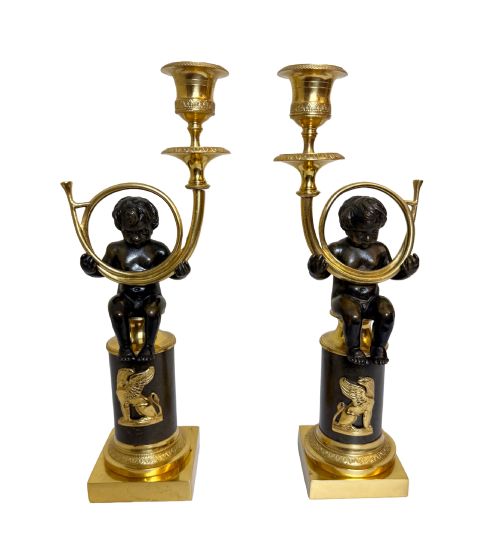
Nineteenth-century examples dominate the selection, spanning Regency designs through Victorian adaptations and Edwardian production. French Empire and Neoclassical revivals supply much of the figural and architectural ornament found across these pieces.
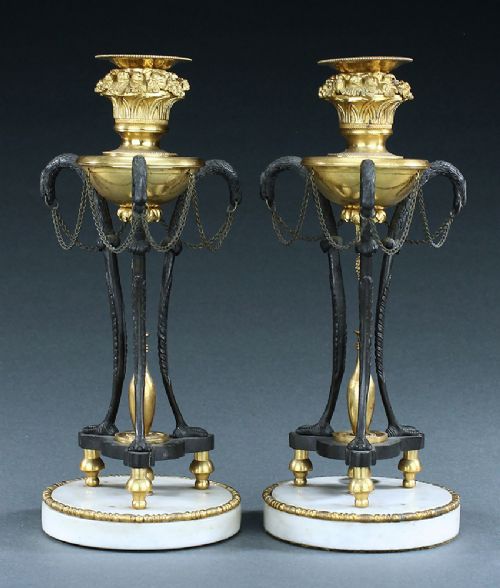
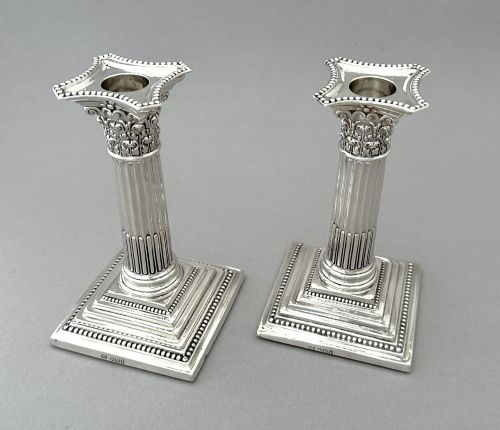
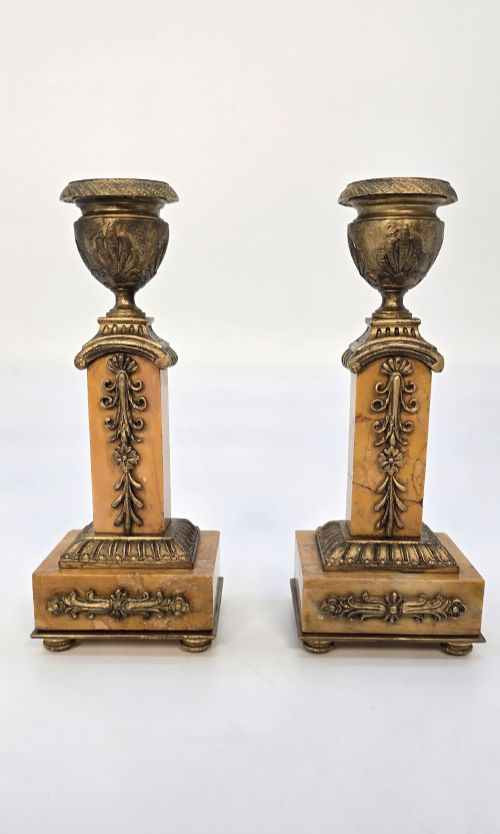
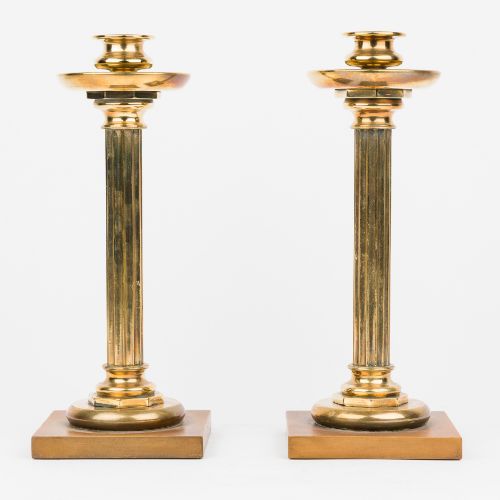
Forms range from simple Corinthian columns to elaborate multi-light candelabra incorporating patinated bronze, ormolu, and white marble bases. Many survive in matched pairs designed for mantelpieces and sideboards.
Materials and construction
Foundry work combined cast bronze and brass elements, often finished with mercury gilding to produce rich ormolu highlights alongside dark patinated surfaces. Marble and onyx components were turned and polished to form solid plinths and column shafts.
Silversmiths employed sterling silver and silver plate over base metals, utilising spinning, stamping, and weighted bases to provide stability for tall stems. Candelabra arms were cast separately and joined mechanically or soldered to central shafts.
Classical Candle Holders Retail Price Guide 2026
Typical asking prices for classical candle holders among the pieces listed under this phrase on Sellingantiques today, from the lower quarter to the upper quarter. They describe what is for sale here now, not the wider market.
Listings feature 19th Century, Regency, Victorian, and Edwardian periods alongside materials such as gilt bronze, sterling silver, and marble.
Assessing quality and execution
The crispness of the chase-work distinguishes finer metalwork, where floral details and figural drapery remain sharp rather than softened by worn moulds. Heavy gauge casting provides substantial weight, separating solid constructions from lighter commercial productions.
Integration between different materials indicates superior assembly, such as tight joints where bronze meets marble or precise alignment of multi-arm candelabra branches. Surface finishes retain original patination or bright gilding depth rather than flat, uniform modern plating.
Garrard & Co·Pierre Philippe Thomire·Rabiat·Thomas Hope·J. Miller
The Classical Candle Holders Glossary
- Ormolu
- Gilded bronze produced through mercury amalgamation or later electrogilding techniques. This surface treatment gives a brilliant golden lustre to decorative metal mounts.
- Candelabra
- A branched candlestick holding multiple candles on separate arms. These lighting pieces often feature a central light flanked by symmetrical side branches.
- Patinated bronze
- Bronze treated chemically or thermally to produce a dark, protective surface skin. This dark tone contrasts effectively with bright ormolu or marble mounts.
- Carrara marble
- A white or blue-grey Italian marble prized for its fine, uniform grain. It serves as a dense, elegant base material for nineteenth-century mantel ornaments.
Classical Candle Holders: Frequently Asked Questions
How do I clean antique bronze?
Dust bronze surfaces gently with a soft, dry brush to prevent the accumulation of grit in recessed chasing. Avoid liquid metal cleaners that strip historic patination from the metal.
Wax polishing is rarely necessary unless the surface feels completely dry. Professional conservation prevents accidental removal of original gilding.
Were these electrified later?
Some pieces in this category underwent conversion for electricity during the twentieth century, while others retained their original function for wax tapers. Conversions often involved running wiring through central stems without altering the outer metalwork.
Checking the base reveals whether weights or felts were disturbed during past rewiring work. Many collectors prefer pieces that retain their original socket components.
How do I spot a Regency pair?
Regency designs draw heavily on ancient Greek and Roman motifs, incorporating severe architectural lines, paw feet, and patinated bronze finishes. Ormolu mounts provide sharp contrast against dark metal bodies.
Proportions remain balanced and restrained compared to later Victorian exuberance. Weight and construction methods typical of early nineteenth-century foundries confirm the period.
Can I use real candles?
Using standard taper candles works well provided the nozzles match the candle diameter securely. Drip trays and bobeches catch melted wax before it reaches delicate ormolu or marble surfaces.
Extinguishing flames before the wax reaches the metal prevents stubborn residue build-up. Modern beeswax or paraffin tapers fit securely into historic sockets.