
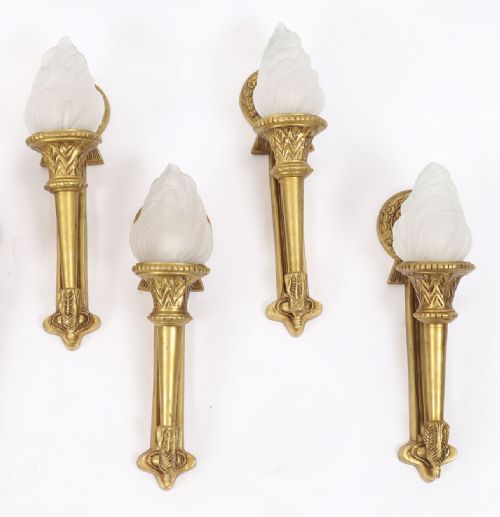


Classical Bronze Light Fitting
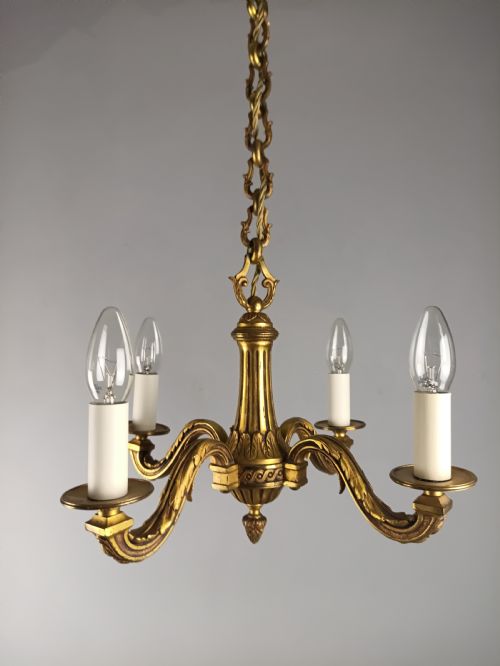
A classical bronze light fitting brings a distinct French architectural weight into a room, combining cast metal with crystal or glass.
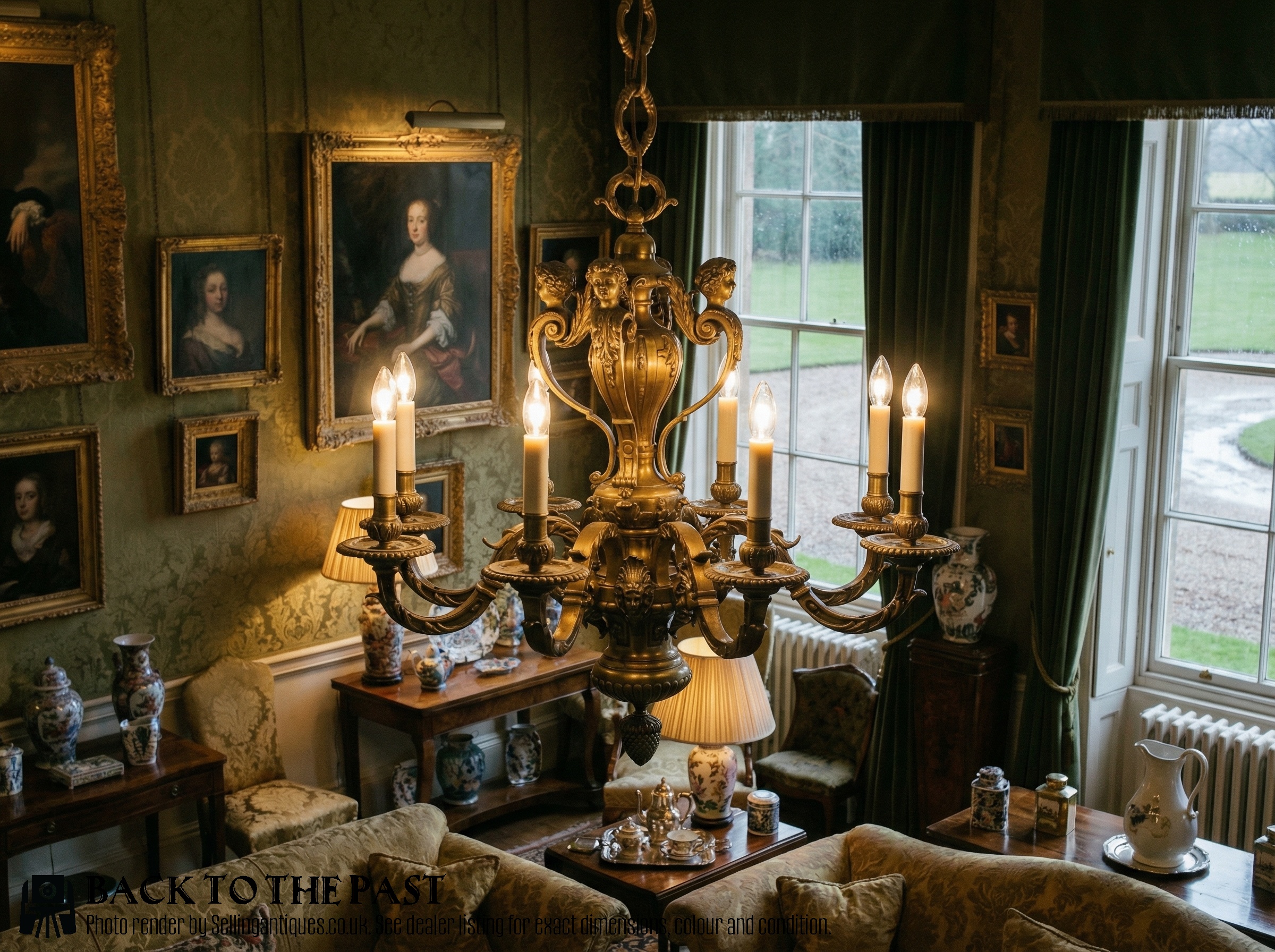
Classical Bronze Light Fitting
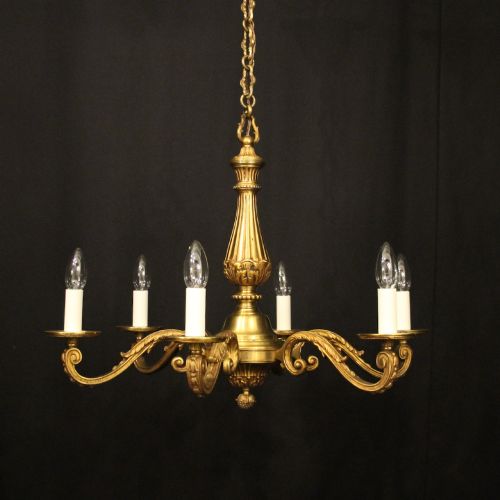
A classical bronze light fitting encompasses heavy chandeliers, wall lights, and lamp bases rooted in French design traditions. These pieces originate predominantly from the nineteenth and early twentieth centuries, spanning periods from the Edwardian era back to eighteen hundred.
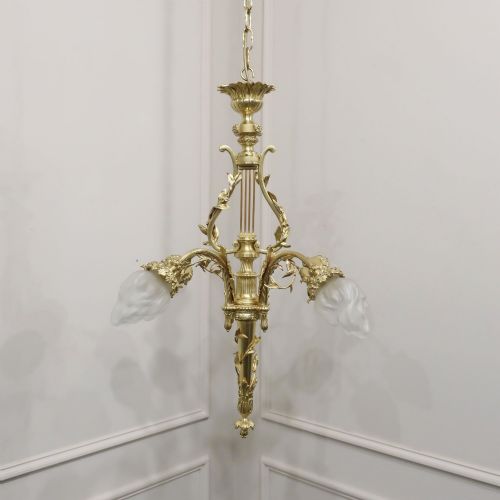
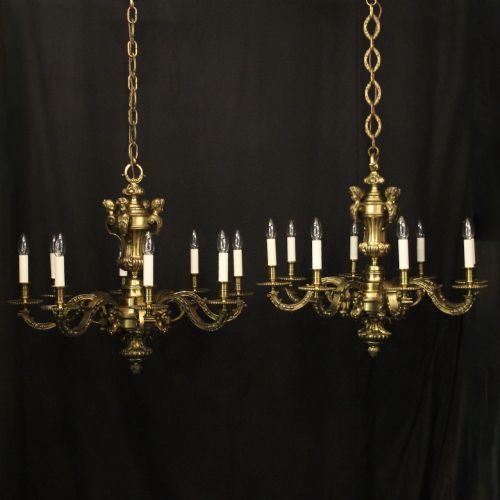
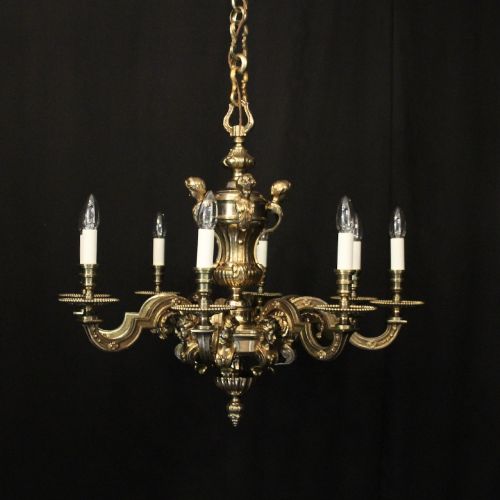
The selections available here lean heavily toward multi-light chandeliers and sconces displaying French Empire, Neoclassical, and Baroque Palladian influences. Buyers seek these forms to anchor high-ceilinged spaces with substantial metalwork and traditional illumination formats.
Materials and construction
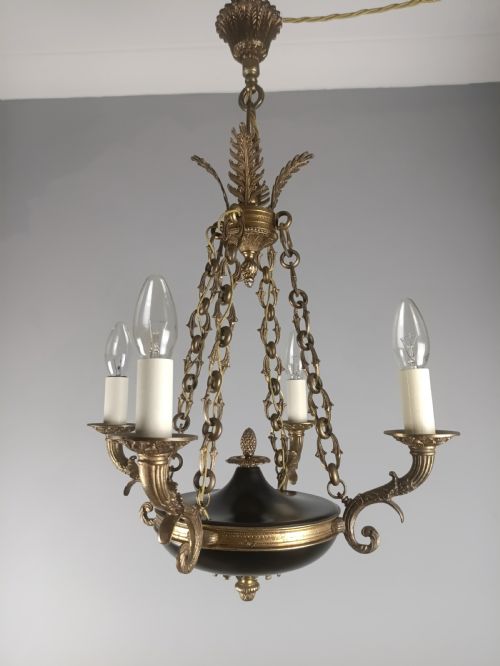
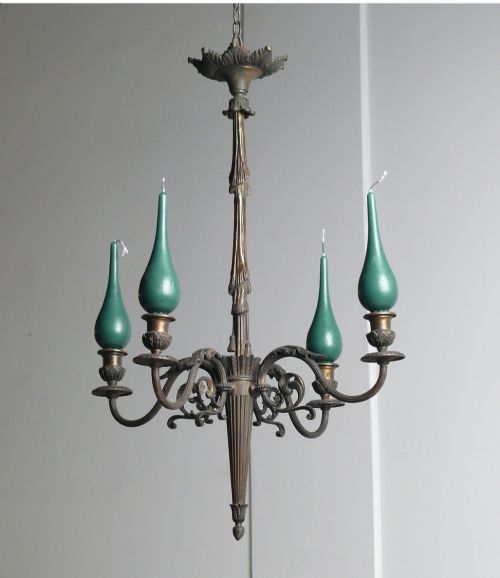
Foundries cast these fixtures primarily in bronze, brass, and patinated or gilded metals including ormolu and gilt bronze. Surface treatments range from bright silver gilt to patinated dark bronze, often paired with clear crystal drops and frosted glass elements.
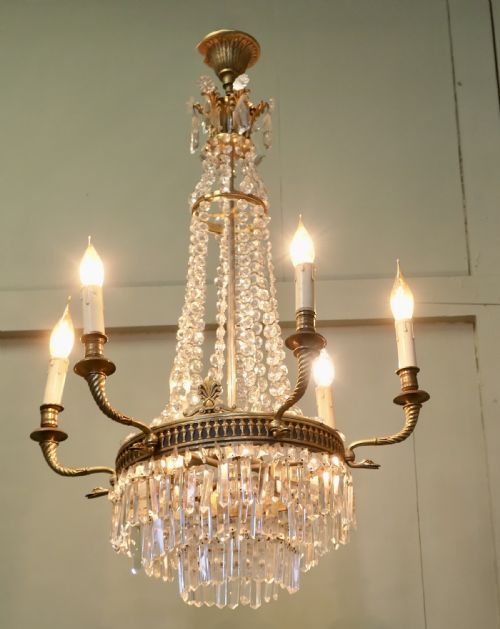
Makers constructed these fittings through intricate metal casting and assembly, mounting multiple arms around central stems. Chandeliers incorporate cascading crystal waterfalls and tent arrangements, while wall lights frequently employ flaming torch designs.
Listings feature items spanning the nineteenth century alongside Edwardian and 1920s interpretations of French classical styles.
Assessing quality and execution
The fidelity of the casting work dictates the visual success of a classical bronze light fitting, where sharply chiselled leaf motifs and crisp drapery separate superior examples from softer castings. Heavier gauge metalwork and multi-tiered branch configurations generally indicate more ambitious production.
The integration of secondary materials also alters the character of a fixture, distinguishing simple patinated bronze frames from richly gilded ormolu assemblies embellished with abundant crystal drops and specialised glass components.
The Classical Bronze Light Fitting Glossary
- Ormolu
- Finely ground high-carat gold applied to a bronze base using a mercury amalgamation technique. This historic process gives a deep, warm metallic lustre that differs from modern electroplating.
- Empire
- A stylistic period drawing on ancient Roman, Greek, and Egyptian motifs. It favours symmetrical geometry, military trophies, and classical proportions.
- Neoclassical
- A design movement inspired by the classical art and architecture of antiquity. It relies on restrained ornamentation, urns, acanthus leaves, and balanced symmetry.
- Tent and waterfall
- A chandelier configuration featuring an upper canopy of strings of beads forming a tent shape above a cascading arrangement of crystals. This creates a shimmering diffusion of light.
- Patinated bronze
- Metal that has been treated chemically or aged naturally to produce a darkened surface tone. It provides a subdued contrast to polished or gilded highlights.
Classical Bronze Light Fitting: Frequently Asked Questions
How do I clean a bronze chandelier?
Dust metal components regularly with a soft, dry brush to prevent the accumulation of grime on patinated or gilded surfaces. Avoid harsh chemical cleaners that strip historical finishes.
Wash crystal drops individually by hand in warm soapy water before drying them thoroughly with a lint-free cloth. Reattach them carefully to the frame to maintain the original arrangement.
Are these light fittings wired for modern use?
Most antique fixtures require professional rewiring to comply with current electrical standards and safety regulations. Electricians can adapt internal channels to house modern lamp holders without altering the exterior bronze structure.
Consult a qualified specialist to check the load-bearing capacity of ceilings before hanging heavy multi-branched chandeliers. Proper ceiling anchors ensure the secure suspension of large metal frameworks.
What is the difference between gilt bronze and ormolu?
Gilt bronze is a general term for bronze objects coated with a layer of gold. It encompasses various methods of application across different centuries.
Ormolu specifically refers to mercury gilding practised predominantly in eighteenth and nineteenth-century France. This process yields a distinctive matte and burnished finish of exceptional durability.
How do I identify an Empire style fitting?
Empire style light fittings incorporate martial symbols, classical drapery, and heavy symmetrical forms derived from Napoleonic taste. They often feature boat-shaped bowl bodies or tent-and-waterfall crystal formations.
Look for cast bronze mounts depicting swans, wreaths, and palmettes. These motifs point directly to the aesthetic vocabulary of the early nineteenth century.