





French Provincial Ceiling Light
These french provincial ceiling light fixtures bring unmistakable continental character to a room, trading quiet subtlety for expressive brass, iron and glass.
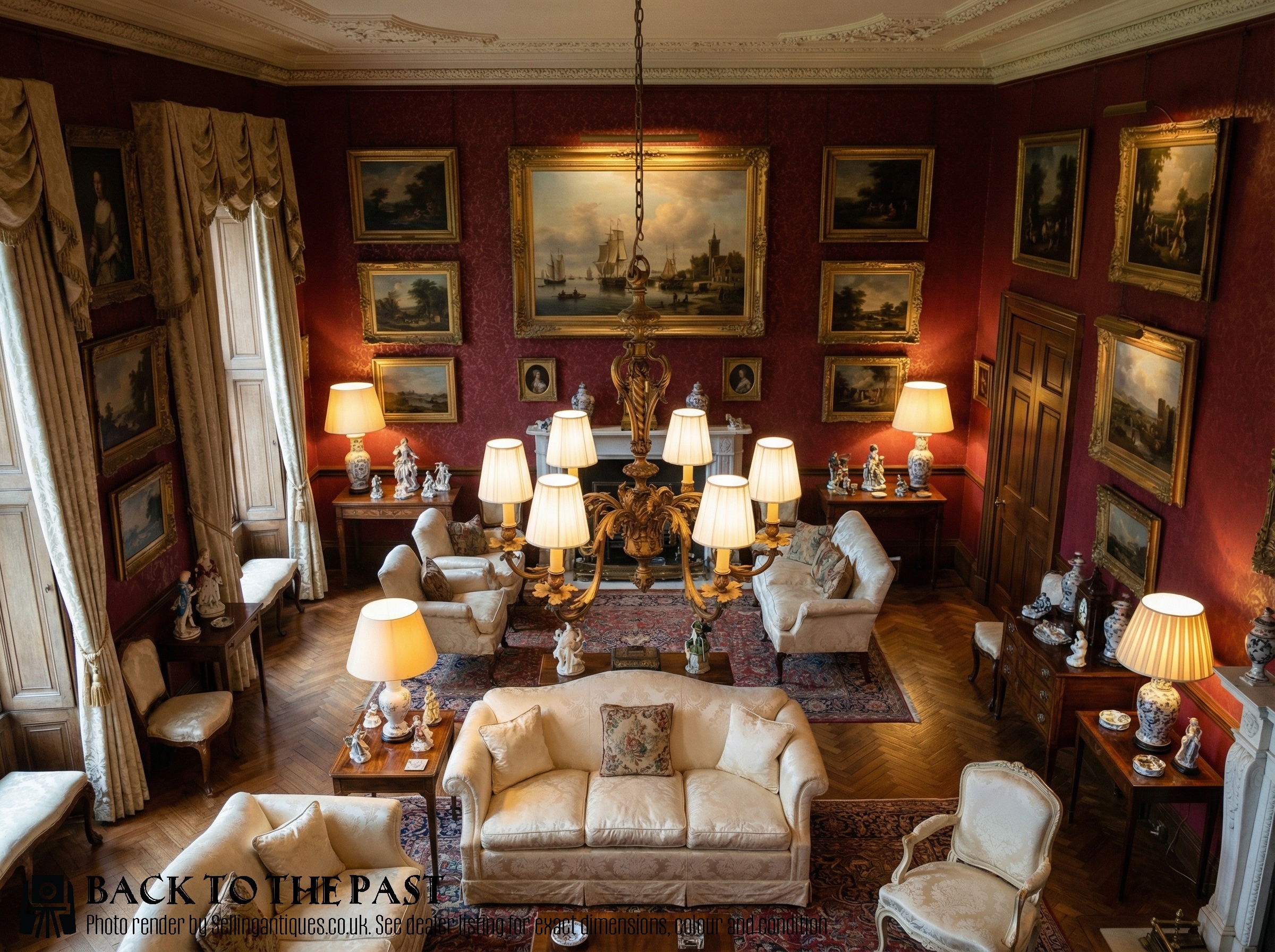
French Provincial Ceiling Light
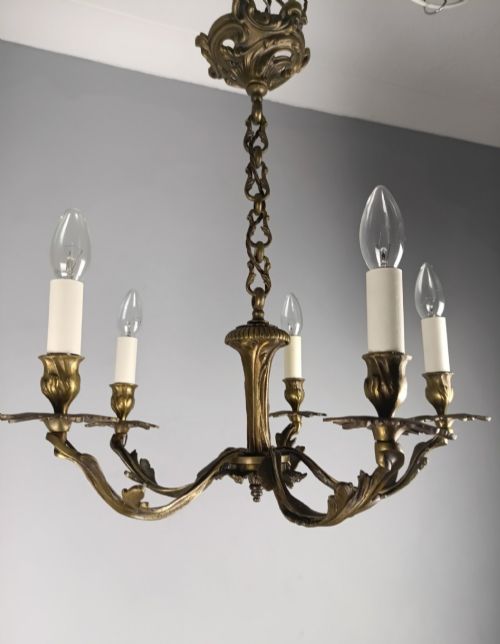
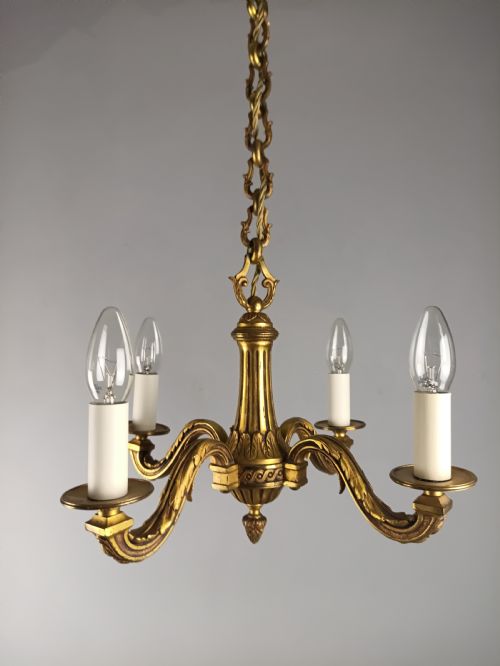
When you search for a french provincial ceiling light, you are looking at overhead illumination rooted in continental domestic traditions, predominantly taking the form of multi-armed chandeliers and ceiling lanterns. The examples met on this page span from the nineteenth century through the Edwardian era and into the 1930s, showing styles that reference French chateau, Rococo, Louis XVI and provincial aesthetics.
The objects themselves function as central focal points in a space, designed to distribute ambient light downwards through clusters of bulbs or candles supported by metal frameworks. Formats range from modest single-light lanterns and six-arm chandeliers to large double-tiered fixtures carrying up to twenty-four lights.
What varies in quality
Quality in these fixtures is dictated by the substance of the materials and the depth of hand-finishing applied to the metal and glass. Heavier metal castings, substantial bronze frames and intricate wrought iron detailing distinguish more ambitious pieces from lighter, simpler constructions.
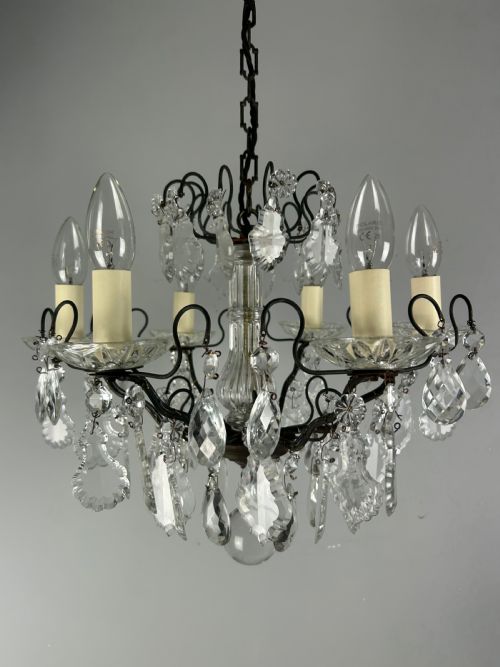
The integration of decorative elements also separates tiers of production, seen in the precision of cut glass crystal drops, the quality of gilding or polychrome finishes, and the overall structural proportion of multi-tiered designs.
Materials span brass, bronze, gilt metal, wrought iron, steel, glass and cut crystal.
The French Provincial Ceiling Light Glossary
- Chandelier
- A branched ceiling-mounted lighting fixture designed to hold multiple light sources. They distribute illumination widely across a room from a central hanging point.
- Birdcage chandelier
- A lighting fixture featuring a curved metal framework that resembles the silhouette of an avian cage. Crystal drops and lights are suspended within and around this open metal structure.
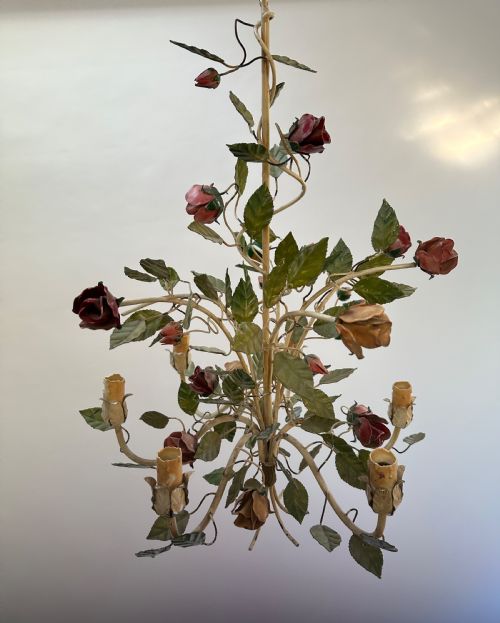
- Toleware
- Painted or lacquered tinplate objects often shaped into decorative lanterns and housings. The surface typically displays applied polychrome colours or floral motifs.
- Gilt bronze
- Metal cast in bronze and subsequently coated with a thin layer of gold or gold-coloured alloy. This technique provides a durable, lustrous surface finish that resists tarnish.
- Polychrome
- The practice of decorating surfaces in multiple colours. In these fixtures, it appears as hand-painted accents on iron and steel components.
French Provincial Ceiling Light: Frequently Asked Questions
How do I hang a heavy chandelier safely?
Suspending these fixtures requires securing the hanging weight directly into a ceiling joist or structural noggin using rated fixings. The weight of large multi-armed examples demands professional electrical and structural installation.
Heavier metal and crystal pieces cannot rely on standard plasterboard fixings. Consulting an electrician ensures the junction box and wiring can support the sustained load.
How do I clean crystal drops?
Crystal elements can be washed individually using a mild solution of warm water and washing-up liquid. Drying each piece with a lint-free cloth restores the refractive sparkle.
Leaving crystals attached to the frame while cleaning risks damaging the surrounding metalwork and wiring. Taking down removable drops makes the process safer for older fixtures.
What rooms suit a ceiling lantern?
Ceiling lanterns work well in entrance hallways, corridors and boot rooms where floor space is limited. Their enclosed glass sides protect the internal light source from drafts.
Smaller formats provide concentrated downward illumination without dominating low ceilings. They offer a distinct alternative to wide-spreading multi-armed chandeliers.
How do I date an iron chandelier?
Dating relies on observing the assembly methods, such as hand-forged scrollwork versus machine-cut elements, alongside the style of surface paint and wiring channels. Edwardian and 1930s pieces often show different material gauges compared to nineteenth-century examples.
Comparing the specific combination of wrought iron, polychrome finish and structural form helps place the fixture within its period of manufacture.