


Classical Bronze Lamp Base
A classical bronze lamp base brings sculptural weight and historic gravitas to a room, offering enduring illumination through cast metal and stone.
Classical Bronze Lamp Base
A classical bronze lamp base provides sturdy vertical illumination through cast metal figures, urns, and columns mounted upon solid plinths. When you search for a classical bronze lamp base, you encounter a distinct blend of architectural form and sculptural artistry dating primarily from the nineteenth and early twentieth centuries.
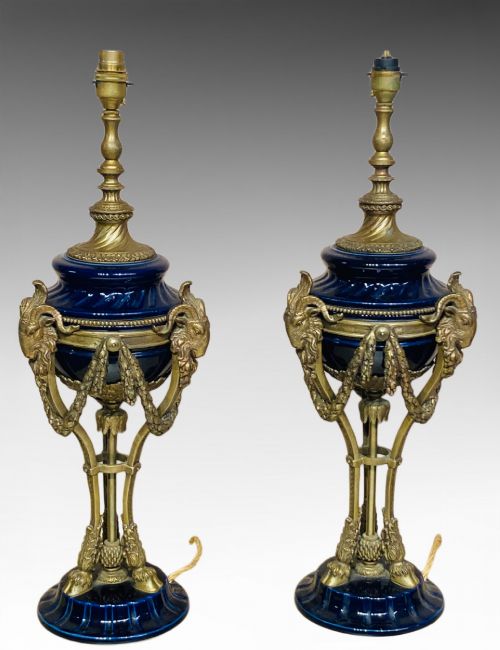
The pieces appearing on this page originate largely from French and English workshops, spanning revival designs from Empire to Art Deco aesthetics. Most examples integrate patinated or gilded metals with contrasting natural materials to create substantial table lighting.
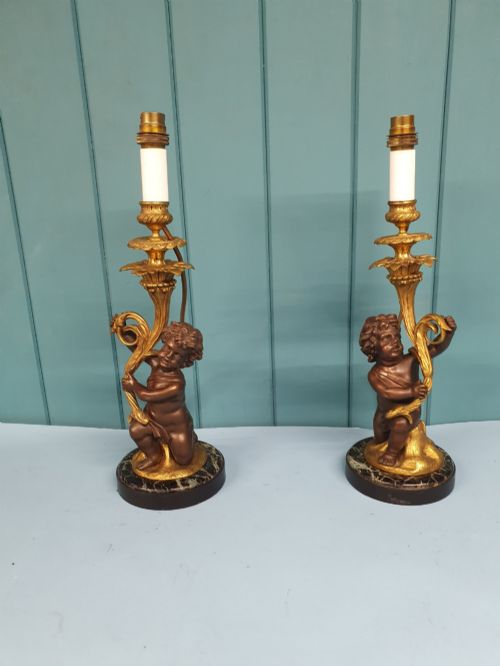
Makers frequently drew inspiration from classical antiquity, depicting figures such as cherubs, mermaids, and mythological deities alongside architectural columns and urns. These objects function equally as decorative sculptures and functional light sources within period interiors.
Materials and construction
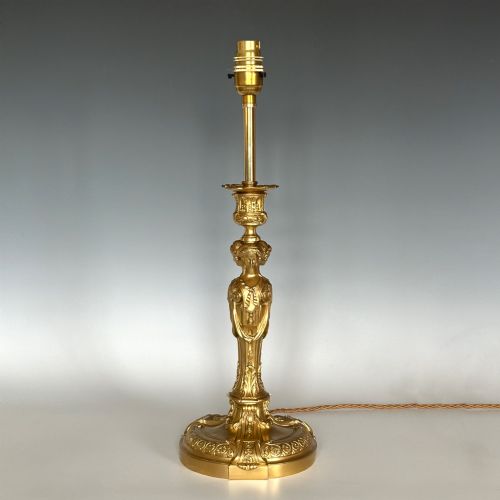
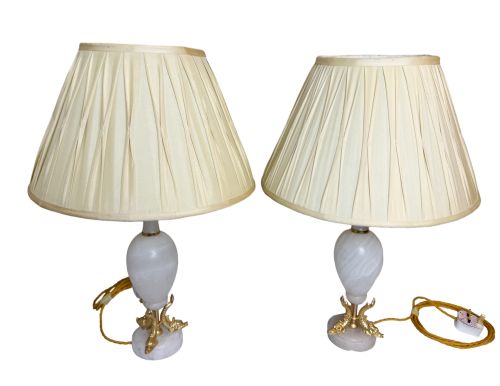
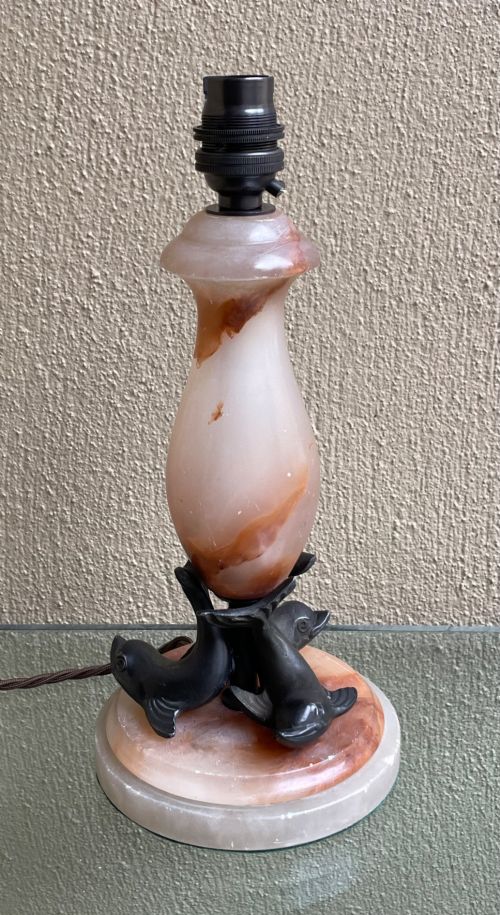
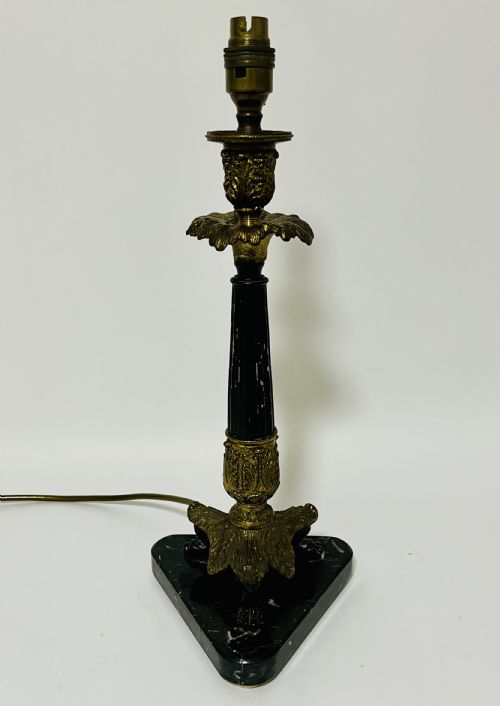
Foundries shaped these pieces using traditional casting techniques, combining patinated bronze, gilt ormolu, and brass with heavy stone plinths. Marble and onyx provide stable foundational weight, while secondary mountings of fabric, glass, and alabaster complete the lighting assemblies.
Craftsmen utilised fire-gilding and cold painting to finish metal surfaces, highlighting intricate details on figural subjects and decorative foliage. Columns and urns often incorporate multiple assembled components secured with threaded rods and internal fixings.
A mermaid column holding up the room with a rock crystal waist proves ancient myths make surprisingly sturdy table lighting.
Distinctions in craftsmanship
The integration of fire-gilding, patination, and secondary materials like rock crystal separates standard production pieces from exceptional sculptural works. Precision in the assembly and alignment of classical motifs determines the visual harmony of the finished base.
Auguste Moreau
The Classical Bronze Lamp Base Glossary
- Ormolu
- A technique of applying finely ground high-carat gold to an object of bronze through mercury amalgamation. This creates a durable, luminous golden surface finish found on high-end French mountings.
- Spelter
- An alloy of zinc and lead often used as a more affordable substitute for bronze. It frequently receives a bronze-coloured or painted finish.
- Patination
- The surface coloration and ageing acquired by bronze over time through oxidation and handling. It gives the metal its characteristic dark tone and subtle sheen.
Classical Bronze Lamp Base: Frequently Asked Questions
How do I distinguish bronze from spelter?
Bronze exhibits greater weight, a resonant tone when struck gently, and a warmer patination that does not flake. Spelter is softer, lighter, and tends to show silvery grey metal beneath surface chips.
Examining the underside or internal fixings often reveals the lighter, more brittle nature of spelter compared to solid bronze.
What periods do these lamps date from?
The pieces span the nineteenth century through the early twentieth century, encompassing Victorian, Empire, and Art Deco design revivals. Many draw heavily on eighteenth-century French neoclassical styles.
Stylistic cues like ram heads, laurels, and fluted columns indicate the specific classical period being emulated.
How should I clean a bronze base?
Dust gently with a soft, dry cloth to remove surface particles without disturbing the patination. Avoid harsh chemical cleaners or abrasive polishes that strip historic finishes.
Preserving the original surface oxidation maintains both the appearance and the character of the metal.
Were these originally made as lamps?
Many nineteenth-century examples began life as candlesticks, oil lamps, or garniture figures before being converted for electrical wiring. Candlestick conversions frequently retain threaded wells or nozzle fittings at the summit.
Such adaptations occurred progressively as domestic electric lighting became widespread during the early twentieth century.