






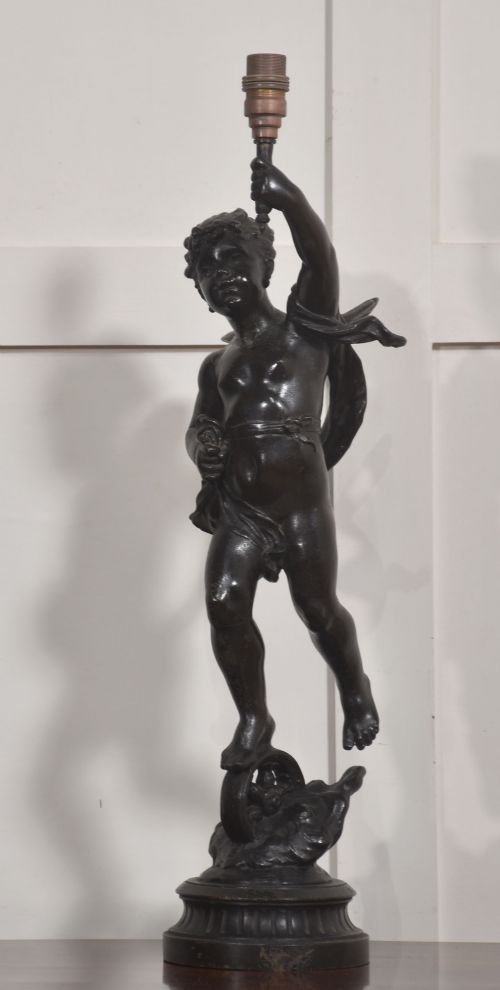


Classical Bronze Casting
Classical bronze casting brings home the enduring weight of antiquity through figures, lamps and ewers shaped by centuries of revival.
Classical Bronze Casting
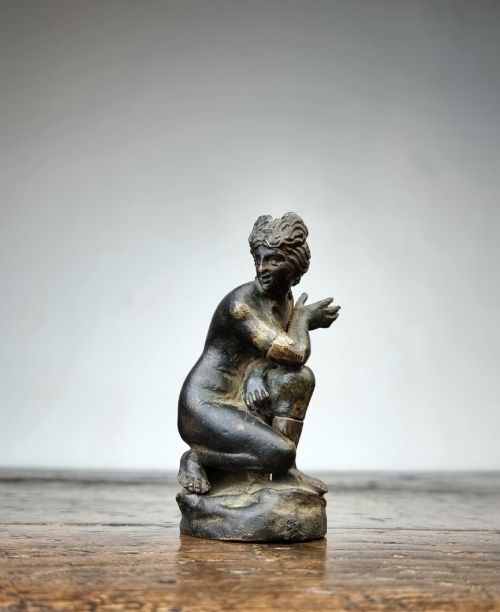
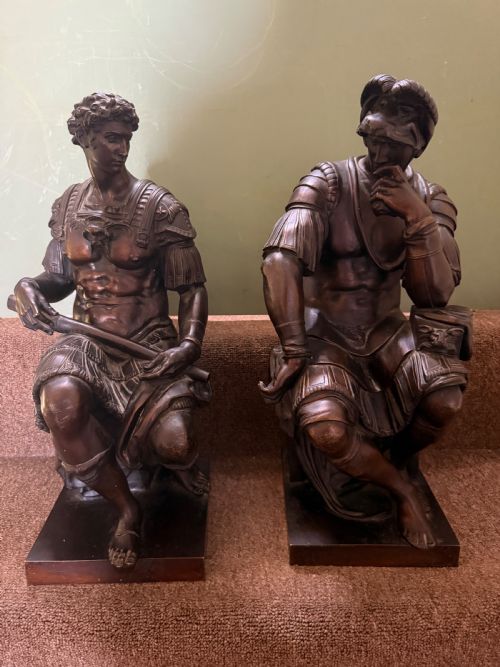
When searching for classical bronze casting, buyers encounter sculptural figures, lighting and decorative vessels produced across the nineteenth and early twentieth centuries. These objects channel antique aesthetics through Neoclassical, Grand Tour and Renaissance Revival movements, often interpreting famous Italian and Greek precedents.
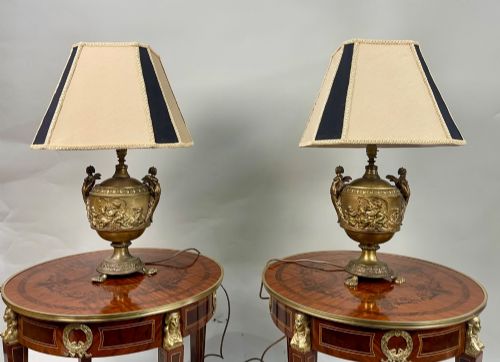
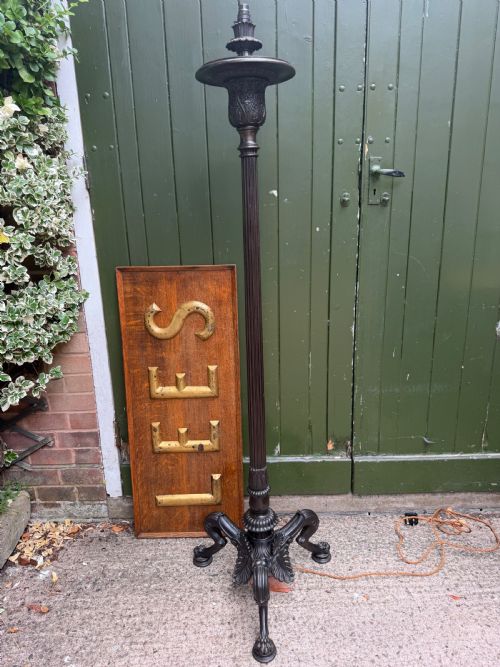
The pieces on this page range from small cabinet bronzes and wall sconces to substantial floor-standing standards and table lamps. French and Italian workshops dominate the output, translating mythological subjects and historical portraits into durable metal.
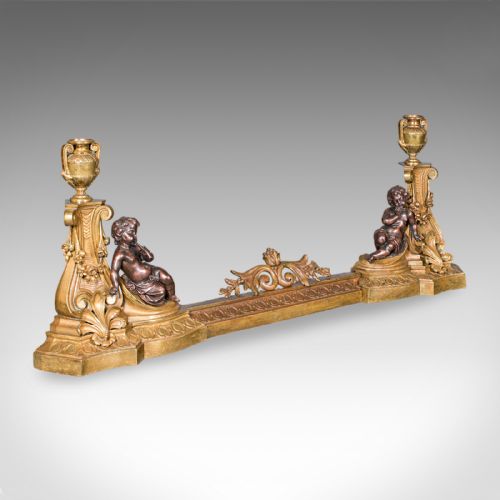
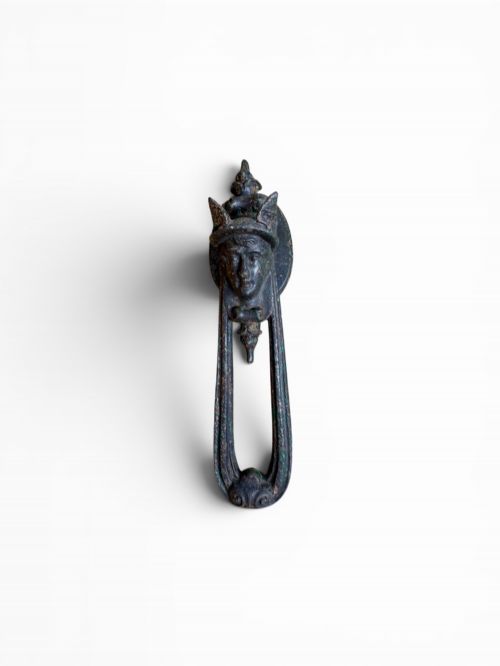
Domestic items such as door knockers, fire fenders and hall mirrors also appear, demonstrating how classical ornamentation permeated everyday nineteenth-century interiors. Patinated finishes and gilt highlights define the dominant visual language of these domestic bronzes.
Materials and casting methods
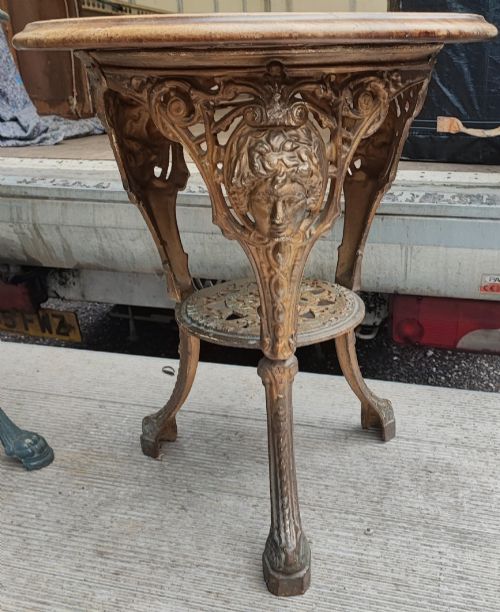
Makers utilised traditional foundry methods, pouring molten bronze or brass into moulds to capture fine anatomical details and crisp decorative reliefs. Cast iron serves as a heavier, alternative metal in utilitarian items like door knockers and standard lamps.
Surface treatments complete the process, employing chemical patination to achieve dark brown or green tones alongside mercury or electroplated gilding. Marble frequently acts as an integral base, providing stable weight and a contrasting pale texture for sculptural busts.
Classical Bronze Casting Retail Price Guide 2026
Typical asking prices for classical bronze casting among the pieces listed under this phrase on Sellingantiques today, from the lower quarter to the upper quarter. They describe what is for sale here now, not the wider market.
Even ancient Egyptian architecture gets a look-in, via patinated bronze Grand Tour sphinxes keeping watch over Victorian mantelpieces.
Judging the work
Signature placement and foundry stamps indicate commercial standing, while the weight and thickness of the metal reflect material investment. Integral bases and securely mounted marble plinths demonstrate structural integrity inherent to higher-grade workshop production.
Moreau Family·C J R Colinet·Georges-Charles Coudray·A Mercie·Emile Louis Picault·Sir Thomas Brock·Zoffoli
The Classical Bronze Casting Glossary
- Grand Tour
- A nineteenth-century travel tradition where wealthy tourists acquired bronze souvenirs modelled on classical antiquities in Italy.
- Patinated bronze
- Metal treated with chemical solutions to produce an aged surface colour, ranging from deep brown to verdigris green.
- Gilt bronze
- Metal coated with a thin layer of gold, providing a bright reflective surface popular in French decorative arts.
- Neoclassical
- A style drawing direct inspiration from the classical art and culture of ancient Greece and Rome.
- Ewer
- A large jug with a wide spout and ornate handle, commonly cast in bronze for decorative display or lighting.
Classical Bronze Casting: Frequently Asked Questions
What is classical bronze casting?
Classical bronze casting encompasses decorative objects, lamps and sculptures modelled after ancient Greek and Roman art. These pieces were predominantly manufactured during the nineteenth and early twentieth centuries.
Foundries used traditional metalworking techniques to reproduce historical figures, architectural ornaments and mythological scenes for domestic display.
How were these bronzes used?
Many items served practical domestic functions, including table lamps, wall sconces, door knockers and fireplace fenders. Others functioned purely as decorative sculptures or souvenir models placed on desks and mantelpieces.
Grand Tour bronzes allowed travellers to bring museum-scale antiquities into their private homes as symbols of education and taste.
How do I care for bronze?
Bronze requires minimal maintenance, relying mainly on gentle dusting with a soft, dry cloth to prevent grime accumulation. Avoid using chemical polishes, as abrasive cleaning strips the patinated surface layer.
Keep pieces away from direct moisture and extreme temperature fluctuations to preserve the stability of both the metal and any accompanying marble bases.
How can I tell a period casting apart?
Period pieces display casting techniques, patination methods and fastening screws consistent with nineteenth-century manufacturing standards. Examining the sharpness of the chasing and the wear on the underside helps establish age.
Signatures or foundry marks stamped into the metal often link the object to specific European workshops and known sculptors.