
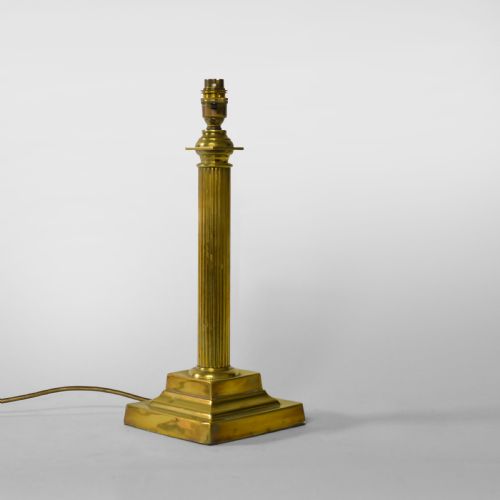
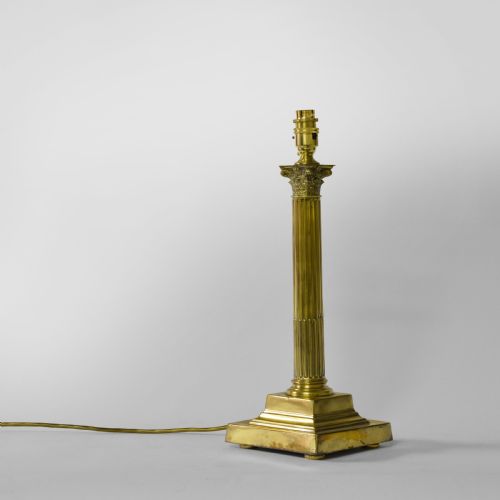


Classical Brass Lamp Base
A classical brass lamp base brings grounded weight and formal columns to a room, drawing on centuries of revival design.
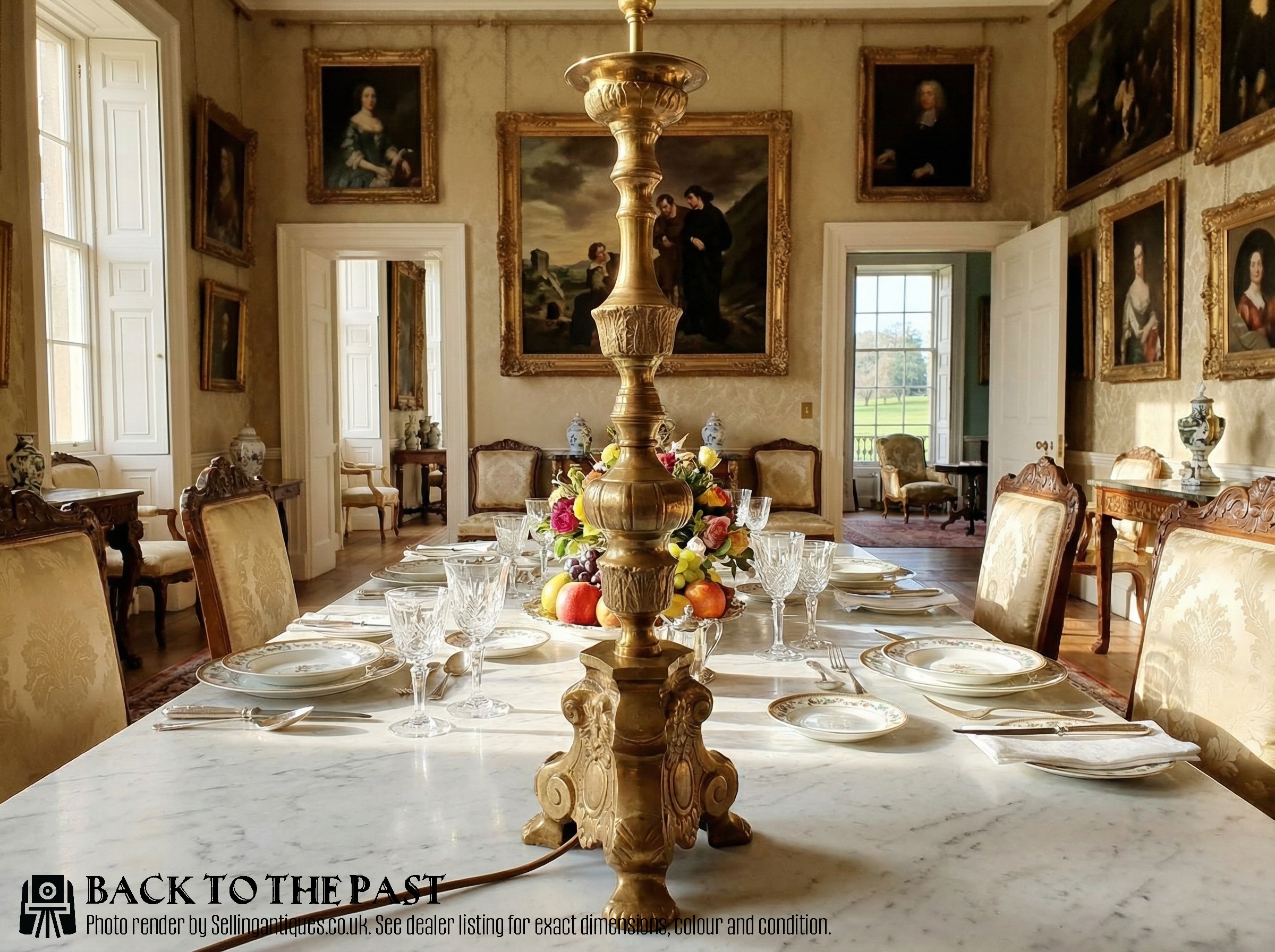
Classical Brass Lamp Base
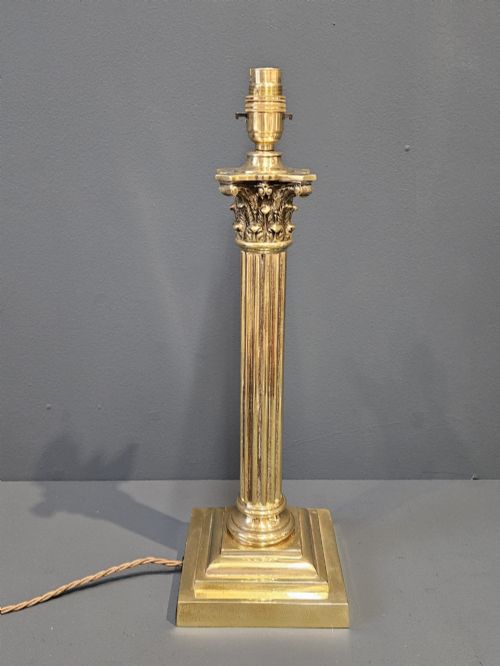
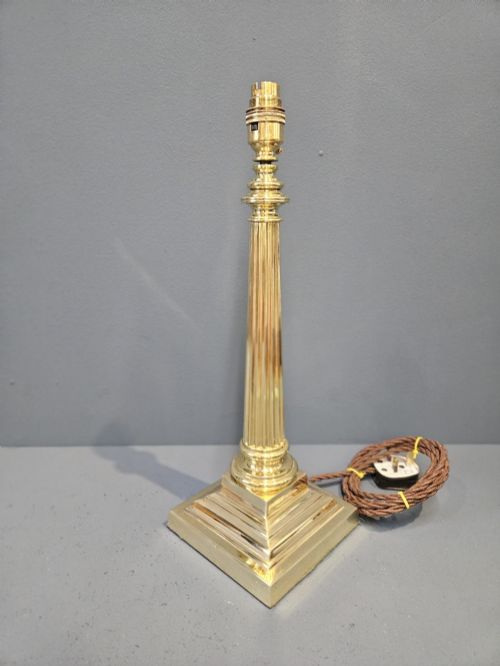
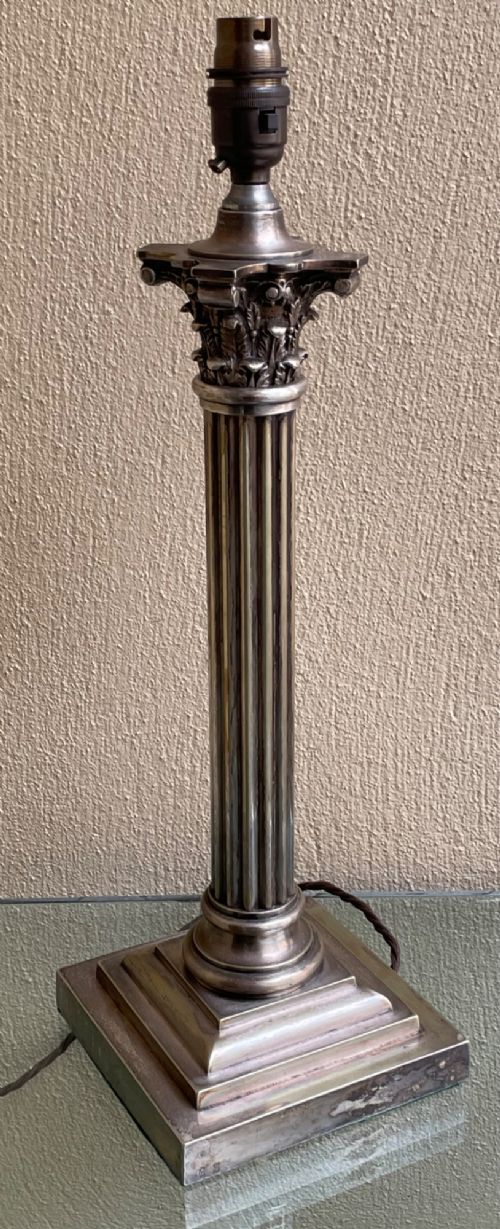
A classical brass lamp base grounds a room with formal architectural forms, drawing primarily on Victorian, Edwardian, and early twentieth-century revivals. When searching this phrase, buyers encounter upright columns, fluted shafts, and column bases intended to support either fabric shades or converted oil fittings.
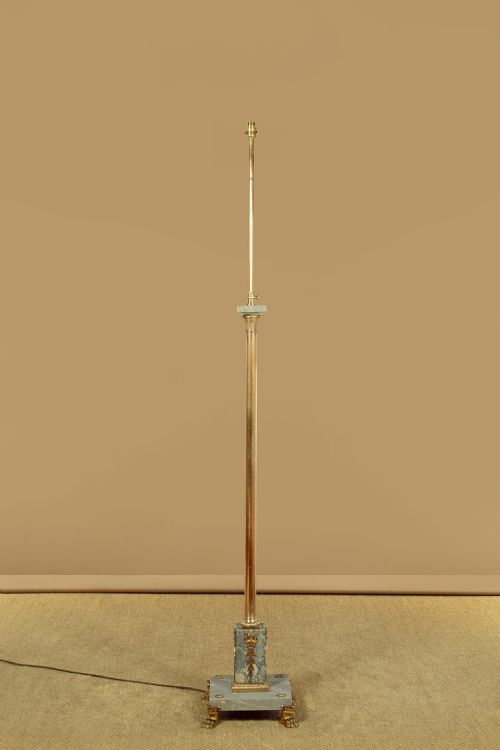
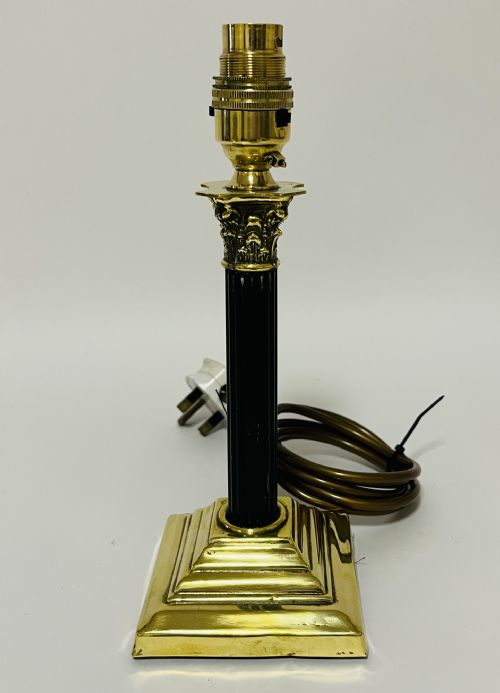
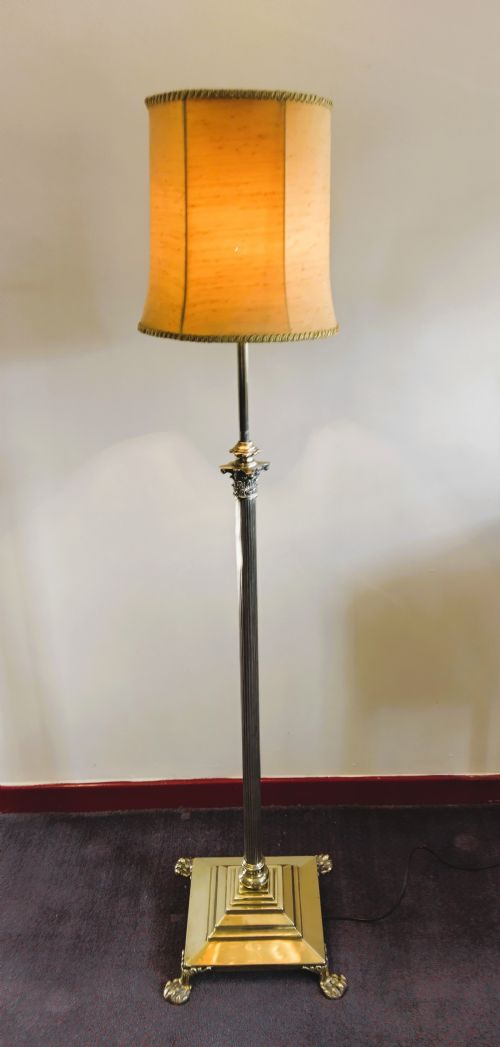
The most common examples on this page are Corinthian and ionic column table lamps from the Victorian and Edwardian periods. Alongside these smaller table lights, buyers also find taller standard and floor lamps standing on heavy brass or marble foundations.
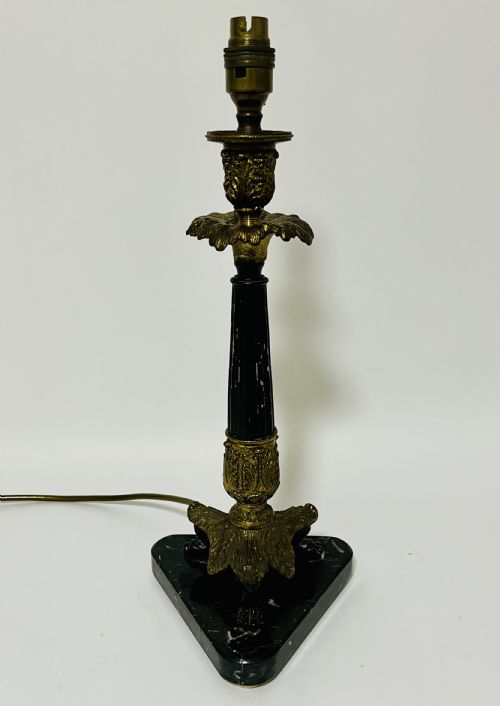
Origins stretch across English workshops and continental French centres, encompassing French Empire and Louis XVI styles. Many pieces originate as nineteenth-century oil lamps or candlesticks subsequently adapted for electric bulbs during the twentieth century.
Materials and Construction
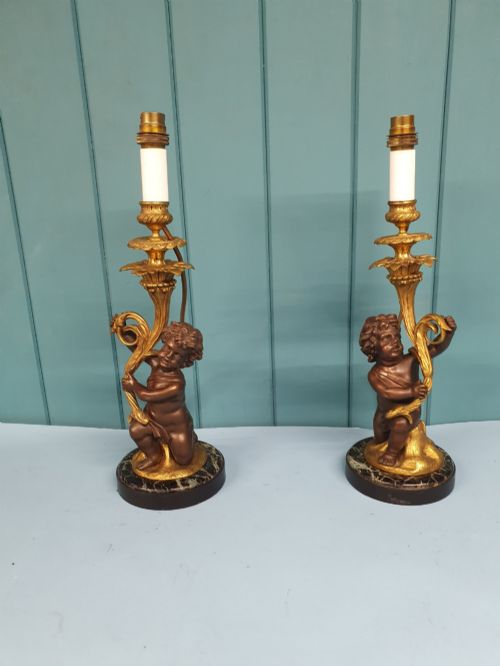
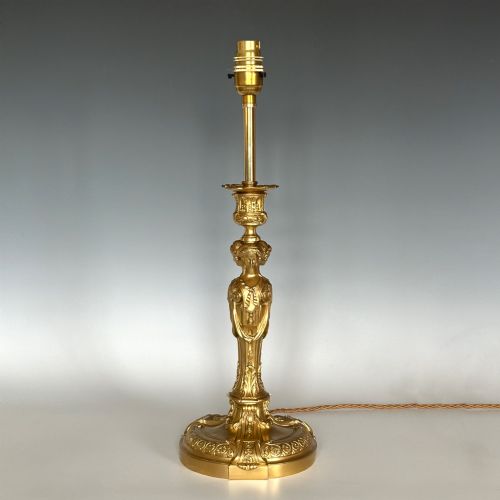
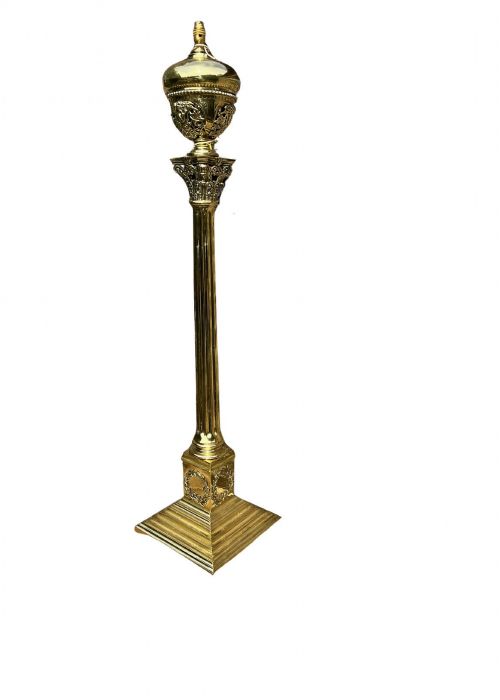
Foundations rely heavily on cast brass, often combined with white or green marble, onyx, and gilded ormolu. Metal elements include bronze and silver plating alongside plain brass, paired occasionally with fabric shades.
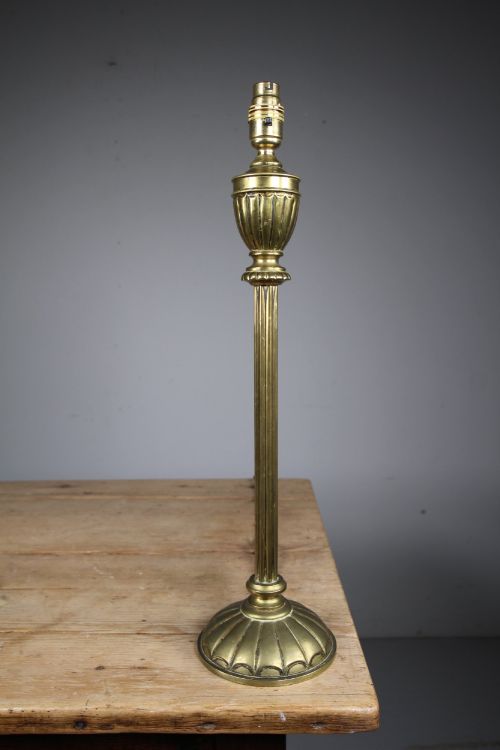
Columns and capitals receive detailed surface work, utilising reeded shafts, classical masks, and cast foliate motifs. Heavy bases frequently incorporate weighted interiors or marble plinths to stabilise tall standard and floor lamps.
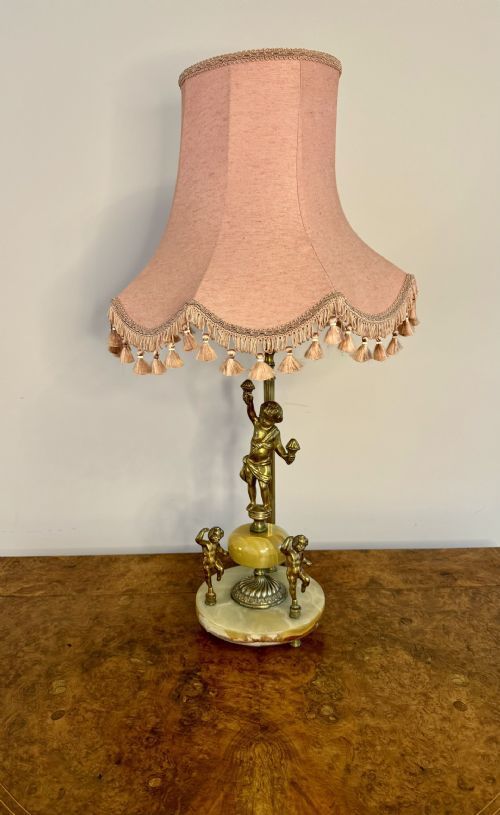
Several columns proudly disguise their domestic utility beneath theatrical French Empire bronze cherubs and Italian classical masks.
Judging Quality
Subtle distinctions in casting crispness and metal gauge separate standard production from finer workshop pieces. Superior examples display sharp definition in acanthus leaves on Corinthian capitals and substantial weight in the underlying brass or bronze.
Material combination also dictates distinction, where genuine marble or heavy ormolu mounts elevate an object above simpler spun-metal constructions. Proportions play a central role, with tall columns requiring balanced scale between the capital, shaft, and foot.
Dugourc
The Classical Brass Lamp Base Glossary
- Corinthian column
- An architectural order featuring an ornate capital decorated with rows of acanthus leaves. This motif appears frequently on nineteenth-century table lamp shafts.
- Ormolu
- Finely ground high-karat gold applied to a bronze or brass base using mercury amalgamation or electroplating. It provides a bright, lasting golden finish on decorative mounts.
- Reeded
- A decorative surface treatment comprising parallel convex mouldings placed closely together. It is commonly found running vertically up column shafts.
- Tole peinte
- Painted sheet metal used historically for shades or canisters. It introduces painted colour and decorative contrast to metal light fittings.
- Ionic column
- A classical architectural style distinguished by scroll-like spiral volutes on the capital. It offers a simpler profile than the Corinthian order.
Classical Brass Lamp Base: Frequently Asked Questions
What periods do these lamps come from?
These lamps span the Victorian, Edwardian, and early twentieth-century periods, alongside pieces dating from the nineteenth century. Many reflect earlier revivals such as French Empire and Neoclassical styles.
Production dates stretch from the eighteen-eighties through to the nineteen-twenties and nineteen-thirties. Older examples often began life as oil lamps or candlesticks before conversion.
How were these lamps originally used?
Many examples started as nineteenth-century oil lamps or heavy candlesticks that provided primary illumination in reception rooms and parlours. They sat upon desks, sideboards, and occasional tables to cast warm task or ambient light.
Over time, mechanics shifted as electricity replaced oil and candles. Workshops adapted the sturdy metal columns with internal wiring and lampholders to suit modern domestic spaces.
How do I style a classical brass lamp base?
Place a heavy column lamp on a dark wood sideboard or marble console table to anchor the corner of a room. The formal architectural lines suit traditional studies and drawing rooms alike.
Pair the metal base with a simple fabric shade to soften the directional light. Taller standard lamps work effectively beside armchairs or reading desks where height provides balanced illumination.
How do I tell column styles apart?
Corinthian columns display ornate capitals filled with carved acanthus leaves and delicate scrolls. They offer the most decorative silhouette among standard lamp bases.
Ionic columns feature distinctive spiral scroll motifs, known as volutes, on either side of the capital. Plain or reeded shafts without capitals indicate simpler neoclassical or architectural designs.