



Classical Art Decor
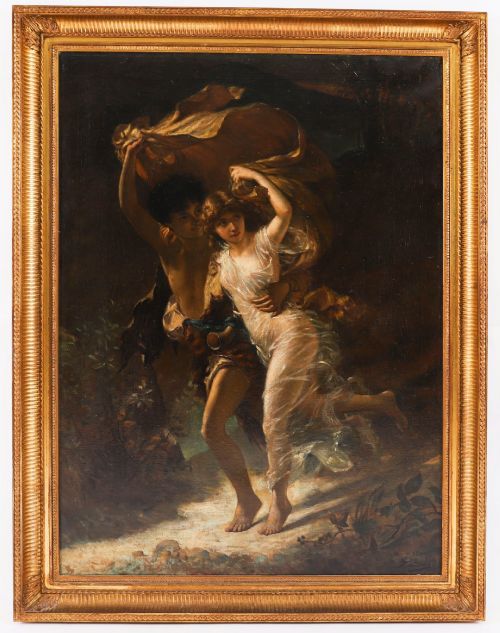
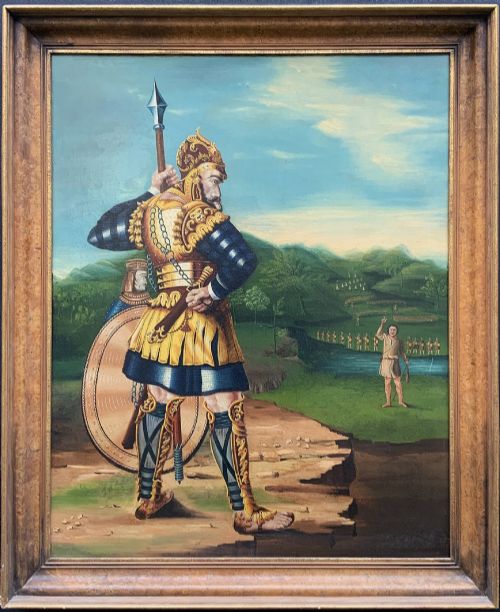
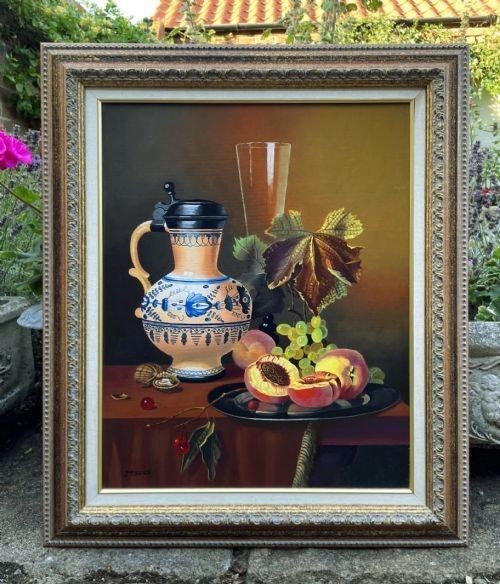
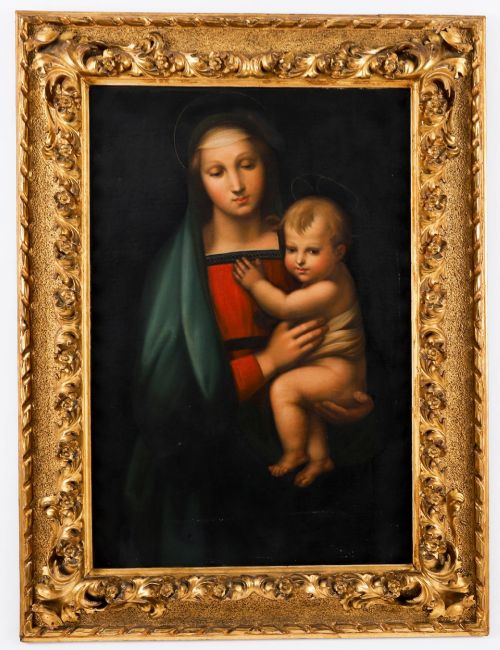
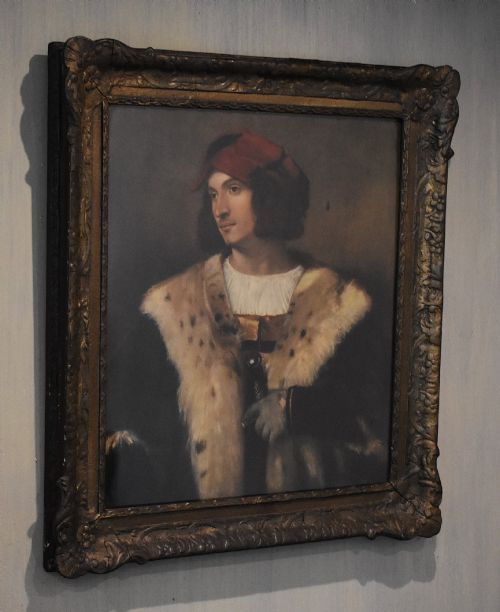
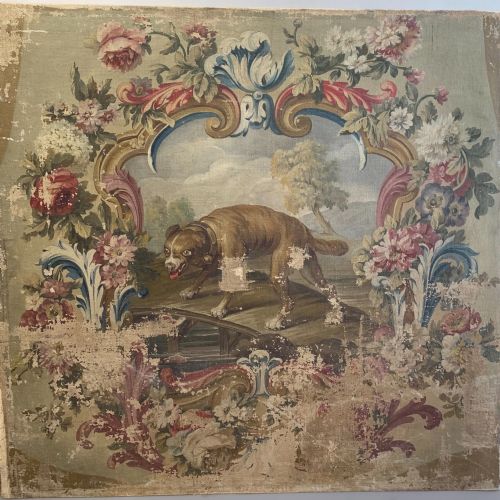
Classical art decor spans centuries of oil paintings, carved plaques, and framed prints that bring historical refinement directly into a room.
Classical Art Decor
When searching for classical art decor, buyers encounter a diverse selection of oil paintings, framed prints, and carved wall plaques spanning multiple centuries.
The objects on this page originate predominantly from the eighteenth and nineteenth centuries, alongside mid-twentieth-century interpretations and reproductions of earlier masterworks.
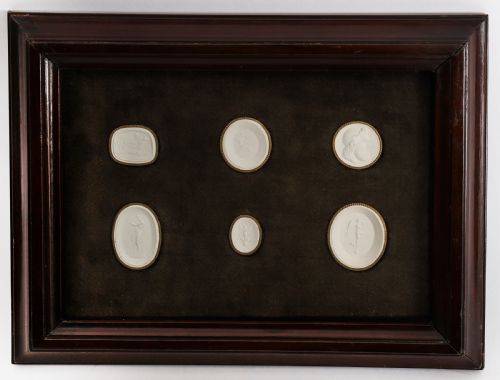
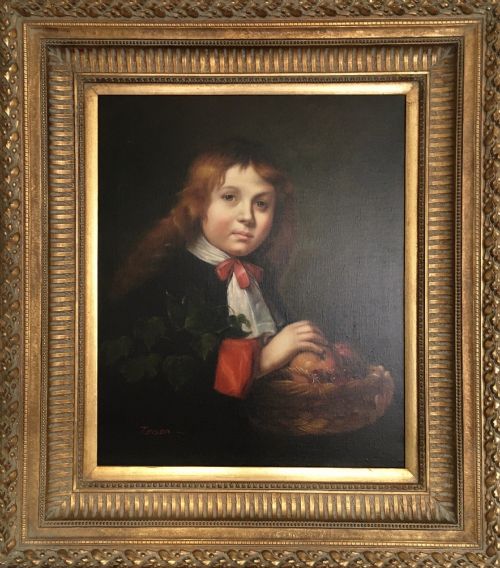
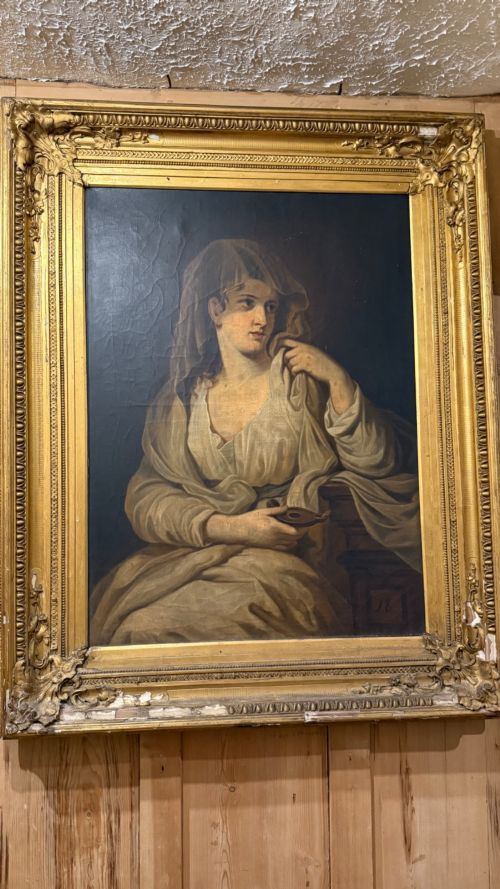
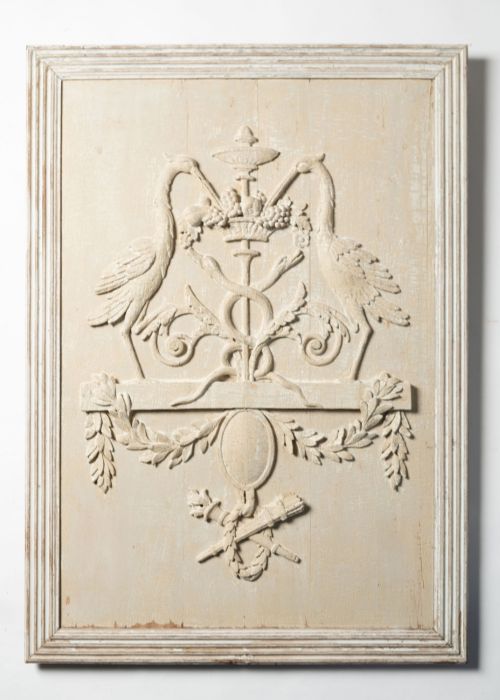
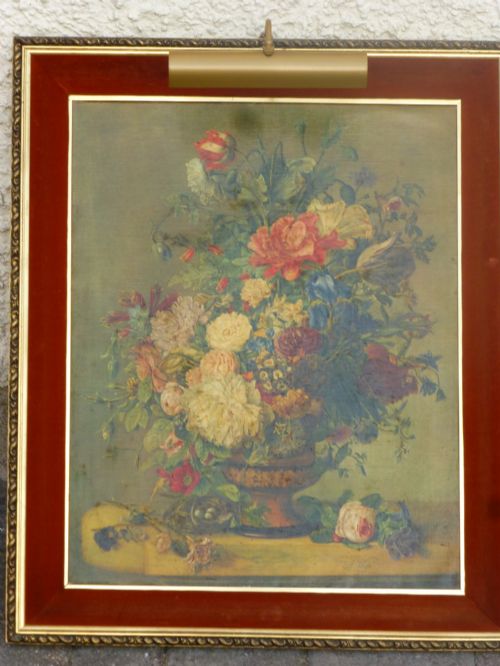
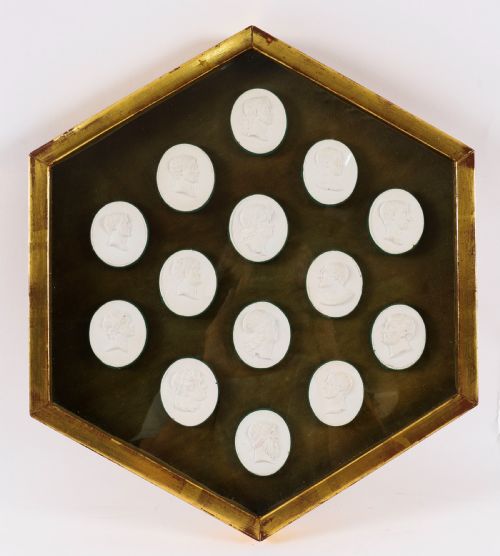
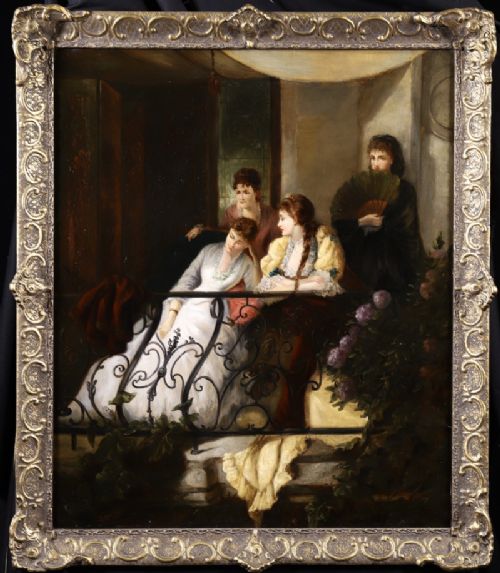
Forms range from grand floral still lifes and portraiture to architectural plaster friezes, carved wooden panels, and framed Grand Tour intaglios.
How they were made
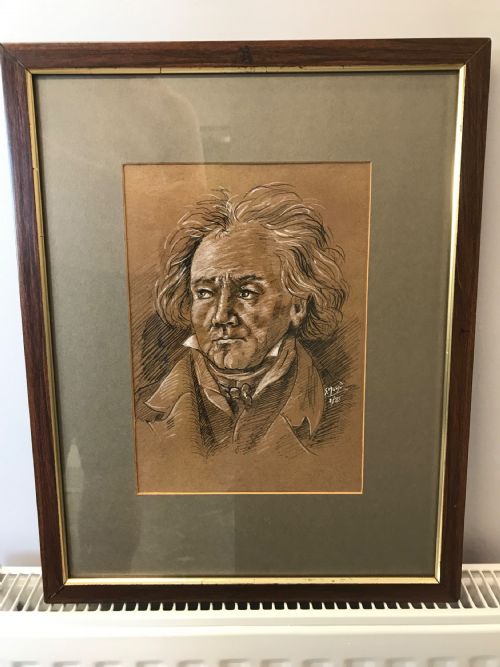
Makers utilised traditional oil paint on canvas, watercolour, gouache, and ink on paper, often employing wood, glass, and gold leaf for framing and structural support.
Sculptural elements and wall plaques rely on carved walnut, mahogany, and cast plaster, demonstrating manual dexterity in relief work and decorative moulding.
Classical Art Decor Retail Price Guide 2026
Typical asking prices for classical art decor among the pieces listed under this phrase on Sellingantiques today, from the lower quarter to the upper quarter. They describe what is for sale here now, not the wider market.
Listings feature oil paintings, wall art, framed prints, carved wooden panels, plaster cast wall friezes, and intaglios.
What varies in quality
Quality separates original academic and portrait works from mid-twentieth-century embellished oileographs and mechanical prints through the handling of paint and precision of detail.
The depth of carving in wooden panels and the crispness of detail in plaster casts and intaglios distinguish master craftsmanship from standard production.
Jean Baptiste Isabey·Franz Xaver Winterhalter·William Adolph Bouguereau·Jean-baptiste Greuze·Anton Weiss
The Classical Art Decor Glossary
- Neoclassical
- A style originating in the mid-eighteenth century inspired by the art and culture of classical antiquity. It favours symmetry, straight lines, and heroic motifs.
- Intaglio
- A gem or gemstone carved in incasso so that the design is depressed below the surface. Grand Tour collectors frequently acquired these framed as sets.
- Oleograph
- A type of chromolithography textured to imitate an oil painting on canvas. These became common reproduction methods in the nineteenth and twentieth centuries.
- Plaster Cast
- A copy of a sculpture made by pouring plaster into a mould. Large wall friezes and cherubs were frequently produced using this technique.
- Toile de Jouy
- A type of cotton fabric featuring characteristic pastoral printed designs. Fragments are often framed as historical textile art.
Classical Art Decor: Frequently Asked Questions
What periods do these pieces cover?
The inventory covers items stretching from the eighteenth century through the Victorian era and the mid-twentieth century.
Pieces include both period originals and later interpretations styled after older traditions.
How were wall plaques used?
Carved wooden panels and plaster friezes were designed to adorn interior walls in period homes.
They often depict classical motifs, cherubs, or architectural ornaments.
What is an oileograph?
An oileograph is a mechanical print treated with texture to simulate the appearance of an oil painting.
Many depict historical portraits after famous nineteenth-century painters.
How do I identify a Grand Tour intaglio?
Grand Tour intaglios are small carved stones or glass casts assembled into framed collections.
Travellers brought these back from cultural tours of Italy during the nineteenth century.