





Classic Wristwatch
A classic wristwatch carries mid-century design on the wrist, offering mechanical movement and enduring style from decades past.
Classic Wristwatch
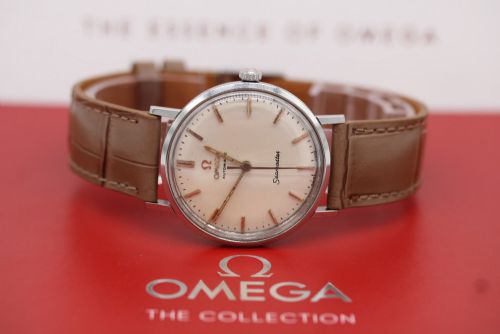
A classic wristwatch represents portable timekeeping from the 1930s through the 1960s, encompassing manual wind and automatic mechanical pieces. When exploring this category, buyers encounter wristwatches spanning distinct decades of horological production.
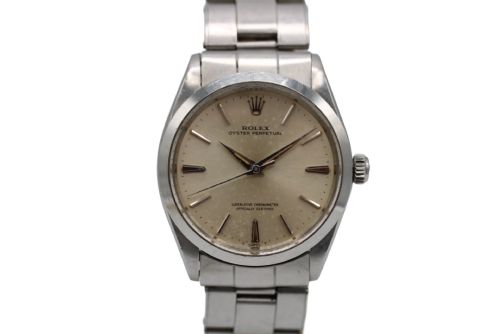
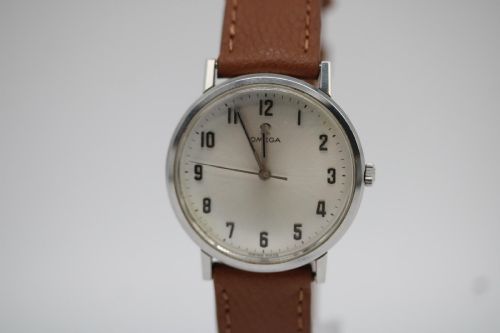
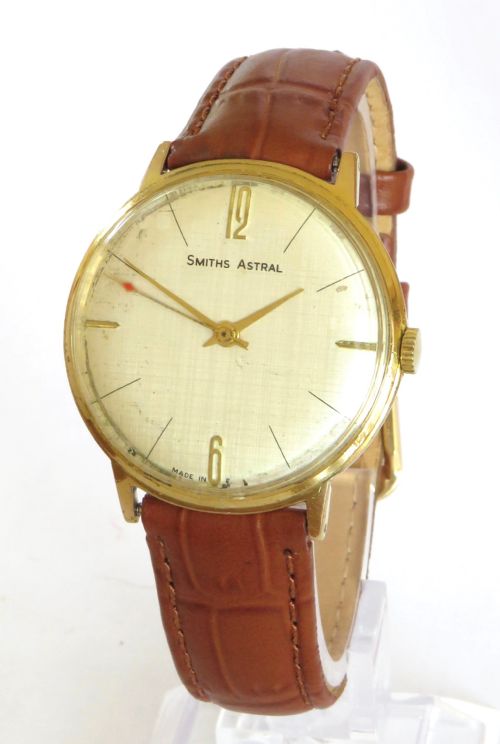
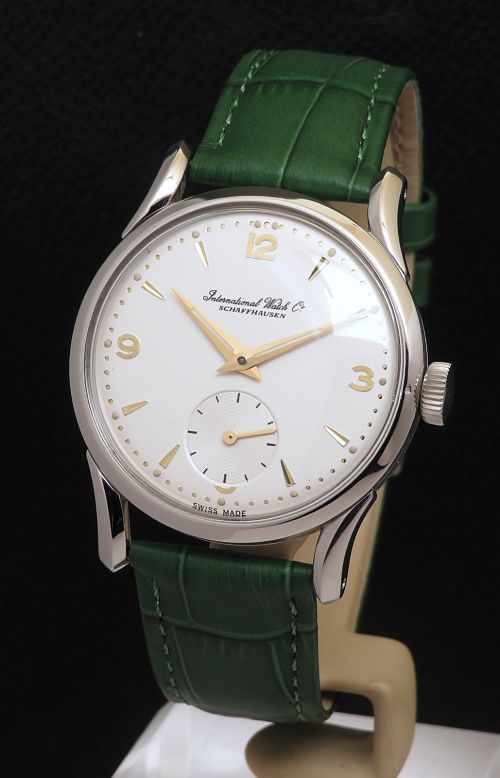
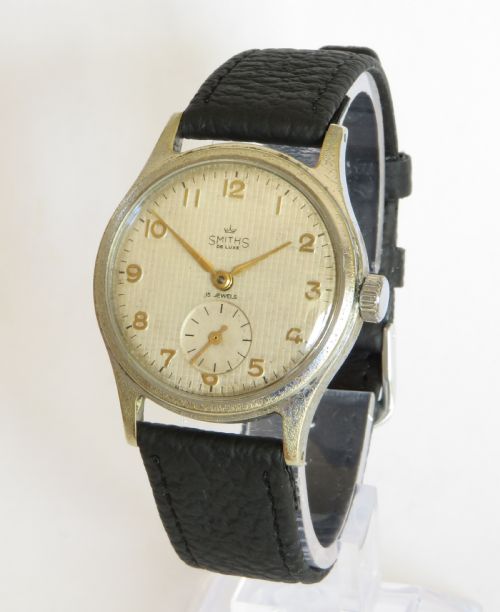
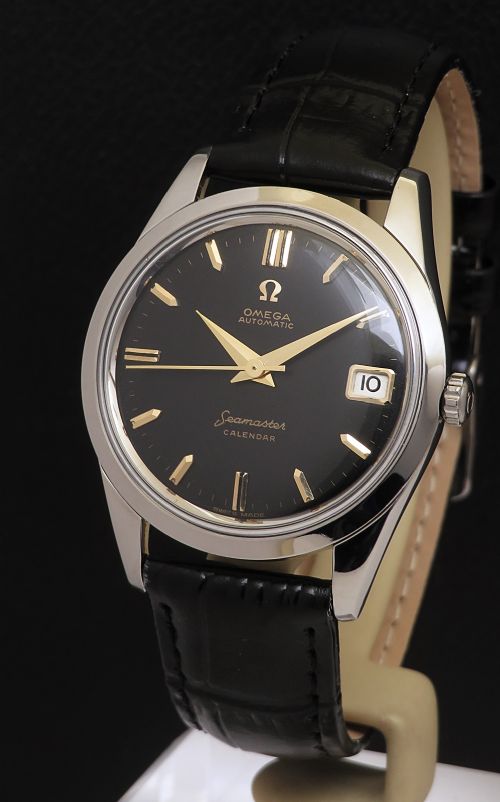
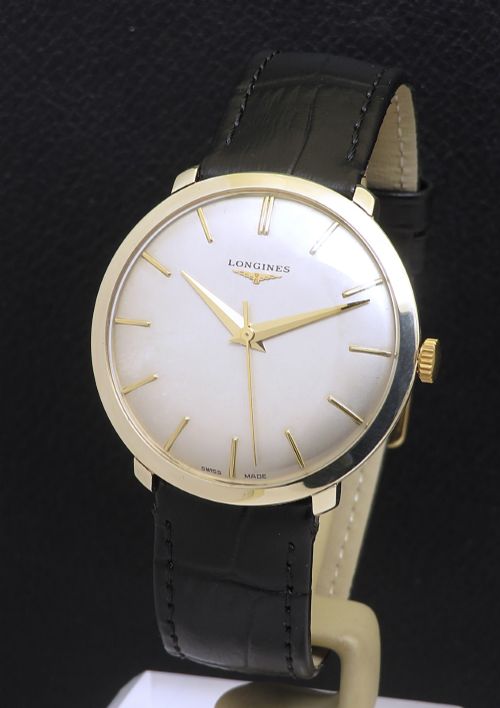
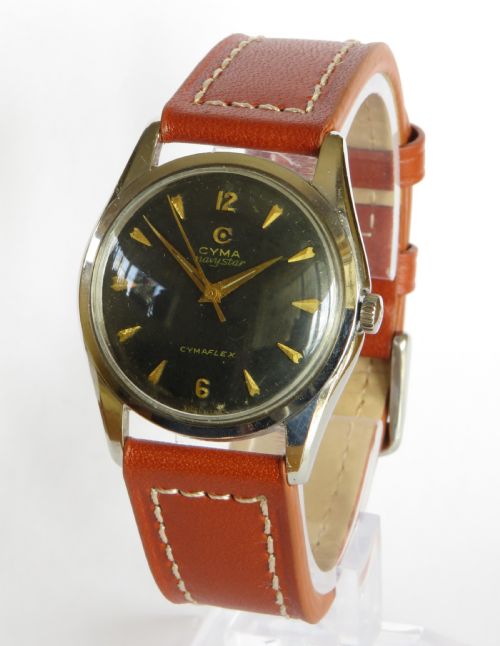
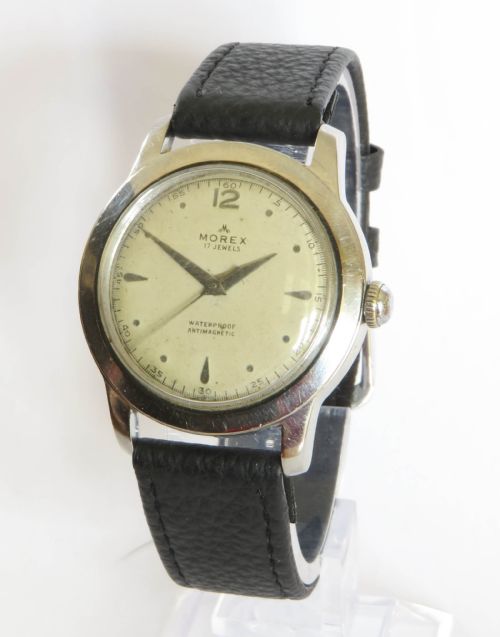
The most common examples on this page hail from the 1950s and 1960s, featuring stainless steel or gold cases paired with leather straps. These forms reflect Mid-Century Modern and Art Deco styles translated into everyday accessories.
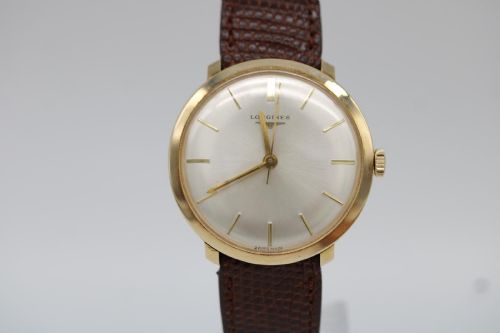
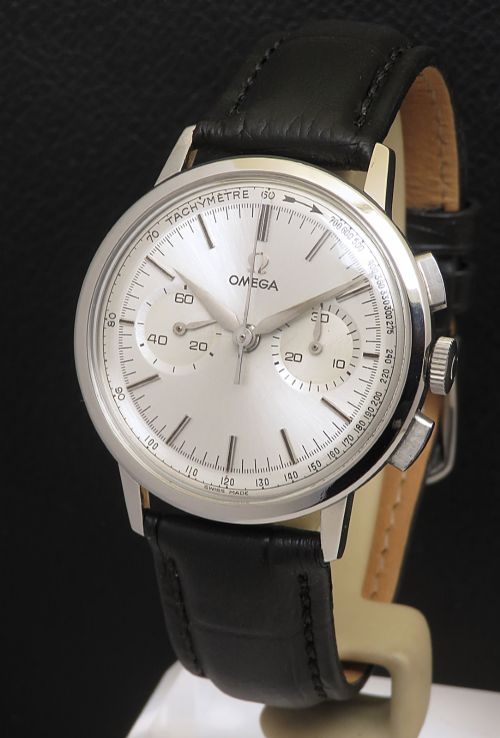
Origins range from Swiss manufactures to British workshops, including names such as Omega, Longines, and Smiths. Each piece demonstrates the wearable engineering typical of its period of manufacture.
Materials and construction
Cases utilise stainless steel, chrome, gold plate, and solid 9ct gold, housing intricate mechanical movements driven by springs and gears. Dials are protected by glass or acrylic crystals, often fitted over metal faces with applied markers.
Straps are predominantly fashioned from leather to secure the watch comfortably to the wrist. Manufacturing techniques combine stamped metal cases with hand-assembled internal calibres designed for regular maintenance.
Classic Wristwatch Retail Price Guide 2026
Typical asking prices for classic wristwatch among the pieces listed under this phrase on Sellingantiques today, from the lower quarter to the upper quarter. They describe what is for sale here now, not the wider market.
Some watches feature a subtle smiley dial curve, giving serious vintage engineering a cheerful personality.
Distinctions in quality
Quality varies between standard production movements and chronometer-grade calibres designed for higher precision. The choice of precious metals like solid 9ct gold elevates a piece above standard chrome or gold-plated alternatives.
The degree of original preservation, such as untouched dials versus restored surfaces, influences the character of the watch. Precision in finishing, case weight, and movement complexity distinguish standard models from top-tier examples.
International Watch Company IWC·Omega·Longines·Smiths·Tudor·Rolex·Bulova·Cyma
The Classic Wristwatch Glossary
- Manual wind
- A movement powered by hand by turning the crown to wind the mainspring. This traditional mechanism requires daily attention to maintain operation.
- Automatic
- A self-winding movement that uses the natural motion of the wearer's arm to power the watch. An internal rotor spins to tension the mainspring.
- Calibre
- The specific internal movement design created by a watch manufacturer. Collectors reference this number to identify the mechanical heart of the timepiece.
- Chronometer
- A high-precision watch movement that has passed official accuracy tests. These mechanisms are adjusted to maintain exact time across various temperatures and positions.
- Acrylic
- A lightweight, shatter-resistant plastic used for watch crystals during the mid-century period. It can be polished to remove surface scratches.
Classic Wristwatch: Frequently Asked Questions
How do I wind a manual watch?
Rotate the crown gently between your thumb and forefinger clockwise until you feel slight resistance. Stop immediately at that point to avoid overwinding and damaging the internal spring.
Perform this action at approximately the same time each day to maintain consistent tension and accurate timekeeping.
Can I wear a vintage watch daily?
Many of these pieces were built for everyday wear and continue to function reliably with sensible care. Regular servicing keeps the internal gears lubricated and operating smoothly.
Avoid exposing older pieces to water or heavy impacts, as vintage waterproof seals and delicate movements lack modern shock resistance.
What is an automatic bumper movement?
An early self-winding mechanism where an internal weight swings back and forth rather than rotating in a full circle. Springs bumper the weight back in the opposite direction as it moves.
Wearers can often feel a slight tap on the wrist as the weight strikes the internal bumpers during normal arm movement.
How do I determine the decade of a watch?
Examine the overall design language, dial typography, and case proportions alongside the movement calibre number. Art Deco indicators point toward the 1930s, while clean minimalist lines often suggest the 1950s or 1960s.
Reference numbers and serial numbers stamped on the case or movement can also be cross-referenced with manufacturer production ledgers.