



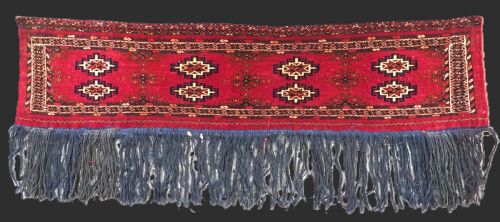


Classic Wool Rug
When you choose a classic wool rug, you bring home a hand-knotted piece of textile history shaped by Persian, Turkmen and Caucasian traditions.
Classic Wool Rug
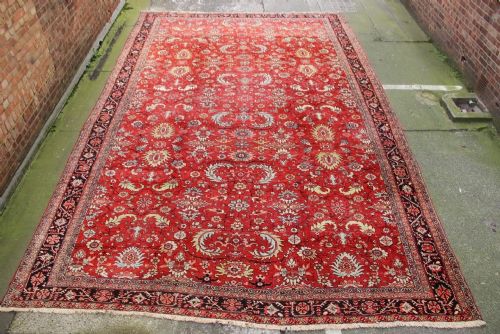
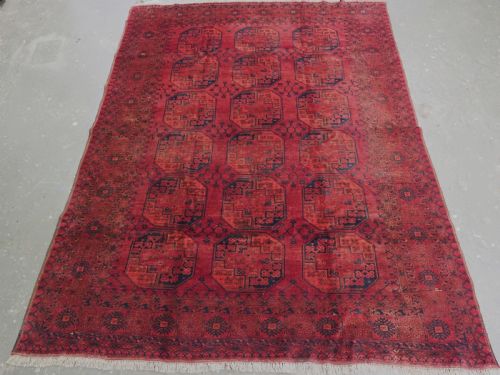
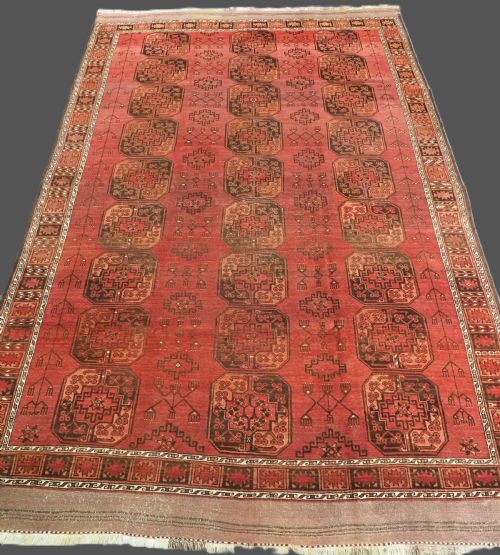
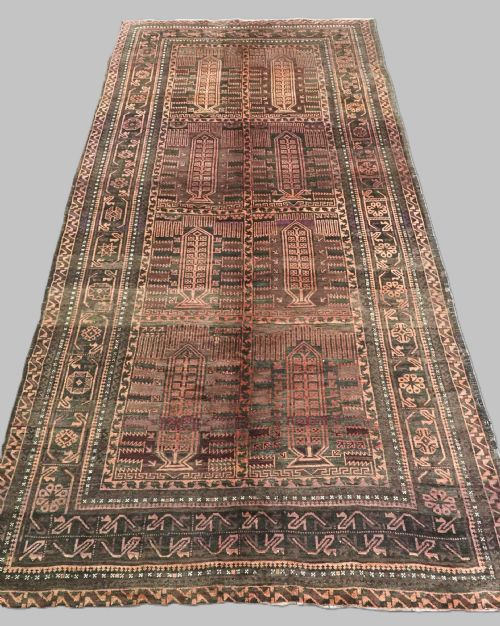
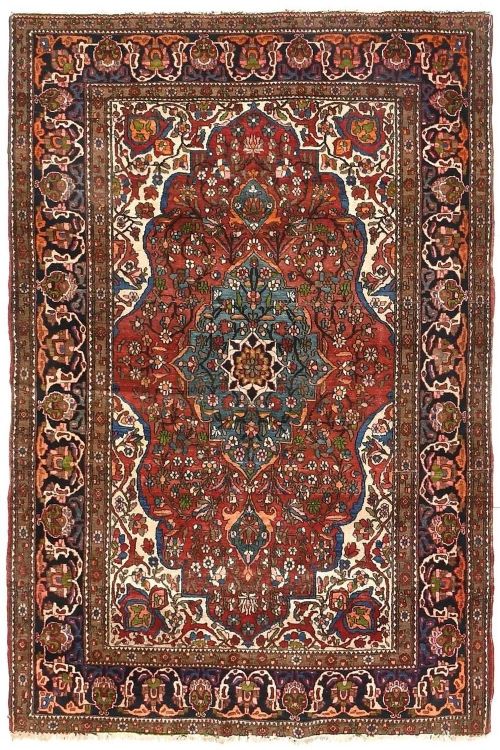
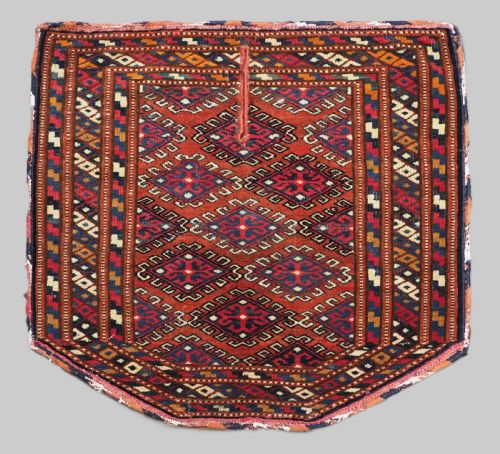
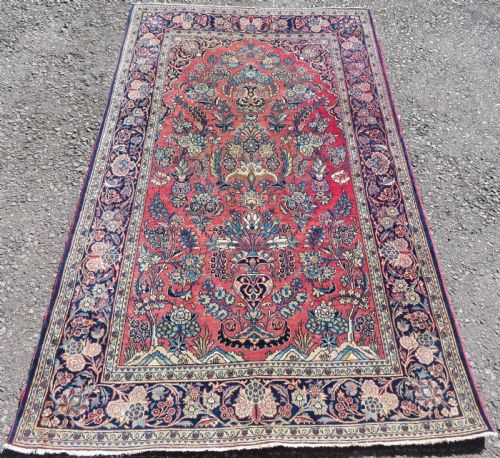
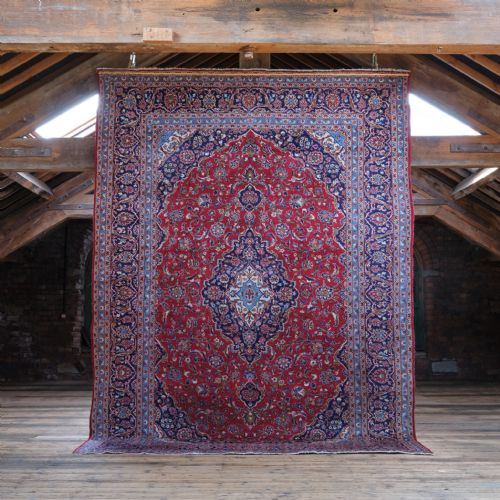
A classic wool rug encompasses antique floor coverings and textiles originating from regions including Persia, Turkey, the Caucasus and Central Asia. These pieces date from the mid-nineteenth century through the early twentieth century, spanning styles such as Heriz, Kashan, Isfahan and Ersari Turkmen. Buyers encounter formats ranging from large room-size carpets down to smaller village rugs, prayer rugs and storage bags.
The materials reflect traditional nomadic and workshop weaving methods, combining wool pile with cotton foundations and occasional goat hair details. Natural dyes provide the palette, yielding warm reds, soft neutrals and deep blues that mature gracefully over decades of use. Each item displays distinct regional motifs, from tribal medallions to intricate geometric repeats.
Assessing quality and character
Knot density and structural tightness dictate the precision of the design and the resilience of the pile under foot traffic. Finer weaves allow for intricate curves and detailed medallion outlines, whereas coarser tribal pieces prioritise bold geometric graphics.
The integrity of the wool and the stability of the foundation threads determine longevity. Even wear across the surface indicates balanced usage, while original borders and complete selvedges preserve the intended proportions of the composition.
Classic Wool Rug Retail Price Guide 2026
Typical asking prices for classic wool rug among the pieces listed under this phrase on Sellingantiques today, from the lower quarter to the upper quarter. They describe what is for sale here now, not the wider market.
Some nineteenth-century Turkmen storage bags retain traces of goat hair woven into the edges, included by weavers to ward off bad luck.
The Classic Wool Rug Glossary
- Abrash
- Natural tonal variation within a field of colour caused by differences in dye batches or hand-spun wool. This irregularity adds depth to the surface.
- Warp
- The vertical foundation threads stretched tightly on the loom before knotting begins. These cotton or wool cords support the entire weight of the textile.
- Weft
- The horizontal threads passed through the warp rows between lines of knots to lock the pile in place. They determine the structural firmness of the fabric.
- Medallion
- A symmetrical central ornament placed in the field of the rug. It forms the focal point of many traditional Persian and Caucasian layouts.
- Selvedge
- The reinforced finishing on the side edges of a rug. It protects the outer warp threads from fraying during daily use.
Classic Wool Rug: Frequently Asked Questions
How do I clean an antique rug?
Regular gentle vacuuming without a beater bar removes surface dust and grit from the wool fibres. Professional specialist cleaning remains essential for deep washing to protect the natural dyes.
Avoid harsh chemical detergents or soaking the cotton foundation. Prompt action on spills prevents moisture from setting into the wool pile.
Where should I place these rugs?
These textiles suit low-to-medium traffic living spaces, studies or bedrooms where heavy furniture will not obscure the central design. Using a breathable underlay prevents slipping and cushions the foundation against hard floors.
Keep woven pieces away from direct, prolonged sunlight to prevent fading of natural dyes over time.
How do I identify the regional style?
Examine the specific geometry of the border motifs and the structure of the central medallion. Heriz rugs typically display bold angular corners, while Kashan pieces show refined curvilinear floral sprays.
Palettes also offer clues, such as the warm reds characteristic of Afghan Ersari weaves or the soft secondary tones found in Caucasian Kazak examples.
What does pile height indicate?
Pile height reflects the original intended function and the degree of wear a piece has experienced over its lifespan. Village and tribal rugs often feature a slightly thicker, sturdier pile for warmth.
Shorter pile depths on fine workshop carpets allow intricate motifs to remain crisp and legible. Uniform wear across the surface demonstrates honest age.