







Classic Wall Decor
Classic wall decor spans centuries of oil paintings, framed prints, and film posters that bring character and history directly to your rooms.
Classic Wall Decor
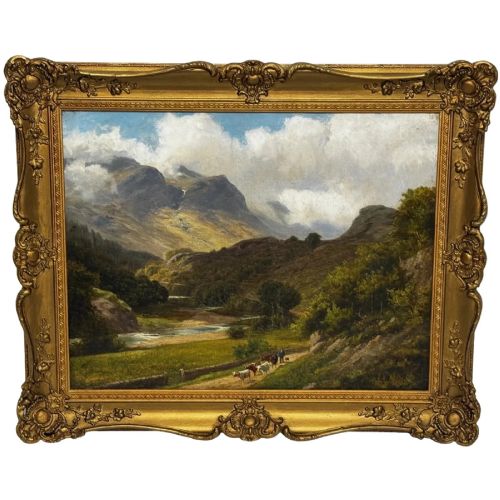
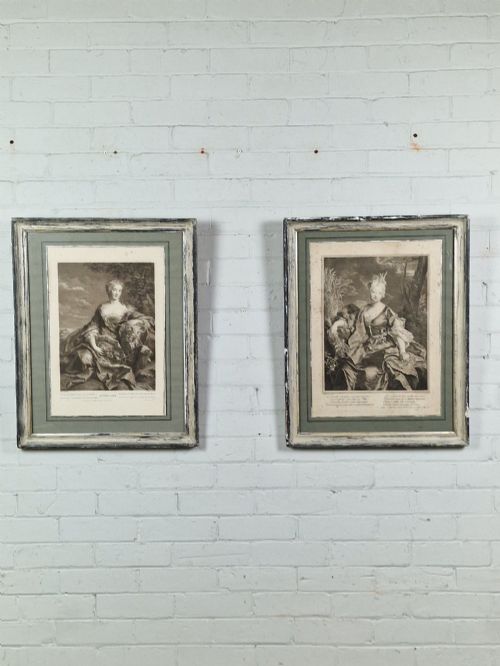
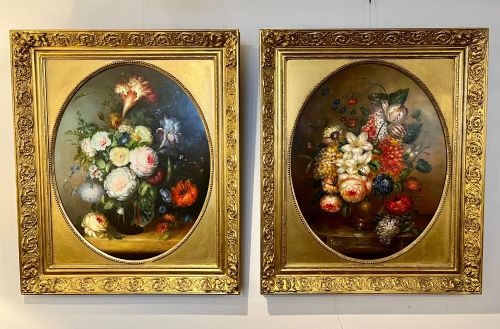
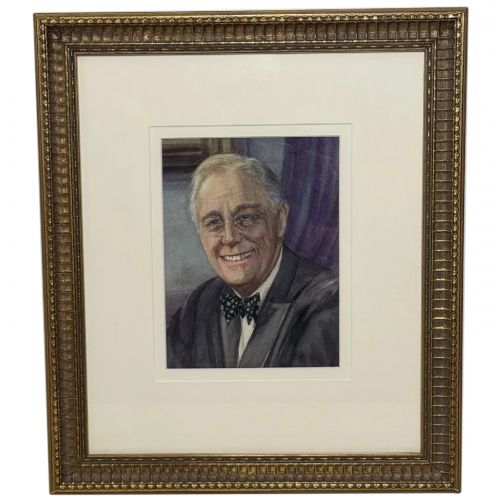
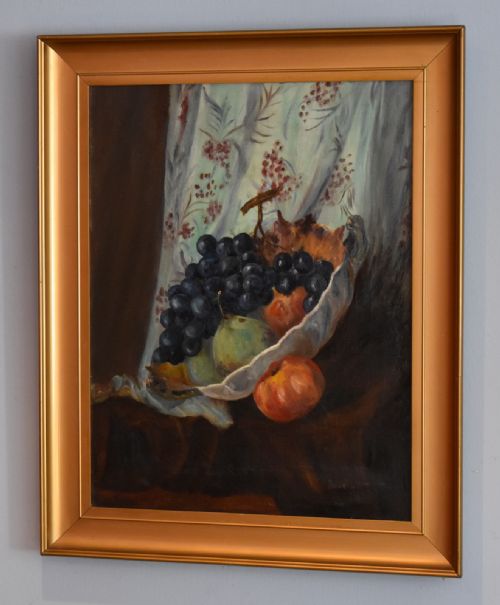
Classic wall decor encompasses a diverse selection of artworks ranging from 17th century portraits to mid-century film posters and traditional oil paintings. These pieces fill spaces with historical depth, featuring subjects as varied as Lake District landscapes, Dutch style still lifes, and equine studies.
The most common forms you will encounter on this page are framed oil paintings and period prints rendered on canvas, paper, and wood. From Victorian landscapes to 1940s cinema advertising, these works reflect centuries of domestic interior decoration.
The origins stretch across English, French, Dutch, and Spanish schools, offering a broad geographic spread of artistic traditions. Whether you select a Georgian gentleman's portrait or an Art Deco still life, each piece serves as a focal point for traditional and eclectic interiors.
Materials and Techniques
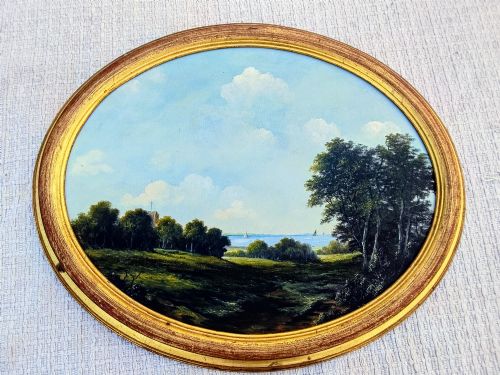
Many of these works utilise traditional oil paint applied to canvas, wood panels, or board, often secured within gilded wood frames. Painters built up compositions using layered brushwork, capturing texture in subjects like fruit, fabric, and water.
Printmakers employed engraving and lithography on paper to produce detailed works such as 18th century French engravings and vintage film posters. These techniques allowed for crisp lines and tonal depth, preserving illustrative detail across decades of display.
Classic Wall Decor Retail Price Guide 2026
Typical asking prices for classic wall decor among the pieces listed under this phrase on Sellingantiques today, from the lower quarter to the upper quarter. They describe what is for sale here now, not the wider market.
Listings on this page feature works spanning from the 17th century through the 1960s, executed in oil paint, engraving, and lithography.
Assessing Quality
Quality in these works lies in the execution of the subject, the handling of light and shadow by the artist, and the preservation of the original surface. Finer paintings demonstrate confident brushwork and anatomical accuracy in portraits or naturalism in still lifes.
The integrity of the framing and the condition of the canvas or paper surface also distinguish the pieces. Original gilding on wooden frames and stable, unlined canvases command greater appreciation from collectors seeking untouched historical items.
JOHN HAYLS·Arthur Hacker·Franz Xaver Winterhalter·Christoffel Bisschop·E. Cremer
The Classic Wall Decor Glossary
- Oil on Canvas
- A painting execution method where pigments suspended in drying oil are applied to stretched canvas fabric. This technique allowed artists to achieve rich colour saturation and subtle blending.
- Engraving
- A printmaking process where an image is incised into a metal plate, usually copper or steel, holding ink in the grooves to transfer onto paper. It produces sharp, highly detailed lines.
- Still Life
- An artwork depicting mostly inanimate subject matter, typically commonplace objects like fruit, glassware, or flowers. These compositions allowed artists to showcase mastery of texture and lighting.
- Portrait
- A painting, photograph, or other artistic representation of a person in which the face and its expression is predominant. Historical examples often recorded the status and likeness of notable individuals.
- Gilt Wood
- Wood that has been coated with a thin layer of gold leaf or gold paint. This finish frequently adorns period picture frames to add warmth and decorative richness.
Classic Wall Decor: Frequently Asked Questions
How do I hang heavy framed oil paintings?
Heavy framed oil paintings require robust picture wire and sturdy wall hooks fixed directly into masonry or wall studs to bear the weight safely.
Ensure the hanging height positions the centre of the artwork at approximate eye level for balanced viewing within your room.
Where should I place antique wall art?
Place antique wall art away from direct sunlight and damp areas to protect vulnerable canvas, paper, and gilded wooden frames from environmental degradation.
Living rooms, hallways, and dining spaces provide stable indoor climates where these decorative pieces can be enjoyed daily.
How can I tell the age of a frame?
Examine the construction methods at the reverse of the frame, looking for handmade joinery, old corner blocks, and aged gesso application.
Original frames often show genuine wear and patination that match the estimated period of the artwork they enclose.