

Classic Silver Timepiece
A classic silver timepiece provides enduring utility, ranging from wristwatches of the mid-twentieth century to Edwardian carriage clocks.
Classic Silver Timepiece
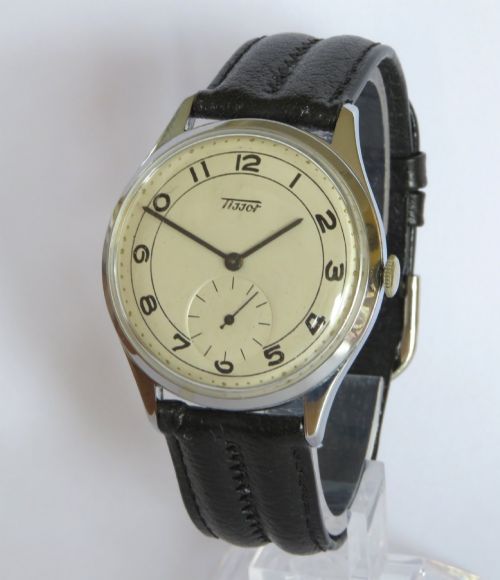
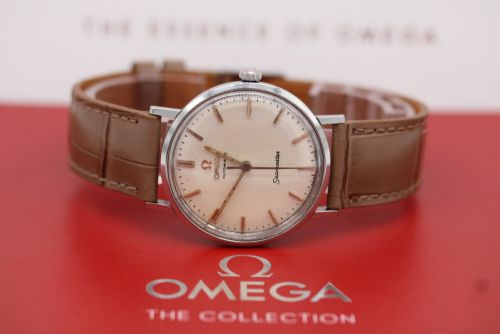
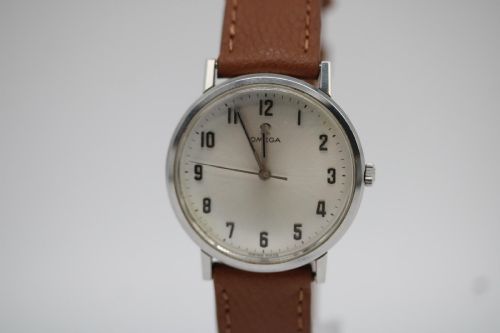
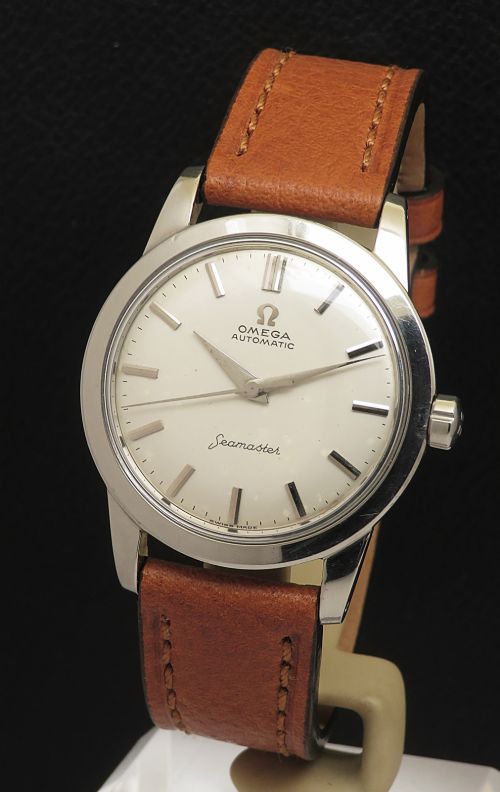
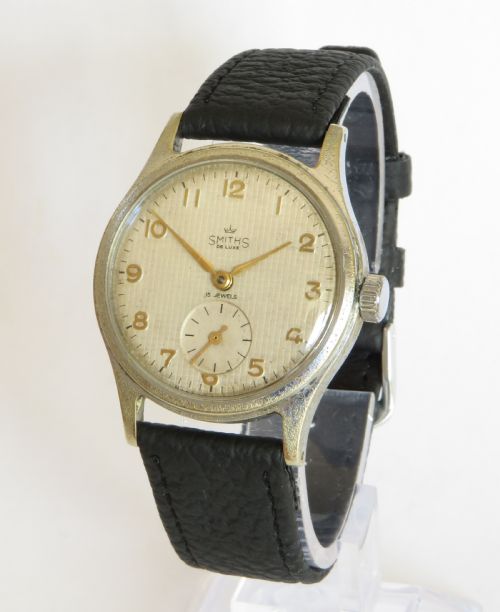
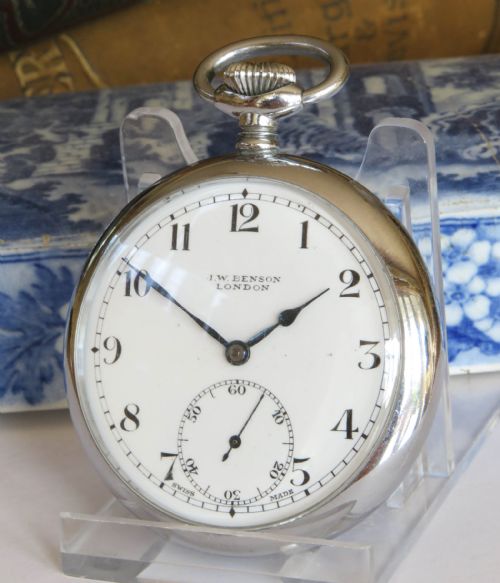
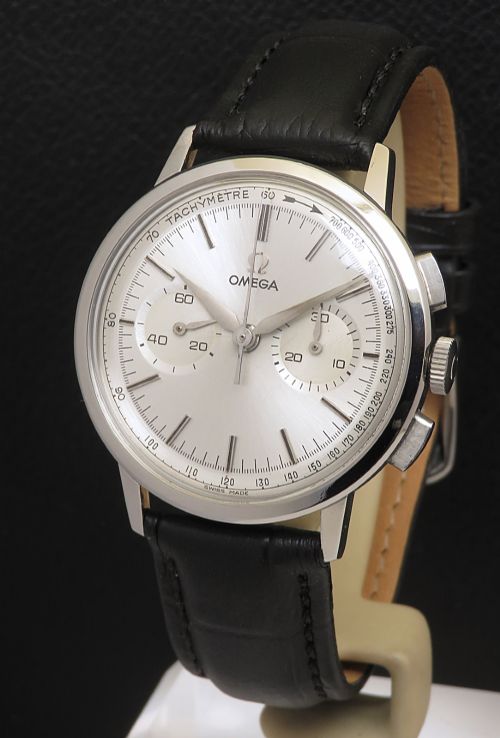
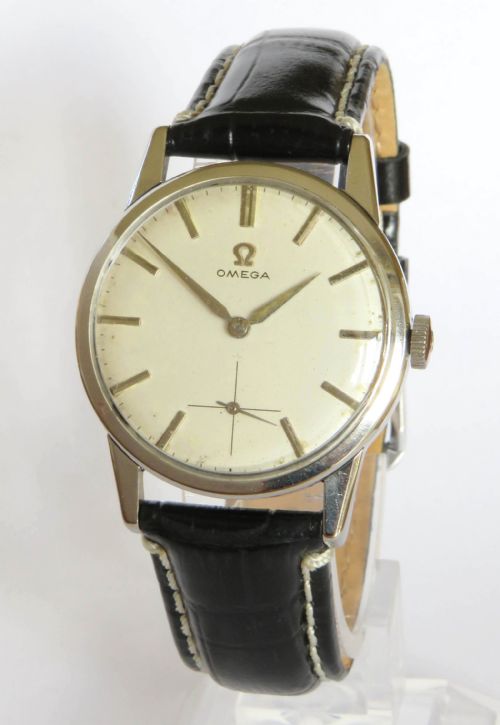
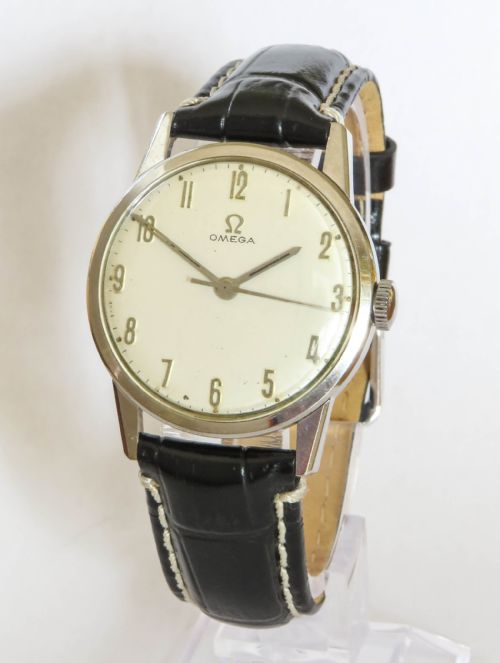
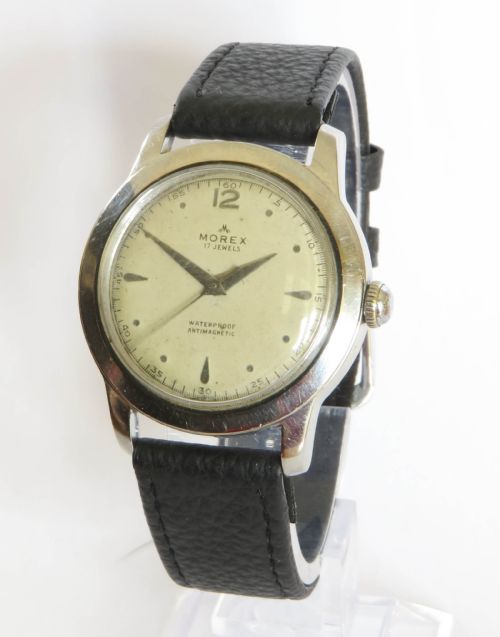
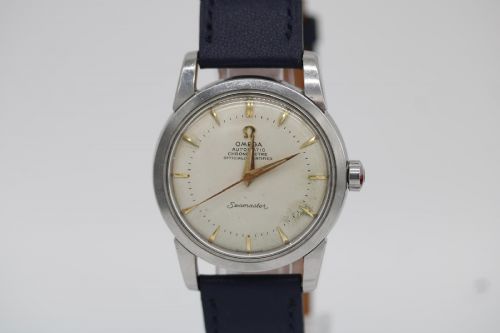
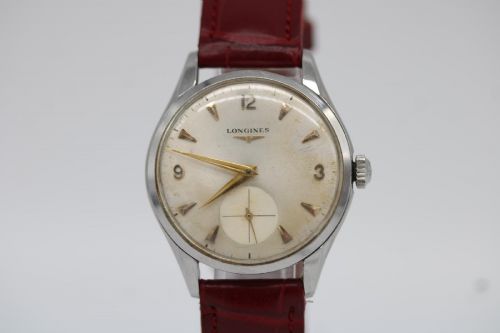
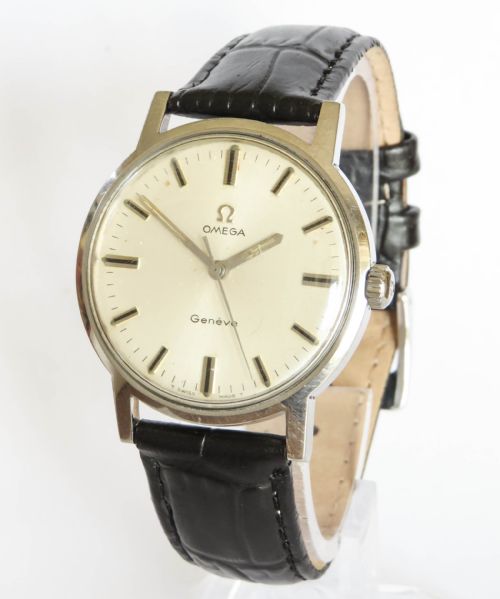
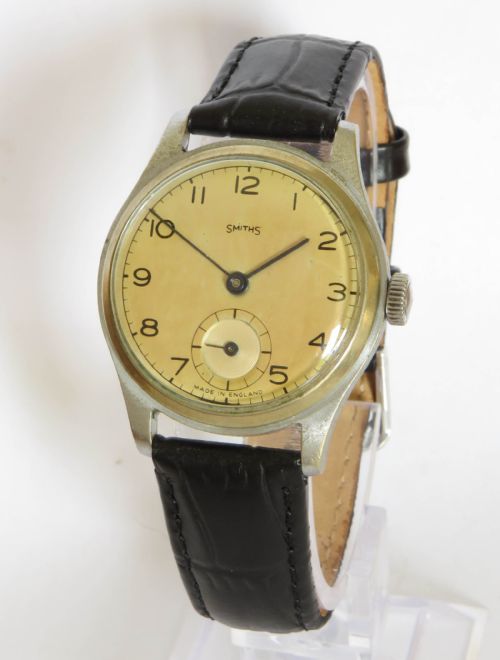
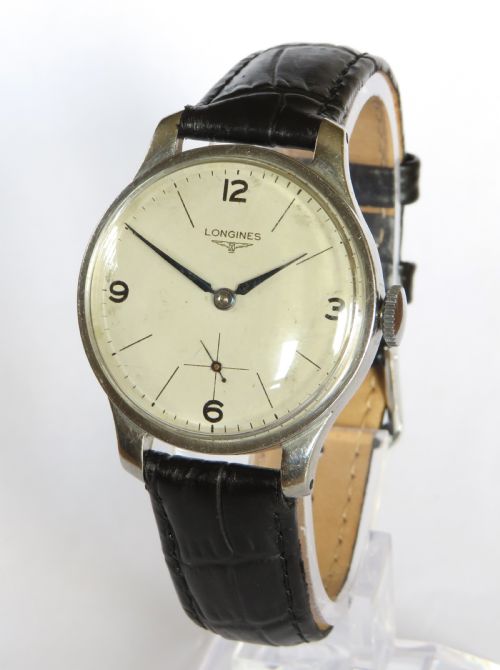
A classic silver timepiece encompasses wristwatches, pocket watches, and mantel clocks originating from the Edwardian era through the 1960s. The selection on this page leans heavily toward mid-century wristwatches and mechanical clocks produced across Britain, Switzerland, and France.
Buyers encounter forms spanning robust waterproof wristwatches, slender dress models, and brass or plated carriage clocks. Mid-century modern and Art Deco styles dominate the physical aesthetic of these instruments.
How they were made
Casings frequently incorporate enamel dial details, leather straps, and specialised plating such as rhodium. Exterior housings for clocks combine metal frameworks with glass panels to reveal the interior escapement.
Classic Silver Timepiece Retail Price Guide 2026
Typical asking prices for classic silver timepiece among the pieces listed under this phrase on Sellingantiques today, from the lower quarter to the upper quarter. They describe what is for sale here now, not the wider market.
Listings feature mechanical timepieces spanning from the Edwardian period through the 1970s, utilising stainless steel, brass, and leather.
What varies in quality
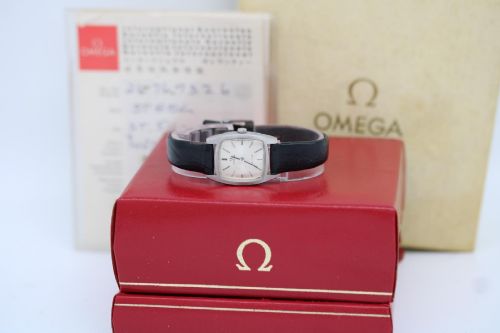
Quality rests upon the originality of components, the precision of the mechanical movement, and the preservation of the dial. Pieces retaining factory boxes, original signed crowns, and untouched case geometries command greater attention from collectors.
The sophistication of the internal calibre and the pedigree of the manufacturing firm dictate the tier of the piece. Servicing history and the clarity of dial typography further distinguish standard utility items from superior examples.
Omega·Rolex·Longines·Tudor·Smiths·Jaeger Le Coultre
The Classic Silver Timepiece Glossary
- Calibre
- The specific internal movement design and model number created by a watch manufacturer. This identifies the mechanical engine driving the hands.
- Manual wind
- A mechanical movement requiring the user to regularly turn the crown to tension the mainspring. These mechanisms lack automatic weighting rotors.
- Carriage clock
- A small, portable spring-driven clock equipped with a handle, originally designed for travel during the nineteenth and early twentieth centuries.
- Automatic
- A self-winding mechanical movement that utilises an internal rotating weight driven by the natural motion of the wearer's wrist.
- Dial
- The visible face of the timepiece displaying numerical or index markers for time telling. These surfaces often exhibit patination or specialised finishes.
Classic Silver Timepiece: Frequently Asked Questions
How do I wind a manual watch?
Turn the crown clockwise between your thumb and forefinger until you feel gentle resistance. Stop immediately once tension increases to avoid damaging the mainspring.
Perform this action at a consistent time each day if you wear the piece regularly. Avoid over-tightening the mechanism.
What is an automatic movement?
An automatic movement contains a weighted metal rotor that spins as your wrist moves during daily wear. This rotation winds the mainspring automatically without manual intervention.
If left unassigned for days, the power reserve depletes and the movement stops until gently shaken or wound.
How do I care for vintage leather straps?
Keep vintage leather straps away from water, excessive moisture, and direct sunlight to prevent cracking or discoloration. Remove the watch before swimming or bathing.
Condition the leather sparingly with appropriate balms if the material becomes dry. Many collectors swap vintage straps for preservation during daily wear.
Are mid-century watches waterproof?
Original vintage water resistance seals degrade over decades and cannot be trusted for modern swimming or diving. Gaskets harden and fail to block moisture effectively.
Consult a professional watchmaker to pressure test a case if exposure to water is required.