






Classic River Painting
A classic river painting brings the calm of open water and nineteenth-century light straight onto your wall.
Classic River Painting
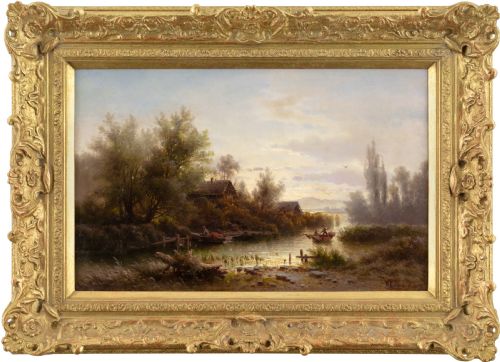
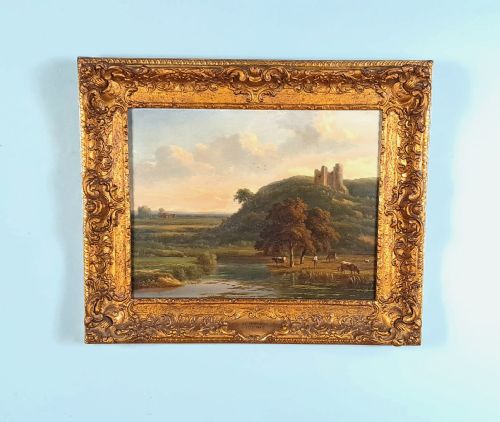
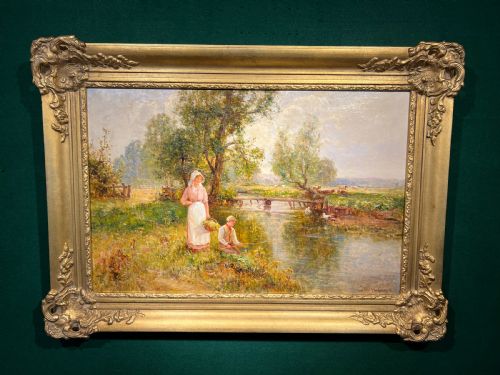
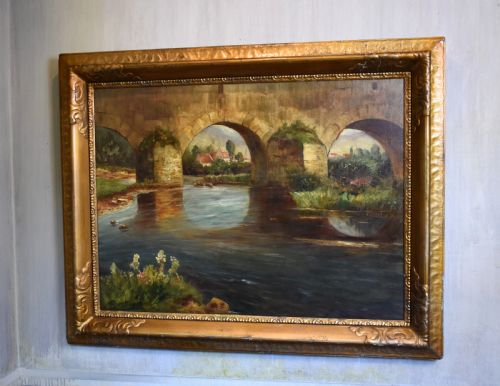
A classic river painting captures moving water, bridges, and pastoral riverbanks through traditional oil on canvas and watercolour mediums. These works span periods from the seventeenth century through to the mid-twentieth century, with nineteenth-century pieces forming the largest group you will encounter on this page.
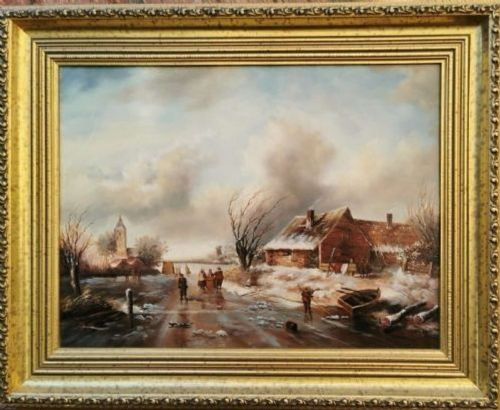
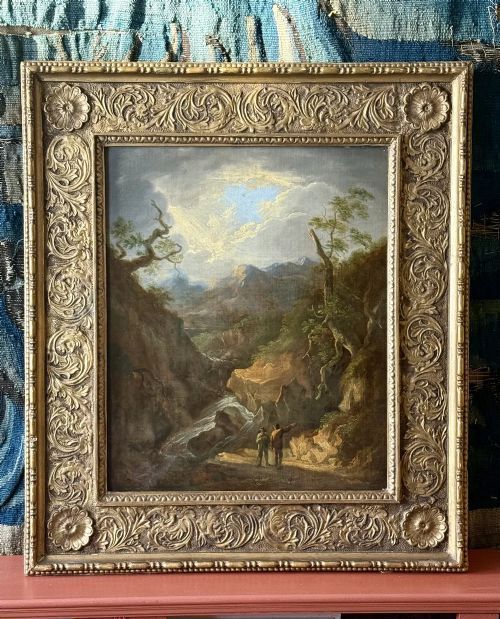
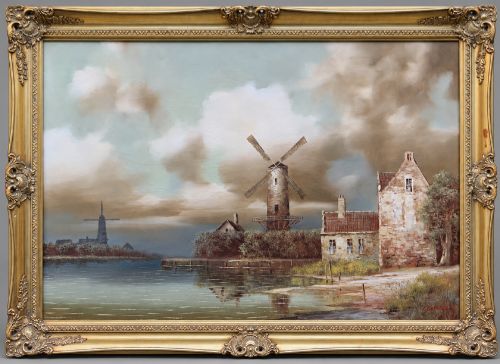
The subjects range from tranquil Welsh valleys and Scottish landscapes to Dutch windmills and bustling winter ice scenes. Regional British views sit alongside continental European scenes, offering varied perspectives on historic waterways.
Materials and Technique
Artists employed oil paint on stretched canvas or prepared board, layering pigments to achieve depth in water and atmospheric skies. This technique allowed painters to capture shifting morning light and reflections across the surface of the river.
Many of these works are housed in their original frames constructed from wood, finished with gesso and gilt. These frames were carved or moulded to enhance the visual weight of the painting.
Classic River Painting Retail Price Guide 2026
Typical asking prices for classic river painting among the pieces listed under this phrase on Sellingantiques today, from the lower quarter to the upper quarter. They describe what is for sale here now, not the wider market.
Several canvases feature children ice skating or boating, proving that historic river painters rarely resisted adding local pastime scenes to their waterscapes.
Assessing Quality
Quality rests upon the artist's handling of light, perspective, and atmospheric depth within the landscape. Superior works demonstrate confident brushwork that brings movement to the water and texture to the surrounding foliage.
The integrity of the canvas and the preservation of the original gilt wood frame contribute significantly to the standing of a piece. Finer examples maintain their pigment saturation without extensive overpainting or structural canvas repairs.
Benjamin Barker of Bath·Albert Rieger·T C Hofland·William Mellor·Walter J Watson·Benjamin Williams Leader·Peter Deakin·John Wright Oakes·Franz Reder-Broili·William Stephen Coleman·James Poole·Sir David Murray
The Classic River Painting Glossary
- Oil on Canvas
- A painting medium where pigments suspended in drying oil are applied to woven fabric stretched across a wooden frame. This combination allows for rich colour blending and lasting durability.
- Gilt Wood
- Wood that has been coated with a thin layer of gold leaf or gold-coloured metal powder. It provides an ornate and reflective border for traditional landscape paintings.
- Gesso
- A plaster-like mixture applied to wood or canvas as a base for paint or gilt. It creates a smooth, rigid surface for intricate frame mouldings.
- Dutch School
- A term denoting painters active in the Netherlands during the seventeenth century or those working in that traditional style. These works frequently emphasise dramatic skies and detailed landscape topography.
- Watercolour Painting
- An artwork created using water-soluble pigments on paper. This medium produces transparent washes that capture delicate light effects.
Classic River Painting: Frequently Asked Questions
How do I hang a heavy oil painting?
Heavy oil paintings in gilt wood frames require secure wall fixings directly into wall studs or heavy-duty masonry anchors. Use picture wire rated well above the weight of the piece.
Ensure the hanging height places the centre of the canvas at approximate eye level for optimal viewing in your room.
Where should I place these paintings?
Display these works away from direct sunlight and excessive humidity to protect the canvas and the gilt wood frame. Living rooms, studies, and hallways provide suitable environments.
Pairing them with traditional or transitional interior decor allows the historical character of the landscape to stand out.
How do I clean an antique canvas?
Dust the surface gently with a soft, dry brush or a clean microfiber cloth without applying pressure. Avoid using water or chemical cleaners on the paint surface.
Professional conservators should handle any deep cleaning or removal of aged varnish to prevent damaging the original pigment.
How do I identify the period?
Examine the canvas preparation, stretcher bars, and framing style for clues to the age of the piece. Nineteenth-century works often feature characteristic stretcher construction and canvas stamps.
Signatures, artist inscriptions on the reverse, and stylistic markers such as Victorian pastoral themes also help narrow down the date.