
Classic Portrait Oil Canvas
When you search for a classic portrait oil canvas, you are looking at historical depictions rendered in oil paint on woven fabric.
Classic Portrait Oil Canvas
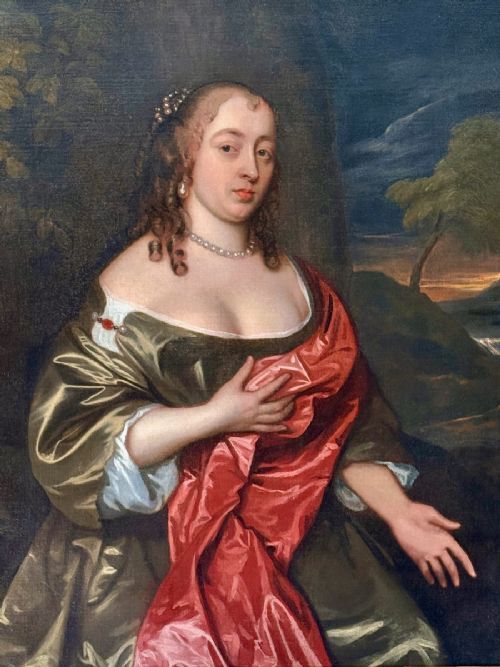
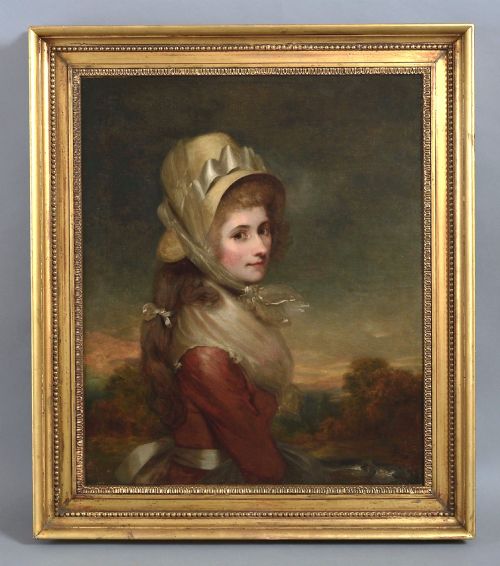
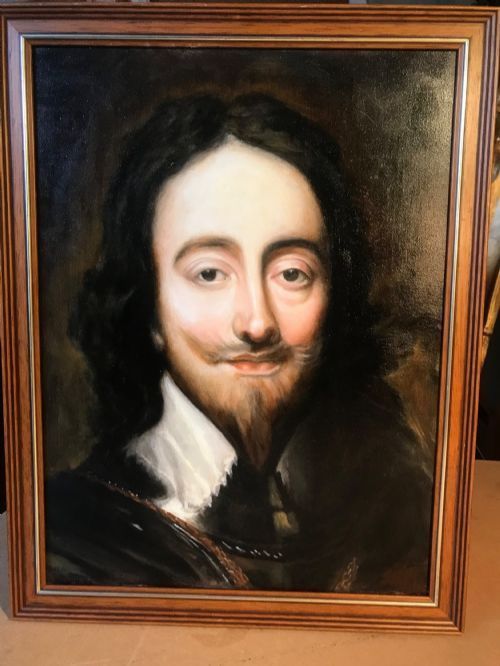
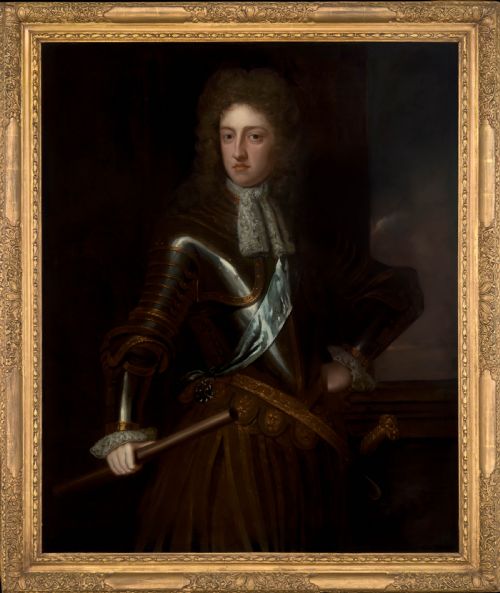
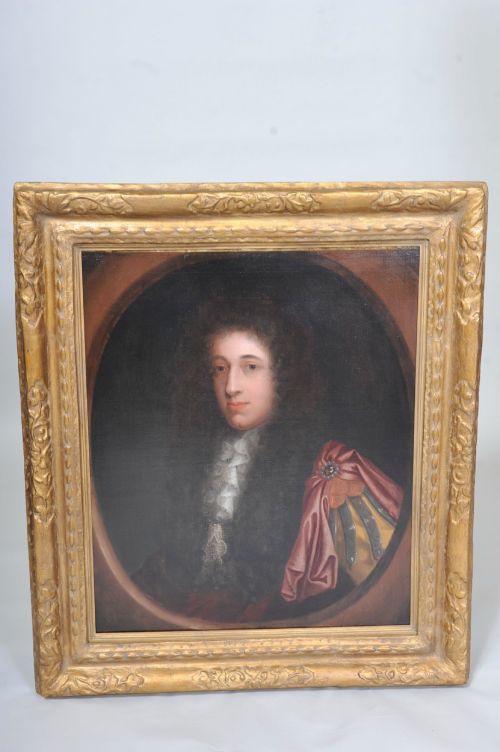
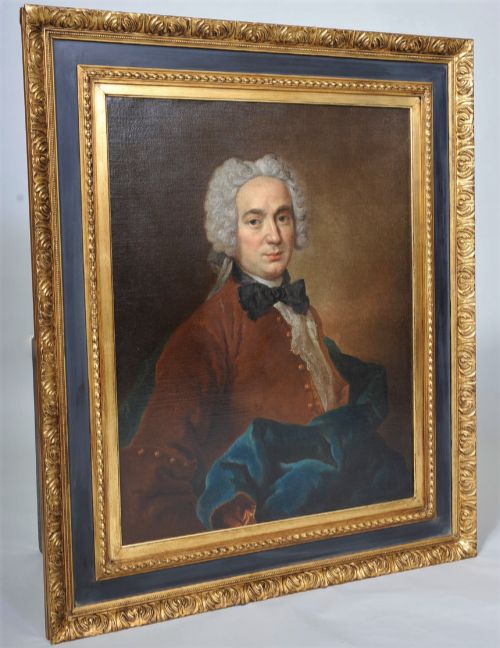
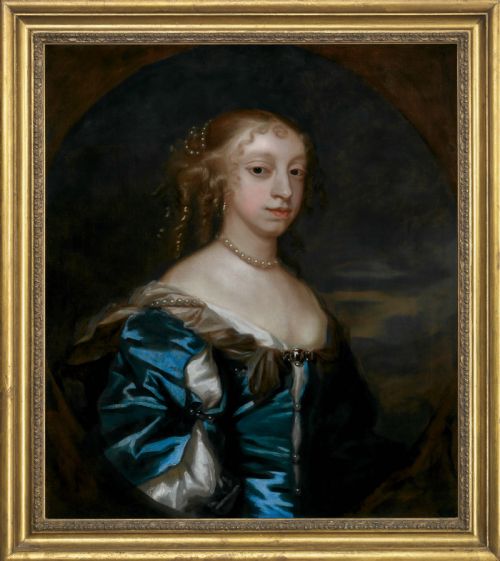
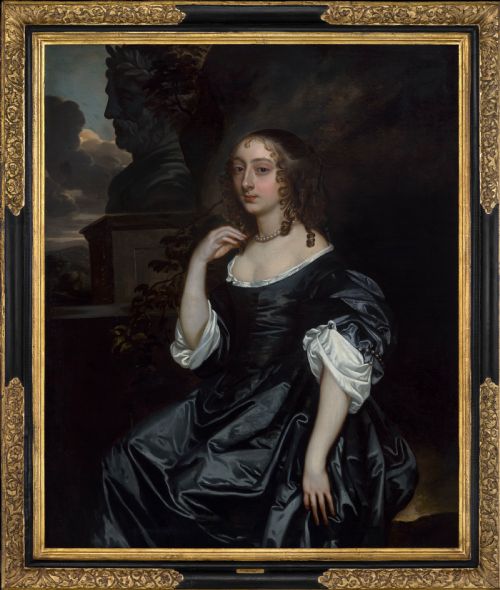
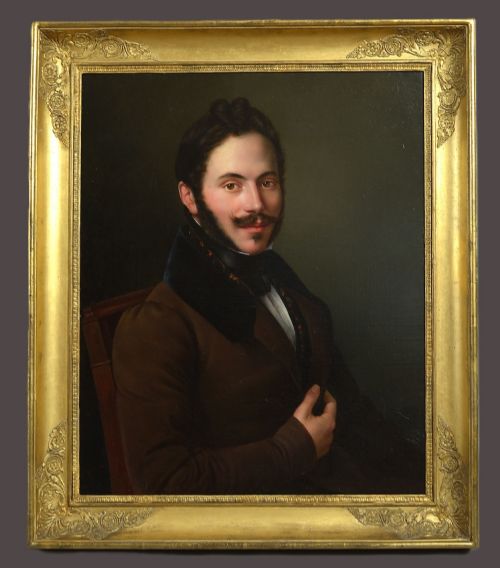
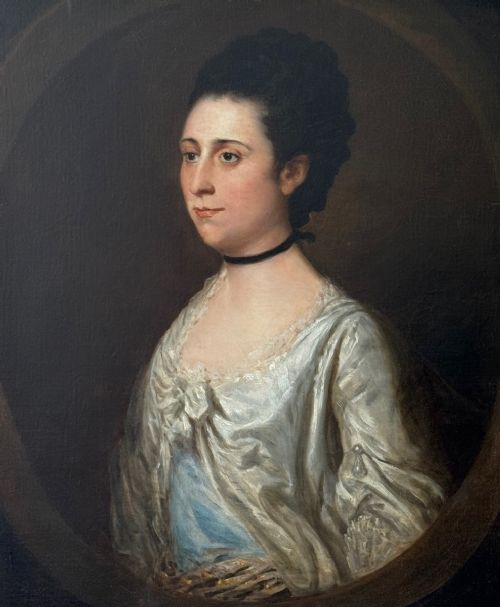
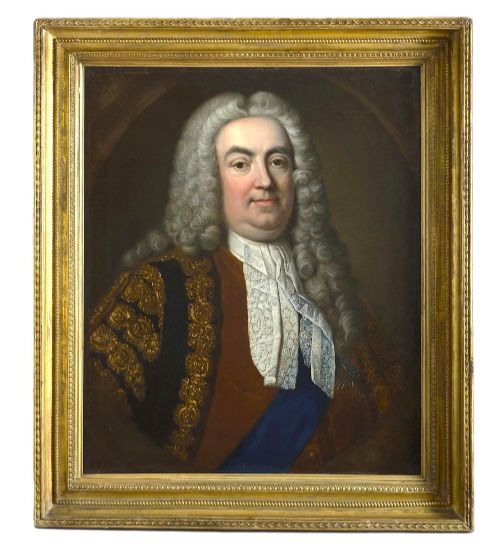
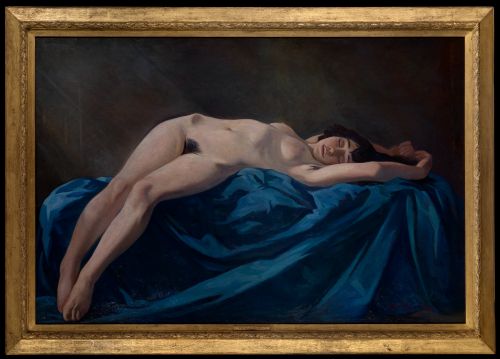
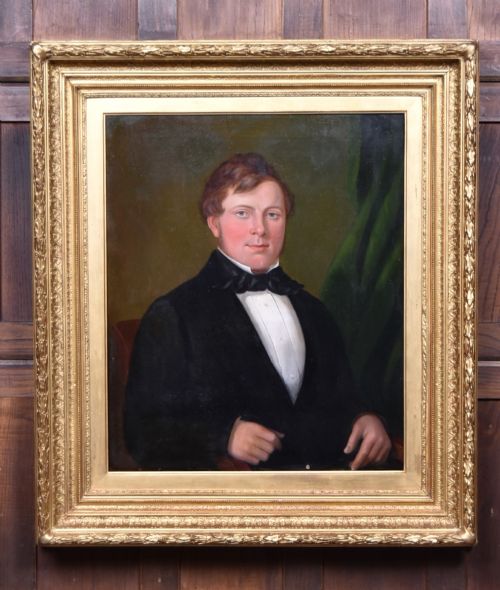
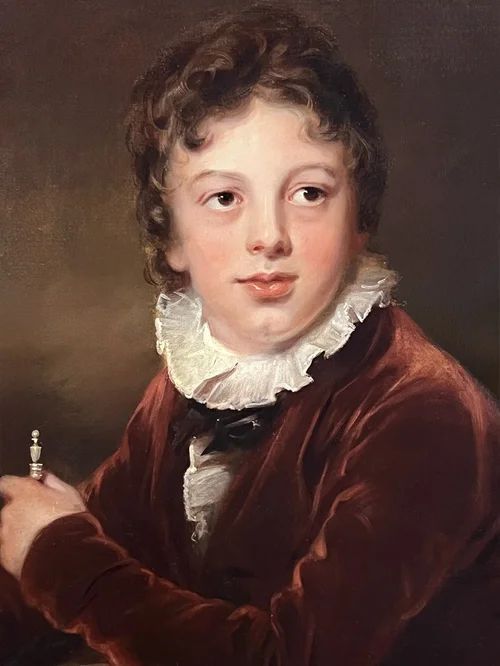
A classic portrait oil canvas depicts named individuals, nobility, or figures from various historical eras, executed in oil paint upon woven support. You will frequently encounter examples originating from the seventeenth and eighteenth centuries, alongside nineteenth-century works and later period paintings.
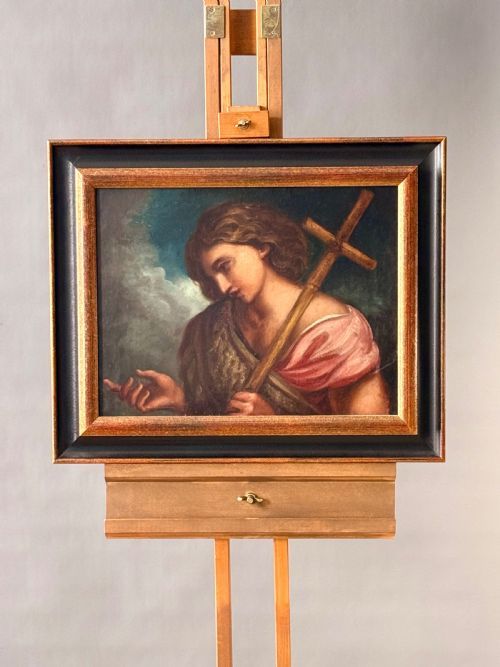
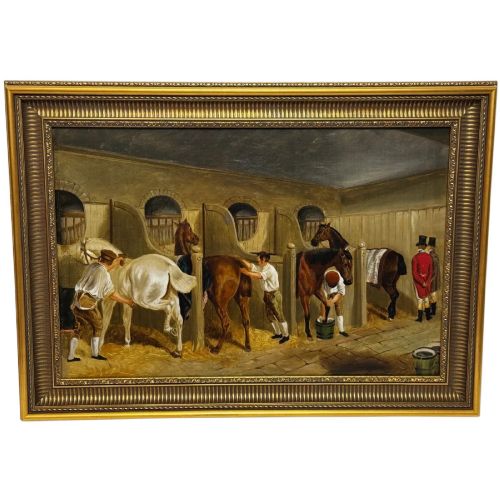
The selection encompasses formal bust-length studies, seated figures in extensive landscapes, and studio works associated with prominent historical portraitists. Alongside formal portraiture, the listings include genre scenes, animal studies, and figure paintings executed in oil.
The aesthetic spans from Dutch Golden Age traditions and Baroque styling through to Victorian realism and early twentieth-century interpretations. These works capture the likeness, status, and clothing of subjects using traditional painting methods.
How they were made
Makers applied oil paint directly onto stretched canvas, often supported by wooden stretcher frames that required periodic keying to maintain tension. Artists built up compositions using multiple layers of pigment and translucent glazes to achieve depth in skin tones and garments.
Many historical canvases are housed in ornate frames constructed from wood, giltwood, or finished with gold leaf applied to moulded ornamentation. These frames were frequently designed to complement the period style of the painting they enclose.
Listings feature works spanning from the seventeenth century through to the 1960s, utilising oil paint on canvas and wood.
What varies in quality
The standard of execution in a classic portrait oil canvas depends heavily upon the brushwork, anatomical proportion, and the handling of light and shadow across the subject's face and clothing. Studio pieces produced under the direct supervision of a master painter often demonstrate superior control compared to anonymous provincial copies.
Materials and framing also indicate quality, with original period giltwood frames and robust canvas preservation elevating the overall integrity of the piece. The depth of provenance, connecting a sitter to a documented historical figure or established painter, further distinguishes individual works.
John Hayls·Sir Martin Archer Shee·Anthony Van Dyck·Sir Godfrey Kneller·Sir Peter Lely·Edouard Pingret·Thomas Beach·Jean Baptiste Van Loo·Eric Robertson·Margaret Sarah Carpenter·William Hogarth·Louis Charles Verwee·Winifred Rymer·William Oliver·Thomas Spinks·Bombay Stables·William Watt Milne·Nicolaes Maes·David Pelbam·Bertram Priestman·Howard Barron·William Arthur Breakspeare·Attilio Toro·William Henry Mander·Rembrandt
The Classic Portrait Oil Canvas Glossary
- Oil on Canvas
- A painting technique utilising pigments bound in a drying oil, applied to a woven fabric support. This medium allowed artists to blend colours smoothly and work over extended periods.
- Giltwood
- Wood carved and covered with a thin layer of gold leaf or gold paint. This material was standard for framing high-status artworks from the seventeenth century onward.
- Studio of
- A designation indicating a work produced by assistants or pupils working under the direct supervision of a master artist. Such pieces typically reflect the stylistic practices of the primary workshop.
- Baroque
- An artistic style prevalent during the seventeenth and eighteenth centuries characterised by dramatic lighting, rich colour, and dynamic movement. Portraits from this era emphasise grandeur and psychological depth.
Classic Portrait Oil Canvas: Frequently Asked Questions
How do I identify the period of an oil portrait?
Examine the clothing, hairstyle, and framing style of the subject, as these elements typically reflect the fashion of the era in which the portrait was painted. Documentary evidence inscribed on the canvas or stretcher frames also provides reliable dating clues.
Compare the brushwork and preparation layers against known examples from specific movements like the Dutch Golden Age or Victorian realism to narrow down the decade of creation.
What is the difference between a studio work and an original painting?
An original painting is executed entirely by the named master artist, whereas a studio work is produced by assistants or students within that artist's workshop. Studio pieces often follow the composition and style dictated by the master but may exhibit slight variations in execution.
Both categories hold historical and artistic significance, though fully autographed pieces by major historical figures command distinct attention from collectors.
How should I care for an antique oil painting on canvas?
Keep canvas artworks away from direct sunlight, high humidity, and rapid temperature fluctuations that can cause the paint layer to crack or the canvas to sag. Maintain stable indoor environmental conditions to preserve both the fabric support and the pigment.
Dust the surface very gently with a soft, dry brush, and avoid using liquid cleaners or touching the painted area directly with bare hands.
Why are some portraits painted on canvas laid onto card?
Mounting a canvas onto card or panel was a historical conservation or stabilization method used to support fragile or trimmed woven fabric. This practice often occurred during later framing or restoration work to prevent further tearing or sagging of the original material.
Inspect the edges and reverse of the support to determine how the canvas was integrated with the secondary backing material during its history.