




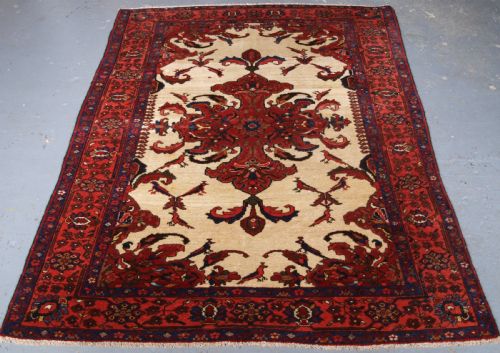


Classic Persian Area Rug
These classic persian area rug examples bring centuries of woven tradition into domestic spaces through enduring regional designs and rich wool piles.
Classic Persian Area Rug
A classic persian area rug encompasses room-sized carpets and smaller floor coverings originating from historic weaving centres across Persia and surrounding regions. Buyers searching this phrase encounter formats ranging from geometric village carpets to finely knotted city pieces.
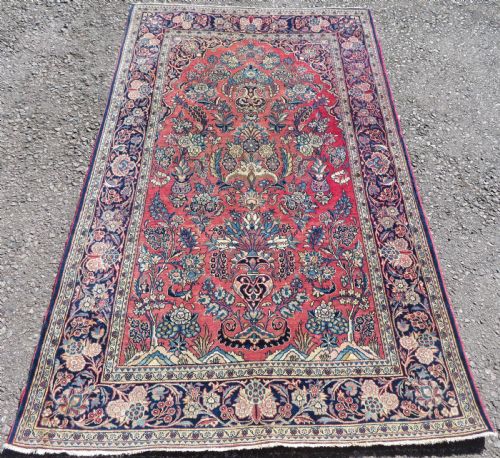
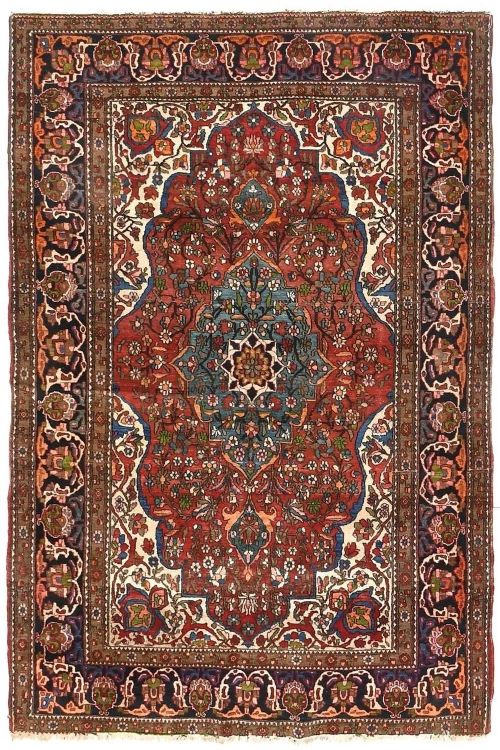
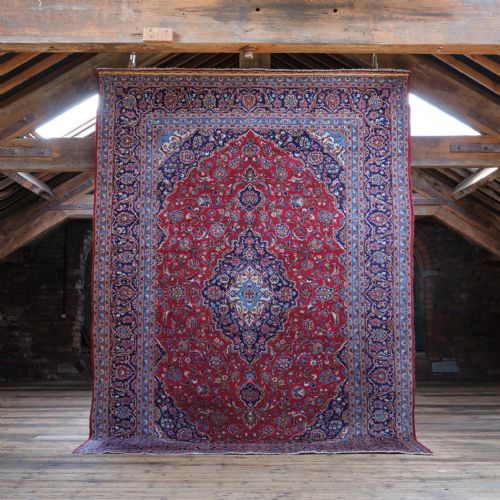
The selections on this page span the late nineteenth century through to the mid-twentieth century, capturing periods when traditional methods still dominated production. Heriz, Kashan, Isfahan, and Tabriz comprise the primary origins found within these listings.
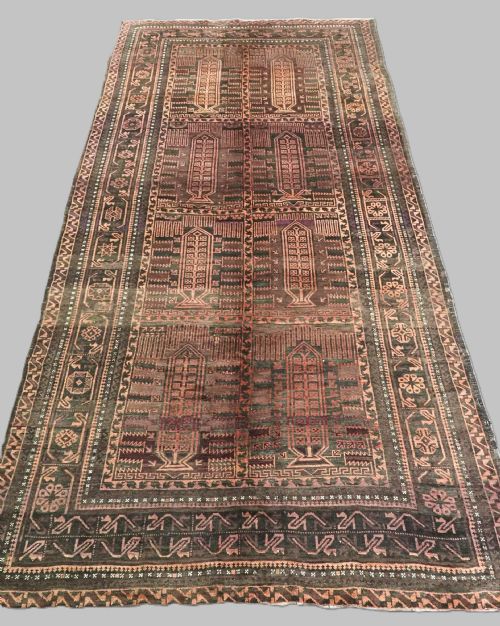
Village and tribal pieces such as Timuri, Baluch, and Qashqai rugs also appear, offering alternative aesthetics defined by bold motifs rather than formal court designs. Buyers will find both room-sized formats and compact area rugs suited to varied spatial requirements.
Materials and construction methods
The foundation of a classic persian area rug typically relies on durable cotton warps and wefts, though certain tribal examples incorporate wool or goat hair structures. Hand-knotted pile construction utilises natural wool, yielding dense surfaces capable of withstanding decades of foot traffic.
Natural dyes provide the varied colour palettes seen across these pieces, ranging from deep rust backgrounds to subtle indigo tones. The interplay of these organic colorants creates the characteristic depth associated with older woven textiles.
Classic Persian Area Rug Retail Price Guide 2026
Typical asking prices for classic persian area rug among the pieces listed under this phrase on Sellingantiques today, from the lower quarter to the upper quarter. They describe what is for sale here now, not the wider market.
Regional attributions include Heriz, Kashan, Isfahan, Tabriz, Mahal, and Timuri traditions.
Distinctions in quality
Knot density and structural precision separate city-woven examples from simpler village productions, influencing the intricacy of the rendered floral or medallion patterns. Finer carpets maintain tight tension across the cotton foundation, ensuring the pile remains even and secure.
The complexity of the design layout and the consistency of natural dye application further differentiate individual pieces. Superior examples balance balanced proportions with harmonious colour transitions across the field and borders.
Ziegler And Co
The Classic Persian Area Rug Glossary
- Medallion
- A central ornamental motif set into the middle of the carpet field. This design element often dictates the symmetry of the surrounding floral or geometric patterns.
- Warp
- The vertical threads stretched lengthwise on the loom that form the structural backbone of the rug. Weft threads are inserted across these warps to secure the knots.
- Pile
- The upright surface of the rug formed by the cut ends of knotted wool yarn. The height and density of this pile determine the tactile feel and durability of the piece.
- Natural Dyes
- Colourants derived from plant, insect, or mineral sources rather than synthetic chemicals. These dyes yield softer, more complex hues that age gracefully over time.
- Field
- The main central area of the rug enclosed by the borders. This section typically displays the primary medallion, all-over floral sprays, or geometric repeats.
Classic Persian Area Rug: Frequently Asked Questions
How do I identify a Heriz rug?
Heriz rugs are typically recognised by their bold, geometric medallion designs and robust construction. They often feature large corner spandrels and a sturdy wool pile intended for heavy use.
These carpets originate from the Northwest region of Persia and project a more architectural aesthetic compared to curved city florals.
Where were Isfahan carpets made?
Isfahan carpets originate from the historic city of Isfahan, known as a major centre for court-sponsored Persian weaving. These pieces often showcase intricate floral compositions and refined medallion layouts.
The urban workshops utilised high knot counts and cotton foundations to achieve exceptional detail in their classic designs.
Are these rugs suitable for high-traffic areas?
Many of these pieces were constructed with durable wool pile and cotton foundations designed for daily domestic use. Traditional weaving methods ensure the structure remains resilient under foot traffic.
Placing an appropriate underlay beneath the rug helps prevent sliding and reduces friction against hard flooring.
What is a Baluch carpet?
Baluch carpets are tribal textiles woven by nomadic or semi-nomadic groups in the borderlands between Persia and Afghanistan. They frequently feature darker colour palettes dominated by deep reds, browns, and blues.
These rugs often incorporate goat hair or wool in their foundations alongside traditional geometric motifs.
How should I clean my antique rug?
Routine maintenance involves gentle vacuuming without a rotating brush roll to prevent pulling the wool pile. Professional cleaning specialised in antique textiles is recommended for deeper maintenance.
Avoiding excessive moisture and direct sunlight helps preserve the natural dyes and structural integrity of the fibres.