

Classic Painting
Classic painting brings centuries of portraiture, landscape and still life into a room, executed in oil on canvas and wood.
Classic Painting
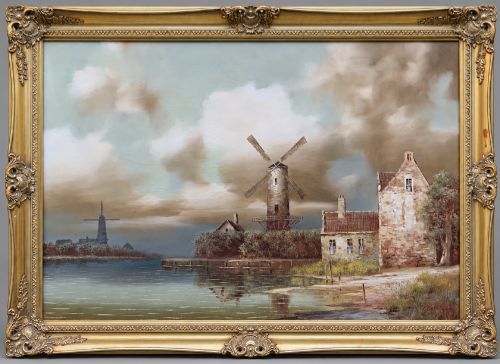
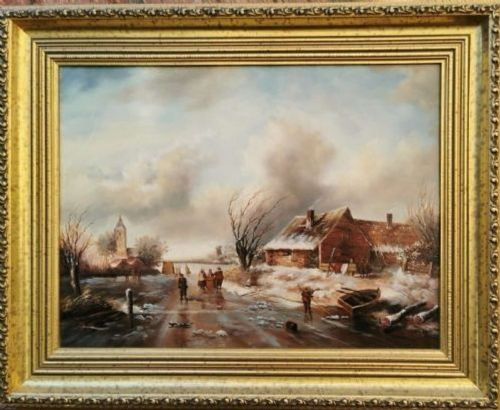
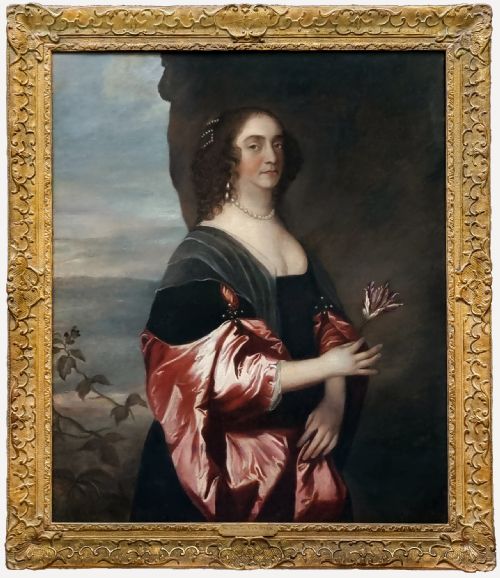
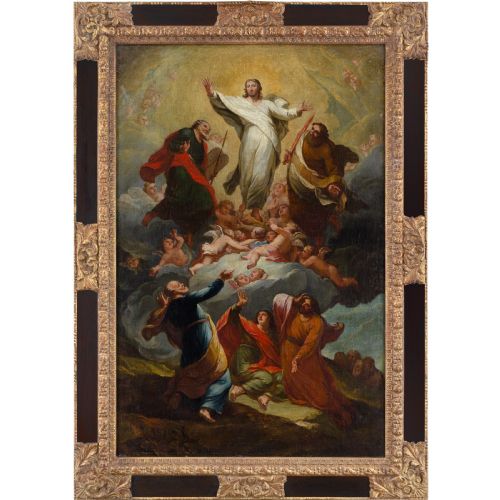
A classic painting search reveals historical oil paintings, portraits and landscapes spanning from the seventeenth century through the twentieth century. These works capture notable figures, Dutch manner scenes and regional British views.
The category encompasses oil on canvas works, charcoal pieces on paper and oil on board panels, framed in giltwood or mounted directly on stretchers.
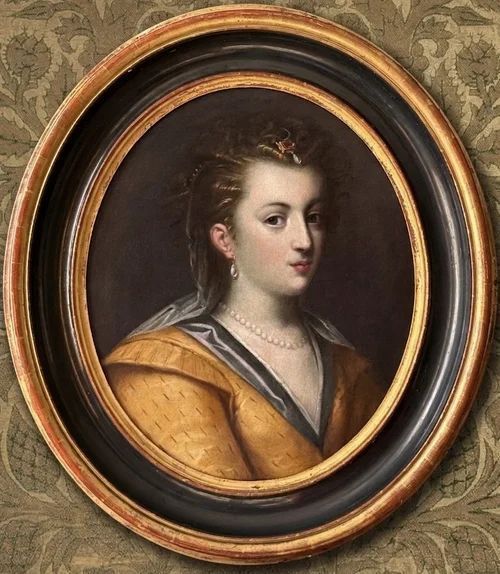
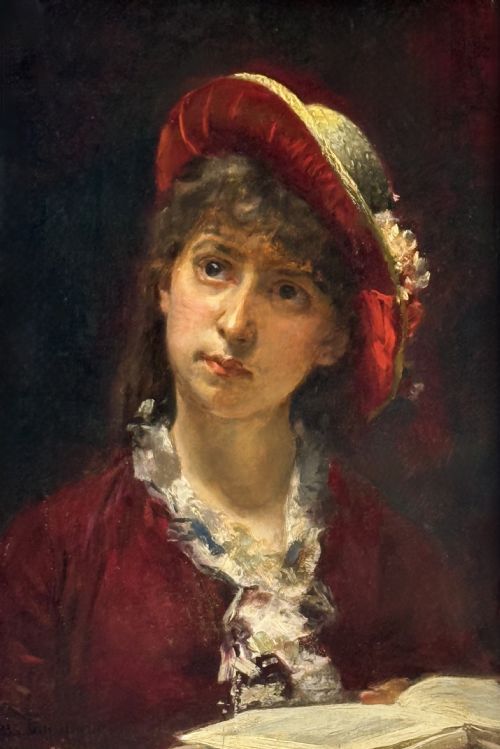
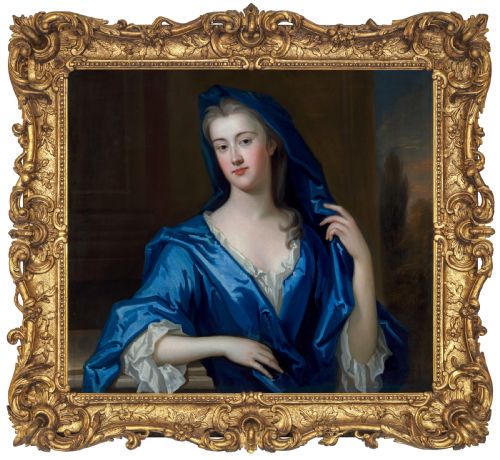
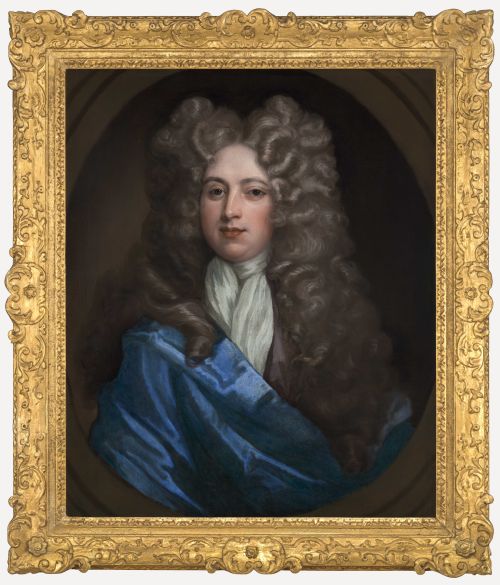
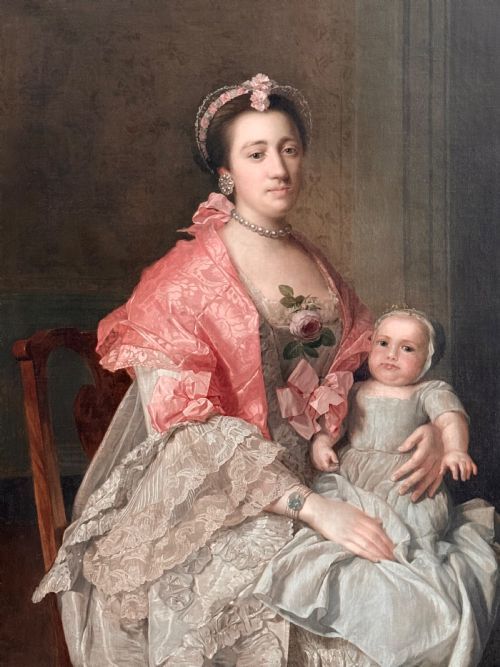
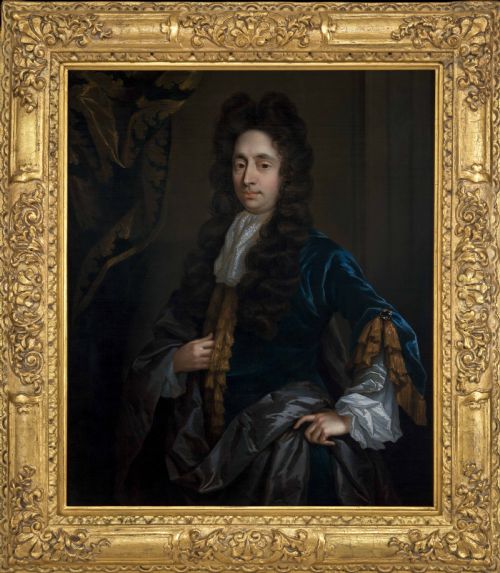
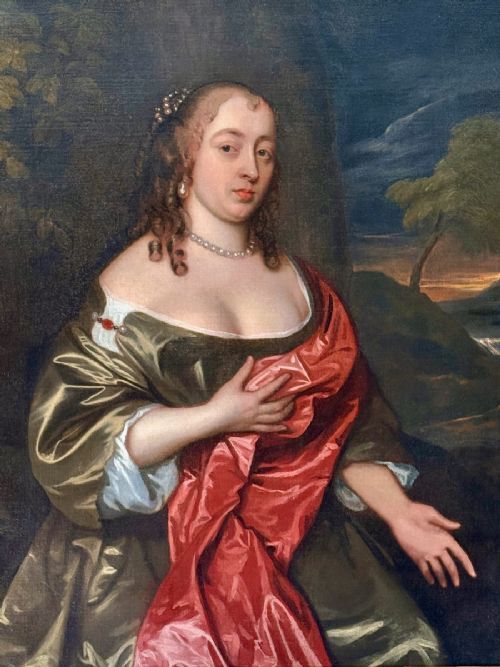
Portraiture dominates the selection, featuring noblewomen, gentlemen in periwigs and historical figures created by studio circles or named artists.
Materials and Techniques
Painters applied oil paint and gold leaf to stretched canvas, wood panels and paper attached to stretchers, building up rich layers of pigment and glaze.
Frames utilise carved giltwood and traditional joinery to complement the canvas, while brass and iron fixings provide structural support for panel paintings.
Sheep graze quietly alongside cattle in eighteenth century landscapes while children ice skate on frozen Dutch winter ponds.
Assessing Quality and Execution
Quality rests in the precision of brushwork, the depth of pigment and the fidelity of the rendering, particularly in the handling of drapery, flesh tones and light.
Provenance and attribution elevate a piece, distinguishing studio works and circle pieces from anonymous regional efforts across the seventeenth and eighteenth centuries.
Lavinia Fontana·Charles Jervas·Sir Peter Lely·Thomas Murray·Constantyn Netscher·John Hayls·Sir Allan Ramsay·Benjamin Barker of Bath·Jean Baptiste Van Loo·Francis Moltino
The Classic Painting Glossary
- Oil paint
- A slow-drying paint made of pigment particles suspended in a drying oil, typically linseed oil.
- Giltwood
- Wood that has been treated with gold leaf or gold paint applied to its surface, commonly seen on antique frames.
- Canvas
- A heavy woven fabric used as a surface for oil painting, typically stretched tightly across a wooden frame.
- Circle of
- A term used when a painting is closely associated with a known master's style and working environment, though not necessarily by their hand.
- Portraiture
- The depiction of a particular person, group or animal, focusing on the face and expression to capture likeness and character.
Classic Painting: Frequently Asked Questions
How do I care for an oil painting?
Keep paintings away from direct sunlight and steady humidity levels to protect the canvas and oil pigments from cracking.
Dust the surface gently with a soft, dry brush and avoid chemical cleaners or moisture on the paint layer.
What does attribution mean on a painting?
Attribution indicates that experts link the style, technique and period of the work to a specific artist or their workshop.
Phrases like circle of or studio of denote works produced closely alongside the named master during their lifetime.
How can I tell the period of a canvas?
Examine the preparation of the canvas, the type of wooden stretcher used, and the composition of the oil pigments.
Clothing styles, hairpieces like periwigs, and framing materials also offer strong clues to the exact century of creation.
Where were landscape paintings typically displayed?
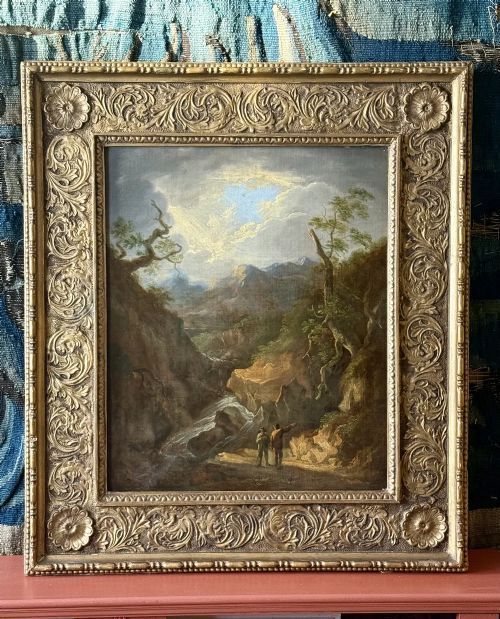
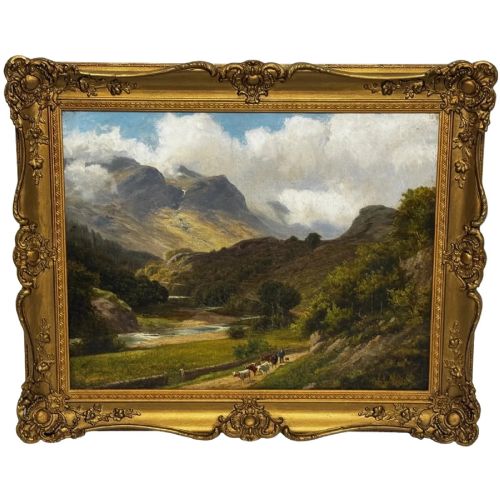
Landscapes and pastoral scenes adorned country house interiors, drawing rooms and formal reception spaces in the eighteenth and nineteenth centuries.
They brought views of lakes, mountains and rural livestock directly into urban domestic architecture.