




Classic Oriental Rug
A classic oriental rug brings centuries of woven heritage and saturated natural palette into a modern room.
Classic Oriental Rug
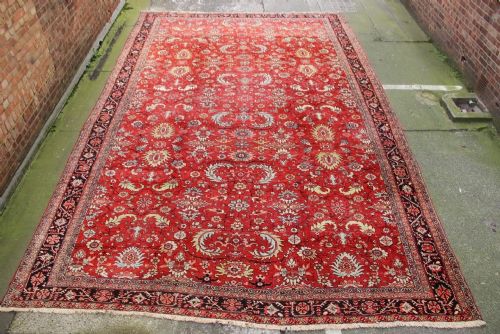
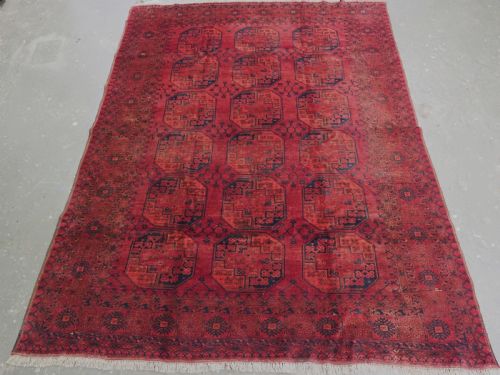
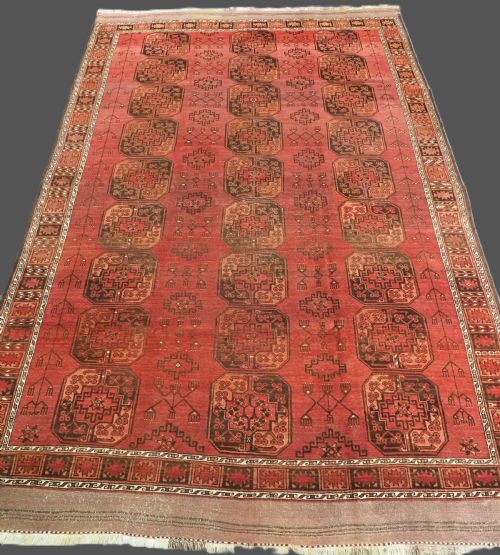
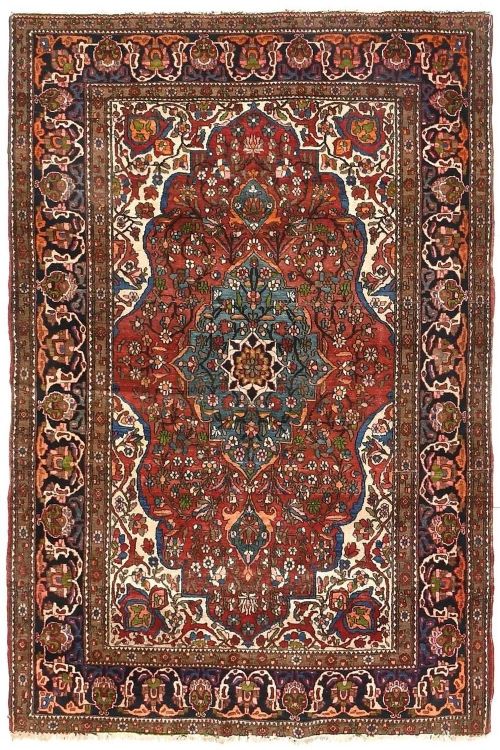
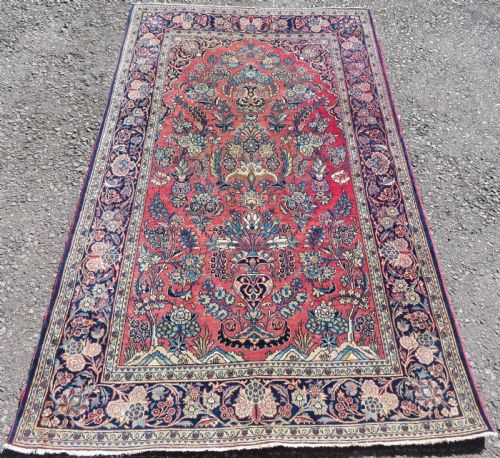
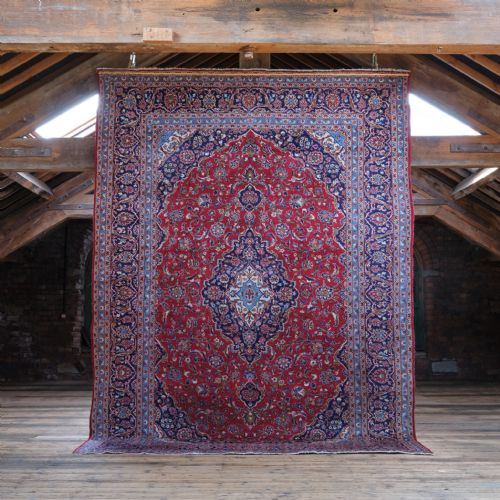
A classic oriental rug encompasses knotted carpets, flatweaves, and embroidered textiles originating from Persian, Turkmen, Anatolian, Caucasian, and Indian weaving traditions. These pieces span utility items like storage bags to room-sized palace carpets produced between the mid-nineteenth century and the interwar period. The most common examples met here are large Heriz, Kashan, and Ersari main carpets bearing traditional geometric or medallion layouts.
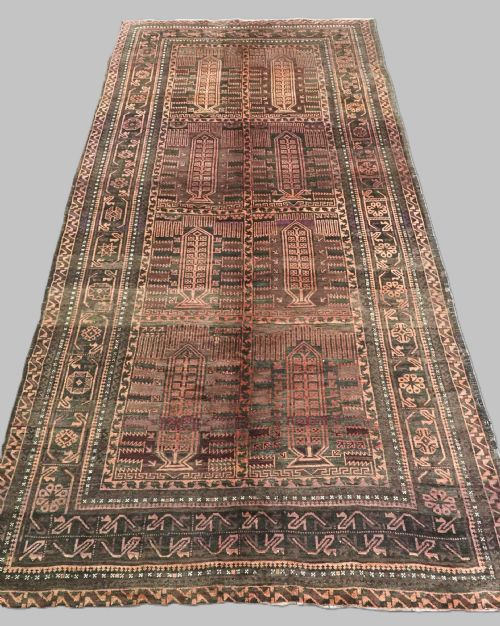
Regional workshops and nomadic tribes each established distinct visual vocabularies through repeated motifs, border guards, and field arrangements. Persian examples often rely on curvilinear medallions and floral fields, while Turkmen and Caucasian counterparts lean towards bold octagons, hooked polygons, and stark tribal geometry. Selecting an appropriate piece depends on matching the scale of the room to formats ranging from compact prayer rugs to expansive carpet dimensions.
Materials and Construction
Weavers constructed these textiles primarily using hand-knotted wool pile secured to cotton or wool warp and weft foundations. Certain regional pieces incorporate goat hair for structural durability along the selvedges, while specialised formats like Persian Rasht embroideries utilise silk and felt applique work on wool backings.
Natural dyes extracted from plants, insects, and minerals provided the foundational palette for these textiles, resulting in warm reds, soft indigos, and muted earth tones that age gracefully. Flatwoven kilims such as those from Pirot and Sarkoy employed slit-tapestry techniques to achieve crisp geometric patterns without a piled surface.
Classic Oriental Rug Retail Price Guide 2026
Typical asking prices for classic oriental rug among the pieces listed under this phrase on Sellingantiques today, from the lower quarter to the upper quarter. They describe what is for sale here now, not the wider market.
Listings feature pieces spanning several decades, showcasing wool, cotton, silk, and natural dyes across Persian, Turkmen, and Anatolian traditions.
Quality Variations
Knot density, structural integrity, and the purity of the material distinguish finer examples from standard commercial output. Tighter knotting allows for sharper delineation of intricate motifs and contributes directly to the longevity of the pile under foot traffic.
The nuance and saturation of the dyestuffs heavily influence visual merit, with complex natural dye lots creating shifting undertones known as abrash. Uniformity in hand-spun yarn and precision in geometric symmetry further separate master-weaver output from provincial village utility pieces.
The Classic Oriental Rug Glossary
- Warp
- The vertical foundation threads stretched tightly on the loom before knotting begins. The visible fringes at either end of a finished carpet are the cut extensions of these structural threads.
- Weft
- The horizontal threads passed back and forth across the warp strings after every row of knots to bind the structure together. In certain styles, these threads are dyed a specific colour to add subtle depth to the reverse.
- Abrash
- The natural tonal variation in colour across the field of a rug caused by successive batches of dyestuff or distinct wool lots. This characteristic indicates traditional dyeing methods rather than a manufacturing defect.
- Seh Mihrab
- A prayer rug design featuring three distinct arched niches at one end of the field. This specific format relates to architectural prayer mihrabs found in Islamic design.
- Kilim
- A flatwoven textile produced without a pile by tightly interweaving warp and weft threads. These pieces function as versatile floor coverings, wall hangings, or traditional utility covers.
Classic Oriental Rug: Frequently Asked Questions
How do I clean an antique rug?
Professional specialist immersion washing is the only correct method for historic wool and silk textiles. Domestic cleaning agents and excessive scrubbing will strip natural oils from the fibres and permanently damage the foundation.
Regular maintenance requires gentle suction vacuuming without a rotating beater bar, running parallel to the direction of the pile. Lifting and shaking smaller rugs prevents particulate grit from accumulating deep within the knot structure.
Can I place these rugs in sunny rooms?
Direct, prolonged sunlight causes natural dyes to fade unevenly over years of exposure. Rotating the rug every six months ensures that any environmental wear distributes evenly across the entire surface.
Utilising window UV films or sheer blinds helps protect saturated tones, particularly madder reds and indigo blues, from premature bleaching. Proper placement away from floor-to-ceiling glass windows preserves the original depth of the palette.
What underlay should I use?
A breathable, natural rubber or felt mesh underlay prevents slipping and protects the antique foundation from friction against hard wooden floors. Synthetic plastic backings should be avoided because they trap moisture and degrade the cotton or wool foundation over time.
A quality pad also provides subtle cushioning that absorbs footstep impact, reducing mechanical stress on the individual knots and extending the lifespan of the textile.
How do I identify a tribal weaving?
Tribal rugs typically display less rigid geometric precision, asymmetric borders, and a more robust handle compared to court workshop carpets. They often utilise locally available materials, including goat hair for durable selvedges and coarse hand-spun wool in the pile.
Designs are passed down through generations within specific nomadic confederations like the Baluch or Ersari Turkmen. These pieces frequently incorporate distinctive tribal guls, hooked polygons, and earthy colour palettes derived from local flora.