




Classic Oriental Carpet
When you search for a classic oriental carpet, you are looking at woven floor coverings spanning the nineteenth and twentieth centuries.
Classic Oriental Carpet
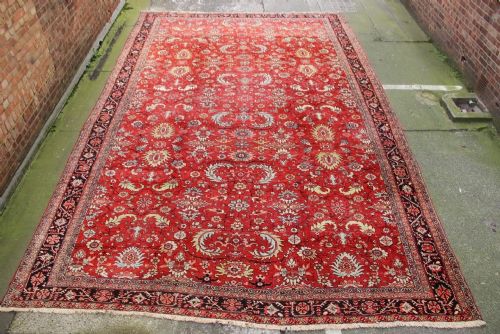
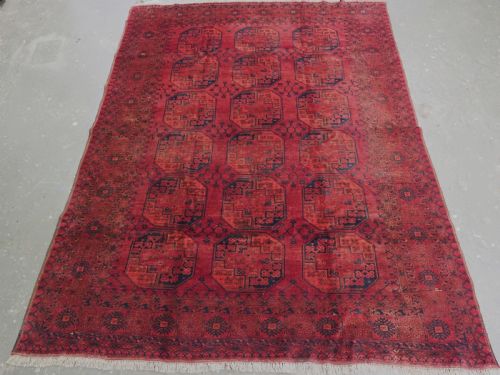
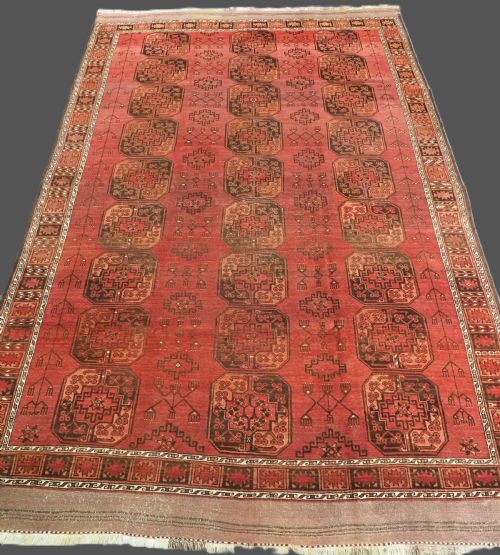
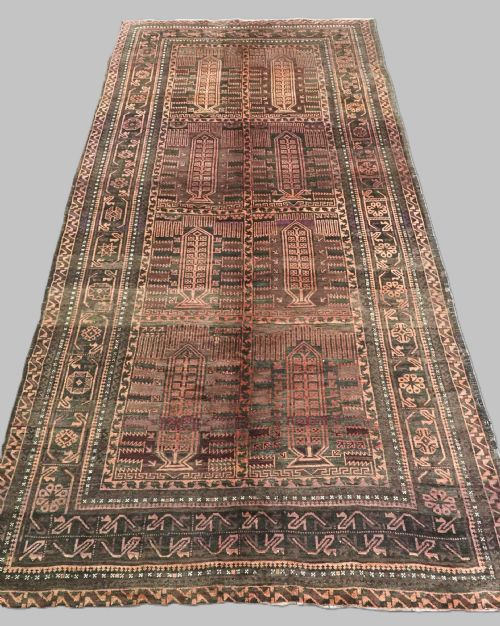
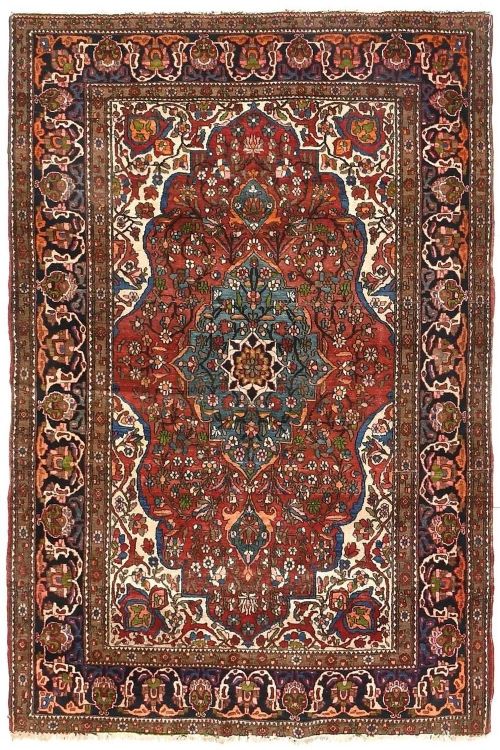
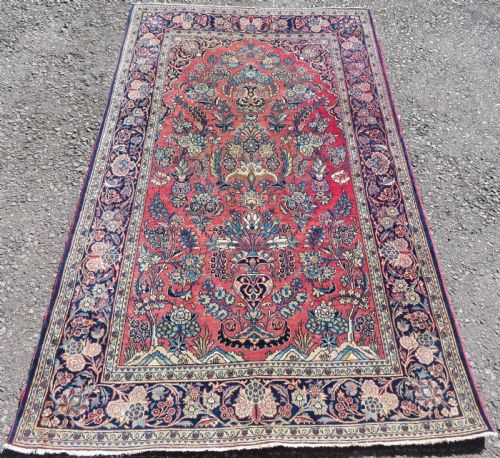
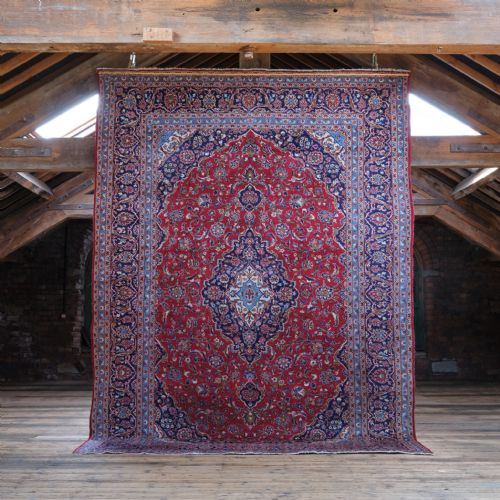
A classic oriental carpet encompasses regional woven traditions originating from Persian, Anatolian, Turkmen, and Caucasian workshops. These pieces appear as large room-sized carpets, smaller area rugs, prayer rugs, and flat-woven kilims designed for domestic use.
The selection on this page focuses heavily on Persian centres such as Heriz, Kashan, Isfahan, Tabriz, and Mahal, alongside Turkoman Ersari and Caucasian tribal pieces. Dating primarily from the Victorian and Edwardian eras into the early twentieth century, these floor coverings reflect distinct regional patterns.
Common regional formats include geometric medallion designs, all-over field patterns, and tribal motifs executed in formats ranging from compact mats to massive room carpets.
Materials and construction
These floor coverings utilise natural materials, predominantly hand-knotted wool pile set onto cotton foundations, with occasional variations incorporating goat hair. Natural dyes provide the underlying palette, producing rich warm reds, soft muted tones, and deep indigos that mellow with age.
Weavers tied individual knots by hand onto vertical looms, securing the rows with sturdy cotton warp and weft threads. Flat-woven kilim varieties from Pirot and Sarkoy omit the pile entirely, relying instead on interlocking weft techniques to create flat, patterned textiles.
Classic Oriental Carpet Retail Price Guide 2026
Typical asking prices for classic oriental carpet among the pieces listed under this phrase on Sellingantiques today, from the lower quarter to the upper quarter. They describe what is for sale here now, not the wider market.
Timuri weavers occasionally incorporated a 'pencil box' motif into their carpets, hiding tiny geometric compartments across the field.
Evaluating the weaving
Quality rests upon knot density, the precision of the design execution, and the integrity of the materials. Denser knotting allows for crisper botanical or geometric outlines, whereas looser structures yield softer, more rustic interpretations.
The choice of dyes dictates visual longevity, as natural colourants age gracefully compared to early synthetic alternatives. Furthermore, the wool grade and the stability of the foundation threads determine how well the weave withstands sustained foot traffic.
The Classic Oriental Carpet Glossary
- Medallion
- A central ornamental motif dominating the field of the carpet. This decorative focal point is typical of urban Persian workshops.
- Warp
- The vertical foundation threads stretched lengthwise on the loom. The pile knots are tied directly around these sturdy structural elements.
- Weft
- The horizontal threads passed alternately over and under the warp threads to lock each row of knots in place. Proper tension here ensures a stable textile.
- Pile
- The dense surface layer of upright wool ends formed by the knotted yarn. This tactile surface absorbs wear and displays the visual pattern.
- Kilim
- A flat-woven textile produced without a pile by tightly interweaving warp and weft threads. These pieces offer a lighter, reversible floor covering.
Classic Oriental Carpet: Frequently Asked Questions
How do I choose the right size?
Measure your room carefully to ensure the floor covering allows adequate border space around the perimeter. Large room formats anchor main reception spaces, while smaller runners suit hallways and compact areas.
Consider the scale of your furniture when selecting dimensions. A central medallion looks best when left partially exposed rather than entirely obscured beneath heavy tables.
Where were these woven?
Production spans several distinct geographic regions, including Persian towns like Heriz and Kashan, Turkish weaving centres such as Ushak and Sivas, and tribal areas associated with Turkmen and Caucasian weavers.
Each region developed specific palettes and structural characteristics tied to local materials and traditional weaving techniques.
How do I care for my rug?
Vacuum gently using a suction-only attachment without a rotating brush roll to protect the delicate wool pile. Avoid shaking the textiles or exposing them to direct moisture.
Professional cleaning by a specialist familiar with antique textiles is recommended every few years to preserve the natural lanolin in the wool.
Can I place them in high traffic areas?
Many sturdy room-sized carpets and runners were built for heavy domestic use and handle moderate hallway traffic well. Denser weaves constructed with quality wool withstand daily movement.
Placing an appropriate underlay beneath the textile prevents slipping and reduces friction between the foundation and the floorboards.