
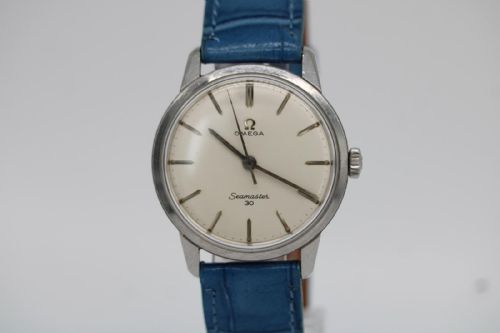
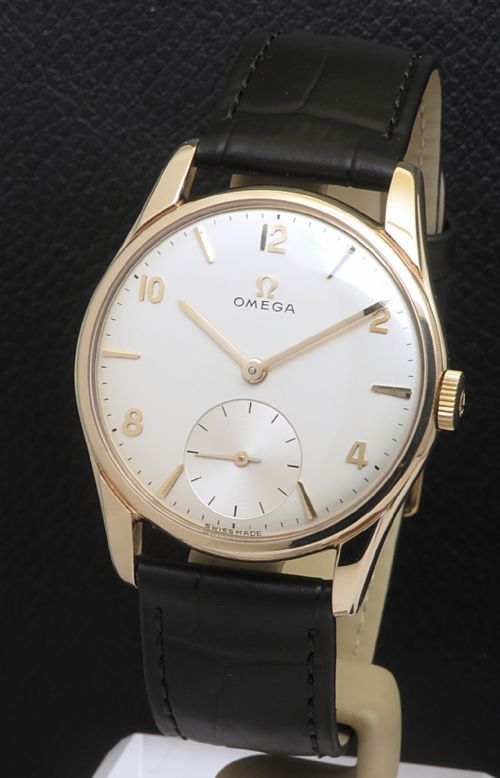


Classic Omega Watch
A classic omega watch brings mid-century horology to the wrist, offering dependable mechanical timekeeping housed in enduringly elegant proportions.
Classic Omega Watch
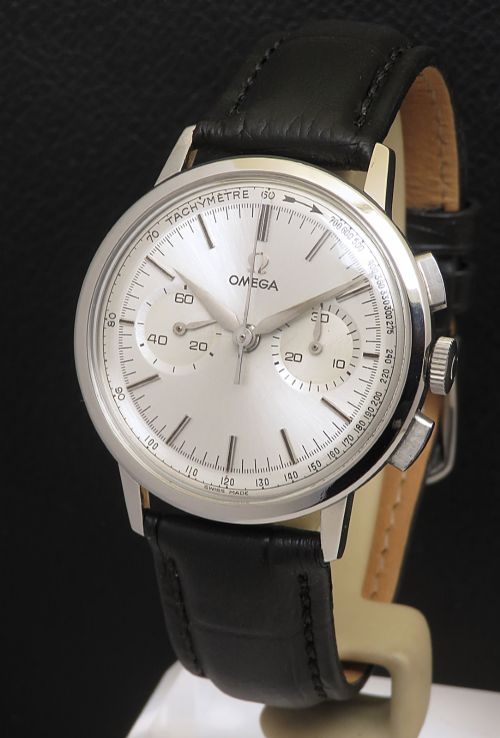
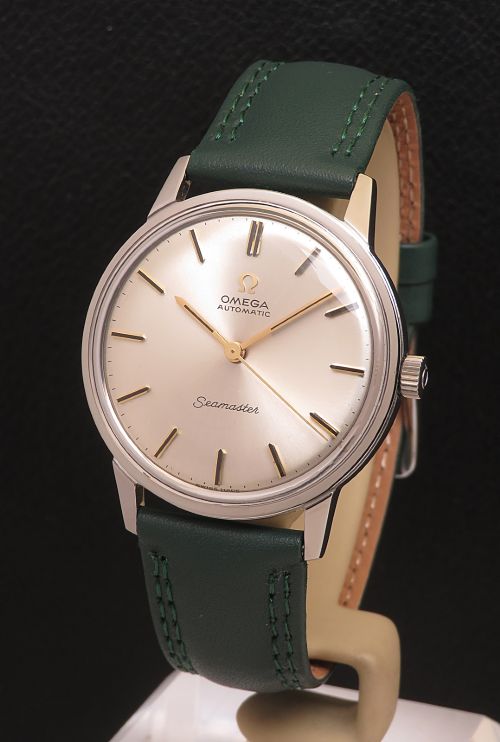
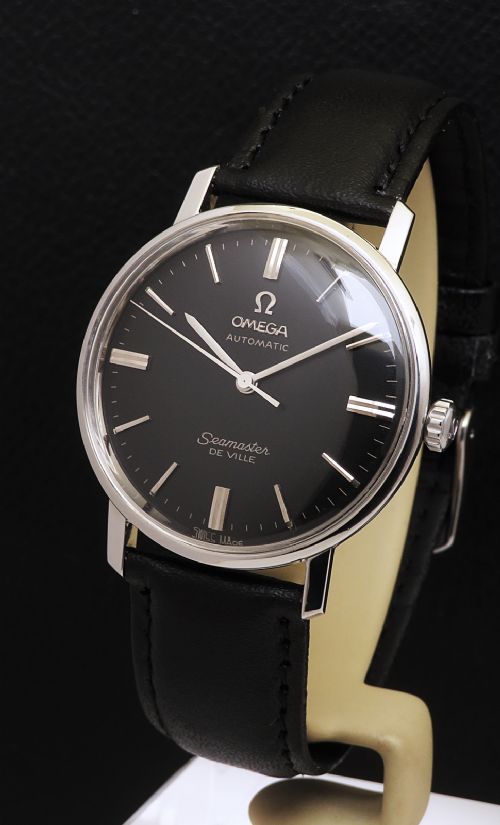
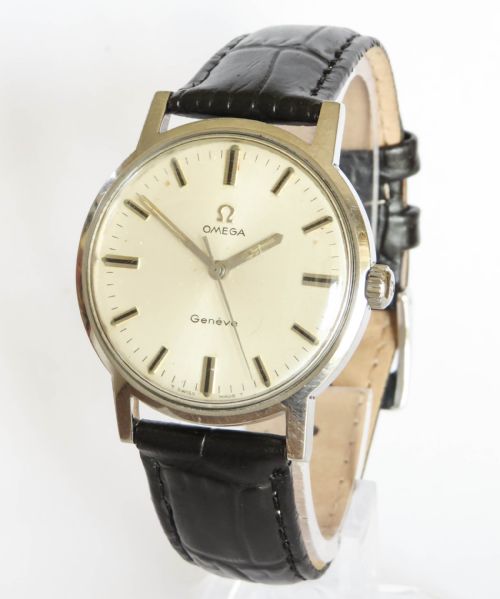
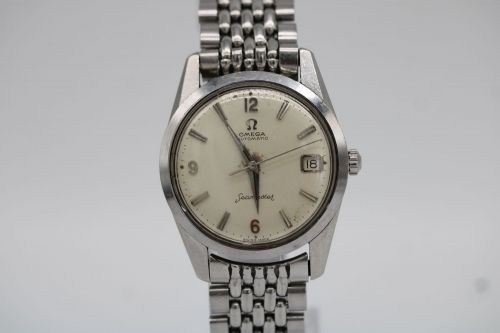
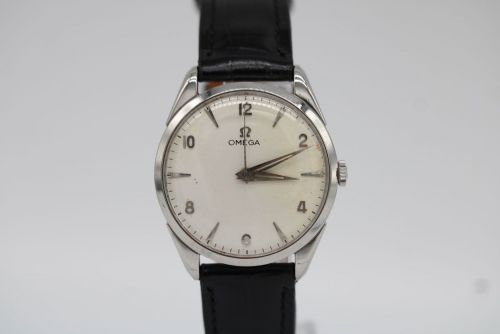
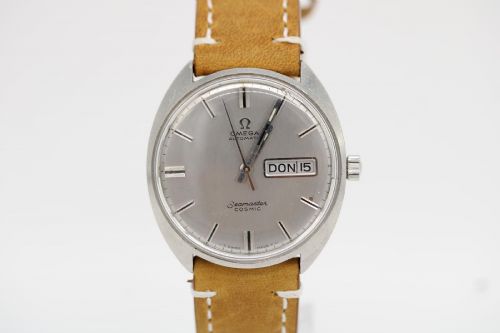
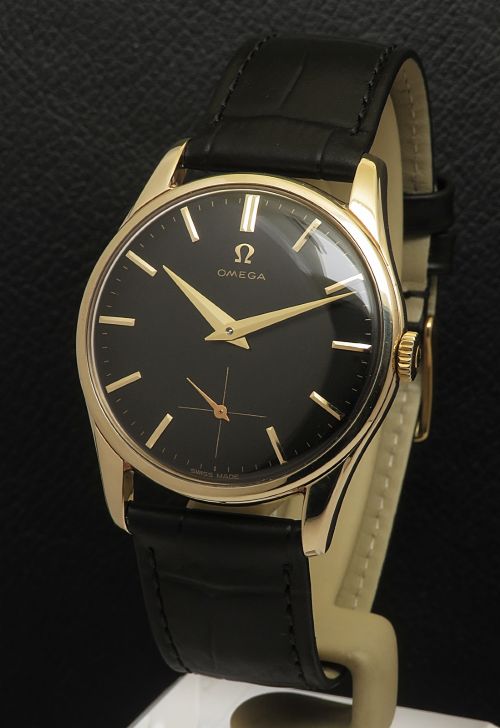
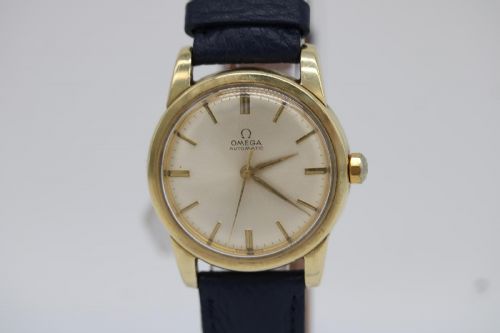
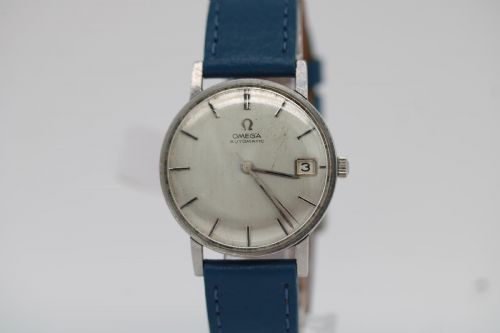
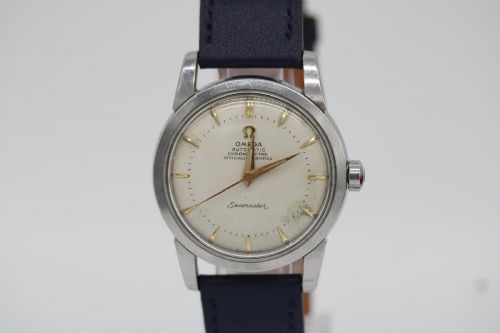
A classic omega watch represents a heritage of Swiss mechanical timepieces spanning the 1930s to the 1970s, with pieces from the 1950s and 1960s appearing most frequently.
The selection encompasses manual wind wristwatches and automatic movements, often housed within iconic lines like the Seamaster, Geneve, and De Ville.
Buyers encounter formats ranging from robust stainless steel daily wearers to solid 9ct gold and gold-plated dress pieces reflecting mid-century design principles.
How they were made
Cases utilise metals such as stainless steel, gold plate, and solid 9ct gold, protecting internal mechanical calibres driven by manual wind or automatic rotor systems.
Dials are glazed with acrylic or acrylic glass, protecting delicate hands and hour markers while displaying sunburst patterns, patinated finishes, and textured chapter rings.
Movements rely on precision gear trains and jewelled pivots developed in Swiss workshops, paired with leather straps secured by metal pins.
Listings span four decades of production, incorporating stainless steel, gold plate, and solid 9ct gold alongside leather straps and acrylic glass.
What varies in quality
The grade of a piece depends heavily upon the preservation of its original dial texture, case edges, and the integrity of its mechanical movement.
Examples retaining factory-original components and documented service histories command higher regard than those modified with replacement parts or heavily polished cases.
Omega
The Classic Omega Watch Glossary
- Calibre
- The specific internal mechanical movement manufactured by the watchmaker. Each calibre number identifies a distinct engineering design and layout.
- Manual wind
- A movement requiring the wearer to manually turn the crown to tension the mainspring. This traditional mechanism avoids the thickness of an automatic rotor.
- Automatic
- A self-winding mechanical movement driven by an internal weighted rotor that moves with the motion of the wearer's wrist.
- Acrylic glass
- A transparent synthetic material used for watch crystals. It provides a warm visual distortion and can be easily polished to remove minor scuffs.
- Patinated dial
- An aged watch face showing natural discoloration or speckling caused by age and exposure to the elements. Collectors value this authentic sign of time passing.
Classic Omega Watch: Frequently Asked Questions
How do I wind a manual watch?
Rotate the crown clockwise between your thumb and forefinger until you feel gentle resistance. Stop immediately to avoid damaging the mainspring.
Wind the watch at roughly the same time each day to maintain consistent tension and accurate timekeeping throughout wear.
Can I wear my vintage watch daily?
Most pieces handle daily wear comfortably if treated with care regarding water exposure and impacts. Regular gentle use keeps the oils within the mechanical movement properly distributed.
Vintage models lack modern waterproof seals, so keep them away from swimming pools, showers, and heavy rain.
What does a watch service involve?
A watchmaker disassembles the entire movement, cleans each gear and pivot in specialised solutions, and inspects components for wear. The mechanism is then reassembled, lubricated with fresh oils, and regulated for accuracy.
Servicing every few years ensures the internal metal components avoid friction damage over decades of continuous operation.
How do I identify the production year?
Look inside the case back or examine the movement serial number stamped directly onto the calibre. Reference tables match these sequential numbers to specific production years.
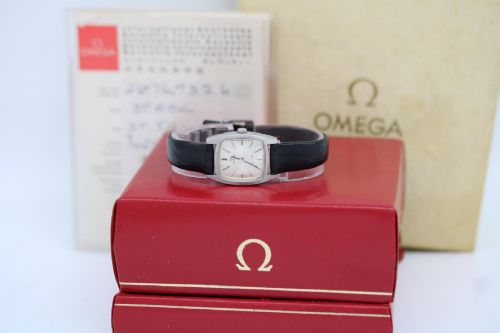
Documentation, extract papers from the manufacturer, or engraved case references often provide exact manufacturing dates.