
Classic Oil Portrait
A classic oil portrait captures character and presence in pigment, offering a tangible link to past centuries through accomplished brushwork.
Understanding the classics
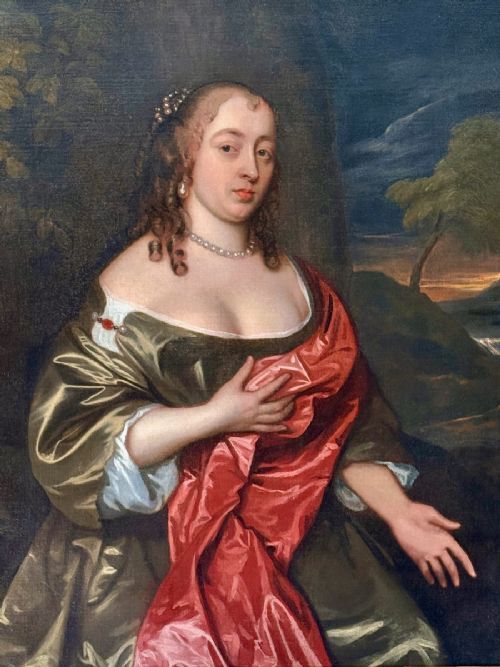
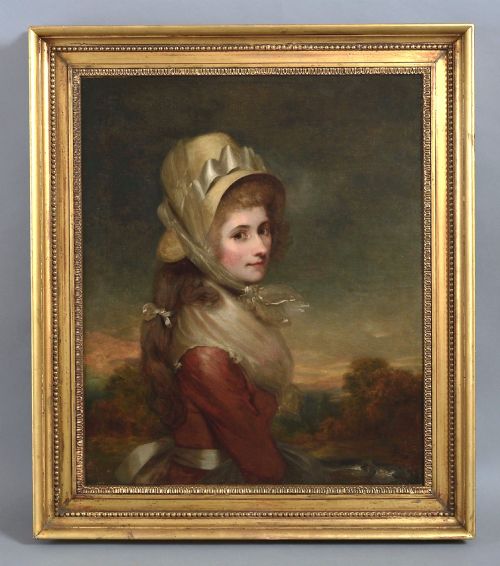
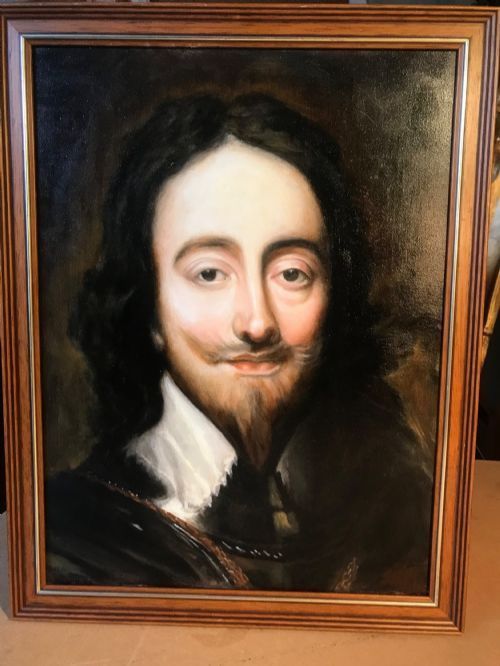
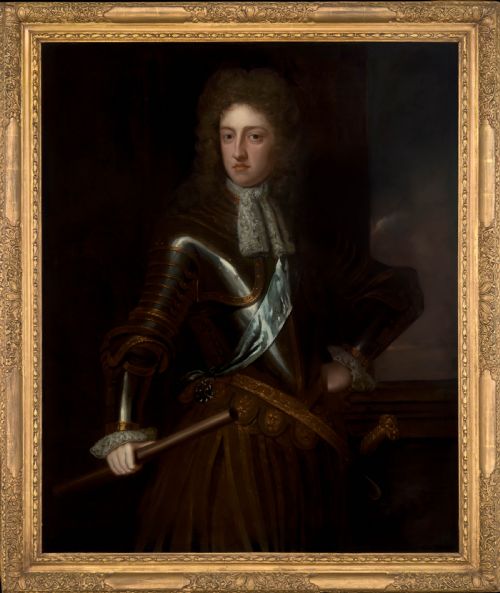
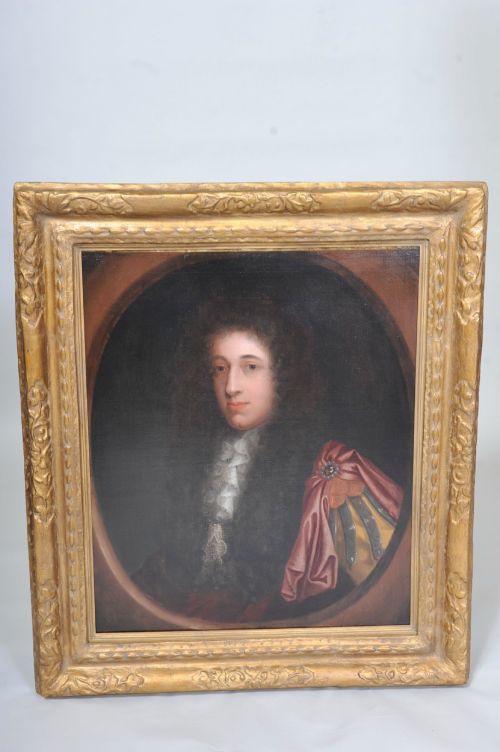
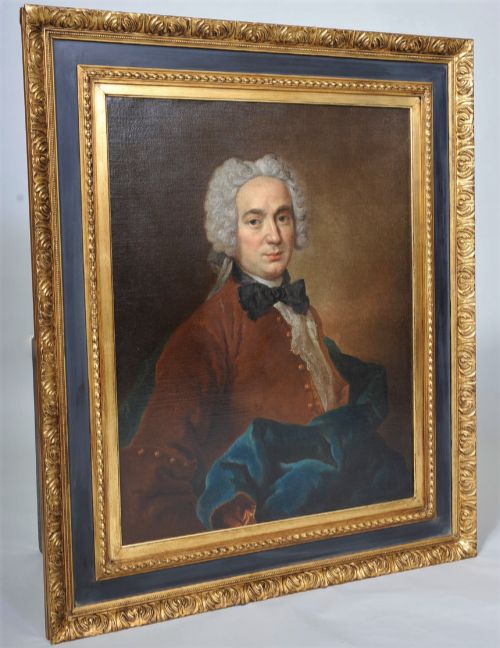
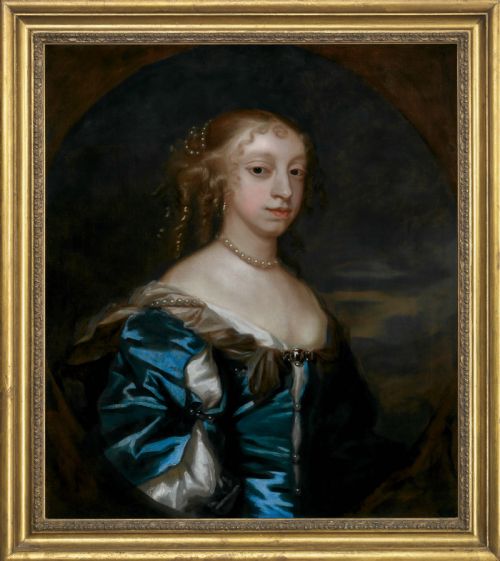
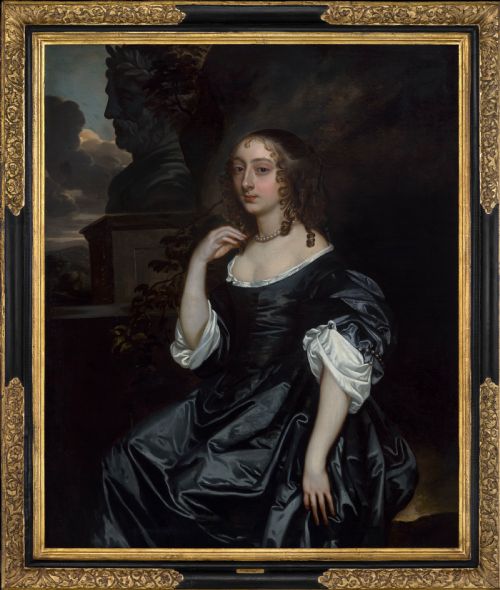
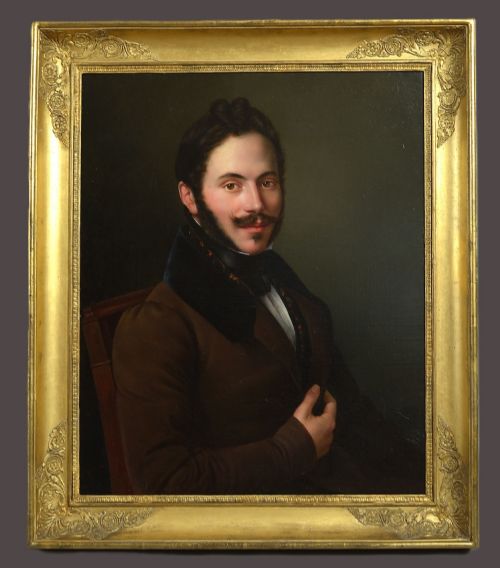
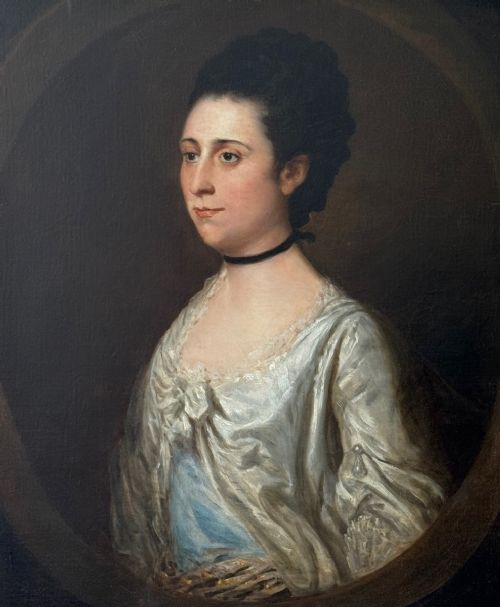
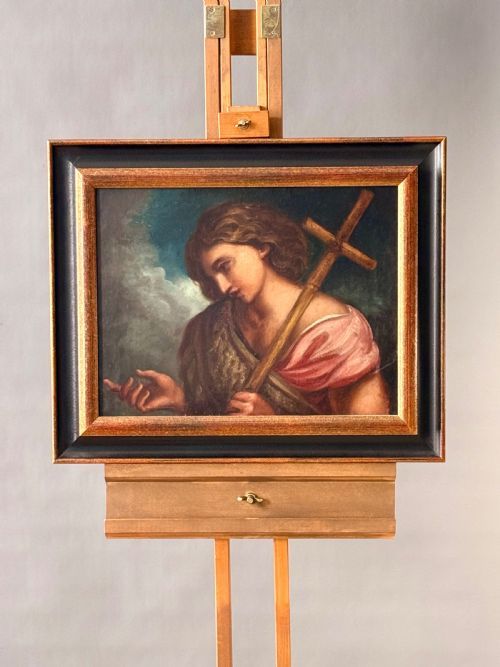
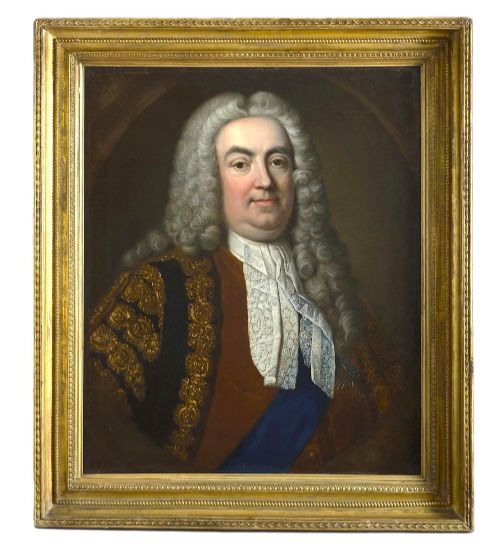
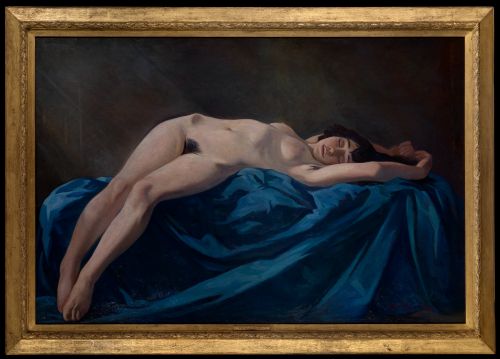
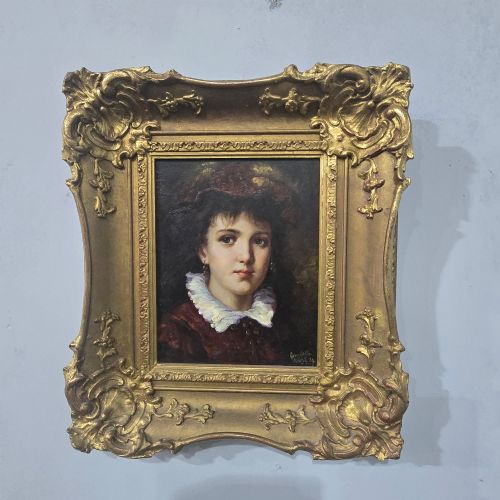
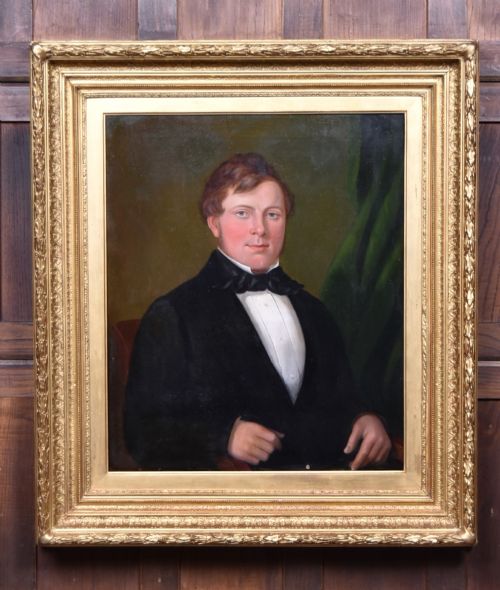
A classic oil portrait represents a historical subject rendered in traditional media, spanning the seventeenth, eighteenth, and nineteenth centuries. These works range from formal depictions of identifiable figures to evocative studies of gentlemen and ladies in period attire.
The selections available here reflect diverse historical contexts, including Restoration baroque grandeur, Georgian composure, and Victorian detail. Buyers frequently encounter canvas supports housed within gilded wood frames that complement the painting style.
Materials and construction
Artists painted primarily using oil paint applied to woven canvas supports, occasionally utilising card layers for reinforcement during later periods. These grounds allowed for smooth blending of tones and the build-up of rich surface textures over time.
Frames incorporate timber and giltwood construction, frequently finished with gold leaf to provide an ornate border. The combination of organic wood frames and oil-based pigments ensures durability across centuries.
Retail Price Guide 2026
Typical UK retail prices for classic oil portrait, calculated from the Sellingantiques database of over a million retail prices indexed since 2003. This retail price guide relies exclusively on Sellingantiques data; no external sources or auction records are used, so the figures do not describe the wider market.
Subjects range from aristocratic counts to conchologists wearing lace mop caps.
Distinguishing quality
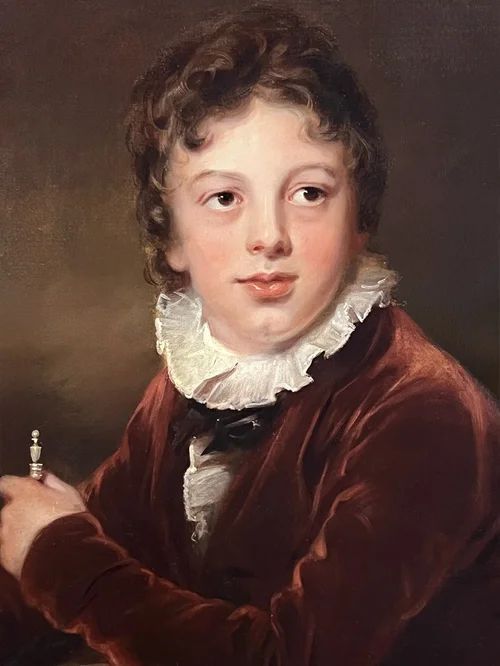
Quality rests in the precision of facial rendering and the handling of fabric drapery, where skilled artists achieve convincing depth and illumination. Studio output demonstrates differing degrees of anatomical accuracy and tonal harmony compared to primary master hands.
The integrity of the original canvas and the preservation of the surrounding giltwood frame influence the overall character of the piece. Superior examples retain their original surface tension and crispness of carved detail without excessive intervention.
Sir Peter Lely·Marcellus Laroon·John Greenhill·William Huggins·George Romney
The Classic Oil Portrait Glossary
- Canvas
- A heavy woven fabric stretched across a wooden frame to serve as a stable support for oil paintings. It provides the characteristic texture seen beneath historic paint layers.
- Giltwood
- Timber carved and coated with a thin layer of gold leaf or metallic powder to create a decorative frame. This technique protects the underlying wood while offering a brilliant finish.
- Restoration
- A historical period spanning the mid to late seventeenth century noted for revived artistic patronage and baroque portrait conventions. Paintings from this era often feature rich drapery and direct gazes.
- Studio of
- A designation indicating a work produced by assistants or pupils working under the direct supervision of a master artist. Such pieces typically follow the established compositional style of the primary hand.
Frequently Asked Questions
How old are these portraits?
The works span multiple centuries, ranging from seventeenth-century Restoration pieces to eighteenth-century Georgian canvases and later nineteenth-century examples.
Each period exhibits distinct stylistic conventions in clothing, hairstyle, and framing techniques that help determine its era.
What materials were used?
Artists relied on traditional oil paints applied directly onto woven canvas supports, sometimes using card backing for structural reinforcement.
Frames are constructed from timber and finished with applied gold leaf or giltwood details.
How should I hang one?
Portraits require stable interior wall environments away from direct sunlight and dramatic fluctuations in temperature or humidity.
Ensure that the wall fixings can securely support the combined weight of the heavy timber and giltwood frames.
What does studio of mean?
This attribution indicates that a painting was executed in the workshop of a recognised master, often involving the assistance of trained pupils.
Such works share the aesthetic standards and compositional style of the primary artist.