

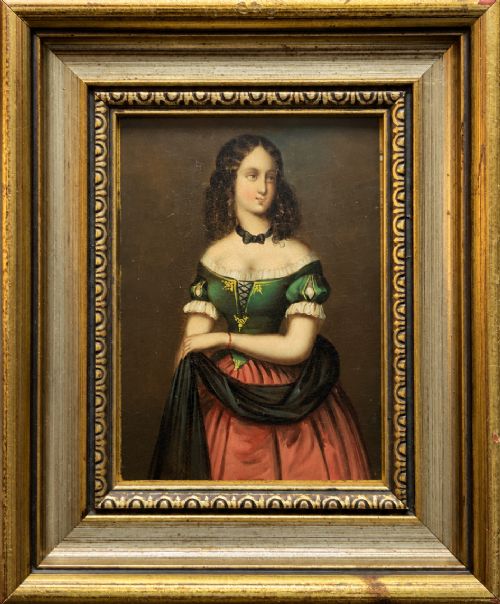

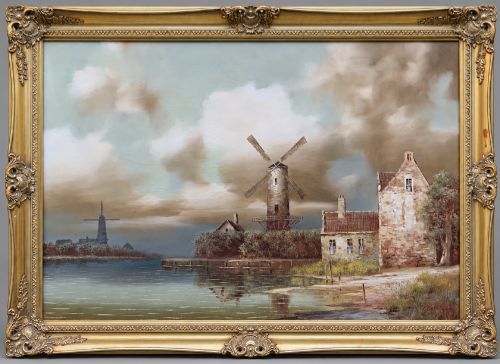



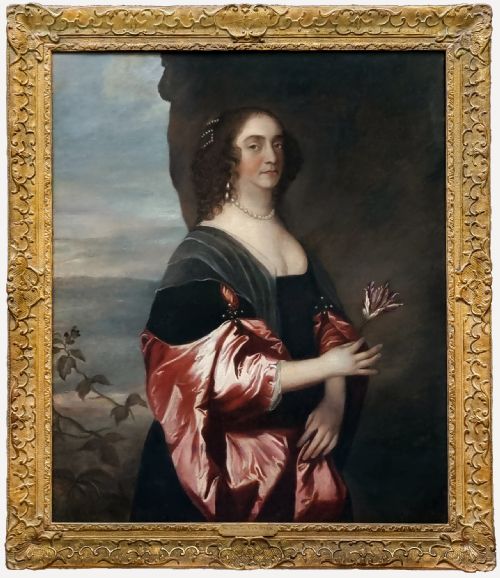


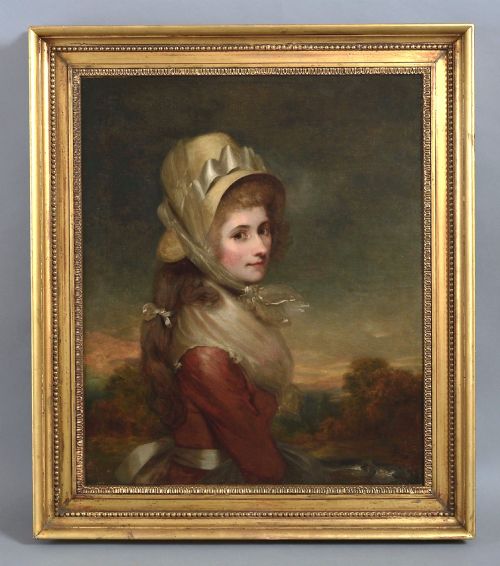
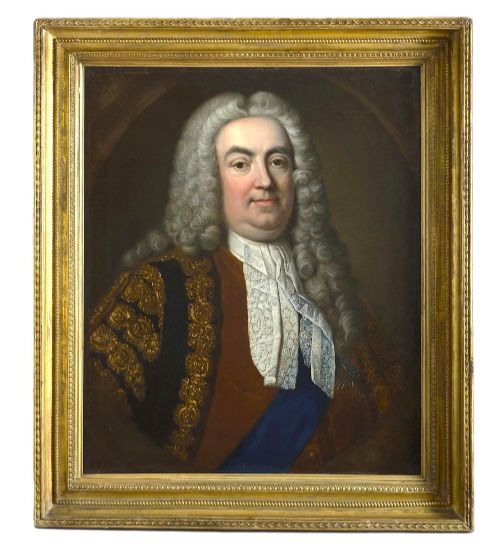
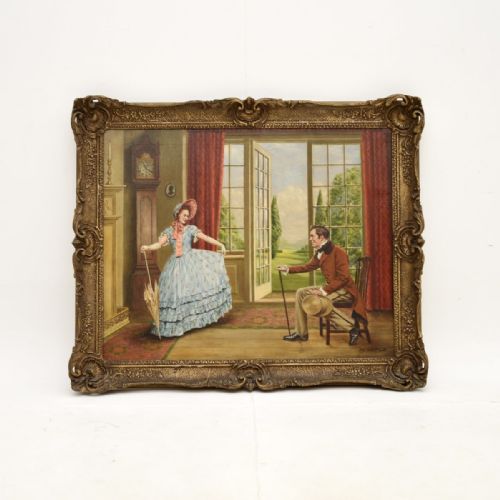
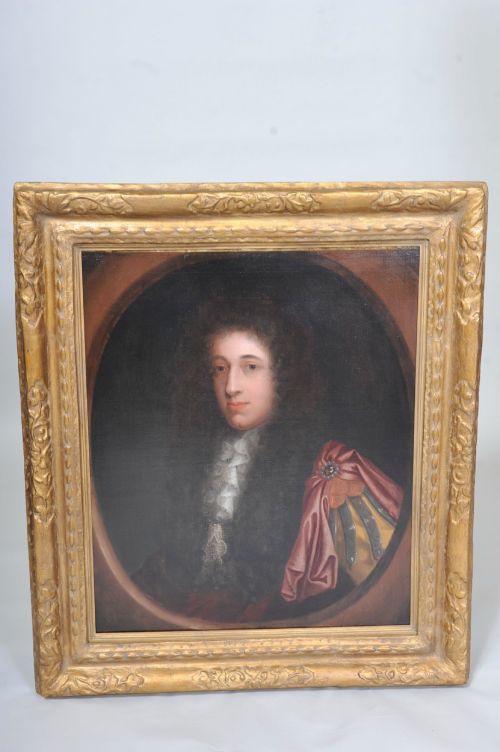



Classic Oil Painting Gilt Frame
When you search for a classic oil painting gilt frame, you are looking at centuries of portraiture and landscape bound in carved timber.
Classic Oil Painting Gilt Frame
A classic oil painting gilt frame brings together historic fine art and elaborate wooden surrounds. You will find works spanning from the seventeenth century through to the mid twentieth century, encompassing portraits, landscapes, and still life scenes.
The selection ranges from early English and Dutch school portraits to Victorian animal studies and coastal views. Canvases and boards carry pigment layered by notable hands and anonymous studios alike, held firmly within period housings.
Most examples you will encounter combine nineteenth century canvases with ornate wooden mouldings. These objects represent both the painter's art and the gilder's craft preserved as a single unit.
How they were made
Makers built the surrounds using timber foundations coated in gesso, a smooth mixture of plaster and binder that accepted intricate relief work. Artisans then applied thin sheets of gold leaf over boluses to achieve the characteristic metallic sheen.
Painters laid oil paint onto stretched canvas or wooden boards, building depth through successive glazes and opaque layers. The finished works were secured directly into their custom wooden housings.
Carvers shaped the decorative motifs by hand before gilding, creating corners and borders that matched the aesthetic of the period.
Classic Oil Painting Gilt Frame Retail Price Guide 2026
Typical asking prices for classic oil painting gilt frame among the pieces listed under this phrase on Sellingantiques today, from the lower quarter to the upper quarter. They describe what is for sale here now, not the wider market.
Listings feature works executed on canvas and board, paired with wooden and gesso surrounds from the seventeenth to the twentieth century.
What varies in quality
The depth and precision of the carved gesso ornamentation set exceptional housings apart from standard commercial examples. Finer surrounds exhibit crisp leaf work and substantial timber frames that retain their structural integrity.
The artistic execution of the canvas itself dictates the standing of the piece, with master attribution and nuanced brushwork commanding greater regard. The harmony between the artwork and its protective surround also influences the overall cohesion of the object.
Sir Martin Archer Shee·Sir Peter Lely·Jean Baptiste Van Loo·Nicolaes Maes
The Classic Oil Painting Gilt Frame Glossary
- Giltwood
- Wood that has been coated with gold leaf or gold paint. This finish provides the bright reflective surface characteristic of antique decorative framing.
- Gesso
- A plaster mixture applied to wooden frames as a base for gilding. It allows artisans to carve fine relief details before applying gold leaf.
- Oil on Canvas
- Pigment mixed with drying oil applied to a woven fabric support. This technique allowed artists to achieve rich colours and subtle blended tones.
- Baroque
- An artistic style from the seventeenth and early eighteenth centuries known for drama and grand ornamentation. Frames from this era often feature heavy, dynamic relief carving.
Classic Oil Painting Gilt Frame: Frequently Asked Questions
How do I clean a gilt frame?
Dust the carved surfaces gently with a soft, dry brush to prevent accumulation. Avoid using liquid cleaners or abrasive cloths that might damage the delicate gold leaf.
Test any maintenance approach on a hidden corner first. Professional conservation is advised for historic pieces showing flaking gesso.
Where should I hang these paintings?
Position your artwork away from direct sunlight and steady moisture sources to protect both canvas and wooden surround. Stable indoor temperatures prevent warping in the timber.
Ensure the wall fixings match the substantial weight of the piece. Secure mounting keeps both the painting and its housing safe.
How do I date a frame?
Examine the timber construction methods and the composition of the gesso layer beneath the gold leaf. Joinery techniques and tool marks often reveal the manufacturing era.
Compare the decorative motifs with known stylistic periods such as Baroque or Rococo revival. The backing boards and nails can also offer clues to the age.
Can I change the canvas?
Historic canvases and their original housings are generally considered a unified pair. Altering the combination disrupts the historical integrity of the piece.
Keep the original artwork secured within its designated surround where possible. Collectors value the intact pairing of painting and period frame.