





19th Century Aristocratic Portrait
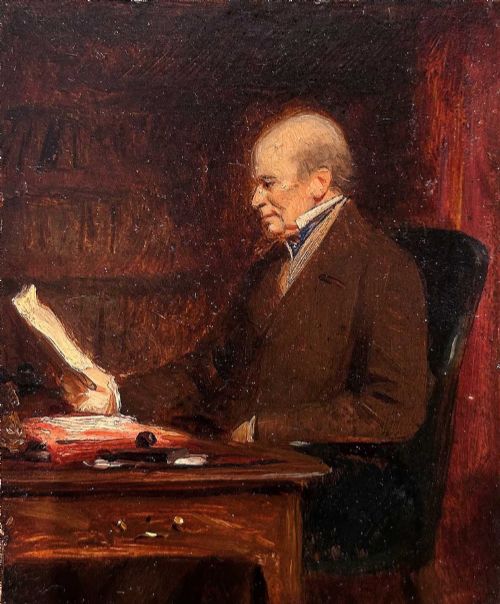
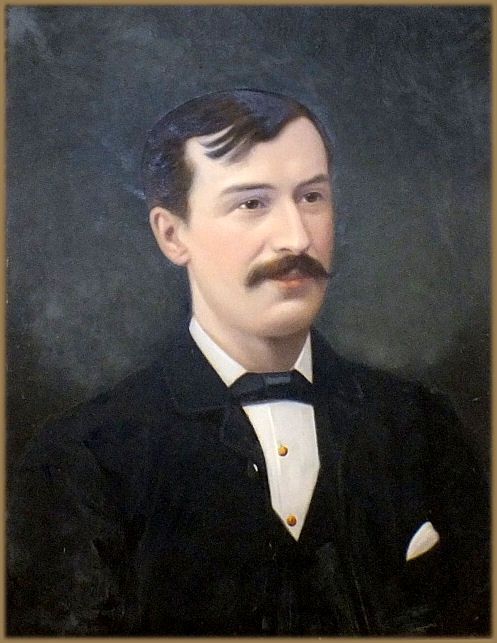
A 19th century aristocratic portrait captures the likenesses of dukes, earls, and countesses through oils on canvas and watercolour on paper, offering direct contact with high society.
19th Century Aristocratic Portrait
A 19th century aristocratic portrait brings noble figures, peers, and political leaders into domestic spaces through formal oil paintings and delicate works on paper. When searching for a 19th century aristocratic portrait, buyers encounter depictions ranging from Regency subjects to Victorian dignitaries, often identified by name, title, or noble lineage.
The works available display recognizable historical personages, including dukes, earls, and viscounts, alongside aristocratic women and children attended by pets. These pieces frequently record high-status individuals wearing official orders, robes, or contemporary formal attire such as frock coats.
Origins span British fine art traditions alongside continental influences, with pieces emerging from specific periods like the 1800s, 1860, and Regency eras. Buyers meet both original contemporary studies and later interpretations after earlier masters like Sir Anthony van Dyck.
Canvas, oil paint, and gilded frames
The primary technique relies on oil paint applied to canvas, capturing the rich textures of velvet, lace, and military uniforms with deep pigments and layered glazes. Some portraits utilise pencil and watercolour on paper, particularly in preparatory studies or smaller works intended for intimate display.
Many of these fine art paintings retain their original framing, incorporating gilt wood and ornate giltwood surrounds that reflect nineteenth-century interior taste. The physical construction combines stretched canvas over wooden frames, occasionally augmented by retrospective plaques identifying the sitter.
19th Century Aristocratic Portrait Retail Price Guide 2026
Typical asking prices for 19th century aristocratic portrait among the pieces listed under this phrase on Sellingantiques today, from the lower quarter to the upper quarter. They describe what is for sale here now, not the wider market.
Current listings feature nineteenth-century oil paintings and watercolours depicting British and European aristocracy, utilising canvas and paper supports within gilt wood frames.
Execution, provenance, and framing
Quality separates through the precision of facial expression and the fidelity of anatomical rendering achieved by named artists working within established traditions. Works executed by documented painters with known exhibition histories or royal patronage command greater attention than anonymous English school output.
The preservation of the paint layer, freedom from heavy restoration, and the presence of contemporary giltwood frames heavily influence the overall integrity of the piece. Biographical depth, such as the inclusion of legible heraldic details or specific orders of knighthood, elevates the historical weight of the portrait.
Stephen Pearce·Franz Xaver Winterhalter·George Perfect Harding·Richard Buckner·George Hamilton Barrable·Sir William Beechey·John Partridge·George Hayter·George Dawe·Henry Wyatt
The 19th Century Aristocratic Portrait Glossary
- Regency
- A period spanning the early nineteenth century characterised by neoclassical elegance in portraiture and interior decoration. It frequently precedes the heavy ornamentation of the Victorian era.
- Giltwood
- Wood carved and coated with gold leaf, used extensively for nineteenth-century picture frames. This material provides the traditional heavy border suited to grand aristocratic art.
- Oil on canvas
- A painting technique utilising pigments bound with drying oils applied to a woven fabric support. This combination offers durability and rich colour depth essential for formal portraiture.
- Watercolour
- A painting method where fine pigment is suspended in a water-based solution on paper. George Perfect Harding utilised this technique for detailed historical portrait studies.
- Provenance
- The documented history of ownership associated with a work of art. In aristocratic portraits, reliable provenance often connects the sitter directly to stately home collections.
19th Century Aristocratic Portrait: Frequently Asked Questions
How do I identify the sitter in an aristocratic portrait?
Sitters are frequently identified by inscriptions on the canvas, stretcher, or accompanying plaques detailing their name, title, and noble house. Catalogues and historical records often link these portraits to specific family lines and peerage rolls.
Heraldic symbols, coronets, and military honours worn within the painting also provide concrete clues to the individual's identity and rank.
What is the difference between an oil painting and a watercolour portrait?
Oil paintings on canvas offer rich textures, deep colour saturation, and a formal presence intended for grand reception rooms. They handle large-scale depictions of elaborate fabrics and insignia with durability.
Watercolour works on paper provide an intimate, precise likeness often utilised for preparatory studies or smaller domestic interior displays.
How should I hang and light a 19th-century portrait?
These portraits require stable indoor environments away from direct sunlight and excessive humidity to protect the delicate oil pigments and paper supports. Wall placement should utilise sturdy fixings capable of supporting heavy giltwood frames.
Directional LED picture lights positioned above the frame enhance the visibility of darker background varnishes without generating harmful heat.
Are these portraits original works from the nineteenth century?
The pieces listed include original nineteenth-century works executed during the lifetimes of the sitters or contemporary artists working in the period. Some examples represent later interpretations or copies after earlier seventeenth-century masters like van Dyck.
Examining the canvas preparation, stretcher construction, and framing style helps determine the exact period of manufacture.