


Classic Mid Century Wristwatch
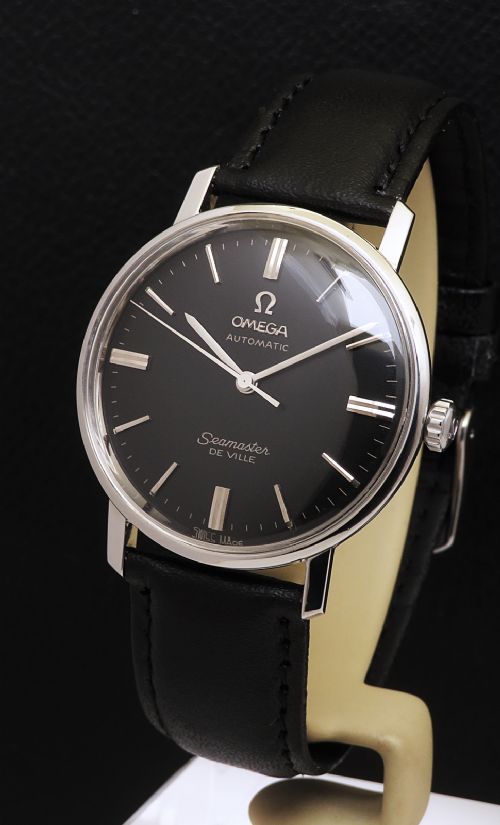
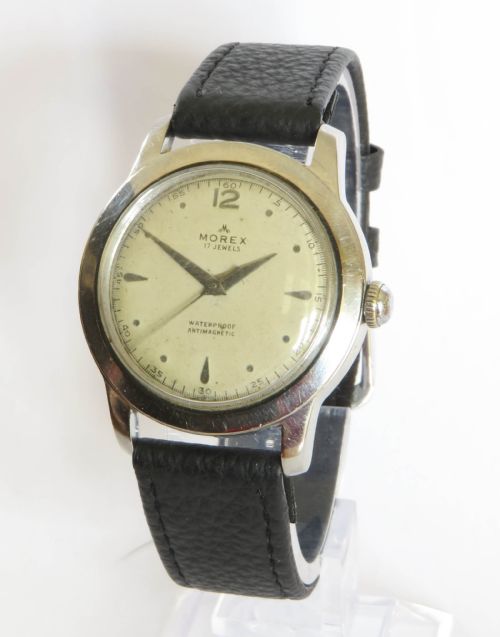
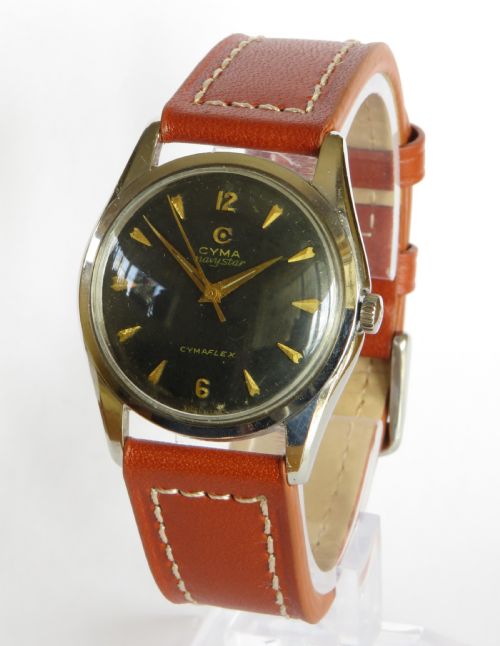
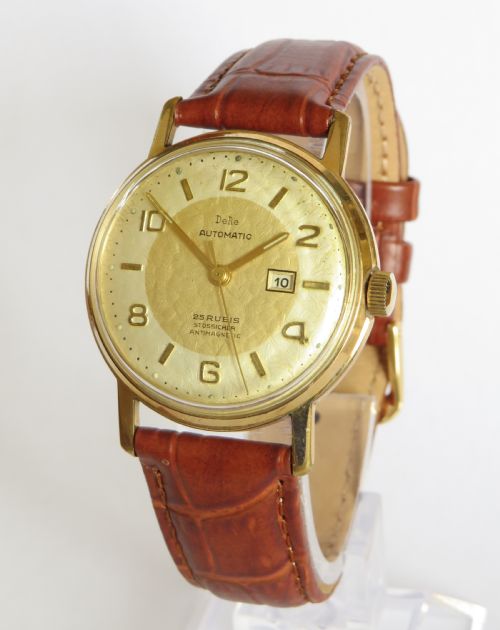
These classic mid century wristwatch examples span the nineteen-forties, fifties, and sixties, offering mechanical precision and timeless styling.
Classic Mid Century Wristwatch
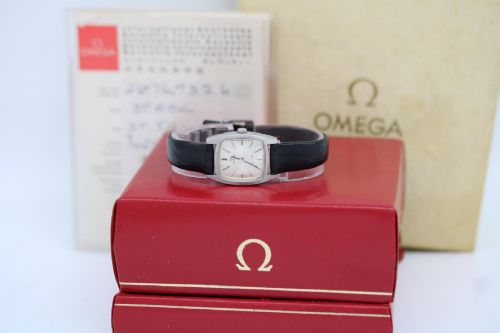
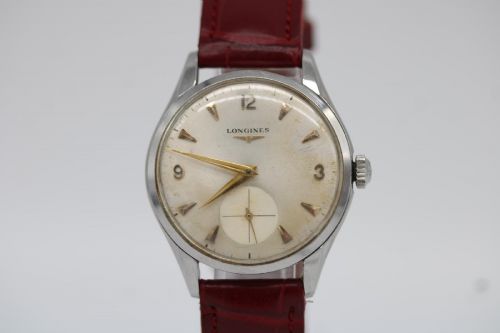
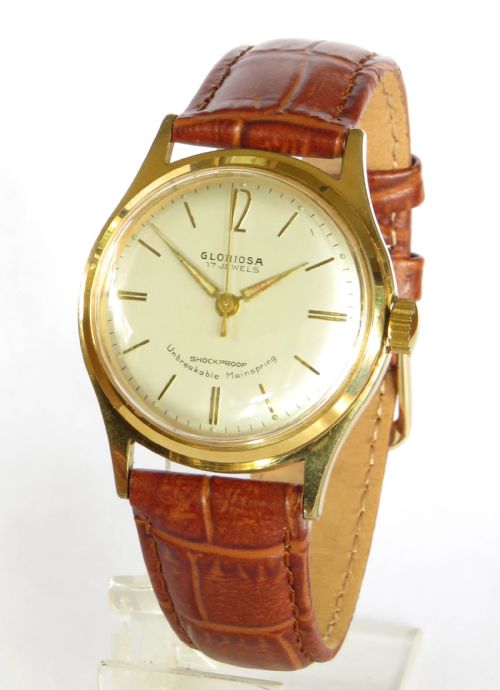
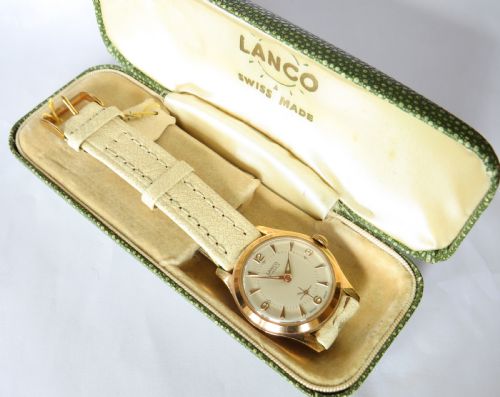
Makers appearing in the inventory include Omega, Longines, Cyma, Eterna, Smiths, Lanco, Morex, DeRe, Gloriosa, Rotary, Marvin, Prisma, and Certina. These items showcase the period focus on clean dials and reliable movements.
How they were made
Watchmakers utilised robust materials such as stainless steel, gold plate, chrome, and leather for straps and cases. Dials were protected by glass, acrylic, and acrylic glass.
Movements relied on manual wind and automatic mechanisms, featuring mechanical calibres like the Omega calibre 601 and Longines cal. 12.68Z. Swiss made components and jewelled movements, such as seventeen jewels, ensured dependable timekeeping.
Materials recorded in the inventory include stainless steel, gold plate, chrome, glass, and acrylic.
What varies in quality
Quality differences emerge in the complexity of the movement and the preservation of original components. Fully restored pieces with original boxes and papers sit alongside standard vintage examples.
Case materials also dictate distinction, ranging from standard chrome and gold plate to jumbo steel cases and specialised automatic calibres from established houses.
Omega·Longines·Cyma·Eterna·Smiths·Certina
The Classic Mid Century Wristwatch Glossary
- Automatic
- A self-winding mechanical movement that uses a weighted rotor to wind the mainspring through natural wrist motion.
- Manual wind
- A mechanical watch that requires the wearer to manually turn the crown to tension the mainspring.
- Calibre
- The specific internal movement designation or model number created by a watch manufacturer.
- Acrylic glass
- A lightweight, shatter-resistant plastic material used for watch crystals during the mid-century period.
- New old stock
- Unused vintage inventory discovered in original packaging, preserving the piece in factory condition.
Classic Mid Century Wristwatch: Frequently Asked Questions
How do I wind a manual watch?
Gently rotate the crown clockwise between your thumb and forefinger until you feel slight resistance. Stop immediately to avoid damaging the mainspring.
Perform this action daily at a consistent time to maintain accurate operation of the mechanical movement.
Are these watches waterproof?
Vintage timepieces lack modern rubber gasket seals and pressure resistance. Keep them away from swimming, showers, and heavy rain.
Accidental splashes require immediate drying to prevent moisture entering the case and damaging the dial or movement.
What is an automatic movement?
An automatic movement contains an internal weighted rotor that spins as your wrist moves. This action continually winds the mainspring without manual intervention.
When not worn for a couple of days, the watch will stop and require resetting and a gentle shake to restart.
How do I store a vintage watch?
Store your timepiece in a dry environment away from direct sunlight and strong magnetic fields. A dedicated watch box or padded drawer works best.
If left un-worn for long periods, wind the movement monthly to keep the internal lubricants evenly distributed.