



17 Jewel Mechanical Watch
A 17 jewel mechanical watch offers reliable timekeeping driven by springs and gears, bringing mid-century craftsmanship straight to your wrist.
17 Jewel Mechanical Watch
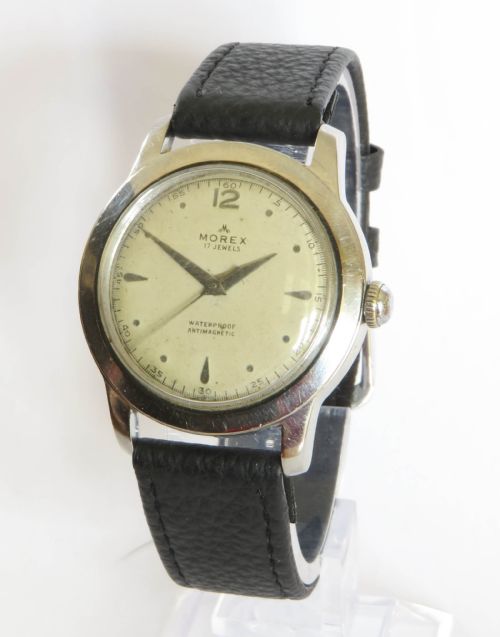
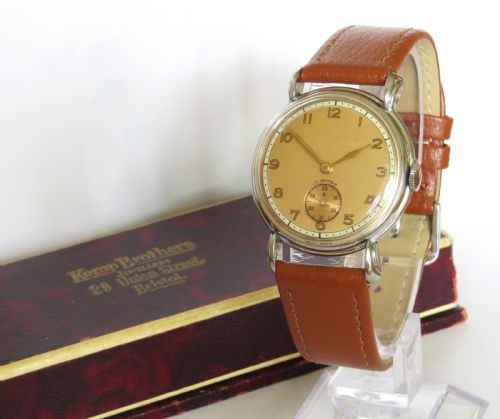
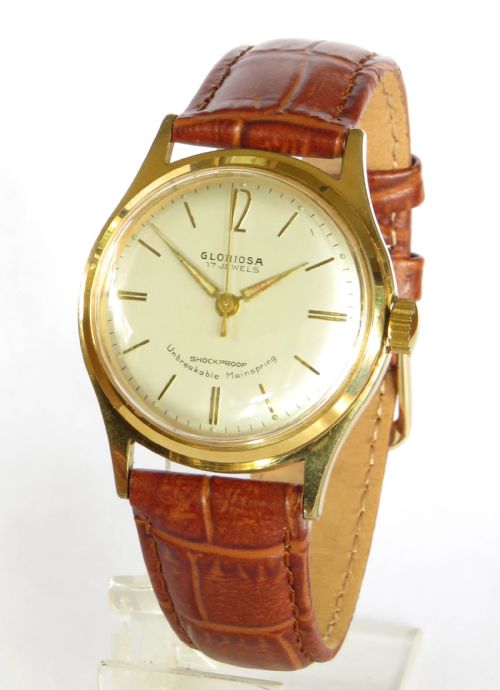
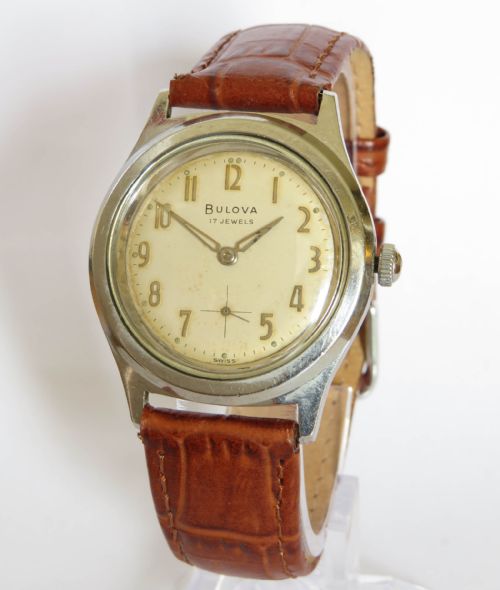
A 17 jewel mechanical watch represents a traditional timekeeper driven by a manual wind movement rather than a battery. These pieces span the 19th Century, 1930, 1950, and 1960 periods, showcasing styles from Art Deco to Mid-Century Modern.
The most common forms you will encounter on this page are gents wristwatches, alongside specialised items like travel fob purse watches. Swiss makers and British manufacturers dominate the selection.
Makers such as Montilier, Seiko, Bulova, Lanco, Smiths, Belair, Invicta, Mappin, Vogel, Longines, Miramar, Avia, and Beltane provide the backbone of these horizontal movements. They are typically worn as everyday accessories or collected as examples of vintage horology.
Materials and Construction
Cases utilise metals such as stainless steel, chrome, gold plate, gold plated metal, and solid 9ct gold or 375 gold. Dials are protected by glass or acrylic crystals.
Straps are frequently formed from leather to complement the metal case construction. Inside, the movements rely on jewels acting as bearings to reduce friction in the gear train.
One clever travel watch tucks safely inside its own leather purse so you can check the time mid-journey.
Quality and Variation
Quality rests in the precision of the movement and the integrity of the case material, moving from chrome-plated brass up to solid 9ct gold. Finer examples feature chronograph complications, moonphase displays, or triple date functions alongside standard timekeeping.
Condition is defined by the preservation of the dial, the clarity of the acrylic or glass crystal, and the originality of the hands and case. Swiss and British manufacturing standards dictate the mechanical longevity of each piece.
Montilier·Seiko·Bulova·Smiths·Belair·Invicta·Mappin·Vogel·Longines·Miramar·Avia·Beltane
The 17 Jewel Mechanical Watch Glossary
- Mechanical watch
- A timepiece powered by a mainspring that must be wound manually, transferring energy through a series of gears. It contains no electronic components.
- Jewels
- Synthetic rubies or sapphires placed at pivot points within the movement to reduce friction and wear between moving metal parts. Seventeen jewels represents the standard functional complement for a fully jewelled watch.
- Chronograph
- A watch equipped with a display function for elapsed time, often operating via independent pushers on the side of the case. It allows the wearer to measure short durations independently of the primary timekeeping hands.
- Moonphase
- A complication on the dial that graphically tracks the lunar cycle as it waxes and wanes. This feature adds complexity to the gear train beyond standard hours, minutes, and seconds.
- Manual wind
- A movement powered entirely by turning the crown by hand to tension the mainspring. Unlike automatic calibres, it relies on no internal rotor weight.
17 Jewel Mechanical Watch: Frequently Asked Questions
How often should I wind my mechanical watch?
You should wind your manual watch once a day, preferably at the same time each morning, to maintain a consistent tension on the mainspring.
Stop winding the moment you feel firm resistance to avoid damaging the internal spring mechanism.
Are these watches water resistant?
Vintage mechanical pieces generally lack modern rubber gaskets and waterproof sealing systems. You should keep them well away from water, swimming, and heavy rain.
Accidental splashes require immediate drying to prevent moisture from entering the case and rusting the steel components.
What is a travel fob purse watch?
A travel fob purse watch is a portable timepiece housed inside its own protective leather case or sleeve. It was designed to sit upright on a bedside table or be carried securely in a pocket.
The Vogel piece listed here is a prime example of this folding design.