


Classic Metal Light
These classic metal light examples combine brass, bronze, and silver plate into chandeliers, lamps, and wall brackets that anchor a room.

Classic Metal Light
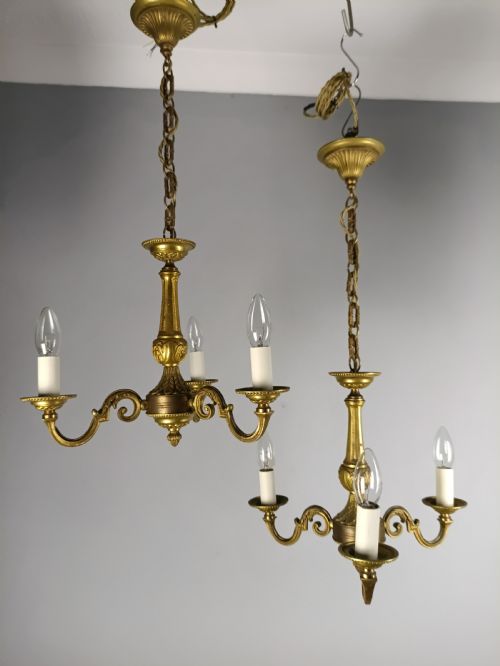
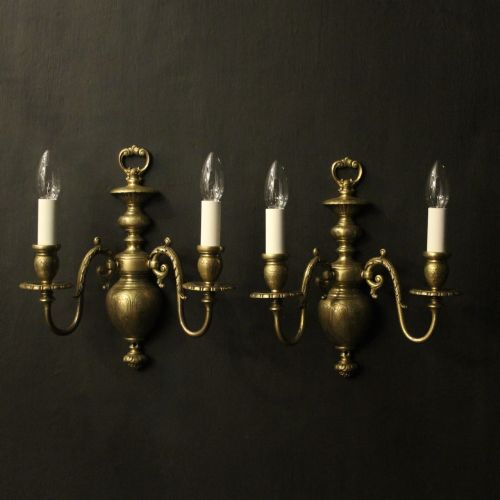
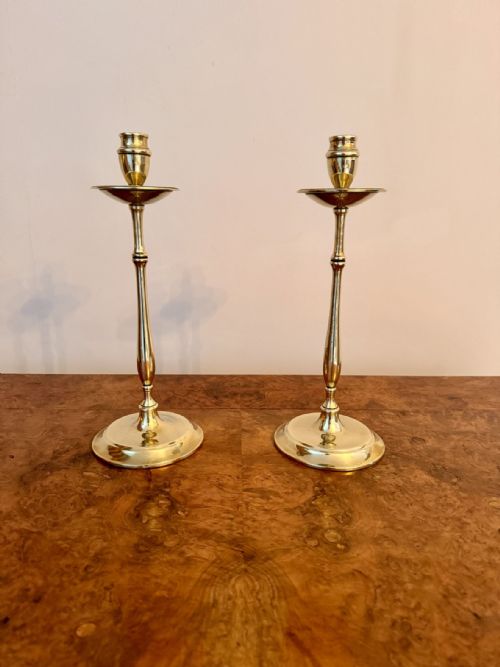
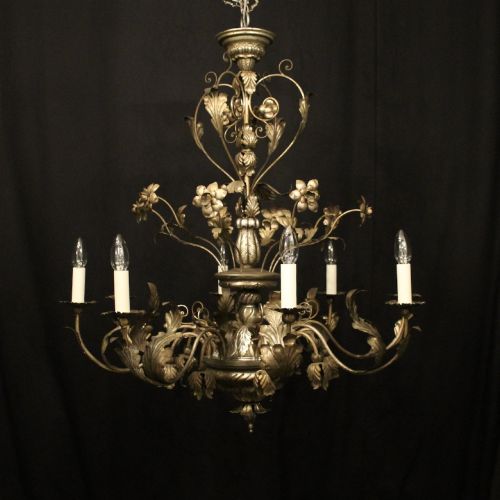
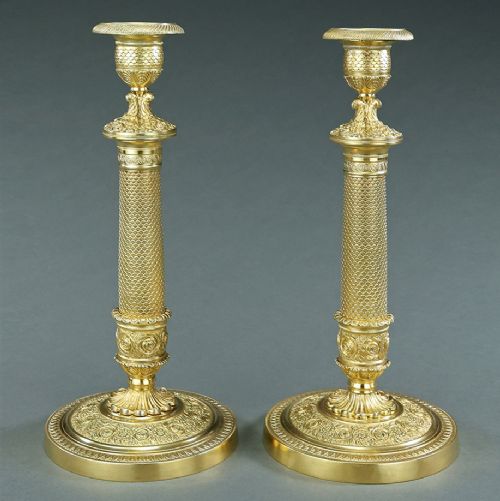
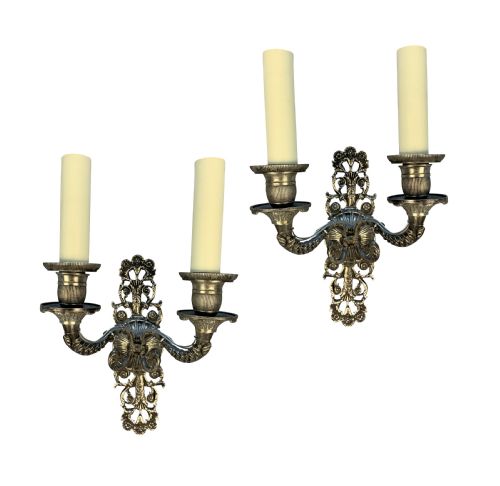
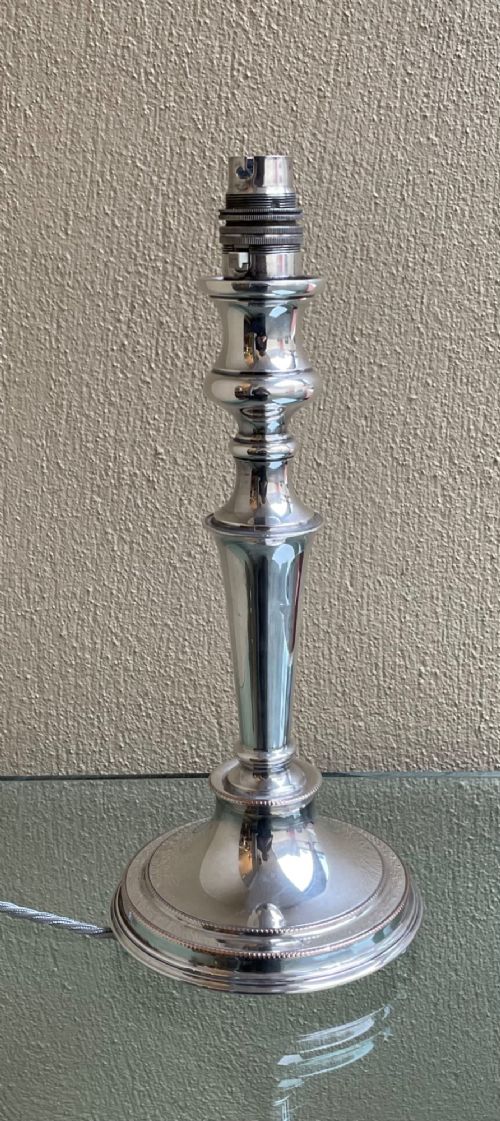
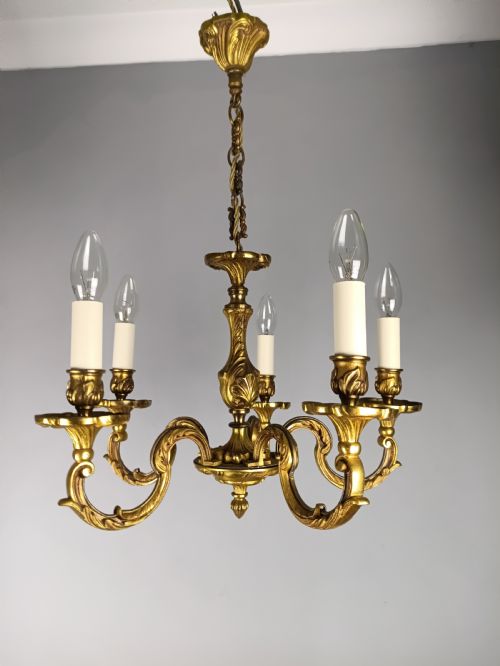
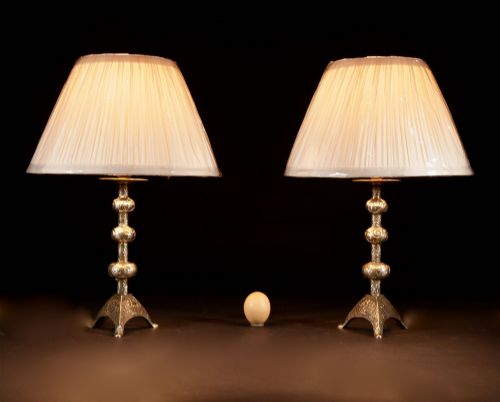
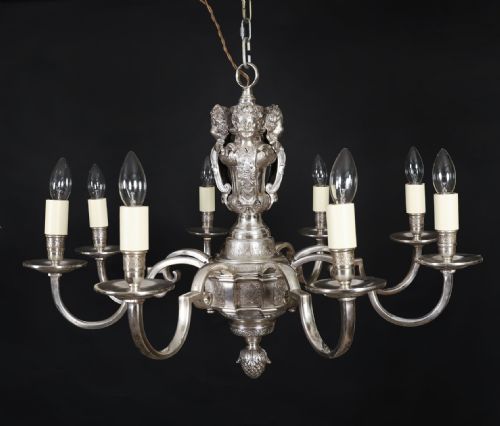
When you search for a classic metal light, you encounter diverse functional forms ranging from multi-armed chandeliers and wall lights to desk lamps, floor standards, and candlesticks. The selection spans domestic lighting equipment produced across the eighteenth, nineteenth, and early twentieth centuries.
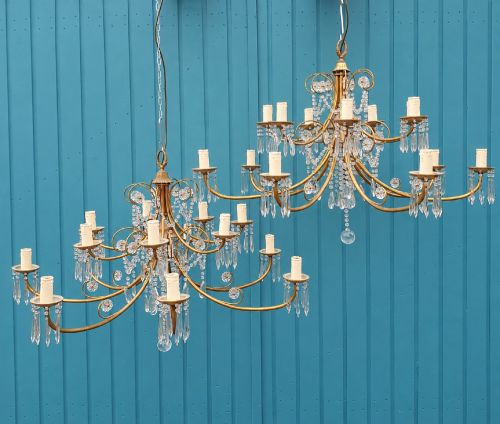
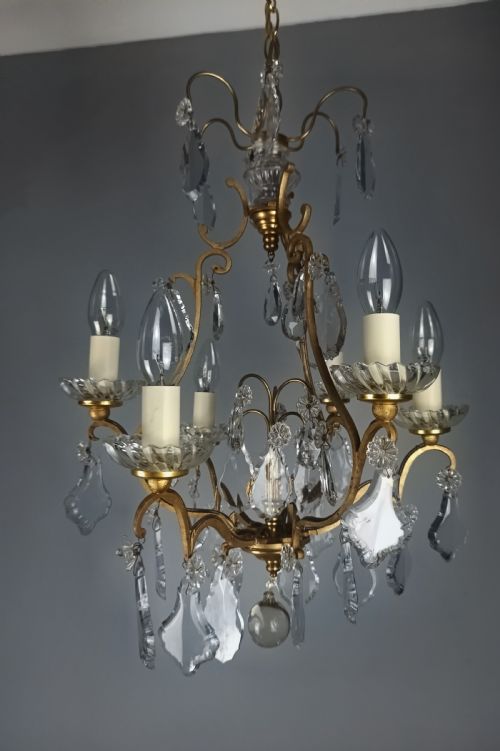
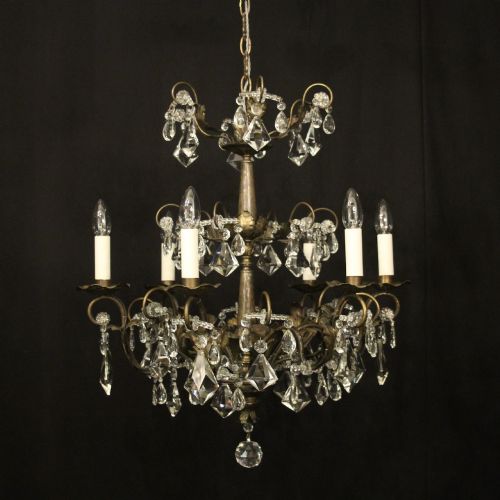
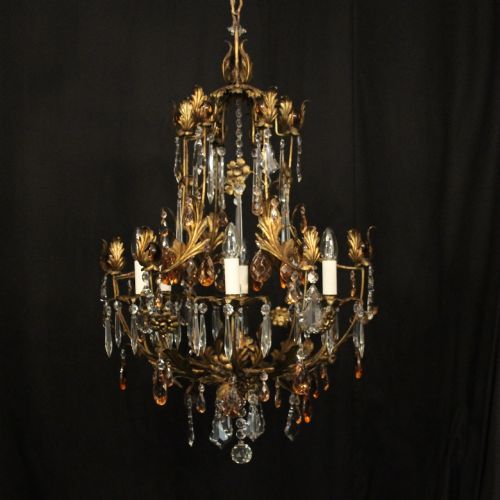
Chandeliers and table lamps dominate the physical evidence, often originating from French and Italian workshops. These items combine structural metal frames with glass, crystal, fabric shades, or alabaster mounts to diffuse illumination.
Period pieces draw upon historical design vocabulary including Edwardian, Victorian, Georgian, and French styles such as Empire, Neoclassical, and Rococo Revival. These influences manifest in cast bronze, spun brass, and plated metal assemblies.
How they were made
Maker construction relies heavily on brass, bronze, and gilt metal shaped through casting, forging, and seaming techniques. Silver plating and fire gilding provide durable surface finishes across many examples.
Glass and crystal drops, beads, and pendeloques integrate into chandeliers and wall lights using wire bindings. Fabric elements and painted toleware components introduce contrasting textures to metal frames.
Classic Metal Light Retail Price Guide 2026
Typical asking prices for classic metal light among the pieces listed under this phrase on Sellingantiques today, from the lower quarter to the upper quarter. They describe what is for sale here now, not the wider market.
Listings include brass, bronze, silver plate, and crystal across chandelier and lamp forms.
What varies in quality
The refinement of cast ornament defines the upper tier of objects, where chased detail on gilt bronze and brass remains crisp and deep. Secondary examples show softer casting lines and simplified mounts.
Materials and structural integrity separate standard utility items from luxury commissions. Heavy gauge metals, intact silver plating, and integrated crystal components indicate higher original production standards.
G.E.C
The Classic Metal Light Glossary
- Toleware
- Painted or lacquered sheet metal items produced for domestic utility. It often appears on desk lamps and secondary shades.
- Paktong
- A copper-nickel-zinc alloy used historically for high-end metalware. It mimics silver in appearance.
- Ormolu
- Gilt bronze ornamentation applied to furniture and lighting fixtures. It involves mercury gilding on a bronze substrate.
- Ejector candlestick
- A candlestick fitted with an internal spring-loaded mechanism to push out the remaining wax stub. This design dates back through the eighteenth century.
- Bouillotte lamp
- An adjustable metal desk lamp with a central shaft and a painted tole shade. It typically holds two or three candle arms.
Classic Metal Light: Frequently Asked Questions
How do I clean antique brass?
Dust metal surfaces gently with a soft dry cloth. Avoid abrasive chemical polishes that strip historical patina.
Preserve the existing surface finish by limiting moisture exposure. Professional conservation advice helps maintain original patination.
Were these lamps converted from candles?
Many nineteenth and early twentieth century fixtures underwent conversion to electricity as technology advanced. Alterations often retain the original socket arrangements and wiring channels.
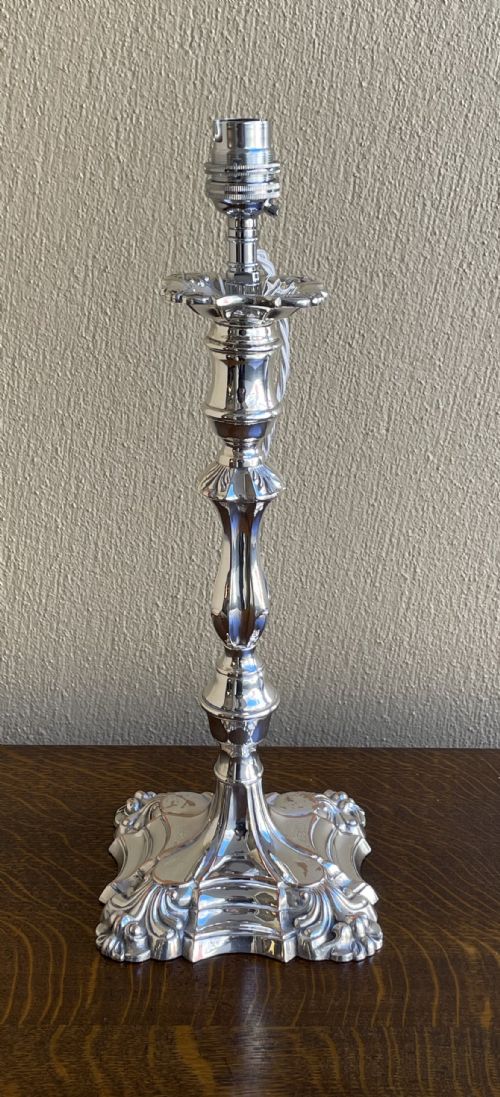
Candlesticks and candelabras frequently show later adaptations for table lamp use. Examine base drillings to identify period modifications.
What periods do these lights cover?
The available lighting spans from the eighteenth century through the Edwardian era and 1930s. Styles reflect Georgian, Victorian, and French revival movements.
Design motifs help date unlabelled items by referencing known historical periods. Construction techniques also indicate specific manufacturing decades.
How do I mount a wall light?
Wall brackets require secure fixing to wall studs or appropriate masonry anchors. Weight distribution depends on the metal gauge and crystal load.
Consult a qualified electrician for safe installation and circuit compatibility. Older wiring must meet current regulatory standards.