



Silver Ceiling Fixture
A silver ceiling fixture brings a bright, polished focal point to a room, channelling historical elegance into practical lighting.

Silver Ceiling Fixture
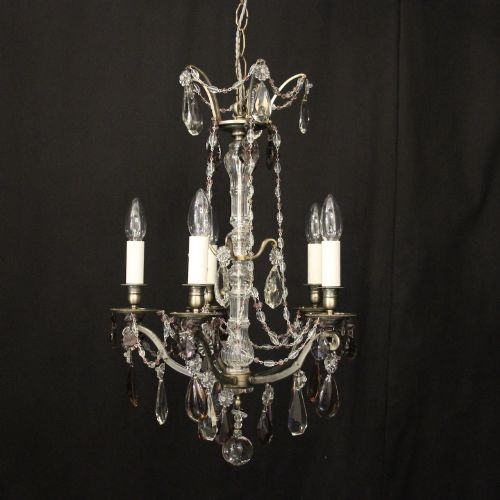
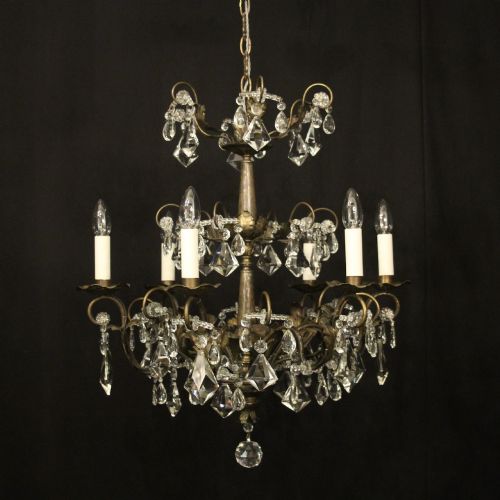
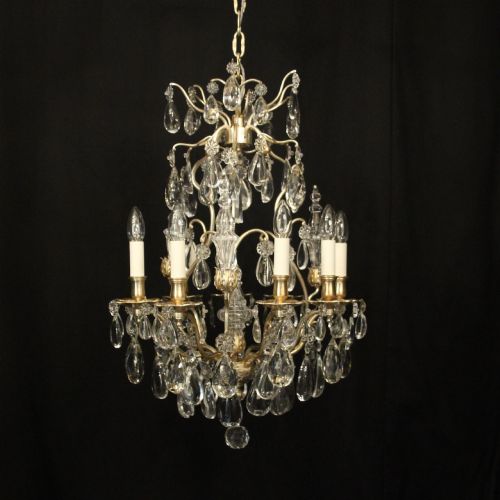
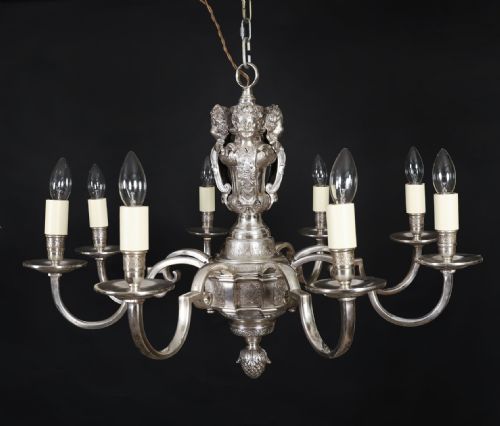
A silver ceiling fixture encompasses chandeliers, pendant lights, hanging lanterns, and dish lights suspended from above. When searching for a silver ceiling fixture, buyers encounter a diverse selection spanning the nineteenth century, the Edwardian era, and the nineteen-thirties. Chandeliers dominate the current offerings, ranging from multi-light French models to English plated designs.
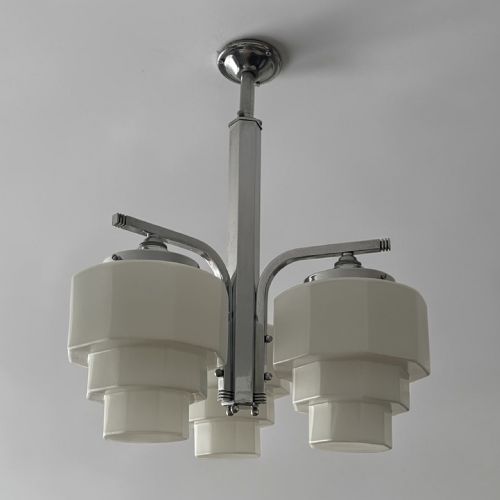
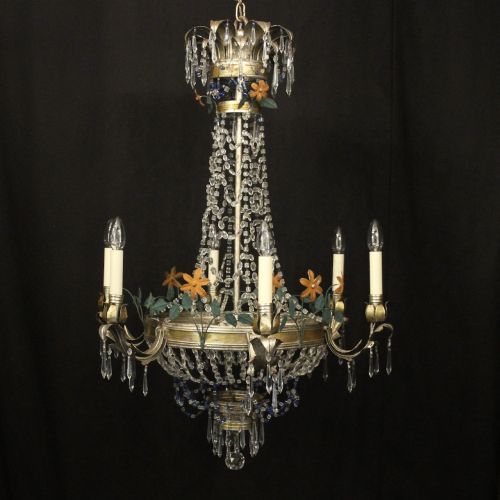
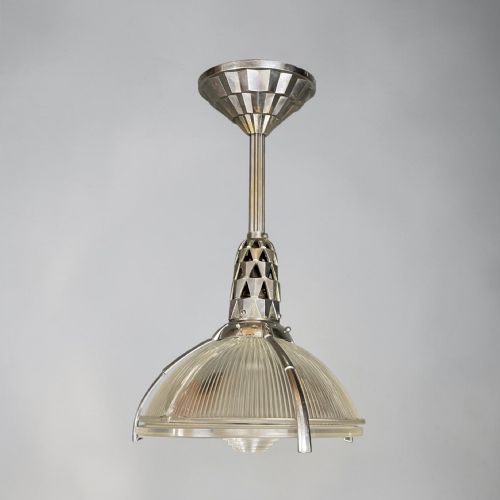
The selection on this page leans heavily toward French and English craftsmanship from the early twentieth century, particularly the nineteen-twenties and nineteen-thirties. Art Deco chrome pieces sit alongside grand silver-gilded bronze chandeliers adorned with crystal drops. Buyers will also find industrial-leaning steel lanterns and nineteenth-century billiard lights.
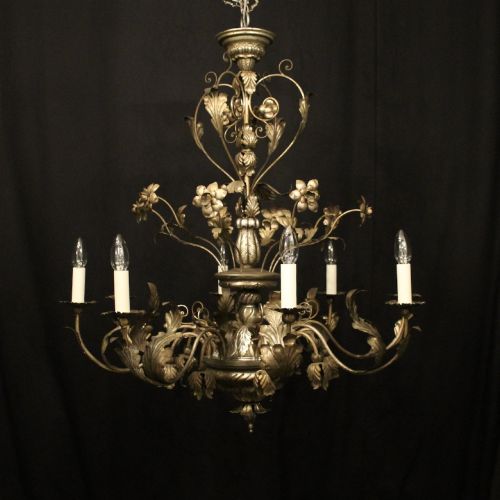
Origin and period dictate the character of each piece, with French examples often featuring ornate bronze frames and Italian pieces displaying Florentine details. Edwardian designs introduce refined cut glass paired with silver plating. These fixtures serve both functional illumination and decorative grandeur.
How they were made
Makers utilised a combination of cast metals, applied gilding, and hand-cut glass to construct these luminaires. Bronze and brass served as structural frames, frequently enhanced with silver plating or silver gilding to achieve a lustrous finish. Steel and chrome appeared later in the twentieth century, aligning with Art Deco aesthetics.
Crystal and cut glass elements were integrated to refract light across the room, suspended from arms using wire or pins. Individual components were cast, hammered, or turned before being assembled into multi-arm chandeliers and enclosed hanging lanterns.
Silver Ceiling Fixture Retail Price Guide 2026
Typical asking prices for silver ceiling fixture among the pieces listed under this phrase on Sellingantiques today, from the lower quarter to the upper quarter. They describe what is for sale here now, not the wider market.
A nineteenth-century billiard light once illuminated smoky games rooms before finding new life over modern dining tables.
What varies in quality
Quality rests in the crispness of the metal casting and the purity of the glass components. Finer pieces display sharply defined bronze or brass mounts with meticulous silver gilding, whereas simpler iterations rely on basic plating over base metals. The integration of hand-cut crystal prisms rather than moulded glass separates standard fixtures from superior examples.
Proportion and structural integrity also define the upper tier of the range. Heavier frames, such as large fifteen-light chandeliers or substantial bronze lanterns, require robust internal engineering to support numerous glass drops and candle arms safely.
Émile-Jacques Ruhlmann·F&C Osler·Wedgwood
The Silver Ceiling Fixture Glossary
- Chandelier
- A branched ornamental light fixture designed to be suspended from the ceiling. These fixtures typically hold multiple candle or bulb branches.
- Pendant light
- A single light fixture that hangs from the ceiling by a cord, chain, or metal rod. They are often used over tables or in smaller spaces.
- Hanging lantern
- An enclosed lighting fixture suspended by a chain or bracket, featuring glass panes within a metal frame. They were traditionally used in hallways and porches.
- Silver gilding
- A decorative technique where a thin layer of silver leaf or powder is applied to a base metal surface such as bronze or brass.
- Cut glass
- Glass that has been shaped and patterned using abrasive wheels, creating faceted surfaces that catch and refract light.
Silver Ceiling Fixture: Frequently Asked Questions
What periods do these fixtures come from?
The pieces span from the nineteenth century through the Edwardian era and into the nineteen-thirties. Art Deco and Victorian examples are well represented alongside twentieth-century designs.
Earlier nineteenth-century pieces often feature grand bronze and crystal compositions, while nineteen-thirties items lean toward chrome and streamlined steel frames.
How do I identify an Art Deco fixture?
Art Deco lighting typically utilises modern industrial materials such as chrome and steel combined with geometric glass shades. These fixtures date predominantly from the nineteen-thirties.
They reject the ornate floral motifs of earlier Victorian and Edwardian pieces in favour of clean, streamlined silhouettes.
What is the difference between silver plated and silver gilded?
Silver plating involves depositing a thin layer of actual silver onto a base metal like brass or copper. Silver gilding applies silver leaf or powder to a bronze or brass substrate, often creating a warmer tone.
Both techniques were used to achieve a precious metal appearance without the heavy weight and cost of solid silver.