



Edwardian Silver Chandelier
These edwardian silver chandelier pieces bring period illumination to a room, offering genuine antique metalwork and cut glass for the discerning collector.
Edwardian Silver Chandelier
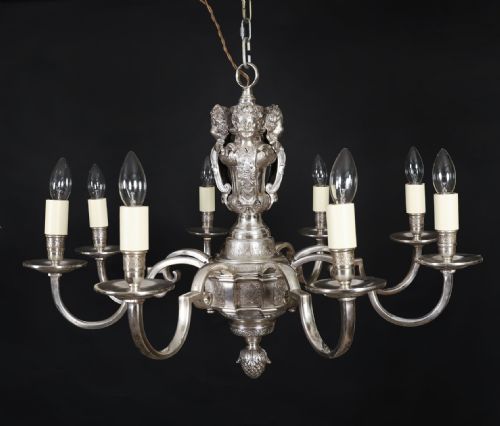
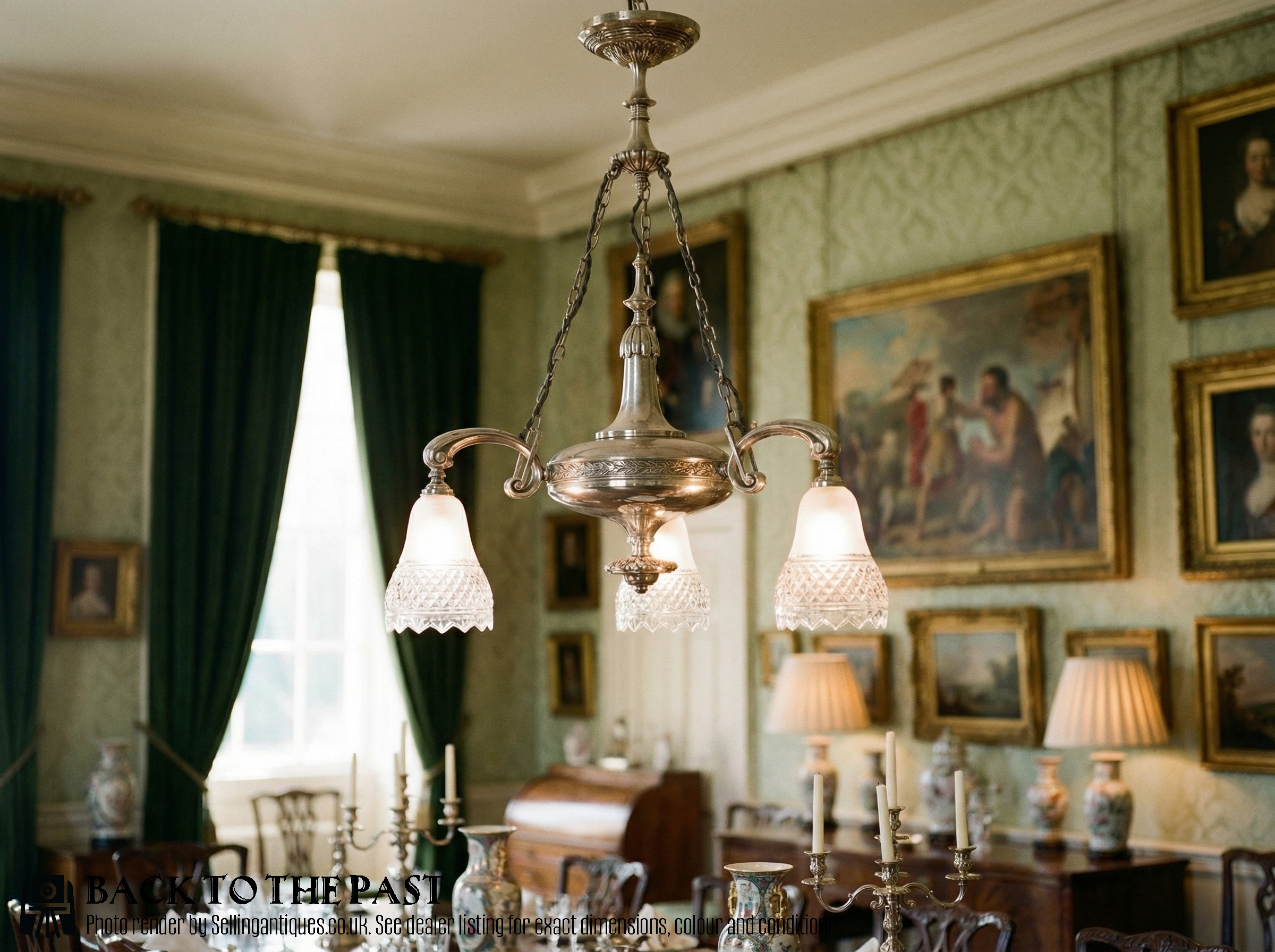
When you search for an edwardian silver chandelier, you are looking at overhead ceiling lighting that spans periods from the Victorian era through the 1930s, though Edwardian examples and silver plate dominate the selection. These fixtures take the form of multi-arm chandeliers, pendant lights, lanterns, and dish lights suspended to illuminate principal rooms.
The objects listed show a strong presence of silver plated brass or bronze foundations, alongside French styles and English craftsmanship with multiple candle arms or electric bulb fittings. While the phrase specifies chandeliers, the broader category includes related ceiling lighting and pendant forms from the early twentieth century.
Buyers will most frequently encounter silver plated multi-arm chandeliers dating from the Edwardian period and the 1920s, often featuring cut glass elements. These pieces combine metal frames with glass drops to reflect light effectively within traditional interiors.

What varies in quality
Quality in these chandeliers rests on the weight and integrity of the metal frame, the crispness of any cast ornamentation, and the depth of the silver plating. Heavier bronze or brass armatures with secure mechanical joints represent finer production than lighter, pressed metal alternatives.
The inclusion of hand-cut glass prisms, beads, and bowls rather than pressed or moulded glass distinguishes superior examples. Original surface patination and the completeness of matching glass drops also separate high-grade fixtures from those with replacement components.
Edwardian Silver Chandelier Retail Price Guide 2026
Typical asking prices for edwardian silver chandelier among the pieces listed under this phrase on Sellingantiques today, from the lower quarter to the upper quarter. They describe what is for sale here now, not the wider market.
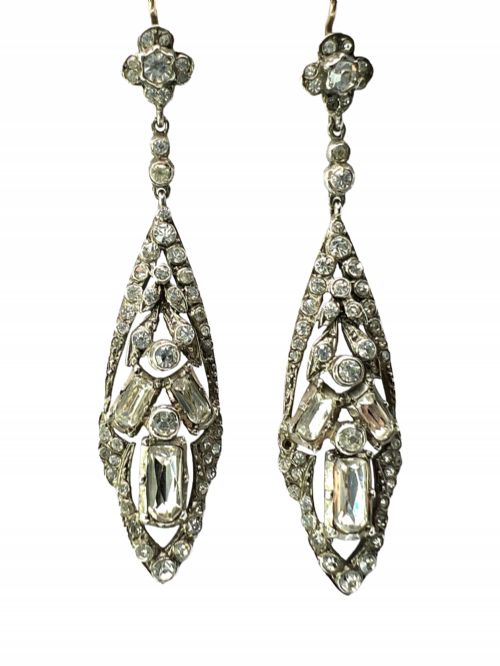
Some Edwardian chandeliers carry screwback fittings and paste stones borrowed directly from jewellery workshops of the same era.
F and C Osler·G E C
The Edwardian Silver Chandelier Glossary
- Silver plate
- A thin layer of silver applied to a base metal such as brass, copper, or bronze. This technique allowed makers to produce large decorative fixtures at a lower cost than solid silver.
- Cut glass
- Glass that has been shaped and faceted on a wheel to create sharp decorative patterns. It refracts light efficiently and is a defining feature of quality chandeliers.
- Chandelier
- A branched, decorative hanging light fixture designed to hold multiple candles or electric bulbs. They typically suspend from the ceiling by a chain or rod.
- Gilded bronze
- Bronze metal coated with a thin layer of gold leaf or gold paint. The technique protects the underlying metal and imparts a warm, luxurious finish.
Edwardian Silver Chandelier: Frequently Asked Questions
Can these chandeliers be converted for modern electricity?
Most antique fixtures have already undergone rewiring or can be adapted safely by a qualified professional. Wiring is typically run through the central hollow shaft and out to the arms.
Careful restoration preserves the original sockets and wax pans while concealing modern cables. Consult an electrician to ensure compliance with current safety standards.
How do I clean cut glass drops on a chandelier?
Cleaning involves removing the glass drops individually and washing them in warm water with a mild, non-abrasive detergent. Rinsing with distilled water prevents mineral spots from forming upon drying.
Dry each piece thoroughly with a lint-free cloth before rehanging them on the metal frame. Avoid harsh chemical cleaners that can damage the surrounding silver plate or bronze surface.
What is the difference between Edwardian and Victorian lighting?
Victorian lighting often displays heavier, more ornate ornamentation with dark patinas and complex casting. Edwardian designs generally favor lighter proportions, brighter silver plated finishes, and simpler neoclassical lines.
Edwardian fixtures also frequently reflect the early transition from gas lighting to electricity. This shift influenced the placement of burners and the adaptation of candle sockets.