
Classic Mens Wristwatch
A classic mens wristwatch carries decades of mechanical history on the wrist, offering precise timekeeping housed in enduring mid-century design.
Classic Mens Wristwatch
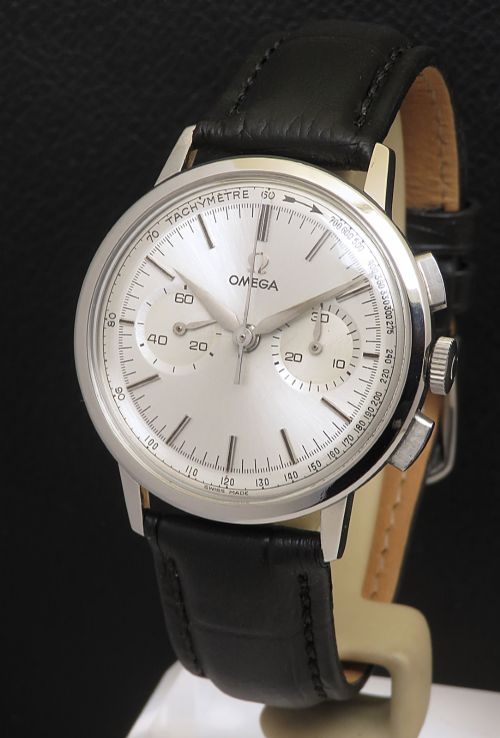
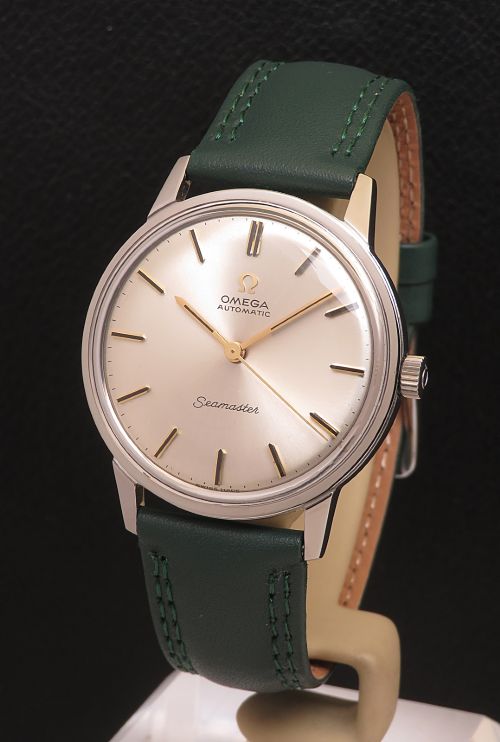
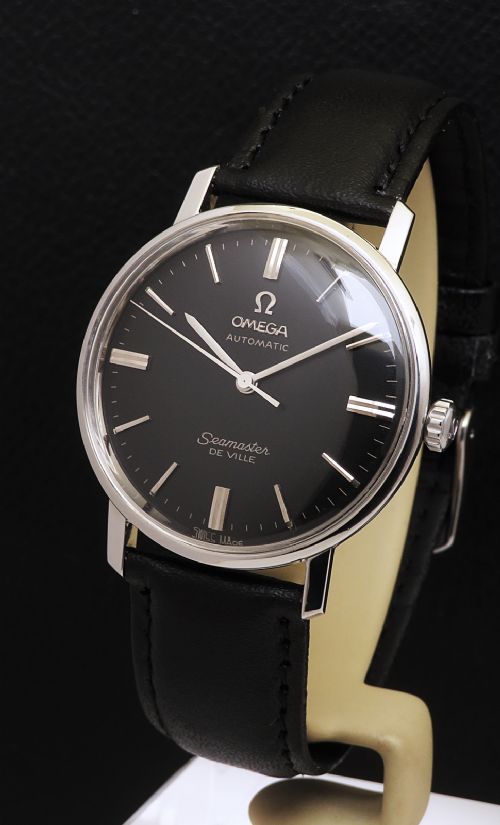
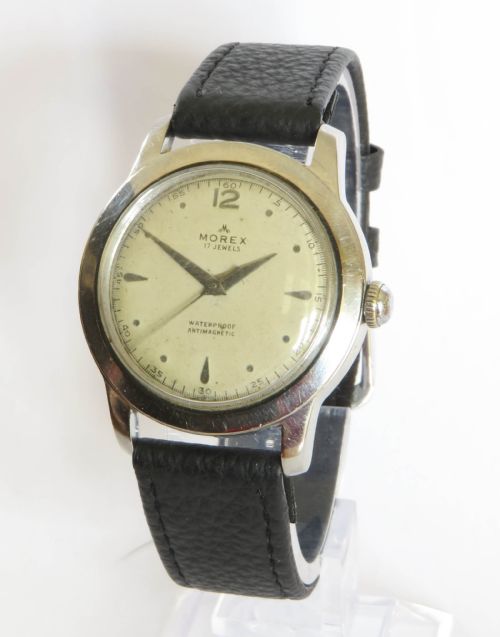
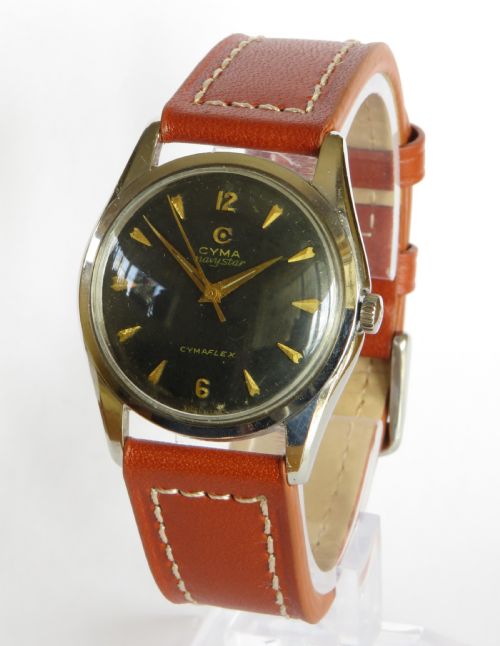
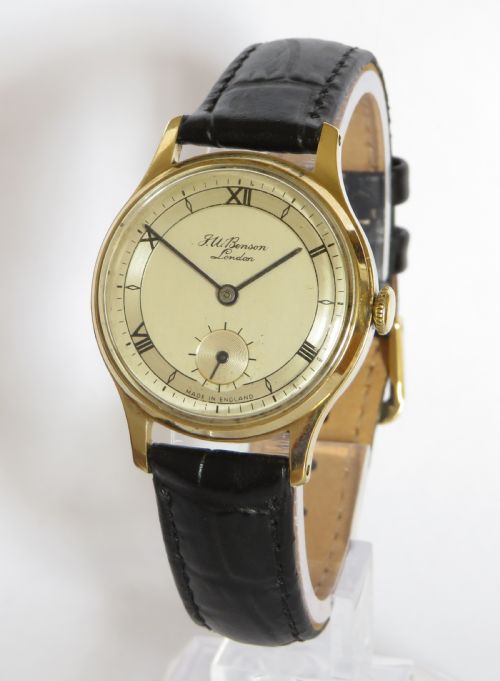
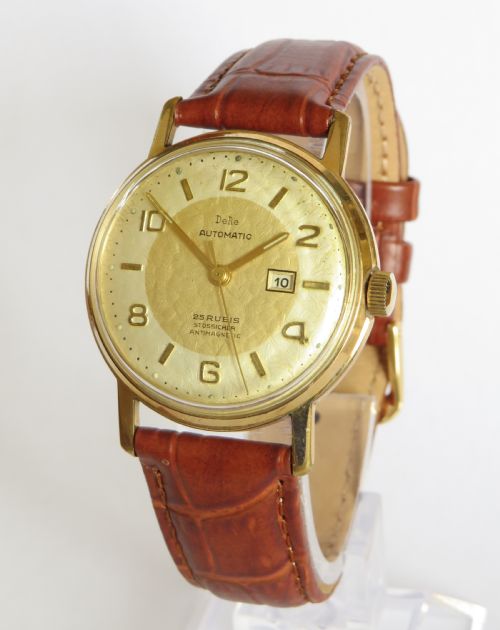
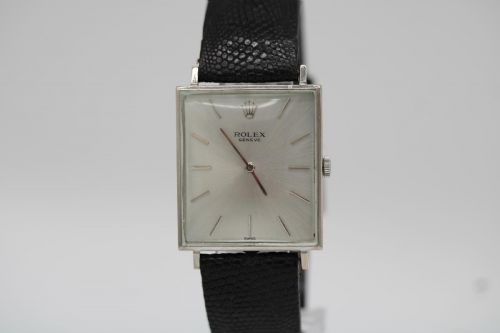
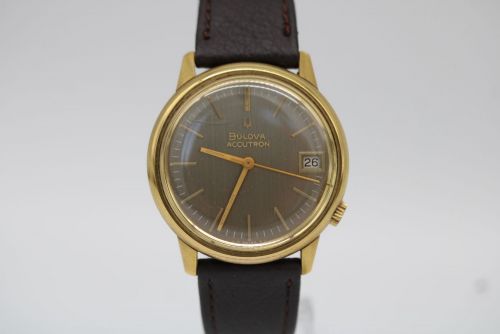
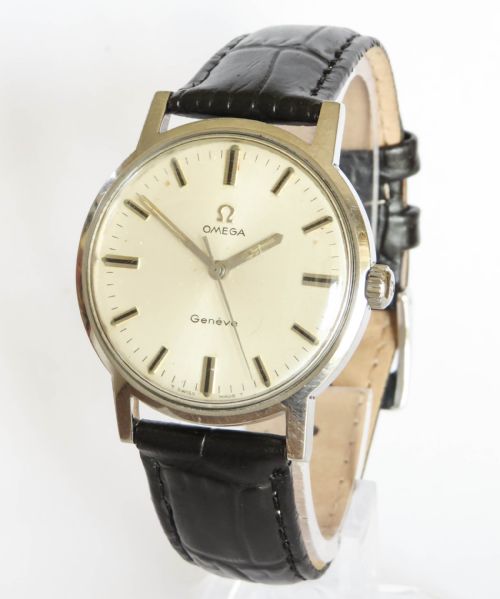
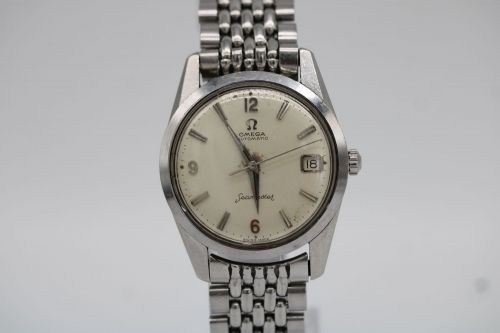
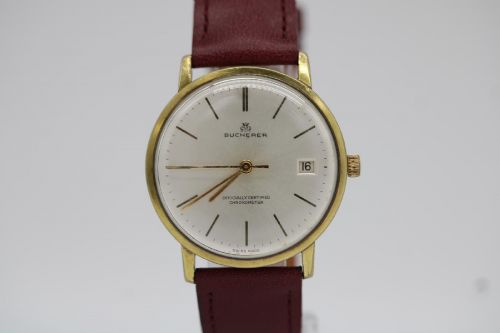
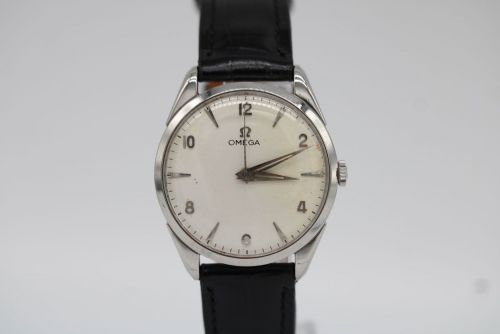
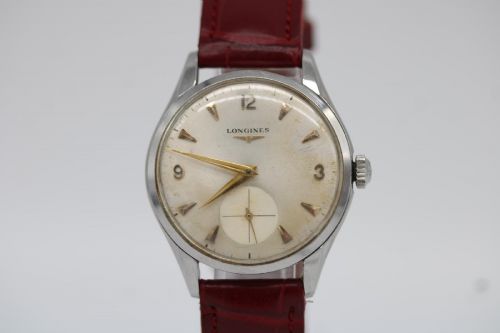
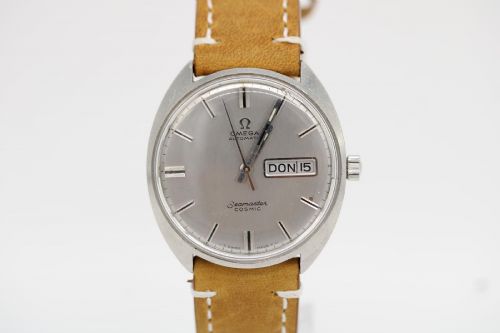
When you search for a classic mens wristwatch, you examine decades of horizontal horology originating primarily from the mid-twentieth century. The selection spans the 1930s through the 1970s, drawing heavily from the 1950s and 1960s with robust representation from British and Swiss makers.
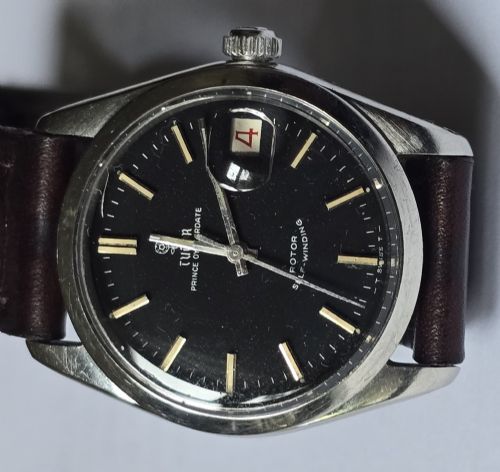
You meet mechanical timepieces featuring manual wind or automatic movements encased in stainless steel, gold plate, and solid 9ct gold. These pieces showcase diverse dial layouts, including minimalist silver faces, patinated surfaces, and distinct explorer configurations.
The prevailing styles lean towards mid-century modern and Art Deco aesthetics, often paired with leather straps and protected by acrylic glass. These instruments serve daily wear or collection display, maintaining the proportions and mechanical integrity characteristic of their original decades.
Construction and Materials
The casings combine durable metals such as stainless steel and chrome with precious materials like solid 9ct gold and gold plate, housing intricate mechanical movements driven by springs and gears. Dials feature applied markers and protective glass covers made from acrylic or acrylic glass.
Makers utilised manual wind calibres and automatic winding mechanisms engineered for precise daily regulation. Leather straps complete the assembly, fastened with original or period-appropriate buckles.
Smiths watches provided reliable timekeeping for British pockets and wrists, proving that precision could speak with a quiet English accent.
Factors of Quality
Quality rests upon the preservation of original components, such as signed dials, correct crown types, and factory movement calibres. Pieces retaining their original signed boxes and matching paperwork command higher regard.
The execution and survival of the case finish, combined with documented servicing of the internal mechanism, separate standard production watches from finer examples.
Omega·Tudor·Rolex·Bulova·Longines·Smiths·Cyma·Bucherer·Certina·Avia·Rotary·Baume·Eterna·Girard Perregaux·Marvin
The Classic Mens Wristwatch Glossary
- Calibre
- The specific internal movement designation assigned by a manufacturer to identify the design of the gear train and escapement. Each calibre represents a distinct mechanical architecture.
- Automatic
- A self-winding mechanical movement that uses an internal oscillating weight to tension the mainspring during normal wrist movement. This system removes the need for daily manual winding.
- Acrylic glass
- A lightweight, shatter-resistant plastic material used for crystal watch covers during the mid-century period. It can be polished to remove surface scuffs.
- Patinated dial
- An aged watch face that has developed natural discoloration or tonal shifts over decades of exposure to light and air. Collectors often prize these surfaces for their authentic historical character.
Classic Mens Wristwatch: Frequently Asked Questions
How do I wind a manual watch?
Rotate the crown clockwise between your thumb and forefinger until you feel gentle resistance. Stop immediately to avoid damaging the mainspring.
Perform this action at the same time each day if you wear the piece regularly.
Are these watches waterproof?
Most vintage pieces lack modern rubber gaskets and modern pressure resistance. Avoid submerging them in water.
Keep the case dry and remove the timepiece before swimming or showering.
What is an automatic movement?
An automatic movement winds itself using the natural motion of your arm throughout the day. An internal metal rotor spins to tension the mainspring automatically.
If left off the wrist, the power reserve depletes and the watch stops until reworn or wound by hand.
How often should a vintage watch be serviced?
Mechanical watches require periodic cleaning and lubrication of their internal gears every few years. This maintenance prevents friction wear on metal pivots.
A professional watchmaker evaluates the movement oils and calibrates the timing regulation during this process.