
Classic Mechanical Wrist Watch
A classic mechanical wrist watch brings together decades of horological heritage and everyday utility on the wrist.
Classic Mechanical Wrist Watch
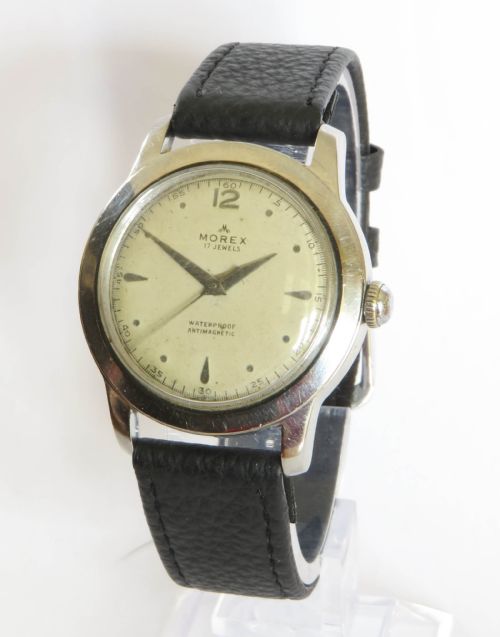
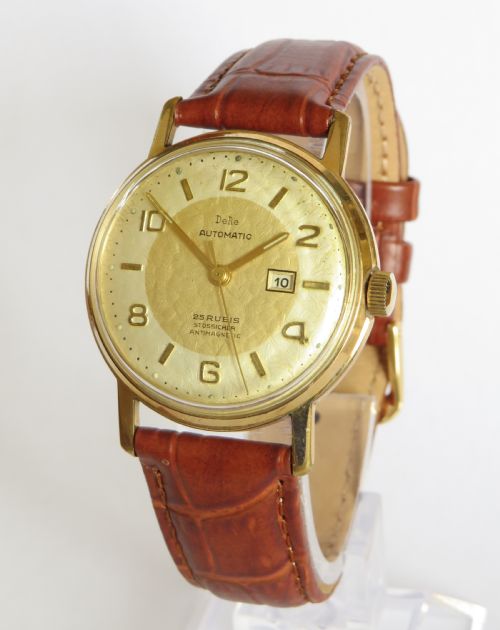
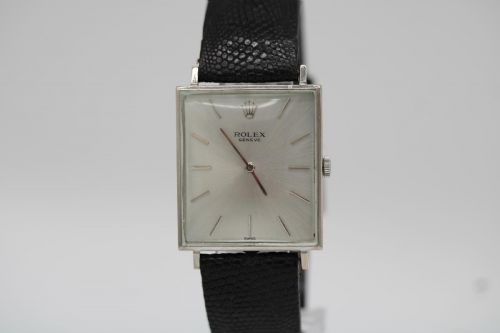
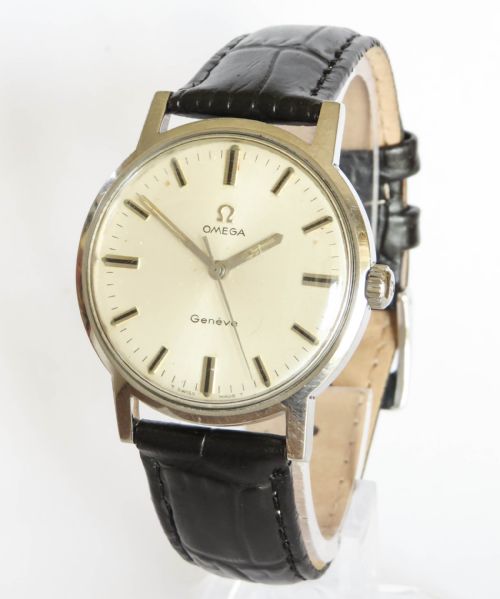
A classic mechanical wrist watch represents wearable timepieces powered by springs and gears rather than batteries, spanning periods from the 1930s through to the 1960s. These pieces encompass styles ranging from Art Deco and Mid-Century Modern to 1940s Vintage.
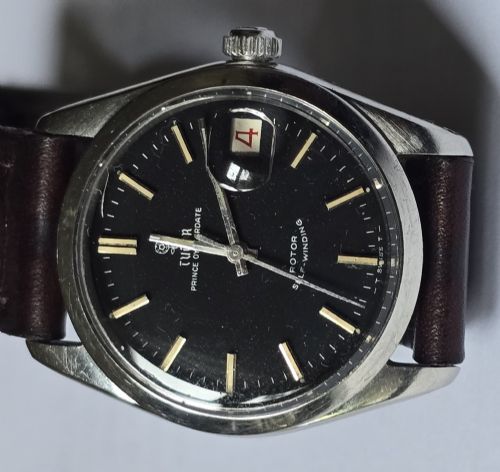
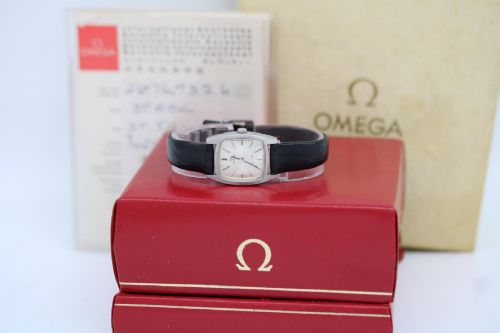
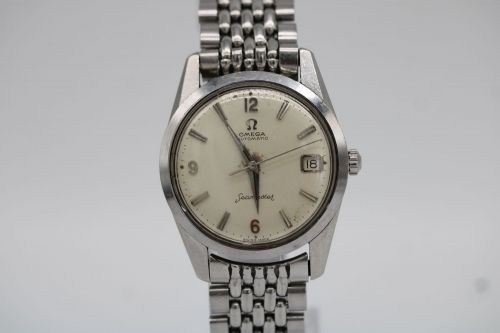
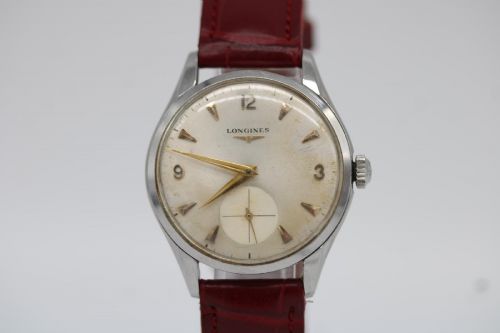
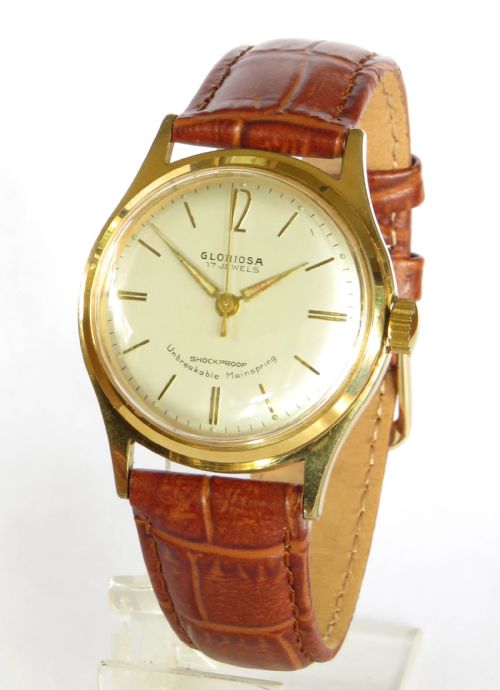
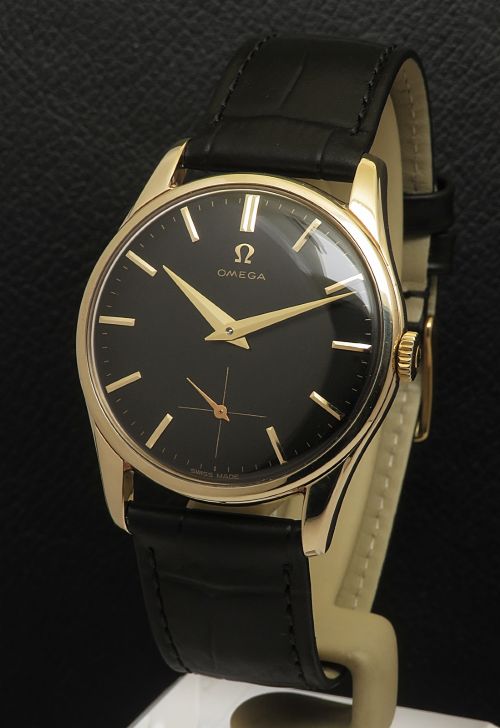
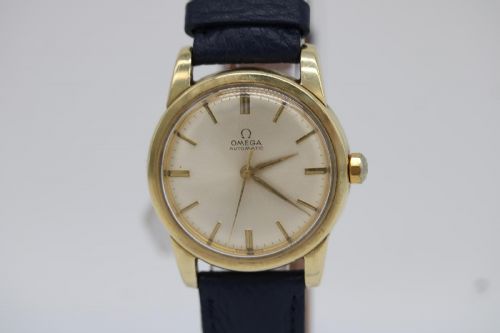
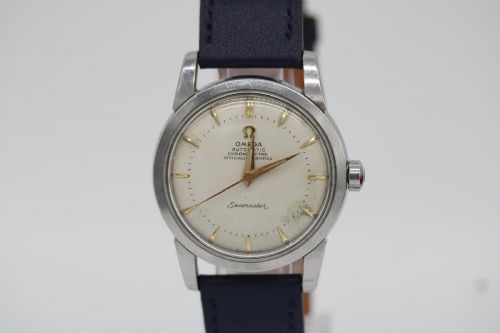
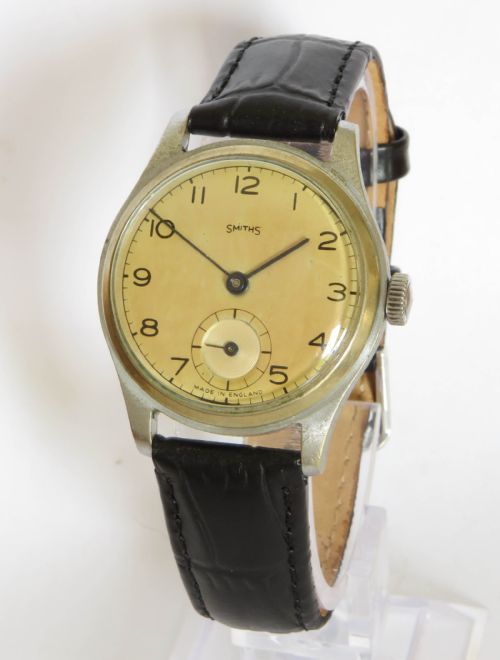
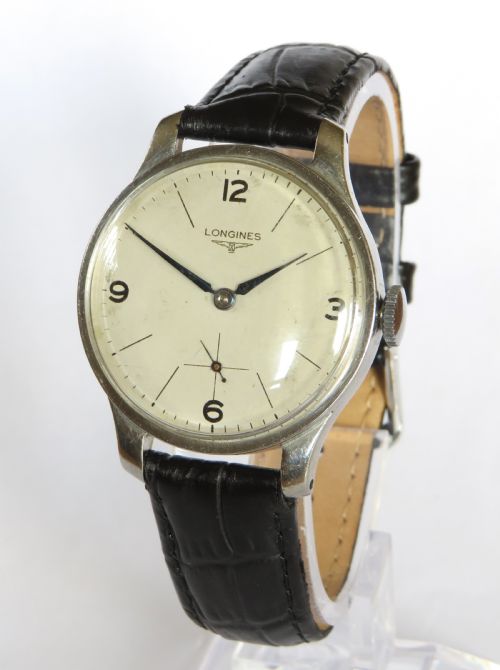
The selections available lean heavily toward gent's wristwatches from the 1950s and 1960s, alongside ladies' variants and specialised models like chronometers. Makers and brands such as Omega, Longines, Smiths, and Tudor dominate the offerings.
Formats include manual wind movements and automatic calibres housed in round or shaped cases, often paired with leather straps or metal bracelets.
Materials and construction
Internal movements rely on intricate mechanical components, jewels, and escapements assembled by watchmakers, housed within cases sealed against dust and moisture.
Object types are exclusively wristwatches, encompassing manual wind and automatic mechanical systems.
Quality factors
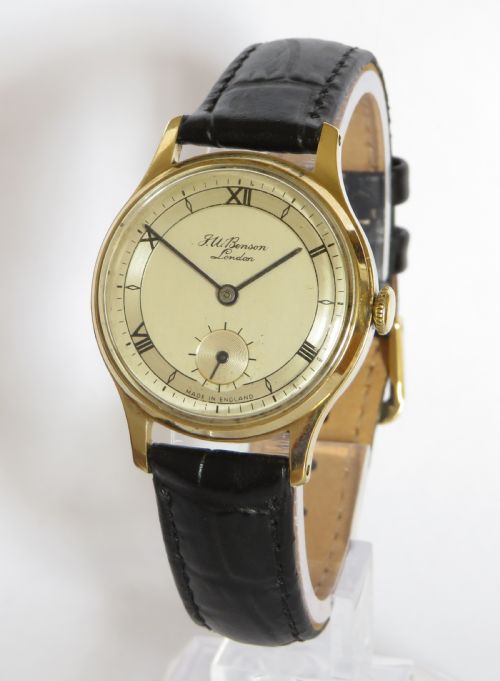
Distinctions in quality rest upon the caliber of the movement, the preciousness of the case material, such as solid gold versus gold plate, and the originality of components like dials, hands, and crowns.
The presence of documentation, original boxes, and specialised movements like chronometer-grade calibres elevates an example above standard production models.
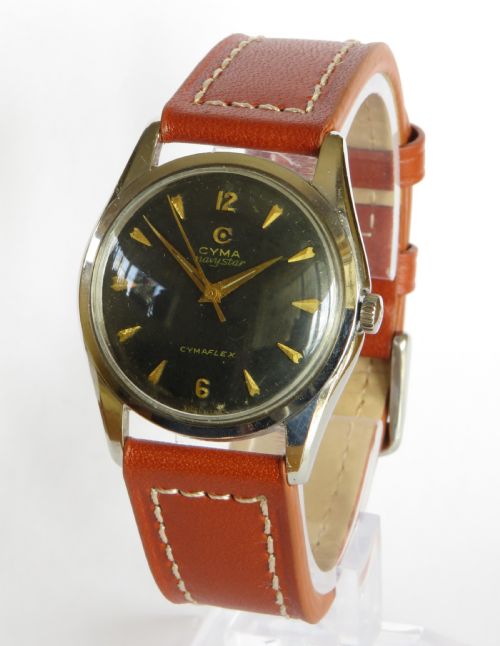
Tudor·Montilier·Cyma·J W Benson·Omega·Rolex·Longines·Gloriosa·Smiths·Rotary·Baume·Ensign·Lanco·Eterna·Marvin·Prisma·Girard Perregaux·Garrard·Certina·Avia
The Classic Mechanical Wrist Watch Glossary
- Calibre
- The specific internal movement design and model created by a watch manufacturer. It determines the mechanical architecture and origin of the piece.
- Manual wind
- A timepiece requiring the wearer to manually turn the crown to tension the mainspring. This represents traditional mechanical operation without automatic weighting rotors.
- Automatic
- A self-winding mechanical movement utilising an internal oscillating weight that moves with the wearer's wrist motion. This winds the mainspring during normal daily wear.
- Acrylic glass
- A lightweight, shatter-resistant plastic material utilised for watch crystals before the widespread adoption of synthetic sapphire. It offers a distinct warm clarity and can be polished if scratched.
- Chronometer
- A high-precision mechanical watch that has been tested and certified for accuracy under various temperatures and positions. These movements represent superior horological tuning.
Classic Mechanical Wrist Watch: Frequently Asked Questions
What is a mechanical watch?
A mechanical watch is a timepiece powered by a mainspring that drives a system of gears and an escapement, requiring either manual winding or wrist motion to operate.
These pieces do not use batteries or electronic quartz components, relying entirely on physical mechanics to measure time.
How do I wind a manual watch?
To wind a manual watch, gently rotate the crown clockwise between your thumb and forefinger until you feel gentle resistance. Care should be taken not to force the crown past this point to avoid over-tensioning the mainspring.
Most vintage watches require winding once a day, preferably at the same time each morning to maintain consistent tension.
What is the difference between manual and automatic?
A manual watch requires the wearer to physically twist the crown every day to store energy in the mainspring. An automatic watch contains a weighted rotor that spins as the arm moves, automatically winding the spring during daily wear.
Both systems rely on gears and springs rather than electronic power sources.
How do I date a vintage watch?
Dating a vintage watch involves examining hallmarks on precious metal cases, serial numbers stamped on the movement or case back, and stylistic indicators such as dial typography and case geometry. Reference books and manufacturer archives often link serial numbers to specific production years.
Stylistic cues, like the distinct aesthetic shifts between 1940s designs and 1960s minimalism, also provide a reliable temporal framework.