
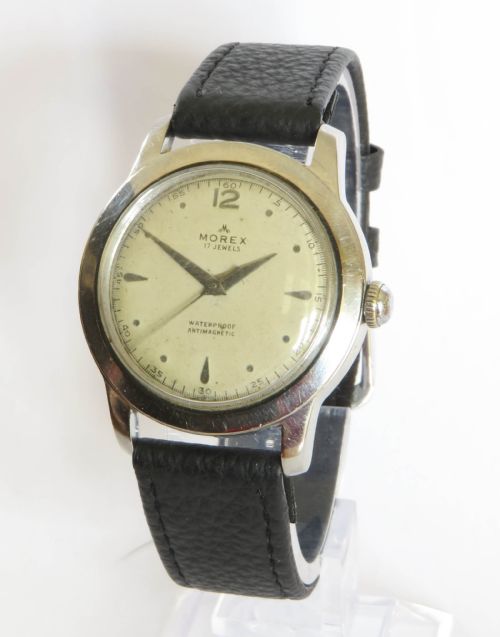
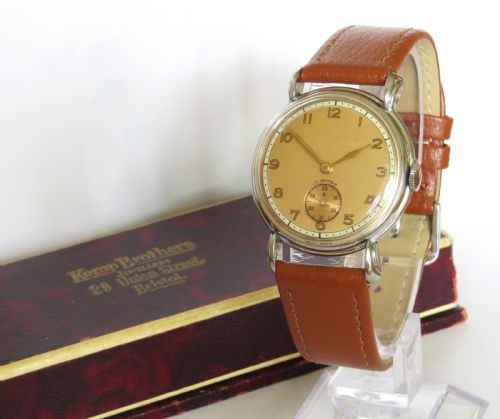
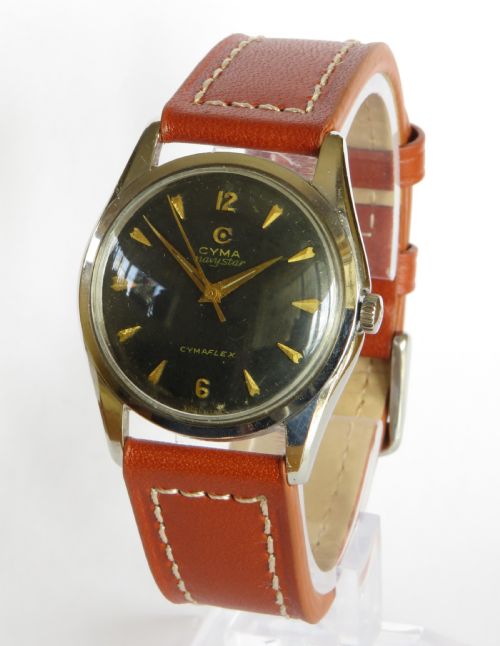
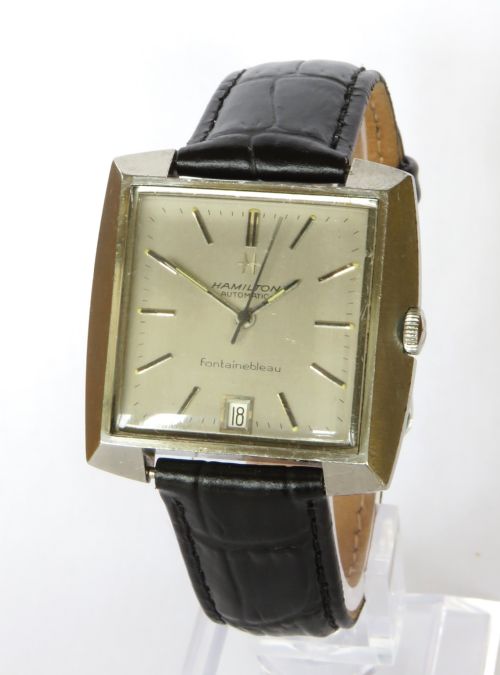
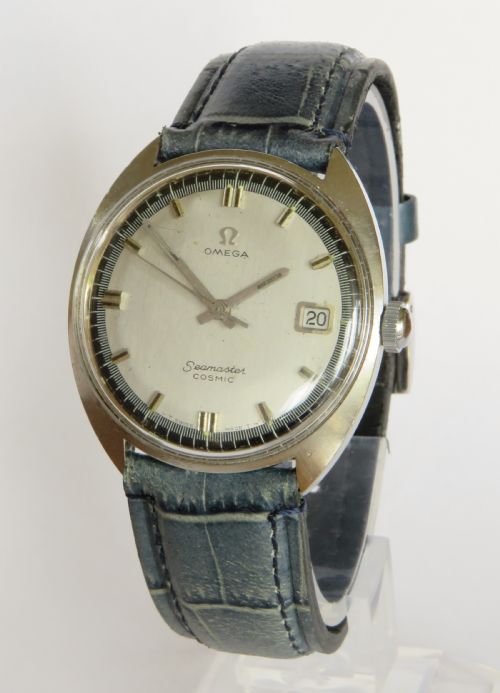
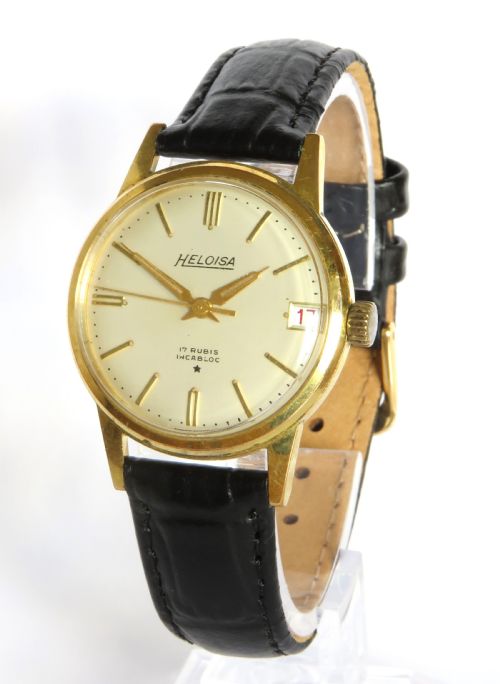
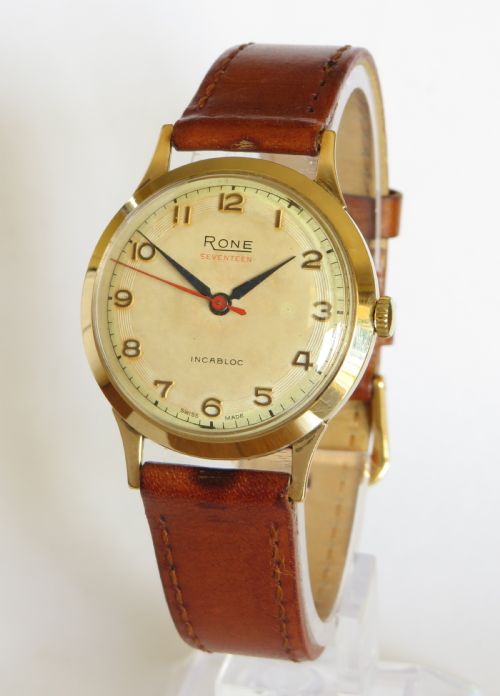
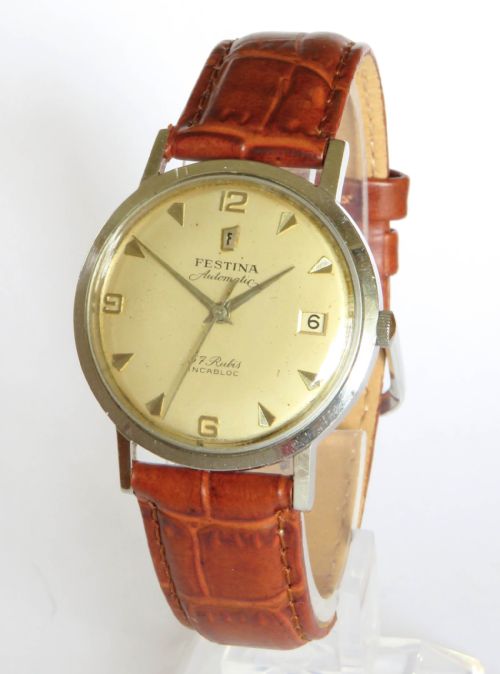
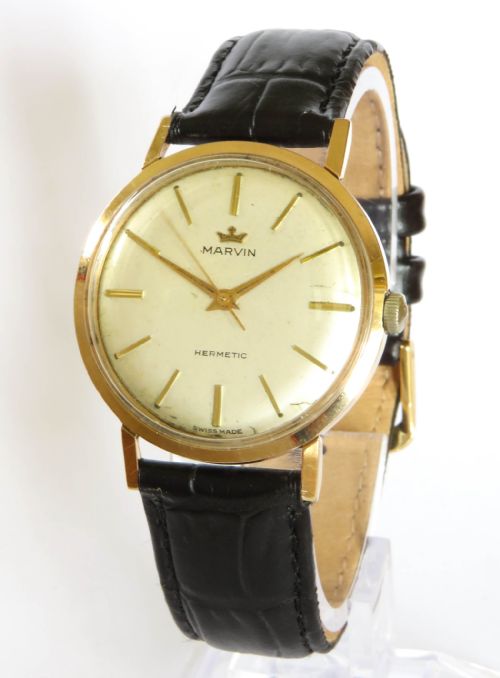
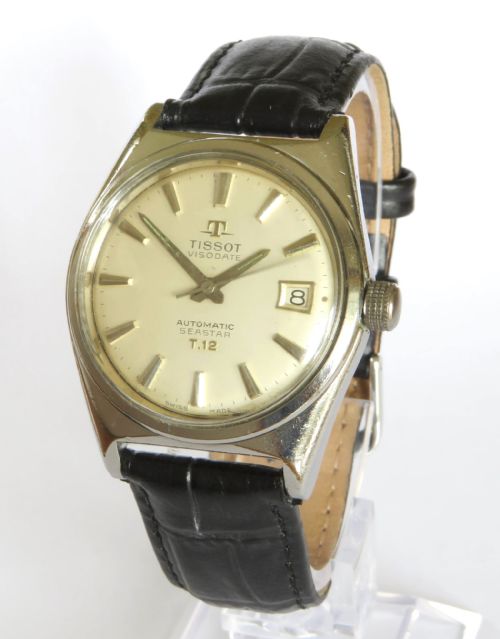
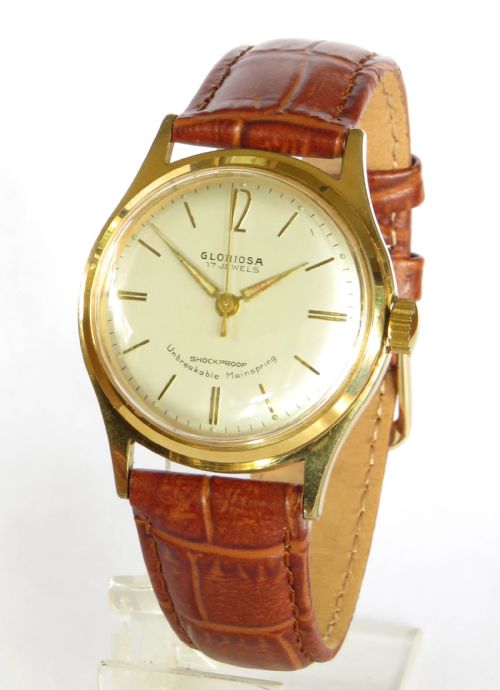
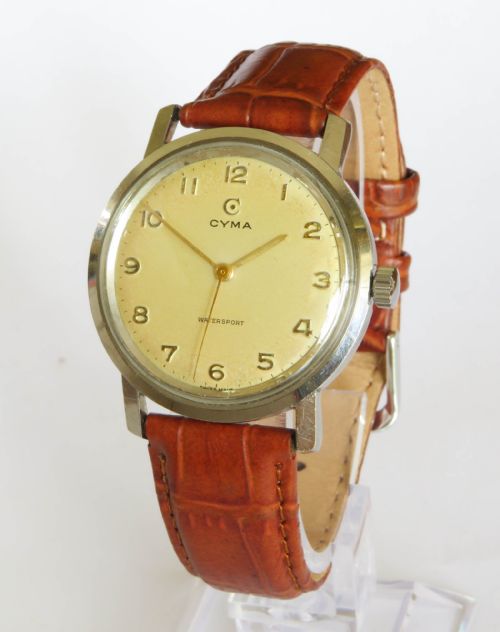
Gents Swiss Wristwatch
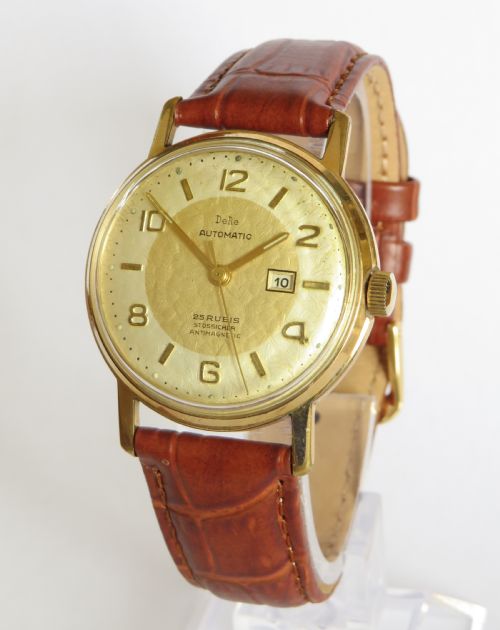
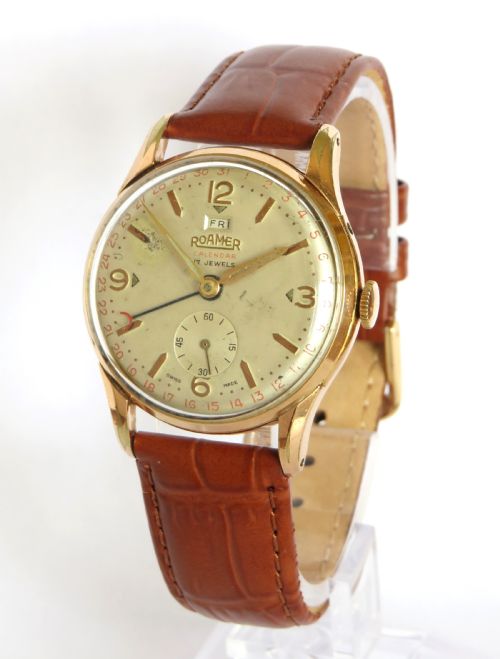
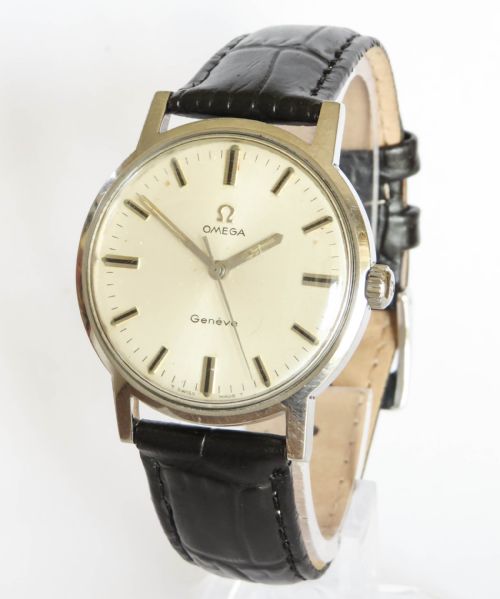
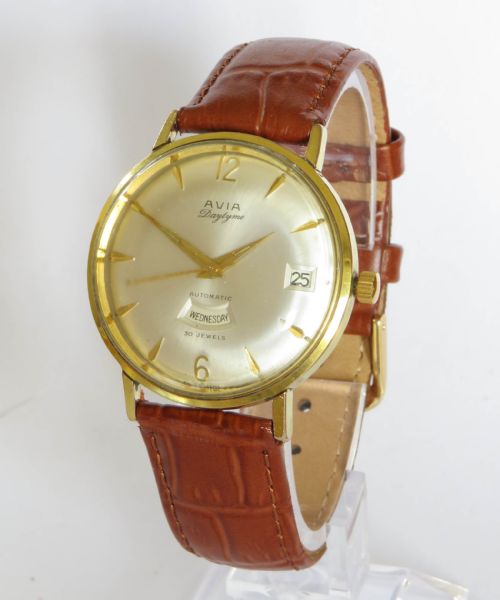
These gents swiss wristwatch examples combine mechanical craft and mid-century design, offering daily wear alongside historical interest.
Gents Swiss Wristwatch
A gents swiss wristwatch represents decades of horological production spanning from the nineteen-thirties to the nineteen-seventies. These pieces encompass military specifications, calendar complications, and automatic movements housed in various metallic cases.
The most frequent encounters on this page include nineteen-fifties and nineteen-sixties iterations featuring steel or gold-plated construction. Formats range from standard dress dials to robust waterproof designs like the Seamaster.
Originating primarily from Swiss workshops, these watches reflect stylistic evolutions from Art Deco geometry to Mid-Century Modern minimalism and nineteen-seventies retro shapes. Each item bears the hallmark of Swiss manufacturing precision during periods of significant mechanical innovation.
How They Were Made
Construction relies heavily on stainless steel, gold plate, and silver for durability and appearance, paired with acrylic or glass crystals protecting the dial. Leather straps provide wrist attachment while enamel details often highlight dial markings.
Mechanical movements utilise intricate gear trains, jewelled bearings, and automatic or manual winding mechanisms assembled by specialist watchmakers. Case engineering incorporates chrome plating and hermetic sealing techniques to protect internal components from moisture.
Listings feature periods spanning from the nineteen-twenties through to the nineteen-seventies, encompassing stainless steel, gold plate, and silver.
What Varies in Quality
Refinement in a gents swiss wristwatch shows in the complexity of the movement, such as automatic calibres and calendar mechanisms versus basic manual winders. Finishing on the dial and the precision of the case geometry also separate standard production from high-grade execution.
Material selection dictates longevity and prestige, shifting from chrome plate and base metals to solid gold or specialised steel alloys. The integrity of original components, from signed crowns to unpolished cases, defines the standing of an individual piece.
Montilier·Cyma·Hamilton·Omega·Heloisa·Rone·Festina·DeRe·Roamer·Avia·Marvin·Tissot·Gloriosa·Wittnauer·Dogma Prima·Longines·Bulova·Certina·Rotary·Zenith·Baume·Ensign·Lanco·Eterna·Prisma
The Gents Swiss Wristwatch Glossary
- Automatic
- A self-winding mechanical movement that uses a weighted rotor to wind the mainspring through natural wrist motion.
- Calibre
- The specific manufacturer's designation for a particular watch movement model.
- Hermetic
- A case construction designed to provide superior protection against dust and moisture ingress.
- New Old Stock
- Unsold vintage inventory discovered in pristine, unused condition long after initial production.
- Seamaster
- A specific water-resistant watch line produced by Omega with a long manufacturing history.
Gents Swiss Wristwatch: Frequently Asked Questions
How do I wind a vintage watch?
Manual wind movements require turning the crown clockwise until resistance is felt, usually done once daily at a consistent time. Avoid overwinding, as this places undue tension on the mainspring.
Automatic models wind themselves through movement, but can also be manually primed with a few crown turns if stationary for extended periods.
Can I wear my vintage watch daily?
Many mechanical watches handle regular daily wear well if kept away from strong magnetic fields and moisture. Routine care helps maintain operational reliability over time.
Early models lacking modern waterproof seals require particular caution around water and heavy impacts.
How do I tell the period of a watch?
Stylistic cues such as dial fonts, lug shapes, and case proportions often point to specific decades like the thirties or seventies. Movement serial numbers provide more precise dating when checked against manufacturer records.
Text markers and complications such as calendar windows further narrow down the era of manufacture.
What does Swiss made mean on the dial?
The designation indicates that the movement was assembled in Switzerland, cased up in Switzerland, and underwent final inspection there. It serves as a benchmark of traditional horological origin.
Different eras apply specific regulatory standards to this text, reflecting changing Swiss legal definitions.