







Classic Marble Table
A classic marble table brings solid stone and historic form together, offering a grounded surface that anchors a room with quiet permanence.
Classic Marble Table
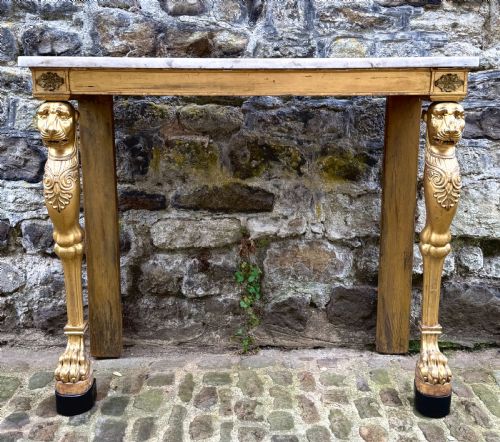
A classic marble table combines heavy stone surfaces with supporting frames of wood, bronze, or brass, taking forms such as console tables for hallways and reception rooms. These pieces draw on historic periods like the Regency era, bringing formal architectural lines and substantial weight into domestic interiors.
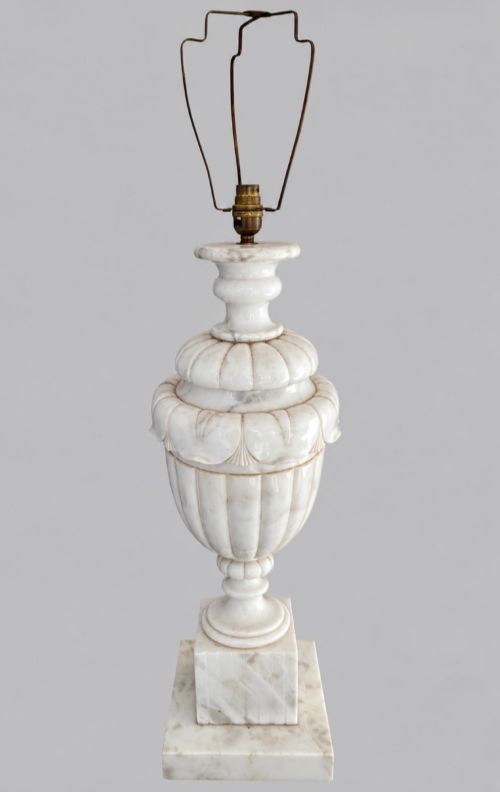
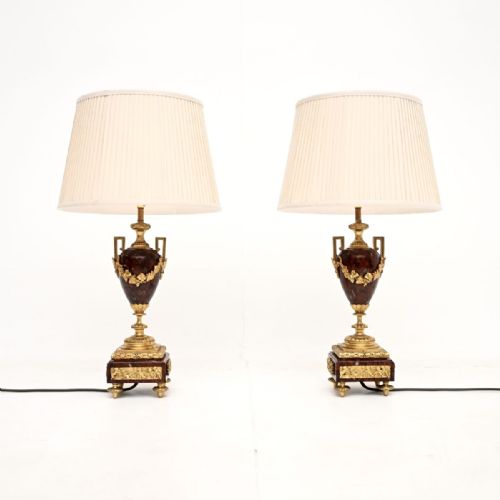
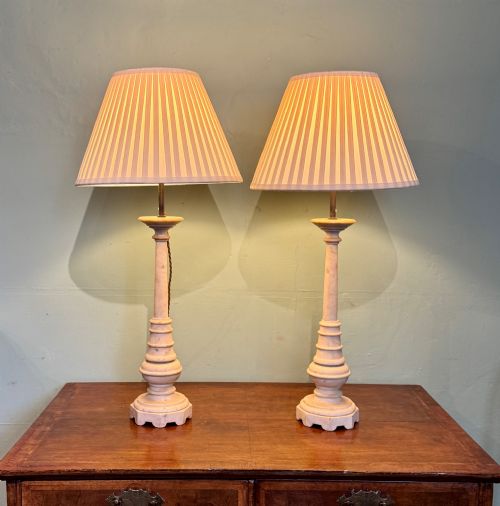
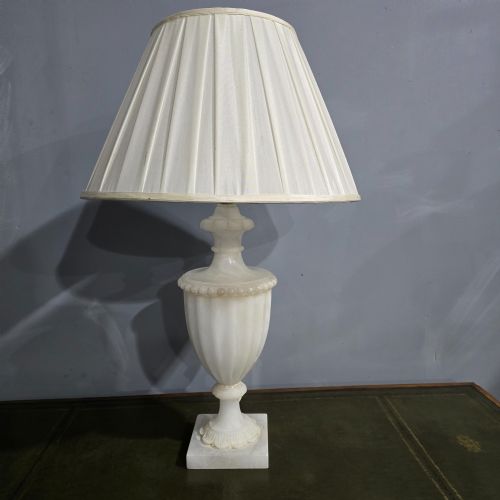
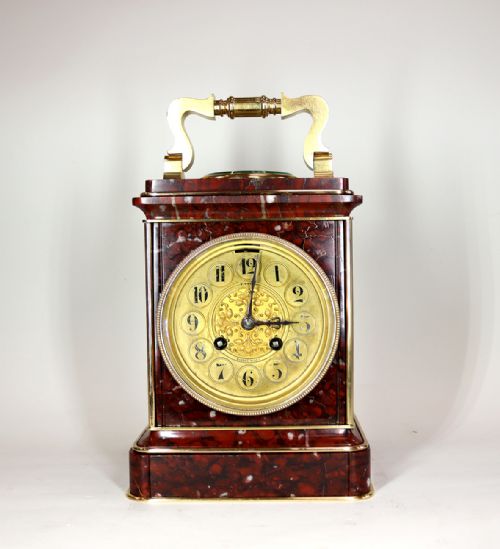
The selection on this page centres primarily on related stone and metal works, including marble lamp bases, mantel clocks, and candelabra alongside larger console furniture. Buyers seeking this aesthetic will encounter pieces executed in white, green, and rouge marble, often paired with cast metal mounts.
Origins span nineteenth-century workshops through to mid-century modern design, showing how makers adapted classical stone forms across successive generations. Each piece demonstrates the enduring appeal of natural mineral surfaces matched with classical proportion.
Materials and construction
Construction relies on heavy slabs of quarried marble, selected for colour and veining, supported by frames of gilt bronze, brass, or carved wood. Stonemasons shaped and polished the mineral surfaces by hand, while metalworkers cast mounts and supports using traditional foundry techniques.
Assembly involved mechanical fixings such as threaded bolts and pins to secure heavy stone components to metal or wooden structures safely. Gilding, patination, and fine turning completed the metal elements, creating a contrast between cold polished stone and warm cast metal.
Classic Marble Table Retail Price Guide 2026
Typical asking prices for classic marble table among the pieces listed under this phrase on Sellingantiques today, from the lower quarter to the upper quarter. They describe what is for sale here now, not the wider market.
Listings feature nineteen-century marble alongside twentieth-century materials like glass, spelter, and fabric.
Judging quality
Quality rests in the selection and depth of the marble, where dense mineral patterns and smooth, hand-polished finishes distinguish finer pieces from simpler utilitarian slabs. The weight and crispness of cast bronze or brass mounts also separate superior examples, showing sharp chisel work and careful chasing rather than soft, mass-produced detailing.
Proportion and structural integrity define the best items, ensuring heavy stone tops sit true and balanced upon their frames without visible stress. Integration between stone components and metal hardware reveals the skill of the original maker.
Pierre Collinet·Luxor
The Classic Marble Table Glossary
- Marble
- A metamorphic rock formed from recrystallised carbonate minerals, prized for its varied veining and ability to take a high polish. It forms the primary durable surface for classical tables and decorative bases.
- Console table
- A wall-mounted or freestanding table designed to stand against a vertical surface, often featuring elaborate legs and a stone top. These tables served both decorative and display purposes in formal rooms.
- Gilt bronze
- Bronze that has been coated with a thin layer of gold or gold amalgam, providing a bright, lasting metallic finish. It frequently appears alongside marble in decorative mounts and lamp bases.
- Regency
- A British design period spanning the early nineteenth century, characterised by neoclassical restraint, bold lines, and classical antiquity influences. Furniture from this era often incorporates stone tops and gilt wooden supports.
- Candelabra
- A branched candlestick holder designed to support multiple lights, frequently cast in metal and mounted on stone bases. They provide height and symmetrical balance on tables and mantelpieces.
Classic Marble Table: Frequently Asked Questions
How do I clean a marble table top?
Clean marble surfaces using a soft cloth dampened with warm water and mild, pH-neutral soap, avoiding acidic substances like lemon or vinegar that etch the stone. Dry the surface thoroughly to prevent water spots and maintain the natural polish.
Regular dusting with a dry microfiber cloth prevents grit from scratching the polished mineral surface over time.
Where should I place a console table?
Console tables suit entrance hallways, living rooms, and dining spaces where their shallow depth allows them to sit flat against a wall without blocking walkways. They provide a stable surface for lamps, clocks, and decorative objects.
Pairing a console with a matching mirror or artwork above creates a traditional focal point within a room's interior scheme.
How can I tell the period of a marble piece?
Dating relies on examining the assembly methods, the type of marble used, and the style of any metal mounts or carved woodwork. Nineteenth-century pieces often show hand-chased bronze work and denser stone selection compared to later revivals.
Tool marks on the underside of the stone and the oxidation of metal fixings offer further clues to the age of construction.