





Classic Leather Watch
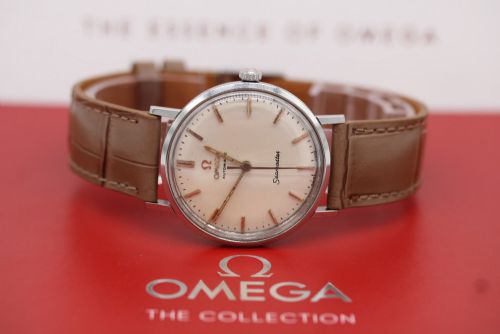
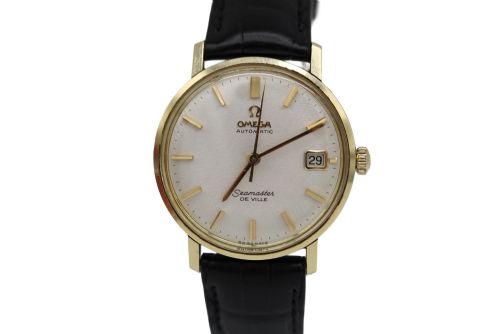
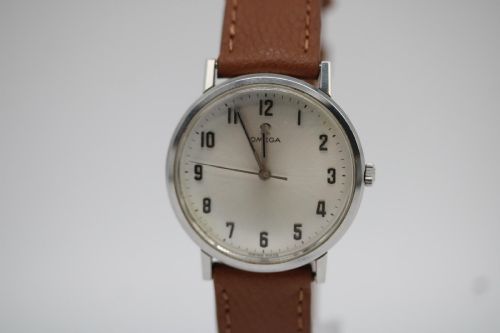
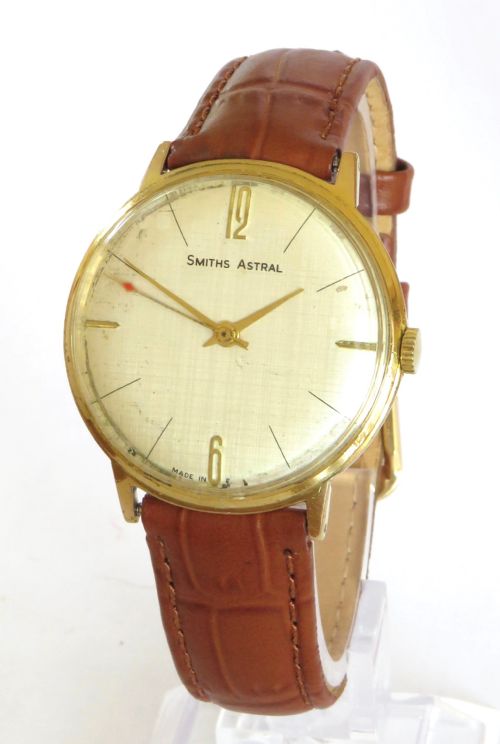
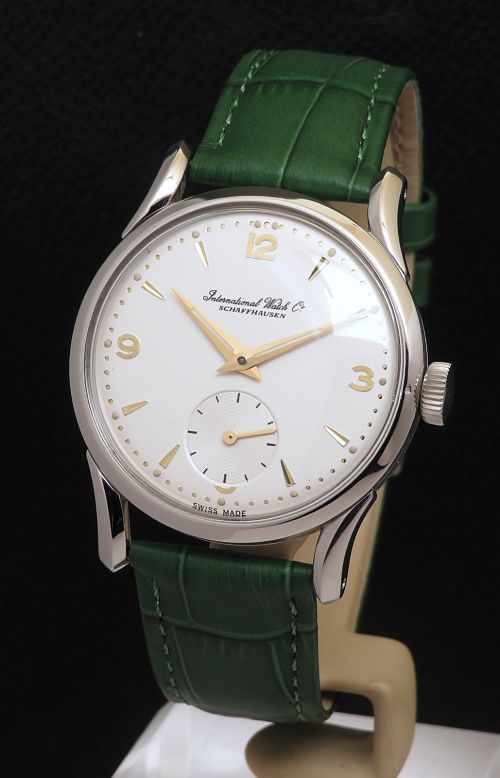
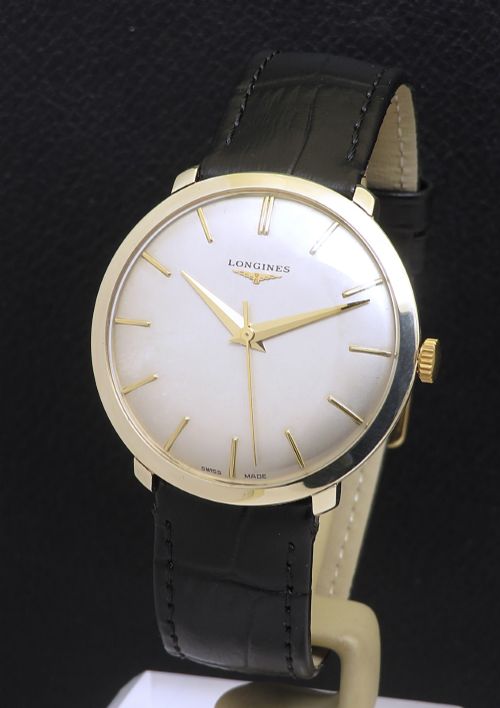
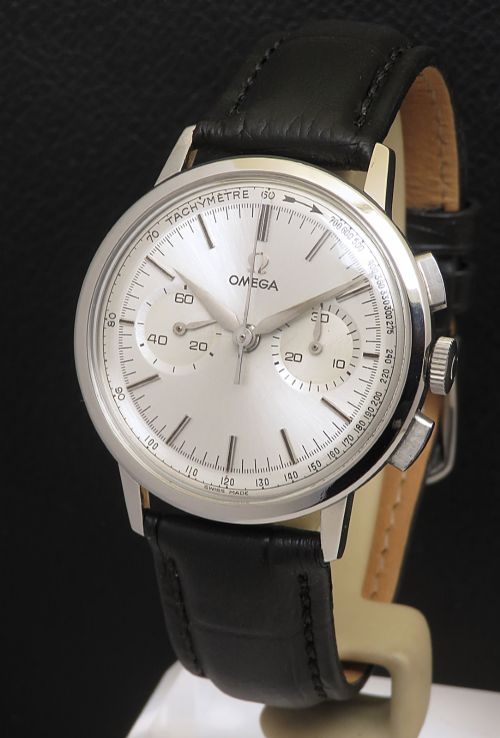
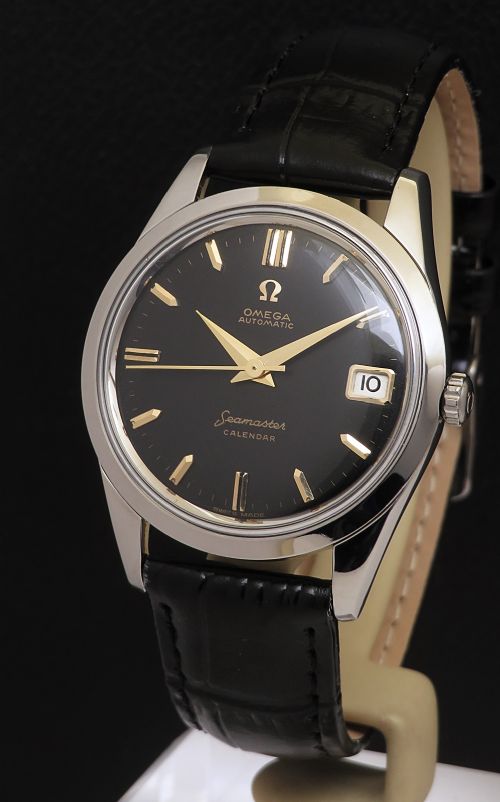
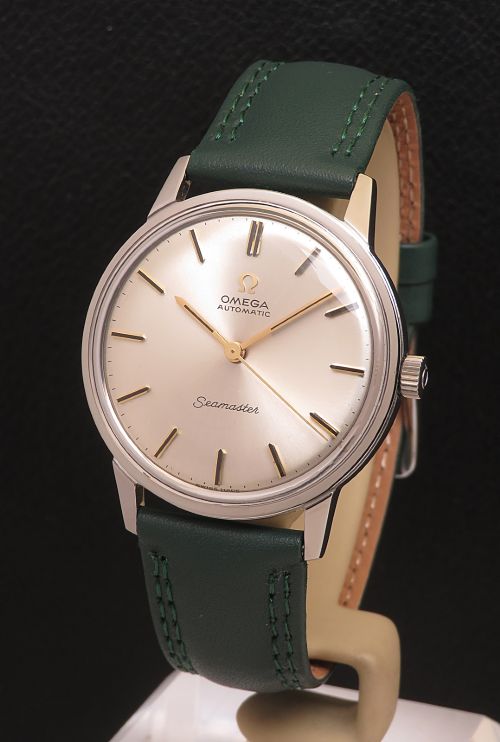
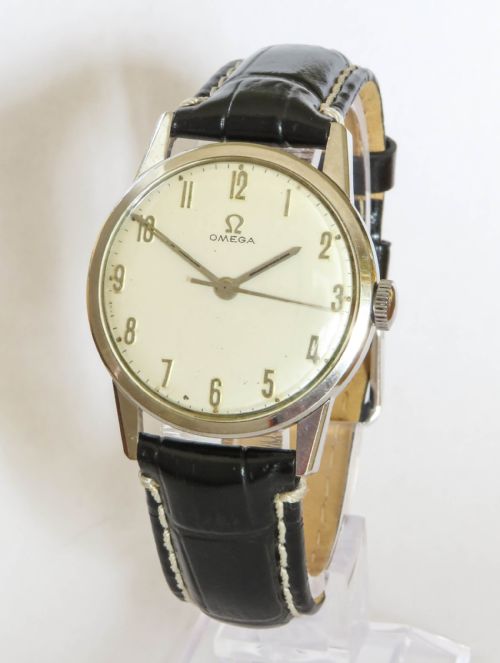
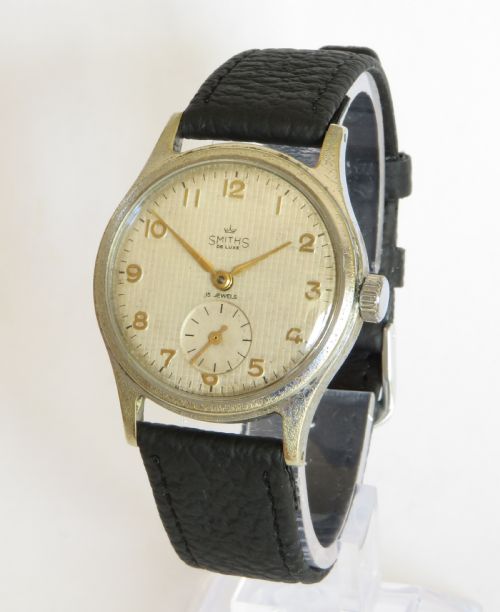
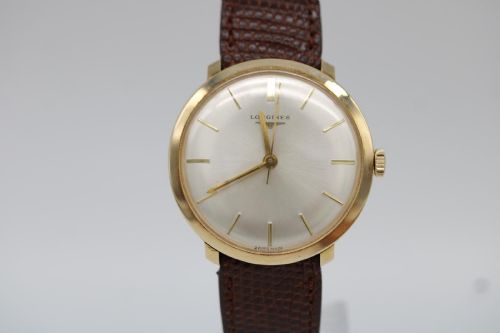
When you handle a classic leather watch, you hold a mid-century timepiece that pairs mechanical heritage with a supple strap.
Classic Leather Watch
A classic leather watch is a wrist-worn timepiece driven by manual wind or automatic movements, housed in metals ranging from stainless steel to solid gold and secured by a leather strap. These objects span decades from the nineteen-thirties to the nineteen-seventies, encompassing styles from Art Deco to mid-century modern.
The versions most commonly found here are gents wristwatches originating from the nineteen-fifties and nineteen-sixties. Makers such as Omega, Longines and Smiths dominate the selection, offering forms that vary from simple dress dials to robust chronographs and calendar models.
Materials and construction
Cases are formed from stainless steel, gold plate, chrome, or solid nine-carat and eighteen-carat gold, enclosing intricate mechanical calibres. Dials are protected by glass or acrylic glass crystals, housing components assembled by hand.
Straps are fashioned from leather, often complementing the metal tone of the case. Movements rely on manual winding or automatic self-winding mechanisms engineered by established watchmakers.
Classic Leather Watch Retail Price Guide 2026
Typical asking prices for classic leather watch among the pieces listed under this phrase on Sellingantiques today, from the lower quarter to the upper quarter. They describe what is for sale here now, not the wider market.
Distinctions in quality
Quality rests upon the preservation of the original dial and the mechanical integrity of the movement. Pieces that retain untouched components or receive professional restoration command greater respect from collectors.
The grade of the metal case, whether solid gold or gold-plated brass, alongside the complexity of the calibre inside, defines the tier of the piece.
International Watch Company IWC·Omega·Longines·Tudor·Smiths·Cyma·Rolex·Bulova Accutron·Certina·Rotary
The Classic Leather Watch Glossary
- Manual wind
- A movement powered by hand that requires regular winding via the crown to maintain operation.
- Automatic
- A self-winding movement that uses the natural motion of the wearer's wrist to keep the mainspring wound.
- Calibre
- The specific internal movement designation assigned by the manufacturer to identify the mechanical design.
- Chronograph
- A watch equipped with a stopwatch function alongside standard timekeeping displays.
- Acrylic glass
- A lightweight, shatter-resistant polymer used for watch crystals during the mid-century period.
Classic Leather Watch: Frequently Asked Questions
How do I wind a manual watch?
Rotate the crown clockwise between your thumb and forefinger until you feel gentle resistance. Stop immediately to avoid damaging the mainspring.
Perform this action at roughly the same time each day for steady timekeeping.
Can I wear my vintage watch daily?
These timepieces can be worn regularly provided they receive proper care and periodic servicing by a watchmaker. Keep them away from moisture unless specifically rated for water resistance.
Leather straps will soften and age naturally with continuous daily wear.
How do I identify the production era?
Examine the movement serial numbers or case hallmarks, which often correspond to specific manufacturing years recorded in maker archives. Stylistic cues such as dial typography and case geometry also point to decades like the fifties or sixties.
Consulting reference tables for specific makers helps narrow down the production date.
What is an automatic bumper movement?
An early form of self-winding mechanism where the oscillating weight swings back and forth within an arc, hitting springs that bounce it back. You can feel a gentle thud on your wrist as the rotor moves.
This technology bridges manual winding and modern full-rotor automatic watches.