



Classic Landscape Oil
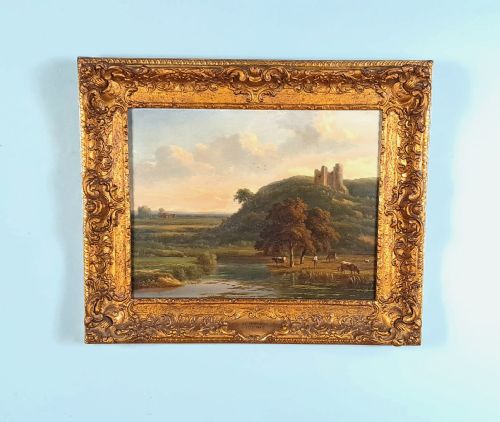
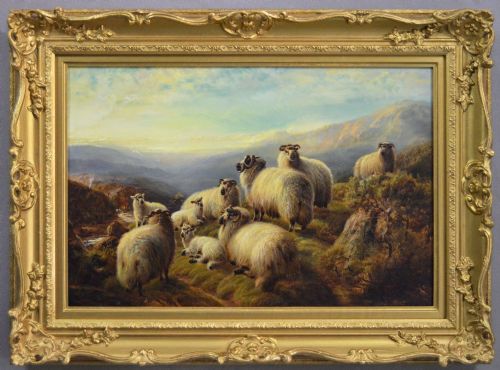
A classic landscape oil brings open skies, distant hills and rolling fields straight onto your wall, framed in period giltwood.
Classic Landscape Oil
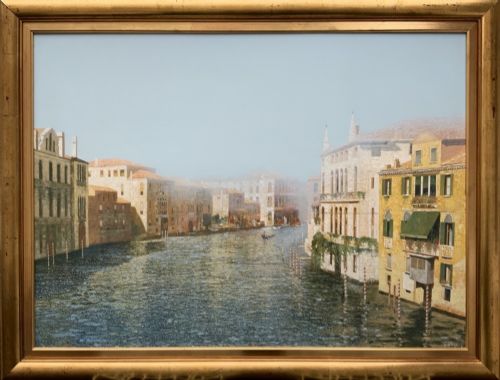
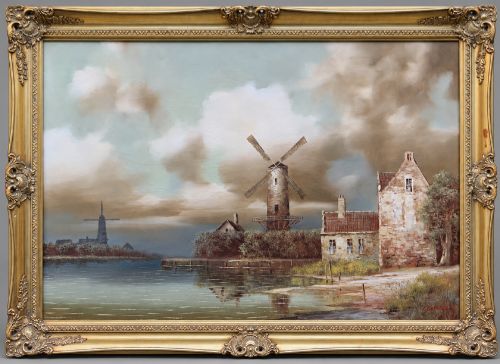
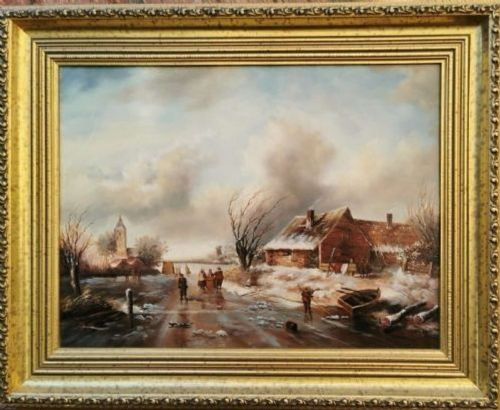
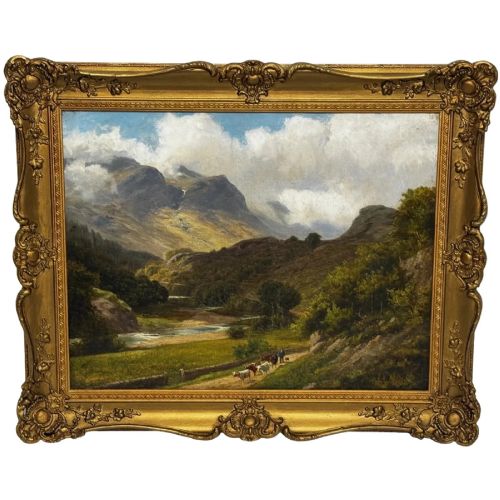
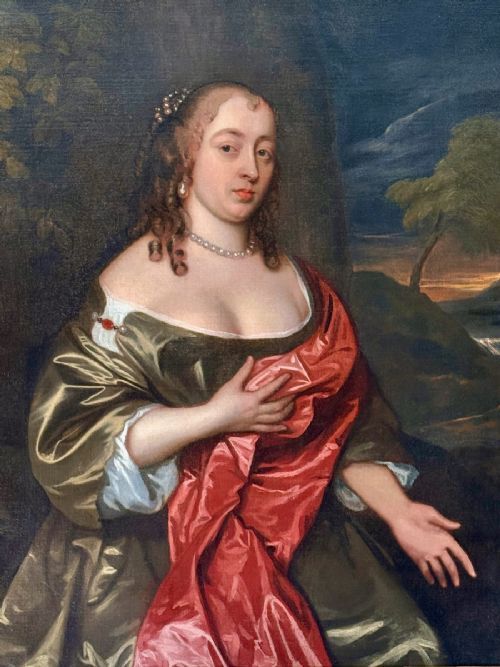
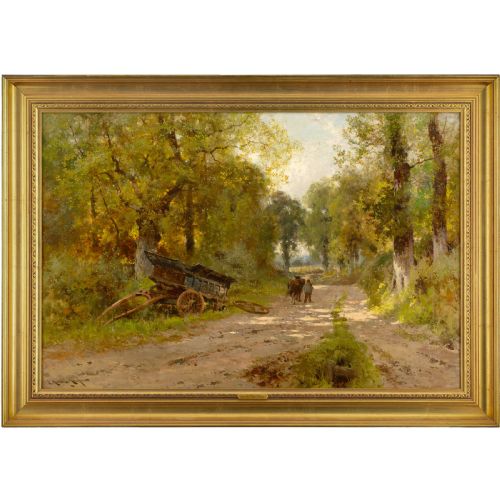
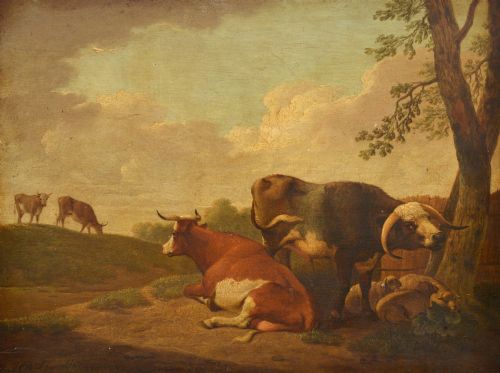
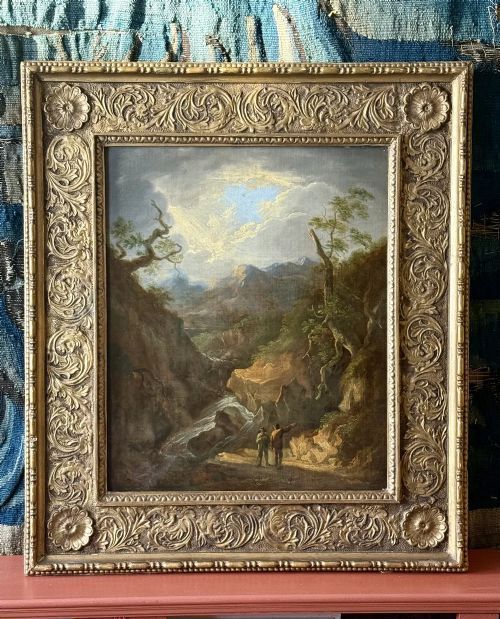
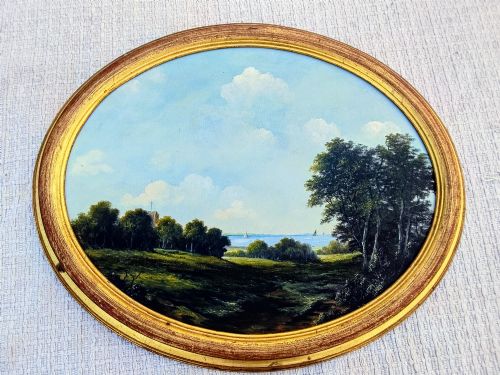
A classic landscape oil captures pastoral scenes, mountainous terrain, and river views rendered in rich pigments across canvas and wood panels. These works span centuries of artistic development, from seventeenth-century Dutch school compositions to twentieth-century depictions of British and European countryside. Collectors seek these pieces to bring traditional depth and atmospheric depth into domestic interiors.
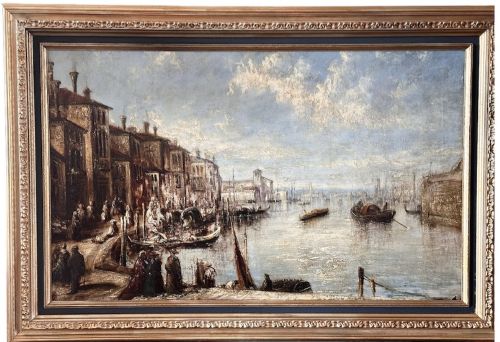
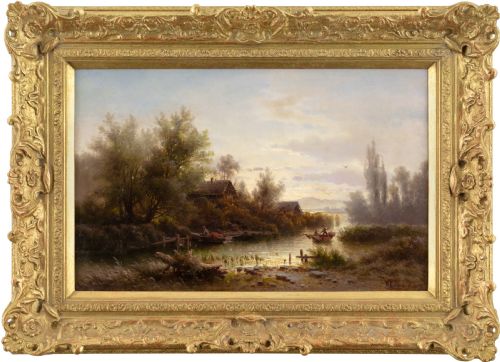
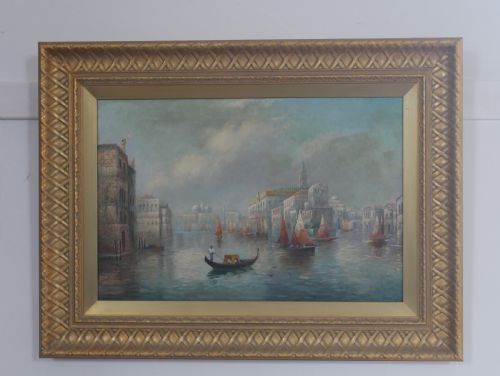
The selection ranges widely across eras, featuring Victorian lake views, Welsh mountain panoramas, and Venetian canal scenes. Buyers frequently encounter nineteenth-century canvases housed in heavy, ornate giltwood frames that complement the naturalistic brushwork. Smaller twentieth-century panels and oval sea views also appear alongside expansive pastoral vistas.
Each painting records a distinct geography, identifying specific locales such as the Lake District, the River Severn, or the Grand Canal in Venice. Figures of shepherds, cattle, or travellers often populate the foreground, grounding the vast natural scenery in human scale. This combination of topography and narrative creates enduring visual interest.
Materials and Technique
Artists built these works using oil paint applied to stretched canvas, wooden boards, or prepared panels. The medium allowed for slow drying times, enabling painters to blend tones seamlessly and build luminous atmospheric effects in skies and water.
Frames play a crucial role in the construction of these pieces, utilising carved gesso over wood finished with applied gold leaf. Giltwood frames provide structural rigidity while enhancing the luminosity of the oil pigments contained within.
Classic Landscape Oil Retail Price Guide 2026
Typical asking prices for classic landscape oil among the pieces listed under this phrase on Sellingantiques today, from the lower quarter to the upper quarter. They describe what is for sale here now, not the wider market.
The selection includes seventeenth-century Dutch school works alongside nineteenth-century Victorian pastoral scenes and twentieth-century coastal views.
Assessing Quality and Hand
Quality rests upon the artist's ability to manipulate light, shadow, and perspective to create convincing depth across the canvas. Superior works demonstrate confident brushwork that defines foliage, water movement, and cloud structures without resorting to rigid formulas.
The preservation of the original paint surface and the integrity of the support dictate the standing of a piece. Unrestored canvases with stable pigment and minimal craquelure sit at the upper end of the scale, accompanied by period-appropriate frames that complement the painting.
Benjamin Barker of Bath·Hendrik Willem Schweickhardt·Francis Moltino·Alfred Pollentine·Benjamin Williams Leader
The Classic Landscape Oil Glossary
- Oil on Canvas
- Pigments bound in drying oils applied directly to a woven fabric support stretched over a wooden frame. This combination became the standard medium for fine art painting from the Renaissance onward.
- Giltwood
- Wood that has been carved and coated with a thin layer of gold leaf or gold paint. It frequently forms the decorative border surrounding antique landscape paintings.
- Gesso
- A white paint mixture consisting of a binder mixed with chalk, gypsum, or pigment. It served as a prepared ground on wooden panels and frame mouldings before gilding or painting.
- Dutch School
- A collective term for painters working in the Netherlands during the seventeenth century. They established naturalistic traditions in landscape and genre painting.
- Victorian Pastoral
- Artworks produced during the nineteenth century focusing on idealized rural scenes. These paintings typically feature gentle countryside, livestock, and tranquil rivers.
Classic Landscape Oil: Frequently Asked Questions
How do I clean an old painting?
Surface dust can be removed gently using a soft, dry artist's brush without touching the pigment directly.
Professional conservators should handle any chemical cleaning or varnish removal to avoid damaging the underlying oil layers.
Where should I hang a landscape?
Position the artwork away from direct sunlight and fluctuating heat sources such as fireplaces or radiators.
Choose a wall space that allows eye-level viewing to properly appreciate the perspective and fine brushwork.
How can I tell the period?
Examine the canvas weave, stretcher construction, and the style of the framing materials for period clues.
Artist signatures, old exhibition labels, and inscriptions on the reverse often provide definitive dating evidence.
Why are some frames ornate?
Heavy giltwood frames were designed to reflect ambient light into the darker corners of nineteenth-century rooms.
Ornate moulded gesso patterns complemented the status of the artwork and added architectural weight to domestic displays.