
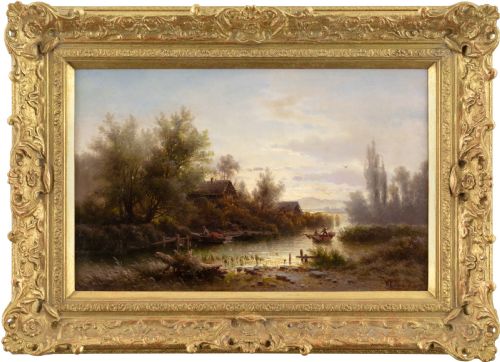
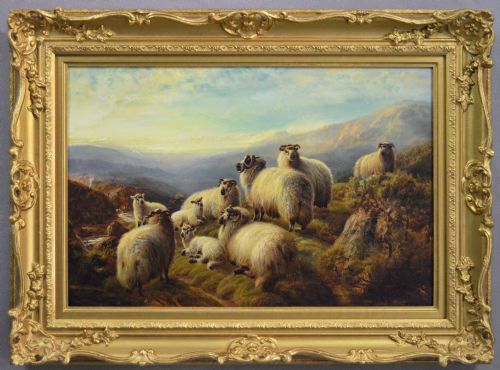


Classic Landscape Canvas Painting
These classic landscape canvas painting works offer profound historical depth and atmospheric beauty for any collector of traditional fine art.
Classic Landscape Canvas Painting
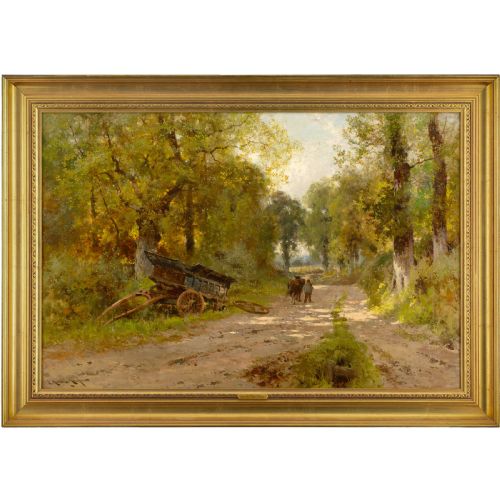
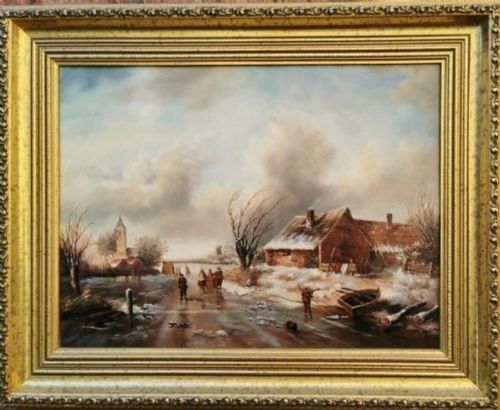
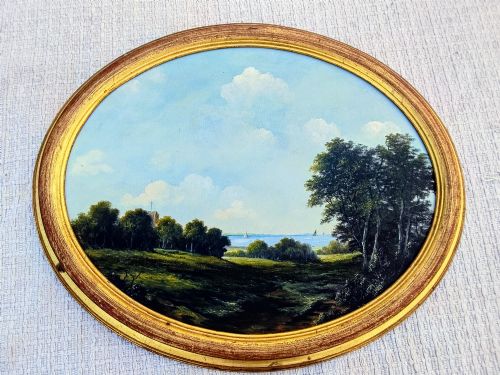
A classic landscape canvas painting represents scenes of natural scenery, rivers, mountains, and rural life executed in oil paint upon woven fabric supports. Buyers searching this phrase will frequently encounter Victorian pastoral views, 19th-century romantic compositions, and earlier Dutch-influenced works.
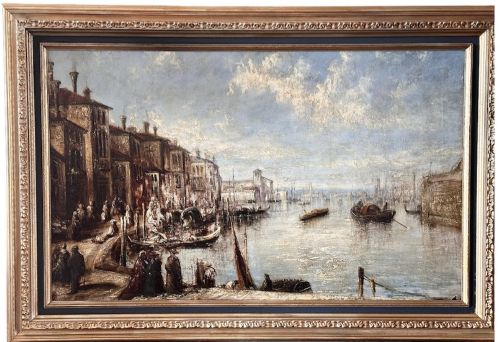
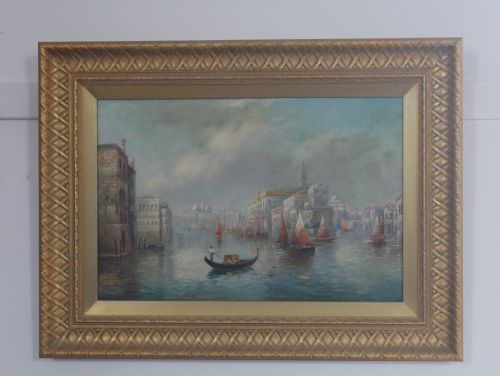
The selections span centuries of artistic endeavour, moving from 17th-century wooded vistas to 19th-century depictions of Highland sheep and Venetian canals. Works from this tradition capture the changing moods of nature, often framed in gilt wood or simpler wooden mouldings.
How They Were Made
Makers built these pieces using oil paint applied to stretched canvas, frequently supported by sturdy wooden stretchers that maintained the tension of the fabric over time. Artists utilised brushes of varying stiffness to blend pigments, creating subtle gradations of light across skies and water.
The listings span from the seventeenth century through the twentieth century, featuring oil paints on canvas alongside charcoal works on paper.
What Varies in Quality
The distinction between ordinary and superior pieces rests upon the handling of light, atmospheric perspective, and the confidence of the brushwork. Master painters achieved a sense of depth and movement that lesser hands missed, rendering foliage and water with convincing texture rather than mere formula.
Condition and originality also dictate standing within the market, particularly the stability of the canvas and the preservation of the original paint surface without heavy restoration. Framing plays a part too, as period-correct gilt wood mouldings elevate the presentation of the artwork significantly.
John Hayls·John Horace Hooper·Hendrik Willem Schweickhardt·Francis Moltino·Albert Rieger·Robert Watson·William Arthur Breakspeare·William Henry Mander·Sidney Richard Percy·Walter J Watson·Hendricus Joseph Dillens·Benjamin Williams Leader·Pieter Bout·Adriaen Frans Boudewyns·Peter Deakin·Clifton Tomson·John Wright Oakes·Alfred Pollentine·Alfred de Breanski·Sydney Kendrick·James L Brooke·Frederick J Knowles·Ernest Walbourn·Alfred Banner·Franz Reder-Broili
The Classic Landscape Canvas Painting Glossary
- Canvas
- A heavy woven fabric, typically linen or cotton, used as a surface for painting. It requires priming with gesso or size before the artist applies oil colours.
- Stretcher
- A wooden framework upon which the canvas is pulled tight and secured. Proper stretching prevents sagging and keeps the painted surface stable.
- Giltwood
- Wood carved and covered with a thin layer of gold leaf or metallic powder. This material frequently frames traditional oil paintings to lend a rich decorative border.
- Pastoral
- A genre of art depicting rural life, shepherds, and idealized country scenes. These compositions emphasise peace, simplicity, and harmony with nature.
- Tonalism
- An artistic style that emerged in the late 19th century where artists painted landscapes with an overall tone of coloured atmosphere or mist. Dark, muted hues dominate these moody, atmospheric works.
Classic Landscape Canvas Painting: Frequently Asked Questions
How do I clean a canvas painting?
Dust the surface gently with a very soft, dry brush to remove loose particles. Avoid using water, household cleaners, or moisture of any kind on antique oil paint.
Professional conservators should handle any deeper cleaning or removal of accumulated grime. Mishandling the paint layer can cause irreversible damage to the pigment.
How should I frame an antique canvas?
Retain the original frame whenever possible, as it was selected to complement the era and style of the artwork. Period giltwood frames add historical context and aesthetic harmony.
If a replacement is necessary, choose a wooden moulding appropriate to the painting's century. Avoid overly modern frames that clash with the traditional subject matter.
What subjects are most common?
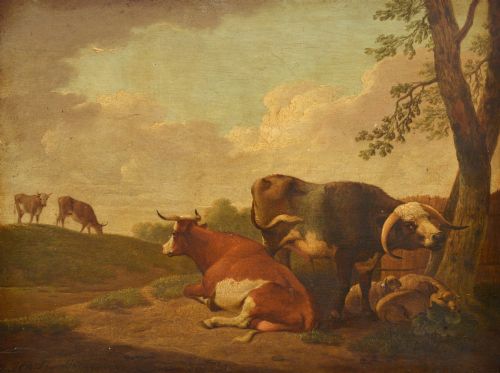
Landscapes frequently feature rural river views, mountainous terrain, and pastoral scenes with animals like sheep or cattle. Coastal waters and Venetian townscapes also appear regularly across these inventories.
Artists often included human figures engaged in daily work or leisurely pursuits to add scale and narrative interest. These diverse motifs reflect shifting artistic tastes from the seventeenth through the early twentieth century.