
Classic Gold Watch
When you handle a classic gold watch, you touch a century of mechanical horology spanning pocket and wrist formats.
Classic Gold Watch
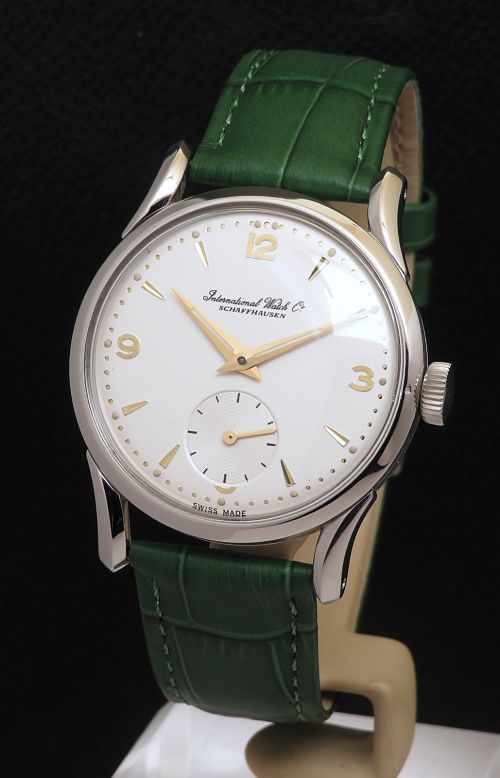
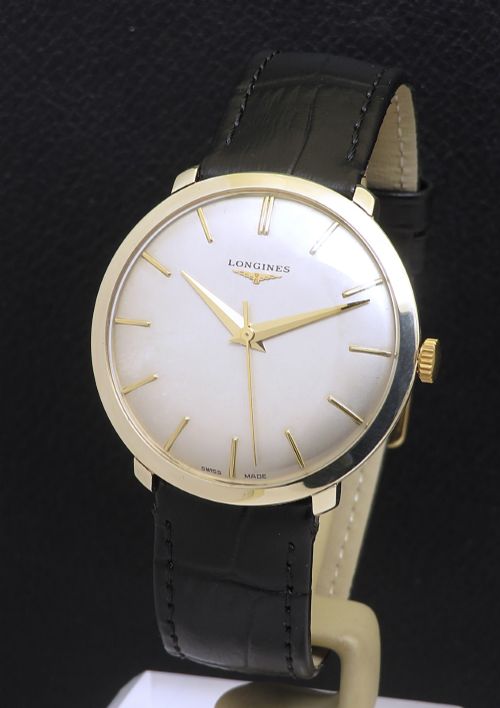
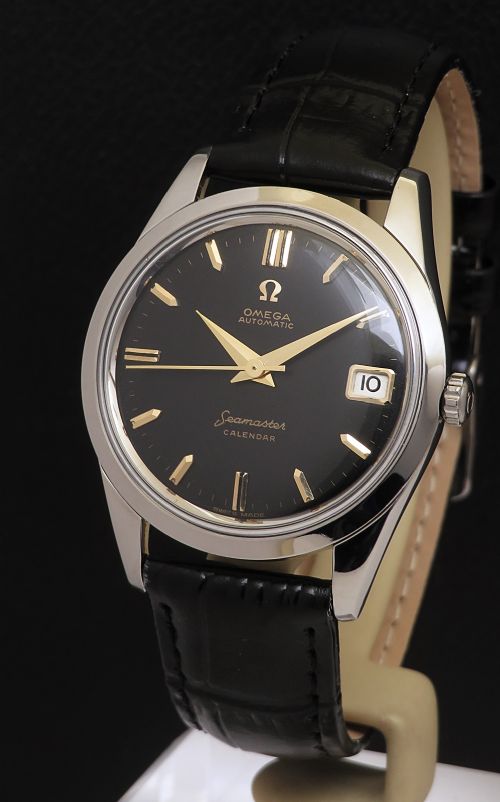
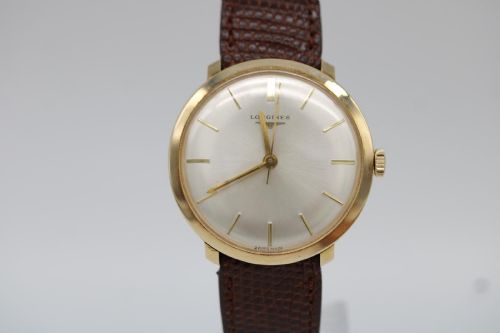
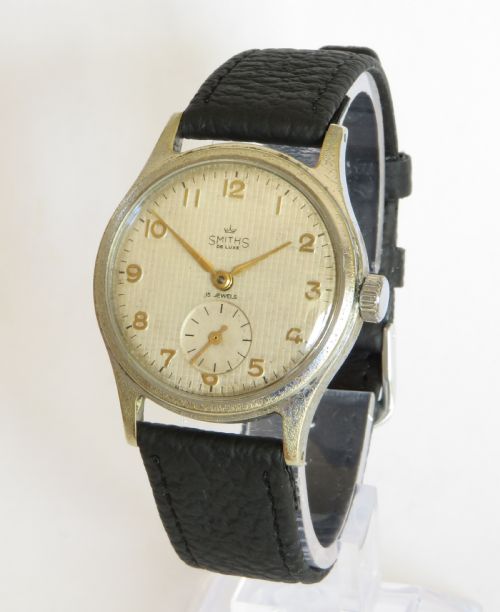
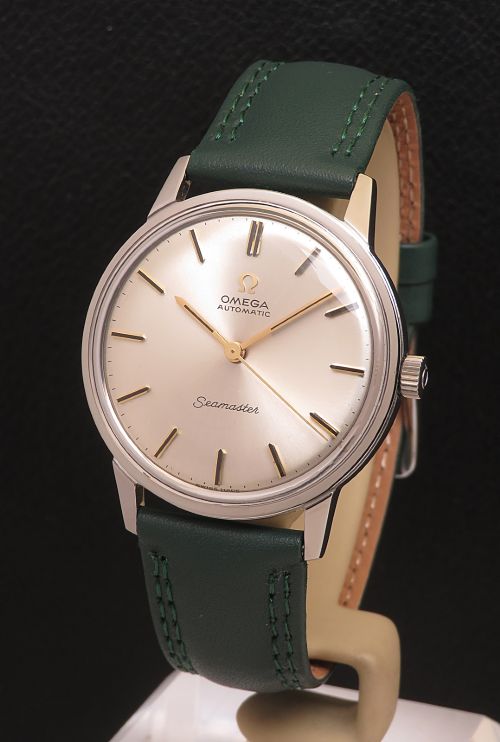
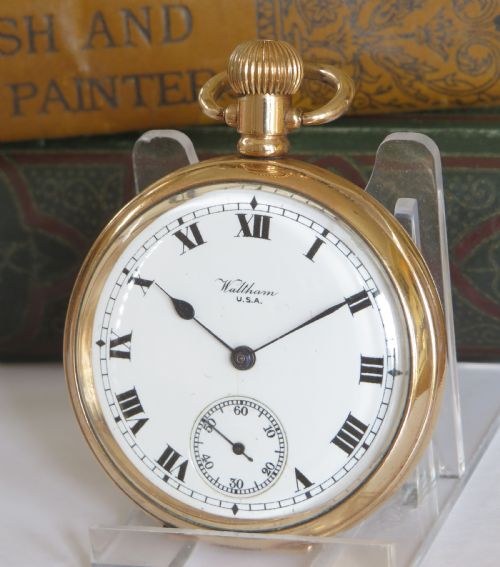
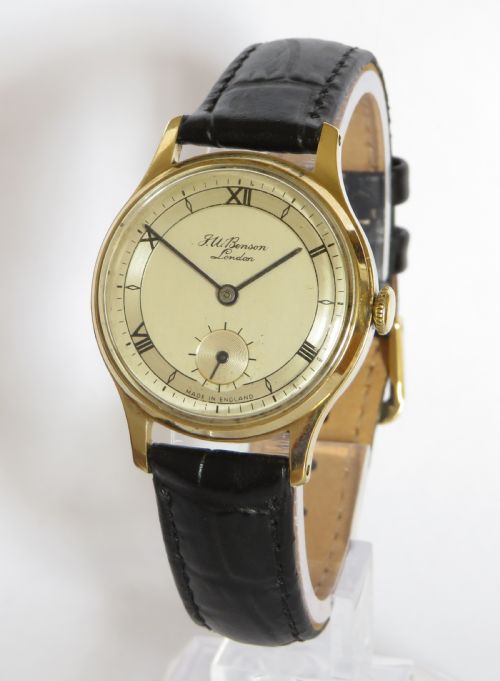
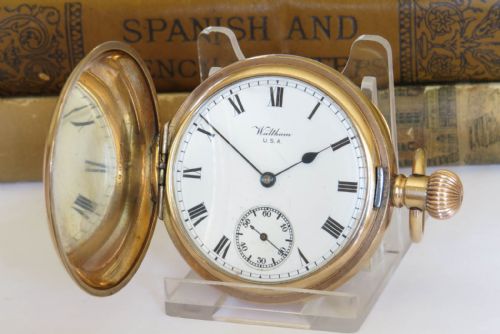
A classic gold watch encompasses both wristwatches and pocket watches spanning several decades of horological development. You will encounter forms originating from the Edwardian period through the 1960s, reflecting changing tastes in personal timekeeping.
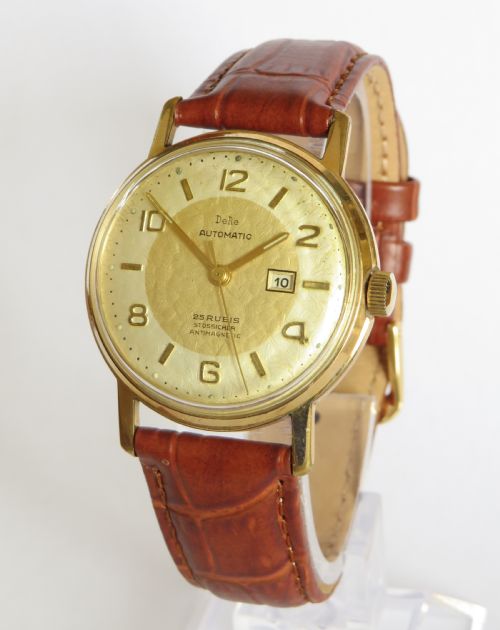
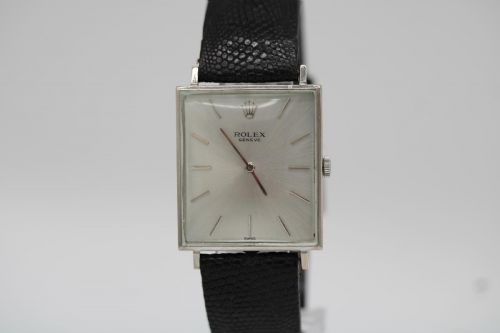
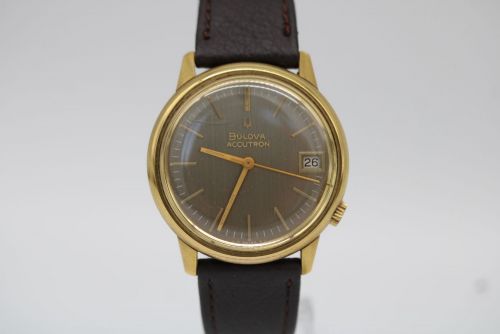
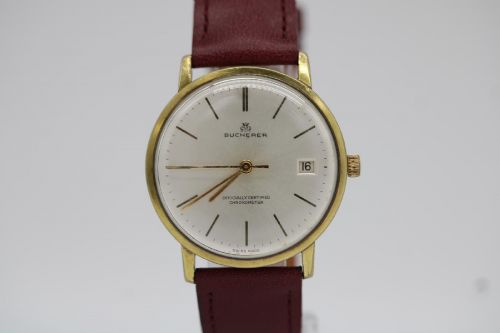
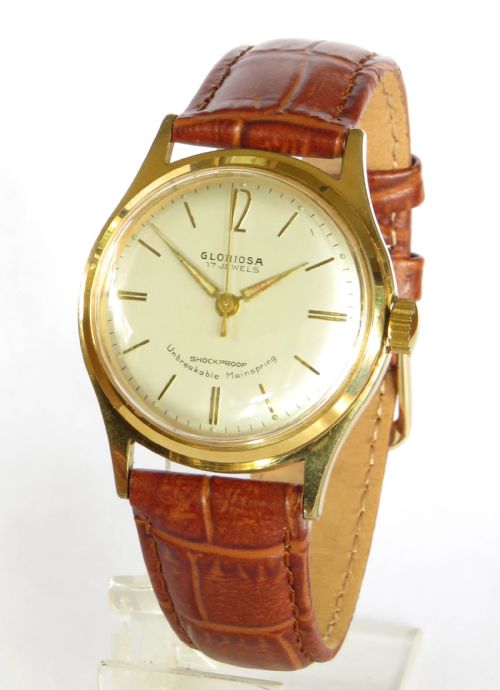
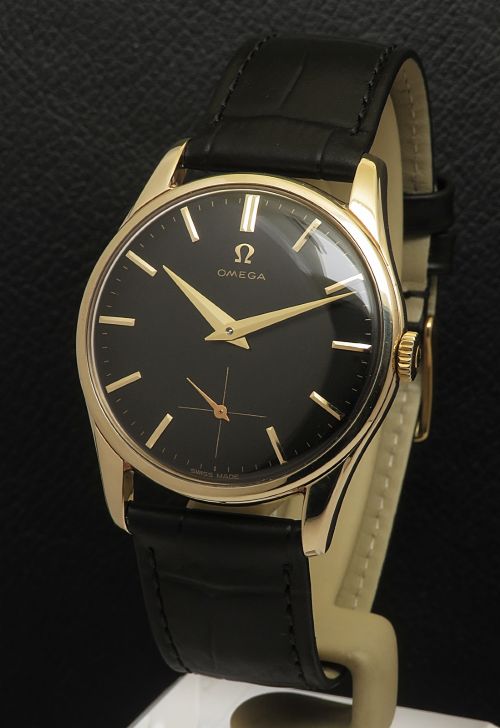
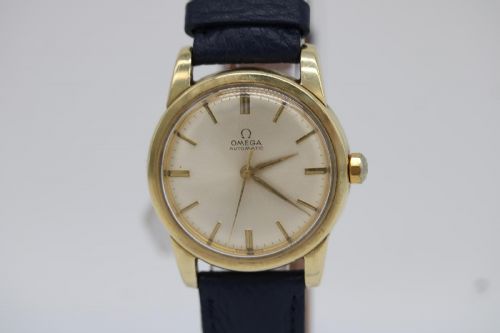
The pieces listed here showcase standard formats like round wristwatches and hunter pocket watches alongside rectangular dress models. Wristwatches dominate the selection, heavily weighted toward mid-century automatic and manual wind movements.
Originating from Swiss and British makers, these items range from robust daily timekeepers to refined dress pieces. A buyer searching for a classic gold watch will find numerous examples from the 1950s and 1960s equipped with leather straps and metal bracelets.
How They Were Made
Cases utilise solid 9ct gold, 18ct gold, and gold plate, paired with stainless steel backs and internal movements driven by manual wind or automatic calibres. Dials incorporate glass, acrylic, and acrylic glass crystals to protect painted or sunburst faces.
Straps combine leather with original metal buckles and bracelets, integrating mechanical jewelled movements containing up to 17 jewels or more. Makers applied traditional finishing techniques such as gold plating over base metals and solid casting for precious metal housings.
Some vintage pieces arrived with their original branded boxes intact, preserving decades of quiet desk drawer storage.
What Varies in Quality
The distinction between tiers rests upon the composition of the case and the originality of the components. Solid 9ct and 18ct gold housings represent a higher tier than gold-plated alternatives, while factory-original dials and matching signed movements elevate a piece above altered examples.
The complexity and finish of the internal calibre, such as adjusted automatic movements by established makers, separate standard grade timekeepers from top-tier horological specimens. Preservation of original boxes, straps, and documented service histories further divides the range.
Omega·Waltham·Smiths·Rolex·Bulova·Bucherer·Certina·Avia·Baume·Eterna-Matic·Garrard·Lanco·Longines·Baume Mercier·Titus
The Classic Gold Watch Glossary
- Calibre
- The specific internal mechanical movement manufactured by a watchmaker. This identifier denotes the exact movement design housed within the watch case.
- Full hunter
- A pocket watch featuring a protective metal spring-loaded cover over the glass dial. The cover opens via a button on the crown.
- Manual wind
- A mechanical movement wound by hand via the crown rather than by wrist motion. Users must turn the crown regularly to maintain power.
- Automatic
- A self-winding mechanical movement utilising a weighted rotor that turns with the natural motion of the wearer's wrist. This mechanism tensions the mainspring continuously during daily wear.
- Sunburst dial
- A metallic watch face finished with fine radial lines radiating from the centre. This treatment catches light dynamically as the wrist moves.
Classic Gold Watch: Frequently Asked Questions
How do I wind a vintage watch?
Gently rotate the crown clockwise between your thumb and forefinger until you feel gentle resistance. Stop immediately to avoid damaging the internal mainspring.
Wind the watch at approximately the same time each day to maintain consistent tension and accurate timekeeping.
Can I wear my watch swimming?
Vintage timepieces lack modern waterproof seals and pressure resistance. Submerging them in water will cause moisture to enter the movement.
Keep these pieces away from water, heavy rain, and excessive humidity to preserve the internal metal components and dial.
How do I tell automatic from manual?
Automatic watches contain an internal weighted rotor that winds the mainspring through natural arm movements. They continue running while worn daily without manual winding.
Manual wind models require regular turning of the crown to build power because they lack self-winding mechanical rotors inside.