



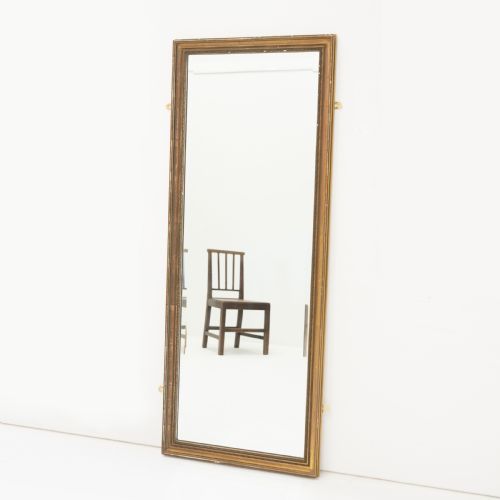
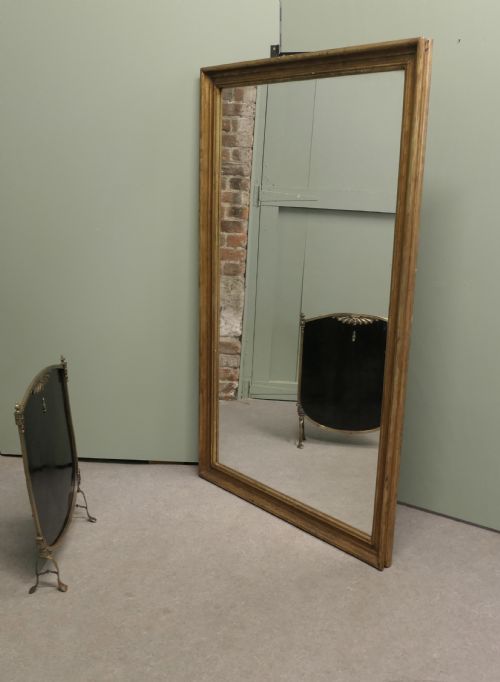


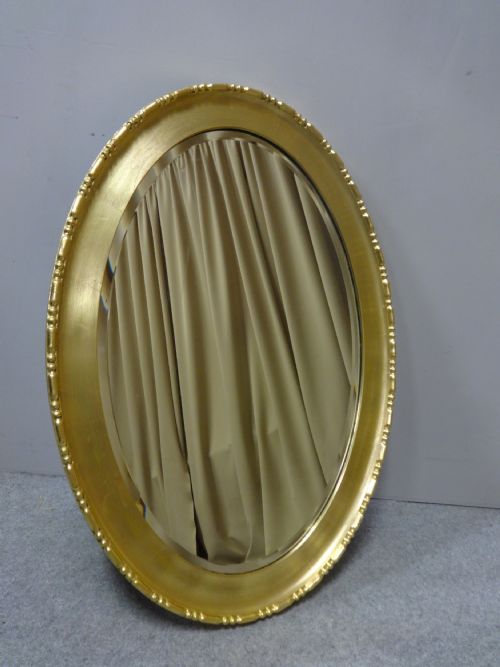

Classic Gilt Frame Mirror
A classic gilt frame mirror brings warmth and reflective depth to a room, catching the light in a way plain timber simply cannot manage.
Classic Gilt Frame Mirror
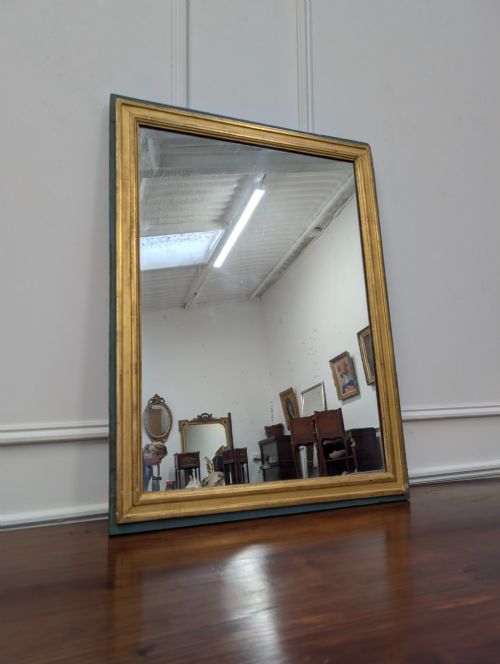
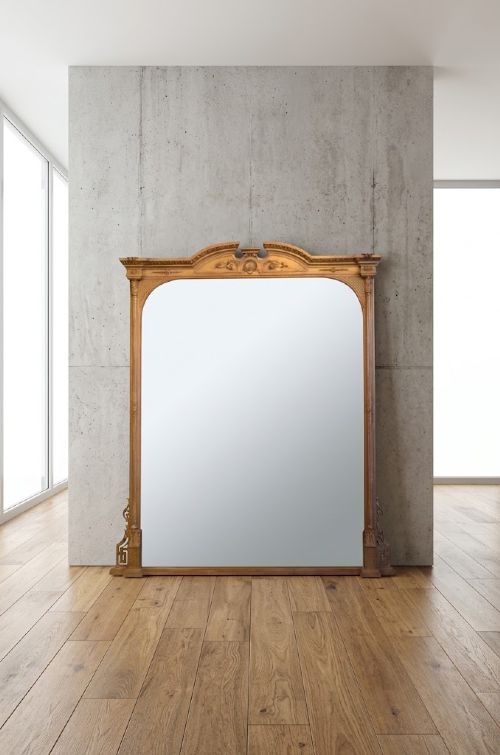
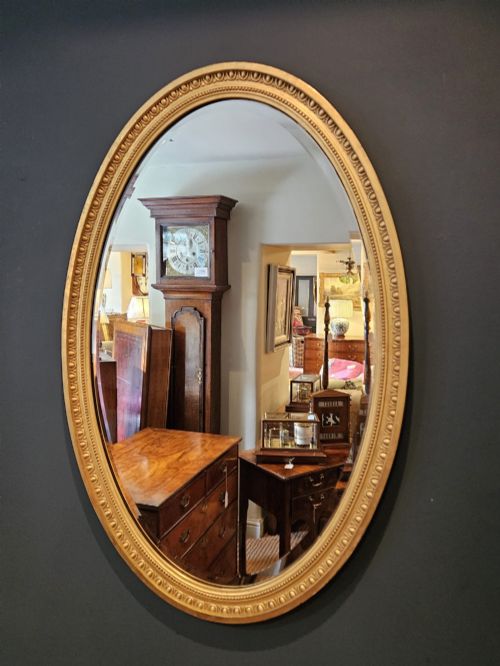
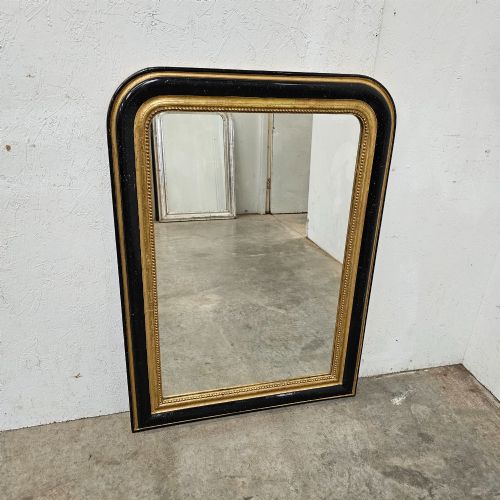
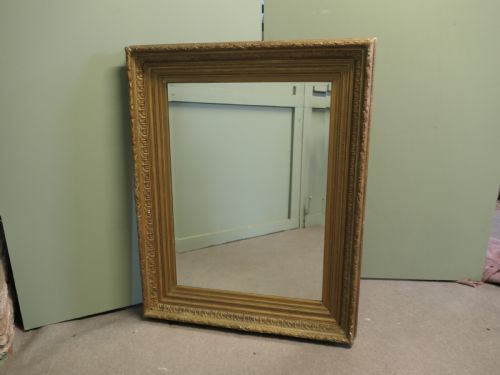
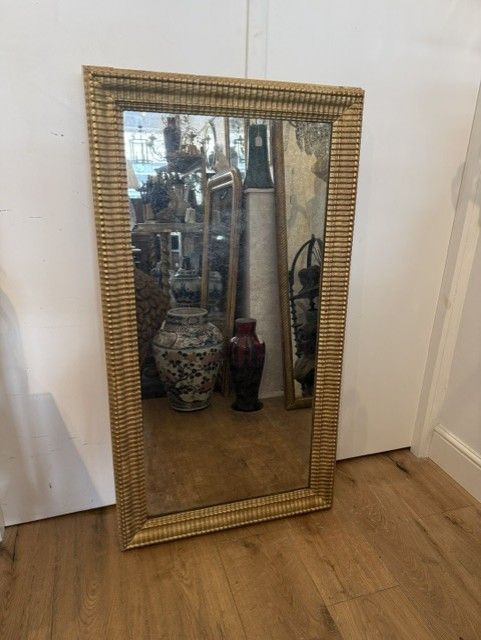
A classic gilt frame mirror provides a decorative and functional focal point, appearing in forms such as grand overmantels, pier glasses, and smaller oval or rectangular wall hangings. These pieces bridge centuries of design, reflecting light and expanding the visual space of a room with polished efficacy.
The versions most commonly met here span the nineteenth century, taking stylistic cues from Georgian restraint, Victorian exuberance, Edwardian refinement, and French Louis influences. Whether hung above a fireplace or mounted on a principal wall, each piece carries the distinct proportion of its original era.
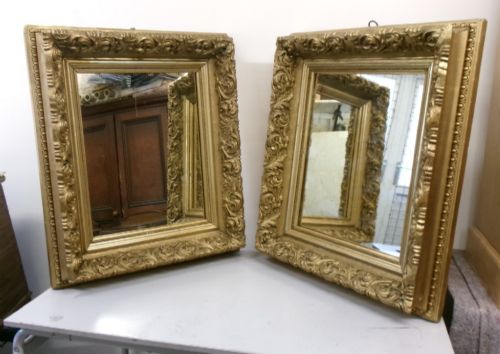
Makers and craftsmen applied gilding to various woods and compositions, resulting in finishes that range from bright gold leaf to softer, aged patinas. The selection includes both English and French examples, demonstrating regional preferences in carving, shape, and decorative motifs.
How they were made
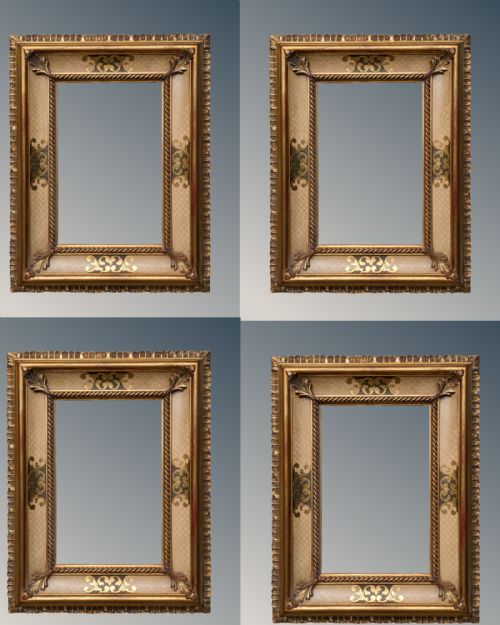
Makers built the foundational structures of these frames using timber such as wood, applying layers of gesso to smooth the surface before adding fine gold leaf or composition details. This preparation allowed carvers to execute intricate decorative elements, from crisp neoclassical motifs to heavy classical mouldings.
Techniques varied between carved solid wood frames and those utilising moulded composition ornaments affixed to wooden carcasses. Overmantels and large wall mirrors often required robust joinery to support the substantial weight of the mirror glass within the gilded surround.
Classic Gilt Frame Mirror Retail Price Guide 2026
Typical asking prices for classic gilt frame mirror among the pieces listed under this phrase on Sellingantiques today, from the lower quarter to the upper quarter. They describe what is for sale here now, not the wider market.
Listings feature pieces spanning the eighteenth to the twentieth centuries, utilising materials such as gesso, composition, and gold leaf.
What varies in quality
The standard of craftsmanship is visible in the crispness of the carved detail and the depth of the gilding, where hand-applied gold leaf displays a richer light than composition finishes. Superior examples maintain structural integrity in the corners and joints despite the heavy weight of the glass.
The quality of the mirror plate itself influences the character of the piece, with older bevelled or mercury glass showing distinct ageing that complements the wear on the surrounding frame. Balance in proportion and subtlety in ornamental design separate standard domestic mirrors from exceptional architectural statements.
The Classic Gilt Frame Mirror Glossary
- Giltwood
- Timber that has been coated with gold leaf or a gold-coloured substance. This material forms the primary substrate for many traditional frames.
- Gesso
- A plaster-like mixture applied to wood frames to create a smooth surface for gilding. It is frequently moulded or carved with fine decorative details.
- Overmantel
- A large mirror designed to be hung specifically above a fireplace mantelpiece. These pieces often feature wide horizontal proportions suited to architectural settings.
- Pier Glass
- A tall mirror intended to be hung on the narrow pier of wall between two windows. They reflect natural light back into the centre of the room.
- Composition
- A moulded paste of whiting, resin, and linseed oil pressed into ornamental shapes. It provided a cost-effective alternative to hand-carved wood.
Classic Gilt Frame Mirror: Frequently Asked Questions
Where should I hang an overmantel mirror?
An overmantel mirror traditionally sits directly above the fireplace mantelpiece, anchoring the vertical space of the chimney breast. This placement allows the glass to reflect light from opposite windows across the room.
Ensure the wall fixings are robust enough to support the substantial weight of the timber and glass structure. Lower placement near the mantel shelf creates a cohesive visual unit with the hearth below.
How do I date an antique mirror?
Dating relies on examining the construction methods of the wooden frame, the style of the gesso ornamentation, and the characteristics of the mirror plate. Georgian and Victorian pieces exhibit distinct proportions and joinery techniques unique to their periods of manufacture.
Backboards, fixings, and the chemical composition of the glass or silvering also provide reliable clues to the decade of origin. Comparing the stylistic motifs against documented design books confirms the era.
What is the difference between gesso and wood frames?
Gesso frames use a plaster base applied over a wooden carcass to allow for intricate moulded ornamentation, whereas carved wood frames feature details cut directly into the timber. Many traditional mirrors combine both techniques, using carved wooden elements supplemented by moulded gesso relief work.
Examining the chipped areas or corners under magnification usually reveals whether the decorative surface is carved timber or pressed composition over plaster.
How do I clean a gilt frame safely?
Dust a gilt frame gently with a soft, dry brush to remove surface particles without disturbing the delicate gold leaf or composition. Avoid using water, chemical solvents, or abrasive cloths, which can strip the thin metallic layer or damage the underlying gesso.
Mirror glass can be cleaned with a minimal amount of glass cleaner applied to a cloth rather than sprayed directly, preventing liquid from seeping behind the frame edge.