




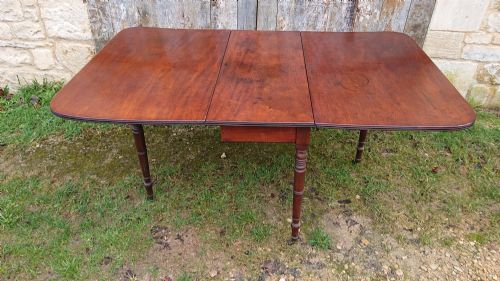
Classic Georgian Side Table
A classic georgian side table offers practical elegance, providing sturdy surfaces and refined proportions that anchor a traditional room.
Classic Georgian Side Table
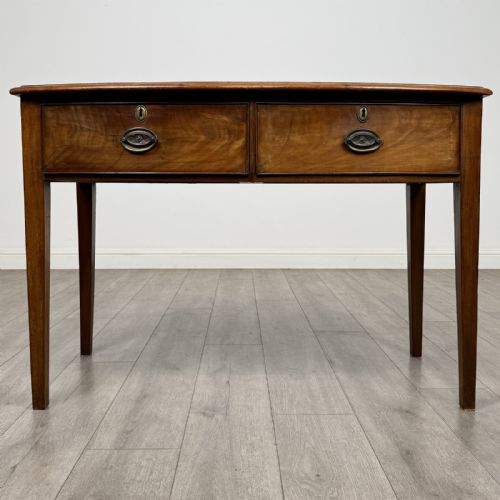
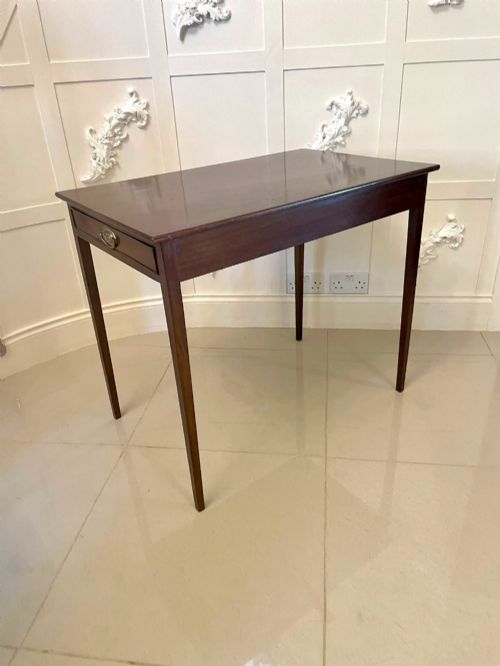
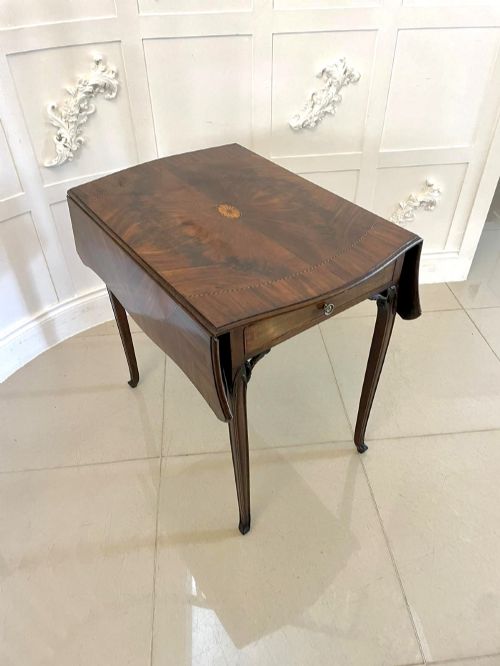
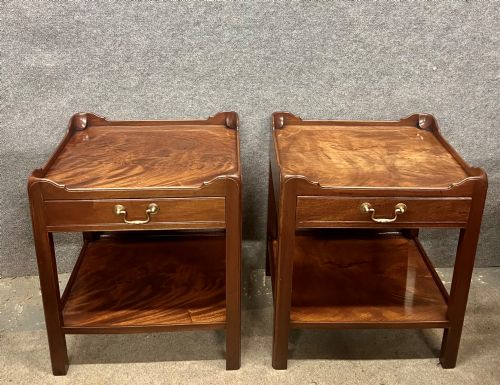
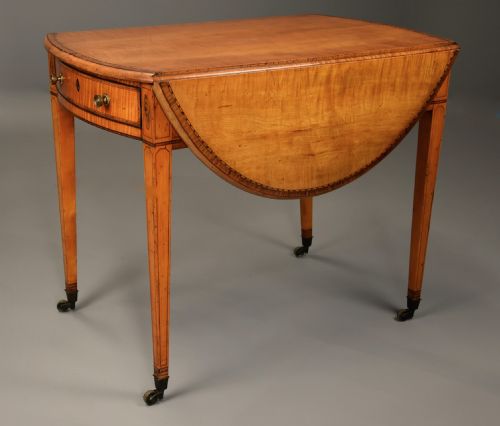
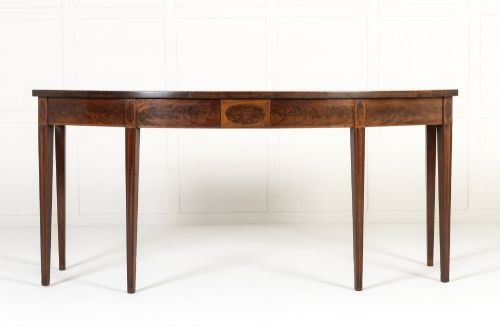
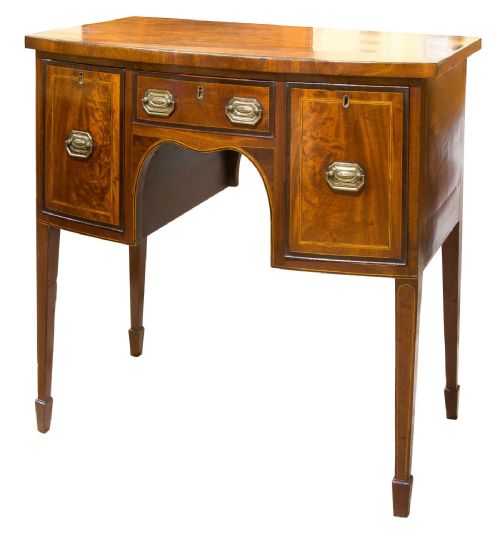
When you search for a classic georgian side table, you encounter practical furniture designed for domestic utility and display. The selection includes occasional tables, console tables, and Pembroke tables from periods such as the Georgian, George III, and Regency eras.
Mahogany forms the primary material foundation across the pieces, accompanied by walnut and sycamore. Alongside originals, the listings encompass later revivals including Edwardian and 1930 interpretations of these earlier forms.
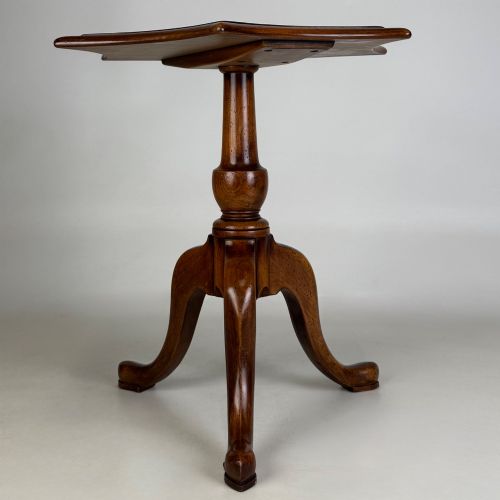
These tables serve varied functions within a home, acting as lamp tables, bedside surfaces, or serving consoles. Their forms range from simple tripod bases to demilune shapes and drop-leaf Pembroke designs.
How they were made
Cabinetmakers utilised solid timbers and wood veneers, selecting figured mahogany and walnut for visible surfaces. Construction relied on traditional joinery methods to ensure stability across console and occasional forms.
Decorative elements involved intricate inlay work, utilising satinwood and boxwood to create contrasting borders and geometric motifs. Brass fittings appeared on functional components like pull handles and castors.
Finishing techniques enhanced the natural grain of the wood, developing a fine patina over centuries of use and care. Solid fiddleback sycamore and mahogany received careful polishing to highlight figure and depth.
The listings on this page span multiple eras, featuring mahogany, walnut, and satinwood across side, console, and Pembroke table forms.
What varies in quality
The choice of timber underpins the distinction between standard items and superior examples. Highly figured mahogany or fiddleback sycamore elevates a piece, demonstrating careful selection by the original maker.
The complexity and precision of decorative inlay indicate higher craftsmanship. Satinwood and boxwood details executed with sharp margins separate refined tables from simpler utilitarian versions.
Structural integrity and the preservation of original surfaces dictate the standing of each piece. Tables retaining their early patina and unaltered proportions command greater appreciation.
The Classic Georgian Side Table Glossary
- Pembroke table
- A small occasional table featuring two hinged drop leaves on opposing sides. It usually contains one or more small drawers.
- Demilune
- A half-moon shape utilised for console and side tables designed to stand flat against a wall. This form often appears in pairs.
- Tripod table
- An occasional table supported by a central pillar resting on three spreading feet. This construction allows for stability on uneven floors.
- Patina
- The surface sheen and mellowing developed by wood over years of handling and exposure. It serves as an indicator of age and consistent maintenance.
- Inlay
- A decorative technique where contrasting woods like satinwood or boxwood are inserted into recesses within the primary timber surface.
Classic Georgian Side Table: Frequently Asked Questions
What is a Pembroke table?
A Pembroke table is a compact design featuring drop leaves on either side supported by hinged brackets. Makers originally intended them for breakfast or light writing tasks.
Today, these versatile pieces function well as lamp tables or occasional surfaces in sitting rooms. Their drop leaves allow them to fit easily into smaller spaces.
How do I identify Georgian furniture?
Georgian furniture spans the reigns of the four Georges, characterised by classical proportions and mahogany as a dominant timber. Details often include brass hardware and subtle carving.
Later revivals from the Edwardian period or the 1930s replicated these proportions using similar woods. Examining the joinery and timber figure helps distinguish originals from later interpretations.
Where should I place a console table?
Console tables are designed to stand flat against a wall, making them ideal for entrance halls or narrow corridors. Their shallow depth ensures they do not obstruct walking space.
In living areas, they provide a surface for lamps, mirrors, or decorative objects. Demilune console tables often work well in pairs flanking a doorway or fireplace.
How do I care for antique mahogany?
Antique mahogany requires regular dusting with a soft, dry cloth to prevent dirt accumulation. Avoid placing wooden furniture in direct sunlight or near heat sources to prevent warping.
Occasional application of appropriate wax polish maintains the moisture and finish of the timber. This preserves the natural patina developed over generations.