


Classic Female Oil Portrait
A classic female oil portrait brings centuries of character into a room, capturing sitters from the seventeenth century through to the modern era.
Classic Female Oil Portrait
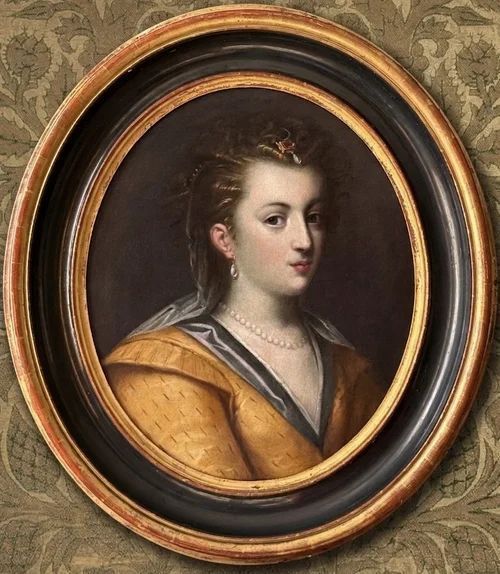
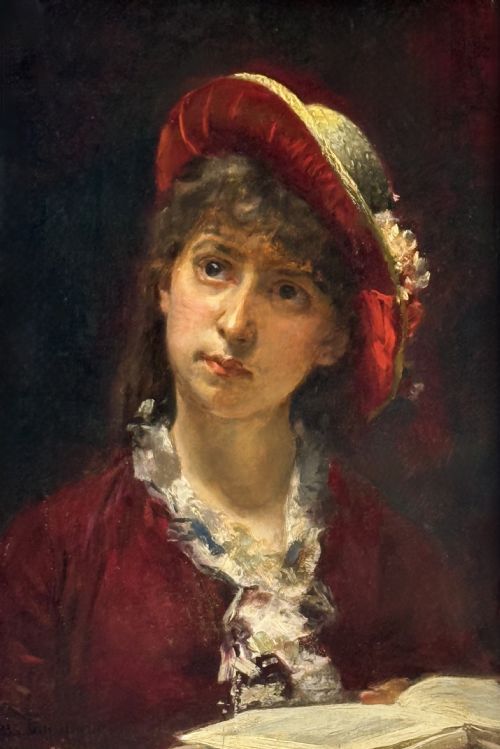
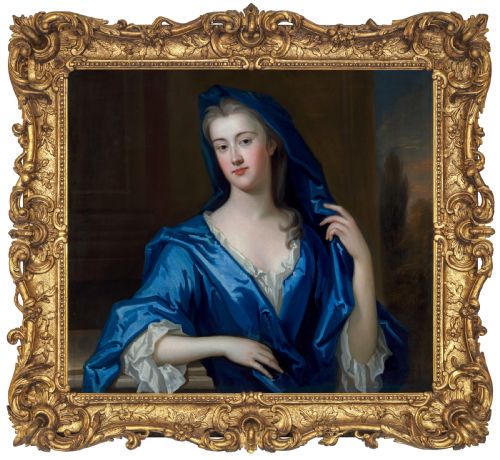
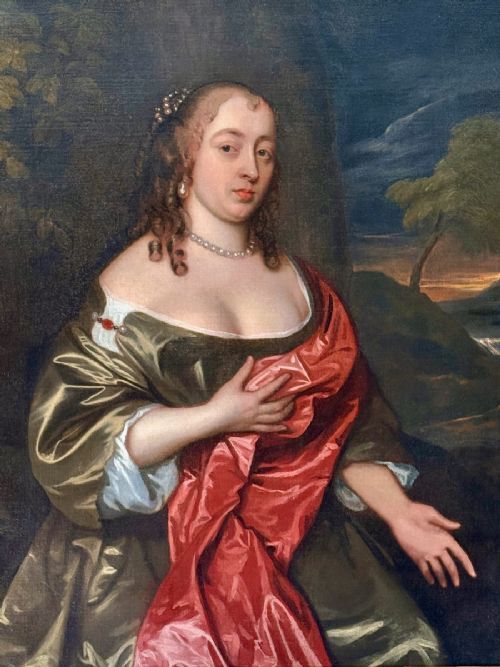
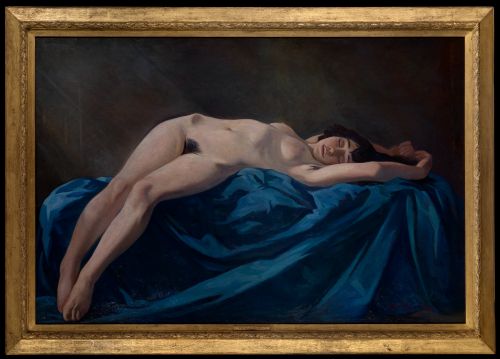
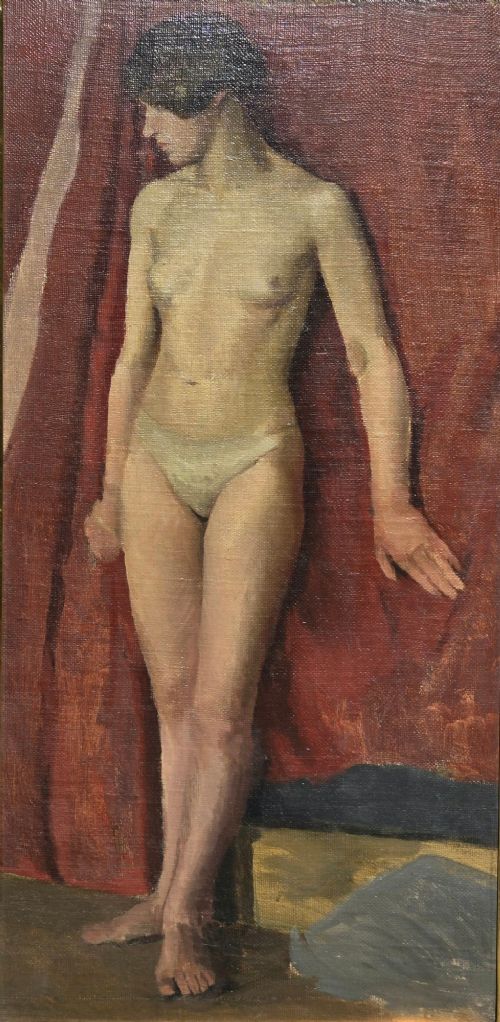
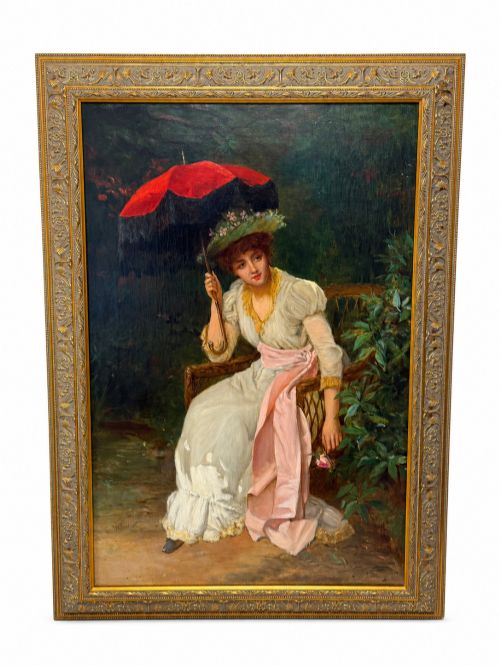
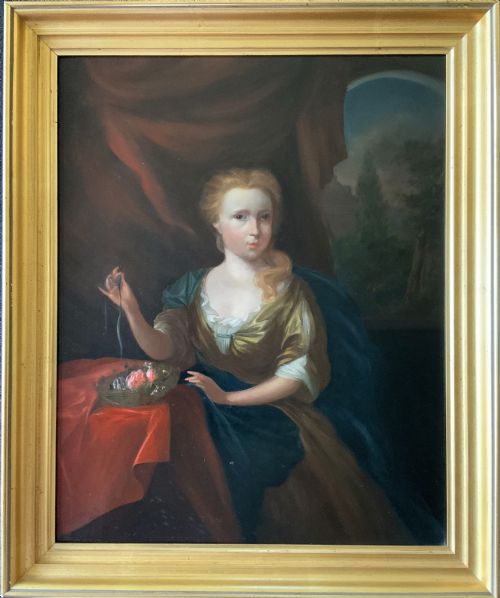
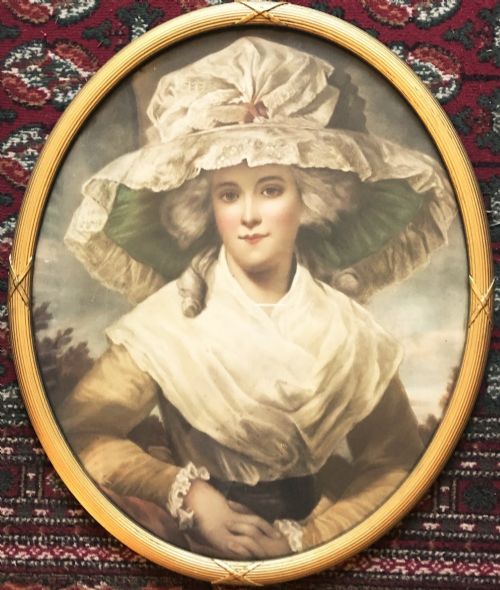
A classic female oil portrait represents women of past centuries captured by academic painters, portrait specialists, and regional schools. The selection spans the seventeenth, eighteenth, and nineteenth centuries, alongside early twentieth-century examples.
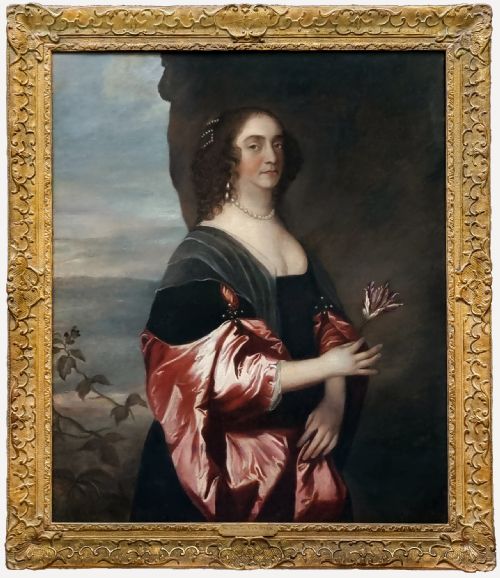
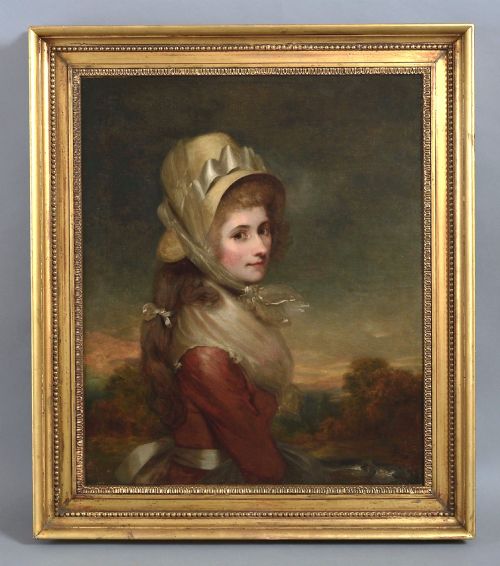
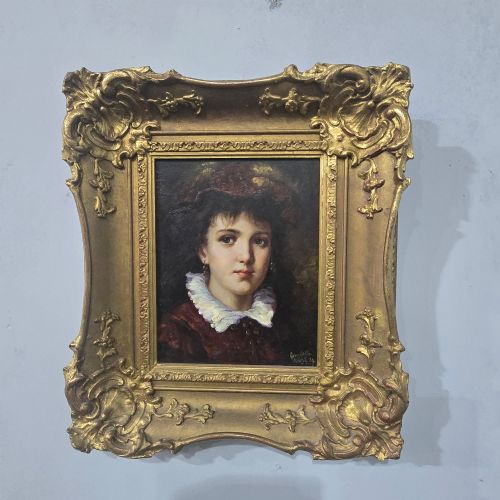
Most entries on this page rely on traditional oil on canvas surfaces, housed within period wooden or giltwood frames. Viewers encounter noblewomen, artists' daughters, and unidentified sitters portrayed in garments ranging from seventeenth-century silk gowns to Victorian lace caps.
Works attributed to studio circles sit alongside signed pieces by named historical painters. The range extends from grand baroque compositions to smaller domestic depictions of Victorian women.
Materials and technique
Artists built these works using oil paint applied to stretched canvas panels, often working within established studio traditions. Painters layered pigments to capture the textures of silk, satin, and lace against muted or extensive landscape backgrounds.
Frames play a structural and aesthetic role, frequently constructed from carved wood finished with gold leaf or giltwood highlights. These surrounds often date to the original period of the painting, matching the prevailing styles of the seventeenth through nineteenth centuries.
Several ladies gaze out across the centuries wearing elaborate lace mop caps, velvet ribbons, and occasionally holding a pet conch.
Separating the levels of execution
The sophistication of the sitter's rendered attire and the preservation of the original canvas and stretcher influence the standing of a piece. Surviving frames retaining their original gilding elevate the integrity of the overall artwork.
John Hayls·Sir Martin Archer Shee·Sir Peter Lely·Thomas Beach·Nicolaes Maes·Attilio Toro·Balthasar Denner·Sir Godfrey Kneller·John Closterman·William Huggins
The Classic Female Oil Portrait Glossary
- Oil on Canvas
- A painting medium where pigments suspended in drying oils are applied to a woven fabric support. This combination allowed artists to blend tones smoothly and achieve deep colour saturation.
- Giltwood
- Wood carved and coated with a thin layer of gold leaf or gold paint. It frequently forms the decorative frames associated with formal portraiture.
- Baroque
- An artistic style spanning the seventeenth and early eighteenth centuries, characterised by drama, rich colour, and deep shadow. Portraits from this movement often feature theatrical drapery and intense lighting.
- Studio of
- A designation indicating a work produced by assistants or pupils working under the direct supervision of a master painter. These pieces closely follow the master's composition and technique.
- Pre-Raphaelite style
- An aesthetic reflecting the ideals of nineteenth-century artists who emulated Italian art prior to Raphael. Works in this vein typically emphasise detailed naturalism and medieval romanticism.
Classic Female Oil Portrait: Frequently Asked Questions
How do I identify the period of a portrait?
Clothing styles, hairstyles, and framing techniques provide the clearest chronological markers for historical paintings. Sitters from the seventeenth century often wear structured gowns and ruffs, whereas Victorian subjects typically appear in lace caps or mid-nineteenth-century dresses.
Canvas preparation and stretcher construction also offer clues to age. Pigment analysis and framing conventions help narrow down the decade in which the portrait was executed.
What is the difference between an attributed work and a signed painting?
A signed painting bears the physical signature of the artist, confirming direct creation by that hand. Attributed works lack a signature but share stylistic traits, brushwork, and composition with a known master.
Expert opinion links these unsigned pieces to specific studios or painters based on comparative evidence. Both categories hold distinct places in historical art collecting.
How should I care for an antique oil painting?
Antique canvases require stable environmental conditions away from direct sunlight and dramatic humidity swings. Keeping paintings in rooms with moderate temperatures prevents the oil paint and canvas from cracking.
Dusting should be done gently with a soft, dry brush, avoiding any liquid cleaners. Professional conservators should handle any structural repairs or surface cleaning.
Why do some portraits include extensive landscapes?
Landscape backgrounds in formal portraiture served to signal the wealth, social standing, or estate ownership of the sitter. Including natural scenery allowed artists to demonstrate skill in botanical and atmospheric detail.
This convention became popular in seventeenth and eighteenth-century European portrait painting. It draws the viewer's eye across the canvas while contextualising the subject within a broader environment.