



Classic Dial Clock
A classic dial clock brings mechanical precision and period character to a room, offering the steady rhythm of traditional timekeeping.
Classic Dial Clock
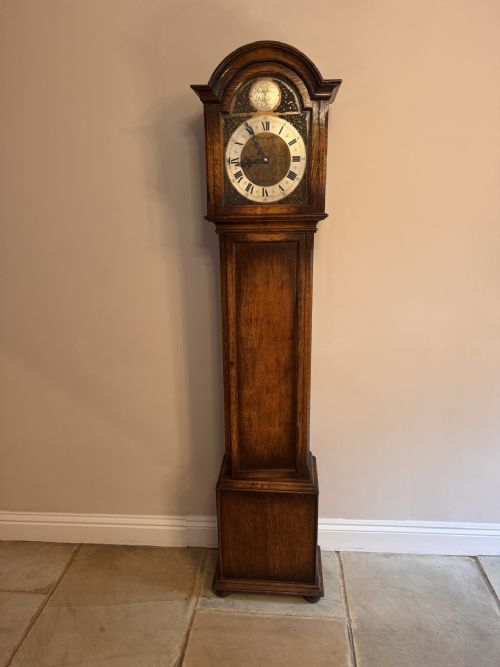
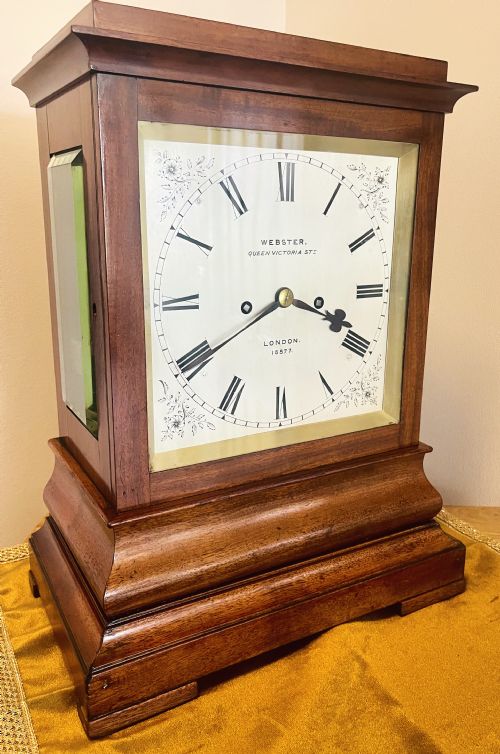
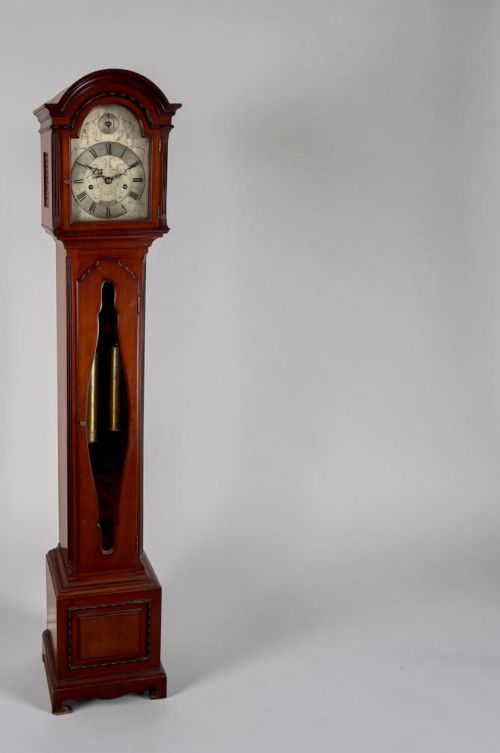
A classic dial clock encompasses a diverse range of timepieces, from wall clocks and mantel clocks to substantial longcase and grandmother clocks. These pieces span multiple eras including the Georgian, Victorian, Edwardian, and mid-twentieth century periods, showcasing traditional British and continental cabinetmaking and horology.
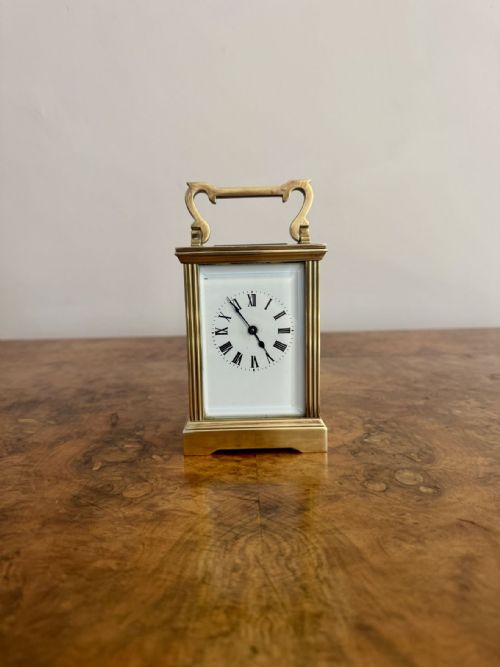
The versions most frequently encountered on this page include brass carriage clocks, mahogany and oak mantel clocks, and timber wall clocks. Makers such as Gillett & Johnston, Elliott, Garrards, Henry Lamb, Charles Frodsham, Holingue Frères, and Jaeger Le Coultre represent the breadth of origins found within these listings.
Buyers select these items for their architectural presence and mechanical movements, whether seeking an eight-day striking mantel clock, a Westminster-chime bracket clock, or a heavy brass timepiece. Each form reflects the domestic interior fashions of its specific decade of production, utilising traditional dial faces and cabinetry.
Materials and construction
Cabinetmakers utilised dense hardwoods such as mahogany, oak, and walnut for clock cases, often incorporating inlay work or Boulle marquetry for decorative effect. These timbers were selected for stability and grain figure, forming substantial structures to house the delicate internal mechanisms.
Movements and dials combine brass, gilt brass, steel, silver, and glass with white enamel chapter rings. Carriage clocks and bracket clocks employ heavy cast brass frames and bevelled glass panels to display the escapement, whilst wall and longcase dials integrate painted or enamelled metal faces.
Classic Dial Clock Retail Price Guide 2026
Typical asking prices for classic dial clock among the pieces listed under this phrase on Sellingantiques today, from the lower quarter to the upper quarter. They describe what is for sale here now, not the wider market.
Materials utilised across the inventory include solid mahogany, oak, walnut, gilt brass, enamel, and rhodium plating.
Evaluating craftsmanship and distinction
The standard of execution in the cabinetry and the refinement of the movement separate standard production pieces from exceptional examples. Finer items feature sophisticated complications, repeater mechanisms, or atmospheric movements driven by temperature variations.
Material selection and finishing also dictate the tier of a piece, with solid figured timbers, finely engraved brass plates, and high-grade silvered dials indicating superior workshops. The reputation of the maker, from regional English clockmakers to esteemed Parisian and Swiss houses, heavily influences the overall calibre of the timepiece.
Gillett and Johnston·Elliott·Garrards·Henry Lamb·Charles Frodsham·Holingue Freres·Jaeger Le Coultre
The Classic Dial Clock Glossary
- Carriage clock
- A portable spring-driven timepiece originally designed for travelling, featuring a carrying handle and glass sides that expose the movement. These clocks typically sit in a brass outer case.
- Bracket clock
- A portable table or mantel clock that historically sat upon a matching wall bracket. They often incorporate striking trains and chime mechanisms.
- Longcase clock
- A tall pendulum clock housed in a wooden case consisting of a trunk and a hood enclosing the dial. They are frequently referred to as grandfather clocks.
- Boulle
- A style of marquetry utilising tortoiseshell and brass inlay developed in France. It decorates luxury cabinetwork and select mantel clock cases.
- Escapement
- The internal mechanism that regulates the speed of the clock and delivers impulses to the pendulum or balance wheel. Its precision dictates the timekeeping accuracy of the movement.
Classic Dial Clock: Frequently Asked Questions
How do I wind a mechanical dial clock?
Most mechanical clocks require a specialised key inserted into the winding arbours on the dial face to tension the mainspring or lift the driving weights. Care must be taken not to overwind the movement, stopping as soon as resistance is felt.
Different models require winding at varied intervals, typically ranging from daily eight-hour movements to eight-day mechanisms that need attention once a week.
Where should I place a longcase clock?
Longcase clocks need a stable, plumb wall surface where the cabinet can be secured safely to prevent tipping. Placing them away from direct heat sources and damp exterior walls protects the timber case and internal wooden components.
They also require a firm floor so the pendulum can swing evenly without interference from vibrations or uneven settlement.
What is the difference between a timepiece and a clock?
In horological terms, a timepiece is a clock that simply measures and displays the time without any striking or chiming mechanisms. Clocks with striking trains contain additional gear trains and hammers to sound the hours or quarters.
Buyers should examine the dial and side panels for winding holes to determine whether a particular model includes a striking or chiming function.
How do I identify the period of a wooden clock?
The architectural style, timber choice, and dial design offer the clearest indicators of a clock's period of origin. Georgian and Regency pieces favour mahogany and classic dial layouts, whilst Edwardian and Art Deco examples introduce oak, inlay, and geometric forms.
Signatures on the dial or engraved movement backplates often provide further evidence of the maker and date of manufacture.