



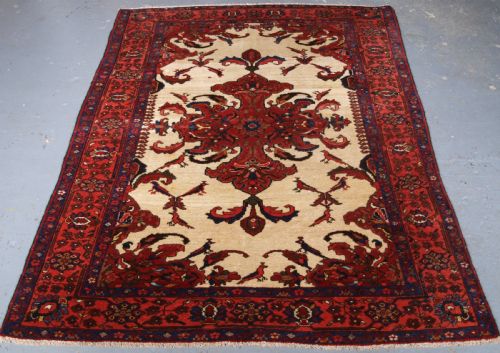


Classic Design Carpet
When buying a classic design carpet, you are choosing a woven textile carrying centuries of tribal and urban tradition.
Classic Design Carpet
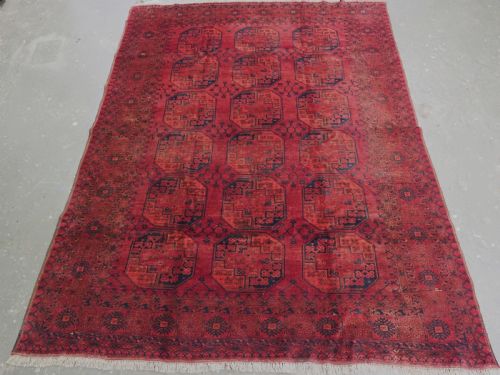
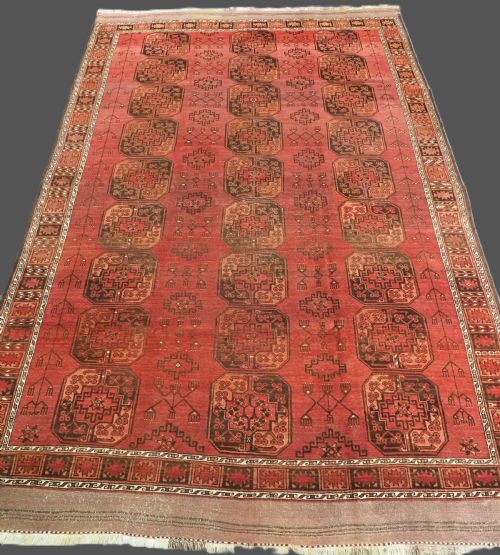
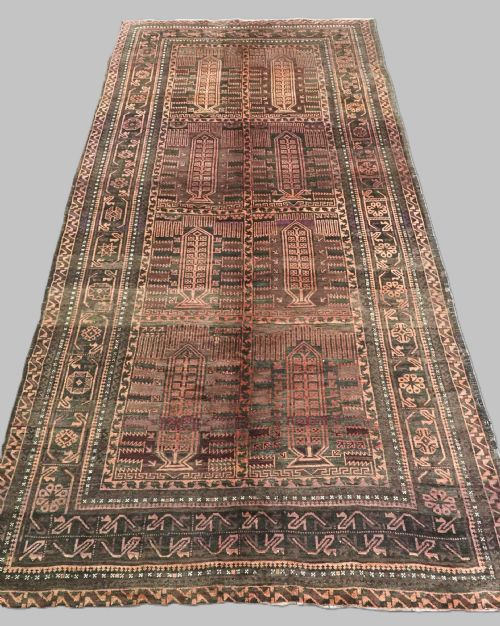
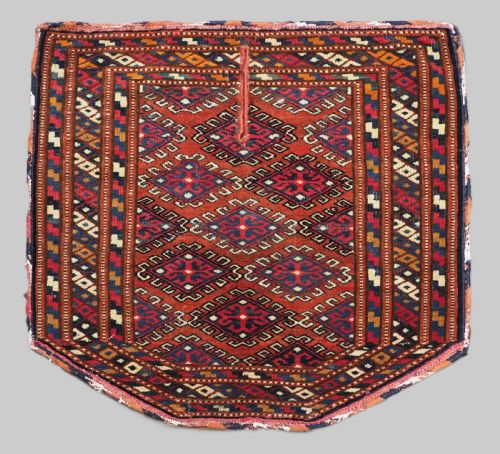
A classic design carpet encompasses hand-knotted and flat-woven rugs originating from Persian, Turkmen, Caucasian, and Anatolian weaving traditions. These textiles display traditional medallion, floral, and tribal motifs that have been passed down through generations of makers. Pieces range from large room-sized carpets down to smaller village rugs and saddle covers.
The selections available here date from the nineteenth century into the early twentieth century, capturing periods such as eighteen eighty, nineteen hundred, and nineteen twenty. Buyers encounter Persian workshop carpets alongside Caucasian Kazaks and Turkmen tribal main carpets. Each piece represents regional weaving dialects expressed through enduring patterns.
Village and nomadic pieces often feature geometric structures, whilst urban Persian workshops favour curvilinear floral arrangements. The classic design carpet bridges utilitarian floor covering and historical textile art. Selecting one involves matching the specific regional style and format to an interior space.
Materials and construction
Construction relies primarily on wool for the pile, foundation threads of cotton or wool, and occasional use of goat hair for durability in tribal pieces. Weavers knotted the pile by hand onto vertical or horizontal looms, securing the rows with sturdy cotton or wool warps and wefts. Flat-woven kilims utilise a continuous extra-weft technique without a cut pile.
Natural dyes provide the palette, yielding warm reds, soft pastels, ivory grounds, and deep indigo tones that mature gracefully over time. Certain regional pieces incorporate cotton highlights to outline specific motifs against darker wool fields. The density of the weave varies according to whether the textile originated in a nomadic tent, a village house, or an urban workshop.
Classic Design Carpet Retail Price Guide 2026
Typical asking prices for classic design carpet among the pieces listed under this phrase on Sellingantiques today, from the lower quarter to the upper quarter. They describe what is for sale here now, not the wider market.
One exceptional village rug records an inventory of twenty-one distinct birds woven directly into its classic design.
Judging quality and character
Quality rests in the precision of the knotting, the handling of the natural dyes, and the integrity of the wool foundation. Finer workshop pieces display intricate curves and tight knot counts, whereas tribal weavings derive their strength from robust wool and bold geometry. The clarity of the colour palette and the balance of the design proportions elevate certain examples above standard village production.
Condition and original proportions also shape the standing of a textile within its type. Intact borders, secure selvedges, and minimal restoration preserve the maker's original intent. Ultimately, the successful convergence of dye saturation, structural integrity, and regional authenticity distinguishes the finest textiles.
The Classic Design Carpet Glossary
- Warp
- The vertical foundation threads stretched tightly on the loom before knotting begins. These form the fringe at either end of a finished rug.
- Weft
- The horizontal threads passed through the warp threads after each row of knots to bind the structure together. They determine the firmness of the rug body.
- Pile
- The surface of the rug formed by the cut ends of knotted yarn. Flat-woven kilims lack this raised surface entirely.
- Medallion
- A central ornamental design motif placed in the middle of the carpet field. Many classic workshop and village carpets centre their composition around this feature.
- Ensi
- A specific type of Turkmen tent door hanging featuring a cross-shaped design layout. These rugs served a functional architectural role in nomadic dwellings.
Classic Design Carpet: Frequently Asked Questions
How do I tell tribal rugs from workshop rugs?
Tribal rugs typically display geometric motifs, bolder colour contrasts, and coarser weaves produced by nomadic or village weavers. Workshop rugs feature finer, curvilinear floral designs created on urban looms with higher knot densities.
Examining the precision of the curves and the symmetry of the borders helps identify the origin. City workshops had access to master cartoon designers, whereas tribal weavers worked from memory and traditional family patterns.
What is the difference between a carpet and a kilim?
A carpet possesses a thick, knotted pile created by tying individual yarn pieces to the warp threads. A kilim is a flat-woven textile made by interlocking coloured weft threads without any raised pile.
This structural difference affects both the texture and the weight of the textile. Kilims tend to be lighter and reversible, whereas knotted carpets offer a softer underfoot cushion.
How should I care for an antique wool carpet?
Protect the textile by vacuuming gently without a rotating brush roll to prevent snagging the wool pile. Keep the carpet out of direct sunlight to preserve the stability of the natural dyes.
Using an appropriate underlay prevents slipping and cushions the foundation against floor friction. Professional cleaning should occur infrequently and only by specialists experienced in antique textiles.
How do natural dyes age over time?
Natural dyes derived from plants, insects, and minerals develop a soft patina through exposure to light and air. Colours mellow harmoniously, and reds or blues often acquire subtle tonal variations called abrash.
This gradual softening process is a hallmark of genuine antique vegetable-dyed wool. It enhances the visual depth of the carpet rather than diminishing its character.