



Classic Brown Mahogany Furniture
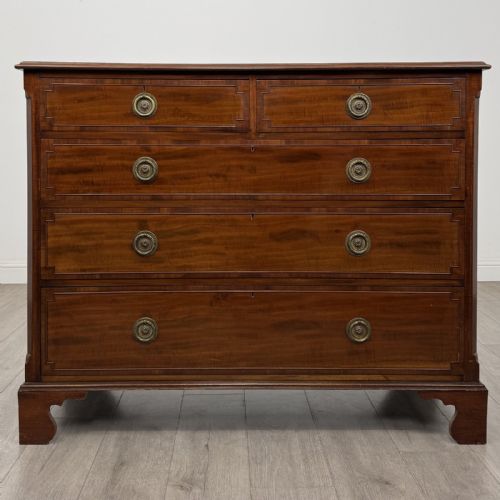
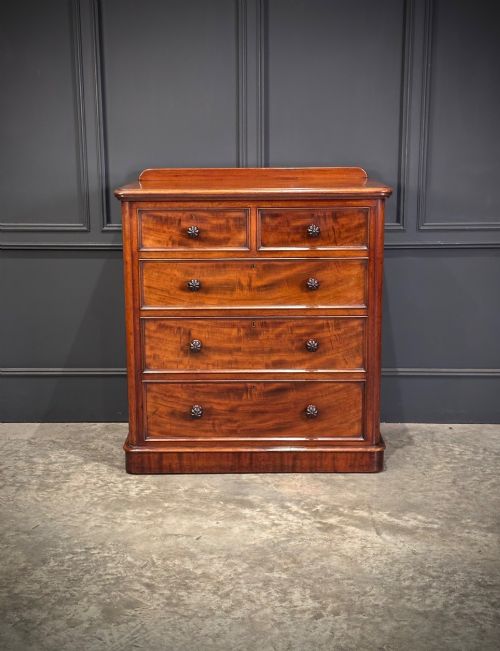
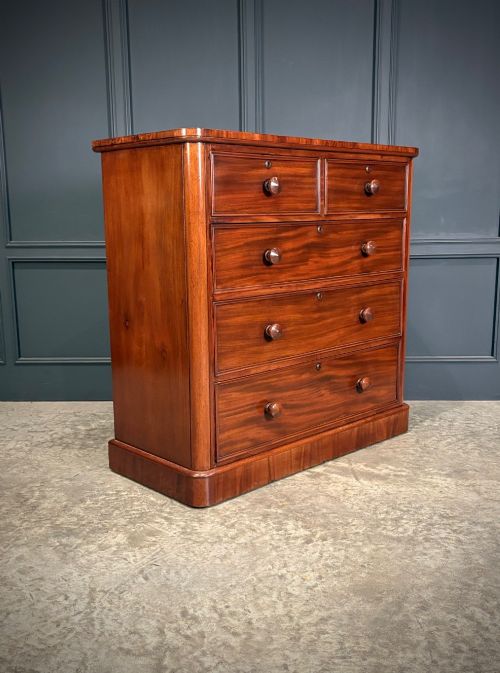
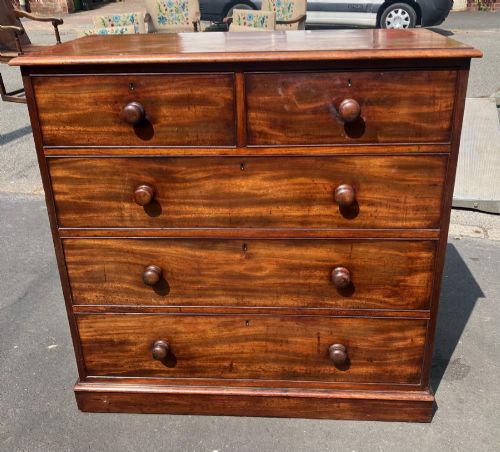
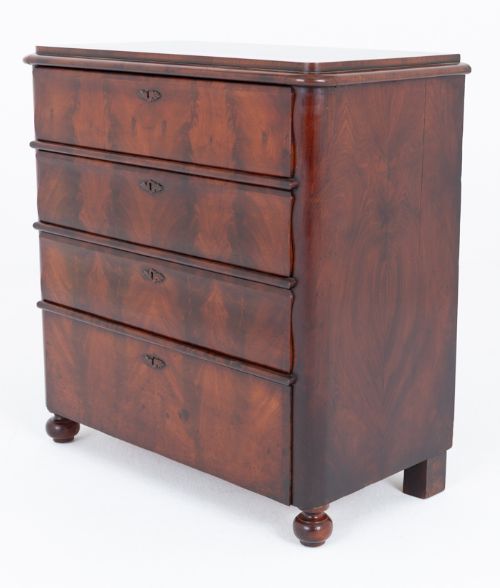
Classic brown mahogany furniture brings warmth and robust timber to a room, led here by chests of drawers from the Georgian and Victorian periods.
Classic Brown Mahogany Furniture
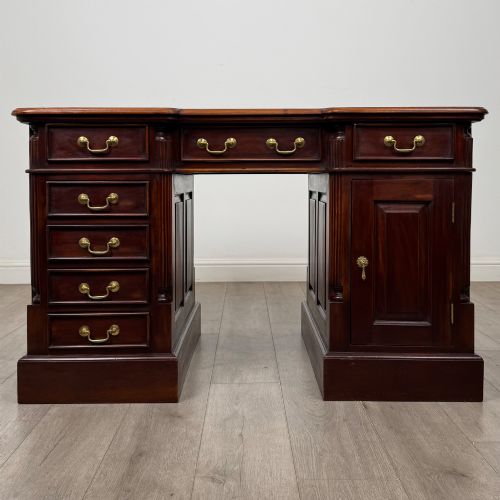
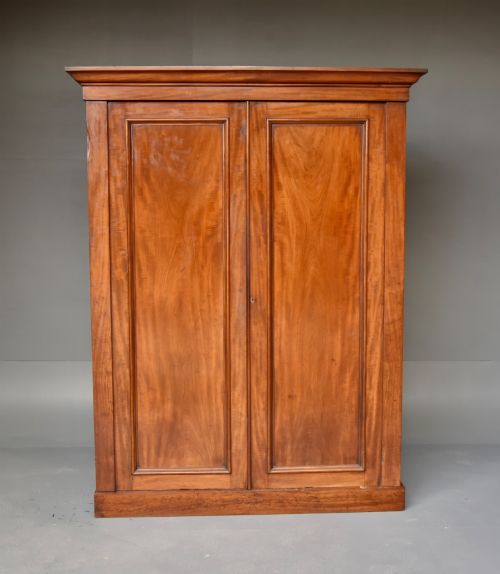
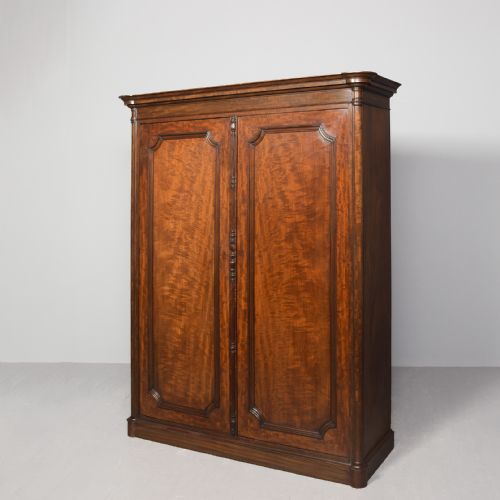
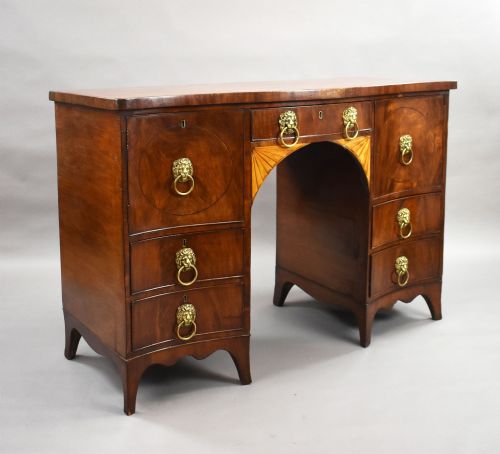
Classic brown mahogany furniture encompasses practical domestic forms built primarily for storage and writing, spanning eras from the eighteenth century to the early twentieth century. Chests of drawers dominate the selection, alongside desks, wardrobes, sideboards, and occasional tables.
Buyers encounter numerous Georgian and Regency pieces alongside Victorian examples, showing how cabinet makers adapted formal proportions for everyday use. Woods such as solid timber and flame mahogany veneer provide the structural backbone for these traditional items.
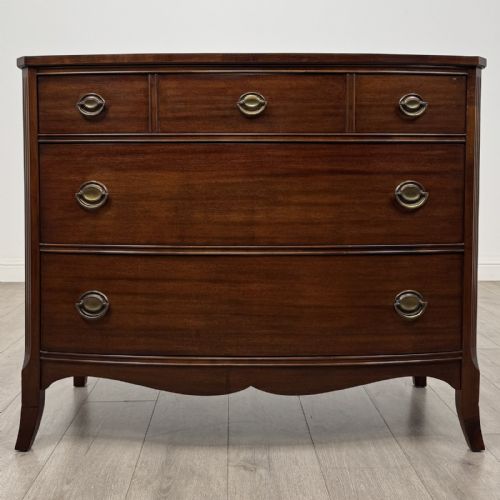
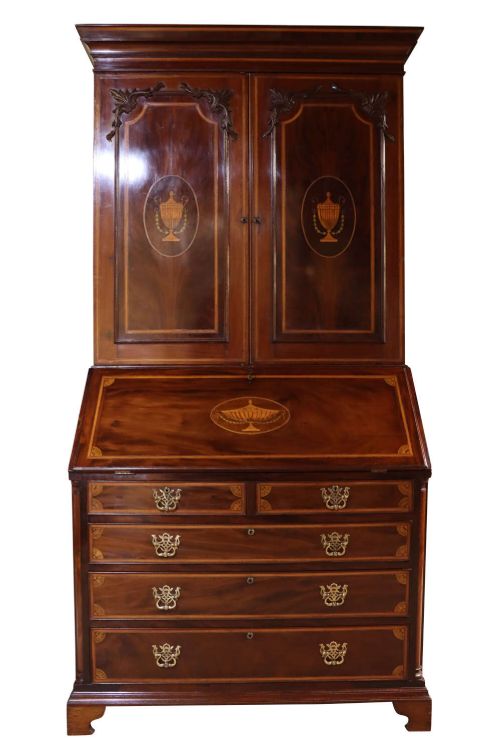
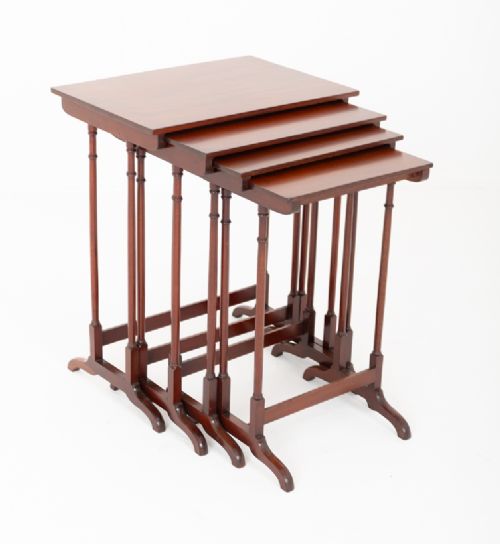
The selection ranges from bow-fronted bedroom chests to bureau bookcases and nests of tables, reflecting diverse domestic requirements across the periods. Each piece demonstrates the enduring utility of mahogany timber in British and continental workshops.
Assessing quality in mahogany pieces
Quality separates pieces through the selection of timber figures, particularly the liveliness of flame mahogany veneer on primary surfaces and drawer fronts. Crispness in boxwood stringing and the preservation of original brass handles elevate an item's standing.
Construction integrity defines the higher tier, where tight dovetail joints, uniform timber matching, and well-fitted drawers operate smoothly without modern intervention. Lesser examples show mismatched grains or replacement hardware that disrupts the period harmony.
Classic Brown Mahogany Furniture Retail Price Guide 2026
Typical asking prices for classic brown mahogany furniture among the pieces listed under this phrase on Sellingantiques today, from the lower quarter to the upper quarter. They describe what is for sale here now, not the wider market.
Some Victorian chests still retain old handwritten estate inventory labels tucked inside their bottom drawers.
S & H Jewell, High Holborn, London
The Classic Brown Mahogany Furniture Glossary
- Flame mahogany veneer
- A thin slice of timber cut from where branches join the trunk, producing a distinctive rippled flame pattern. This veneer is prized for its decorative movement on drawer fronts.
- Bow-fronted
- A curved cabinet front where the central section sweeps outward in a convex arc. This shape softens the profile of large chests of drawers.
- Dovetail
- An interlocking woodworking joint formed by interlocking wedge-shaped fingers. It provides exceptional tensile strength for drawer construction.
- Boxwood stringing
- Narrow inlaid lines of pale boxwood set flush into darker mahogany surfaces. This technique creates delicate linear borders on tabletops and drawer edges.
- Bureau bookcase
- A dual-function cabinet combining a sloping writing flap above drawers with upper shelving enclosed by doors. It serves as both desk and library storage.
Classic Brown Mahogany Furniture: Frequently Asked Questions
How do I care for mahogany surfaces?
Maintain the timber by dusting regularly with a dry cloth and applying natural beeswax sparingly to nourish the grain.
Avoid placing pieces in direct sunlight or near heat sources to prevent the wood from drying and the veneer from lifting.
How do I distinguish Georgian from Victorian pieces?
Georgian furniture generally displays restrained proportions, delicate bracket feet, and refined stringing, reflecting eighteenth-century design ideals.
Victorian pieces tend to be heavier in scale, utilising robust plinth bases and rich flame veneers with deep polish finishes.
Where were these items placed originally?
Chests of drawers and wardrobes belonged in bedrooms, while desks and bureau bookcases served studies and private libraries.
Sideboards and console tables occupied dining rooms and entrance halls to display silver and serve guests.
Are brass handles usually original?
Original brass handles show consistent patination and fit existing mounting holes without extra plug marks inside the drawer.
Replacements often appear shinier or leave faint ghost impressions from earlier backplates on the wood.