



Classic Bronze Figures
Classic bronze figures capture the human form and mythological subjects through enduring cast metal.
Classic Bronze Figures
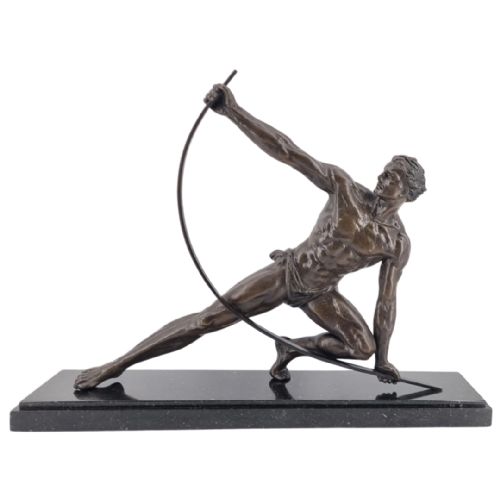
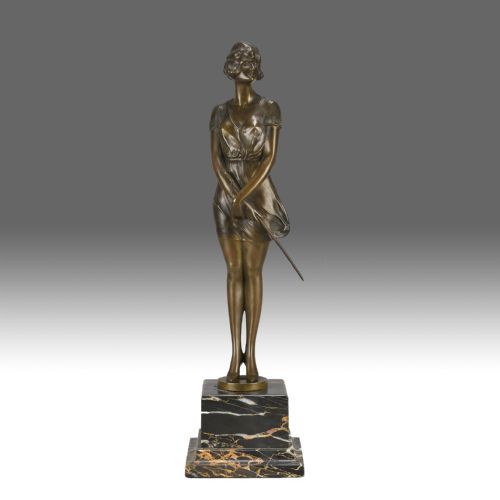
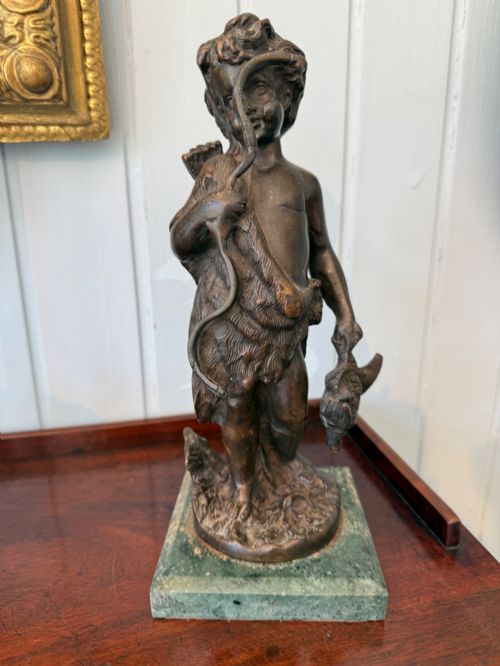
Classic bronze figures encompass sculptures, statuettes, and figural table lamps spanning the nineteenth century and the early decades of the twentieth century. These works frequently draw upon historical, mythological, and athletic subjects, reflecting the aesthetic shifts from neoclassical and rococo revivals toward art nouveau and art deco movements.
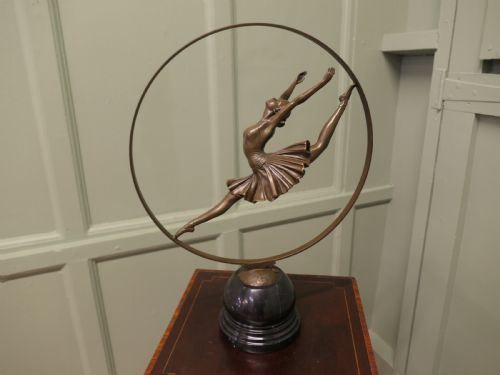
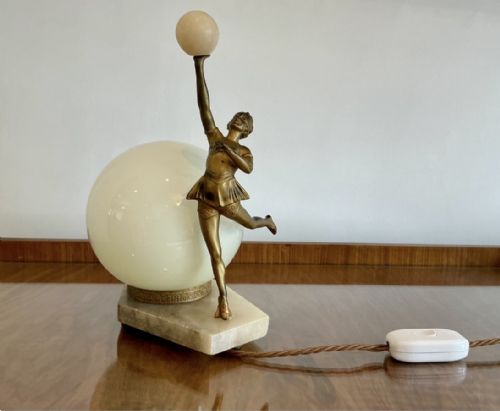
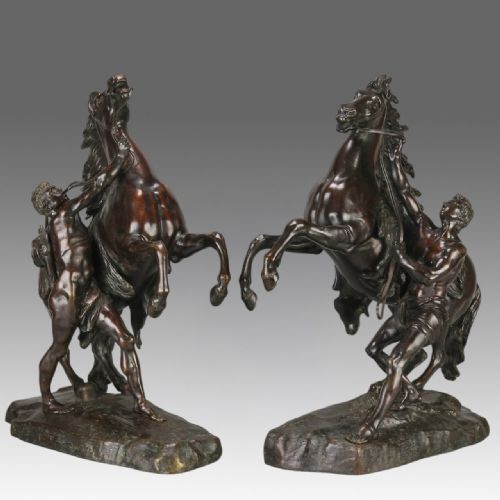
Buyers browsing this selection will frequently encounter nineteenth-century academic castings alongside signed art deco studies of athletes and dancers. Formats range from monumental grand tour animals and cherubs to functional lamp bases incorporating bronze figures with opaline glass or fabric elements.
How they were made
The primary material used across these pieces is cast bronze, frequently complemented by gilt bronze finishes and sometimes paired with spelter or alabaster elements. Founders utilised traditional casting methods to capture intricate details in human anatomy, drapery, and animal musculature.
Classic Bronze Figures Retail Price Guide 2026
Typical asking prices for classic bronze figures among the pieces listed under this phrase on Sellingantiques today, from the lower quarter to the upper quarter. They describe what is for sale here now, not the wider market.
Listings feature materials including bronze, marble, spelter, opaline glass, gilt bronze, fabric, glass beads, and alabaster.
What varies in quality
Quality in these castings rests upon the crispness of the chased surface detail and the fidelity of the reduction or cast to the original model. Finer pieces demonstrate superior hand-finishing that preserves the subtlety of facial expressions, hair texture, and clothing folds.
The integration of the figure with its mounting, whether a marble base or a lamp fitting, indicates the care taken during production. Founder marks and signatures from established sculptors also distinguish workshop output.
Jean de Roncourt·Pierre Collinet·Bruno Zach·Henri Godet·Ferdinand Preiss·Aug. Moreau·Al Barye·Barbedienne·Lavergne·Francisque- Joseph-Duret
The Classic Bronze Figures Glossary
- Bronze
- An alloy consisting primarily of copper, traditionally combined with tin, used for durable metal casting. It develops a natural patina over time.
- Gilt Bronze
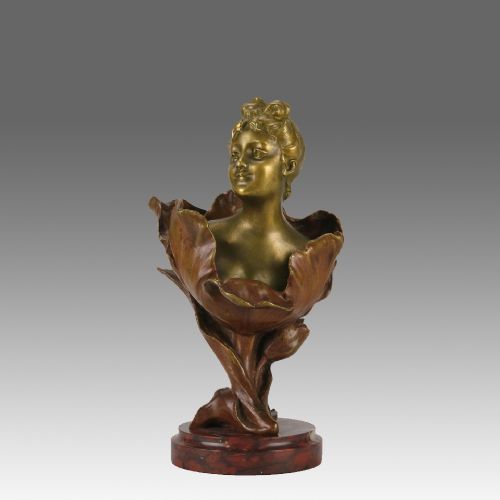
- Bronze that has been coated with a thin layer of gold or gold leaf to produce a bright metallic finish. This technique highlights decorative details on nineteenth-century busts and lamps.
- Spelter
- A zinc alloy frequently utilised as a less expensive alternative to bronze for figural sculptures. It often mimics bronze through applied patination.
- Grand Tour
- A nineteenth-century cultural phenomenon where travellers acquired classical antiquities and reductions of famous sculptures. These souvenirs included bronze lions and fountain heads.
- Patina
- The surface coloration and sheen that develops on bronze through age and chemical treatment. It protects the metal and adds visual depth to the sculpture.
Classic Bronze Figures: Frequently Asked Questions
How do I identify art deco bronze figures?
Art deco bronze figures typically display stylised geometries, streamlined forms, and contemporary subjects such as athletes and dancers. They frequently date from the nineteen-twenties and thirties, often featuring signatures from known modellers on marble bases.
Earlier nineteenth-century works lean instead toward classical mythology, academic realism, and ornate detailing. Examining the posture and clothing styles helps separate the interwar modernism from Victorian academic output.
Were bronze figures used as lamps?
Many figural bronzes from the nineteenth and early twentieth centuries were adapted to function as table lamps. Cherubs, putti, and female figures frequently incorporate lamp fittings alongside glass shades.
Original lamp conversions integrate the wiring through the cast structure or base without compromising the sculptural integrity of the piece.
What is the difference between bronze and spelter?
Bronze is a heavy, durable copper alloy that accepts detailed chasing and holds patination well over centuries. Spelter is a softer zinc-based metal that was often painted or plated to imitate bronze.
Spelter figures are typically lighter in weight and more susceptible to surface wear and cracking compared to solid bronze castings.
How should I clean a bronze figure?
Bronze figures require minimal intervention to preserve their historic patination. Gentle dusting with a soft, dry cloth is usually sufficient for regular maintenance.
Harsh chemical cleaners and abrasive cloths should be avoided because they strip the aged surface finish and damage the metal underneath.