



Classic British Landscape
These classic british landscape works capture rural vistas and country scenes across the centuries, offering buyers a window into traditional pastoral life.
Classic British Landscape
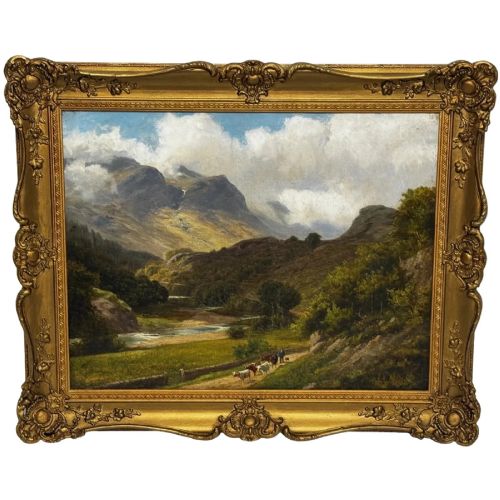
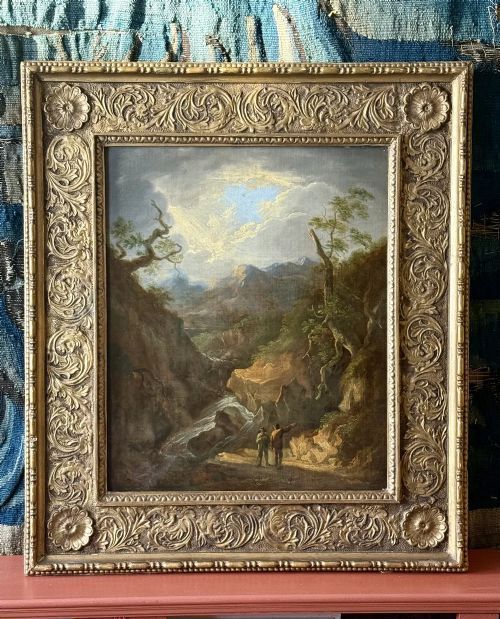
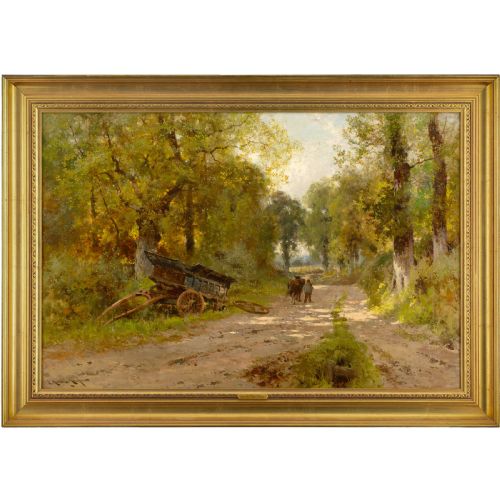
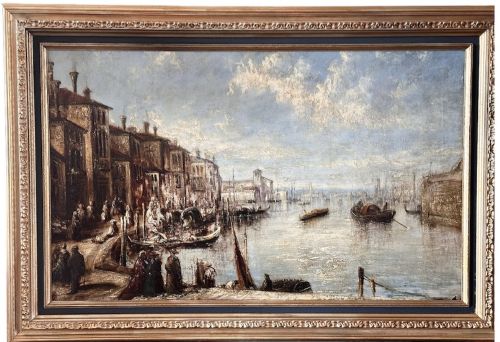
A classic british landscape captures the scenic topography, rural rivers, and pastoral valleys of the British Isles through traditional painting mediums. These works reflect the topographical traditions of the Regency, Victorian, and early twentieth-century eras.
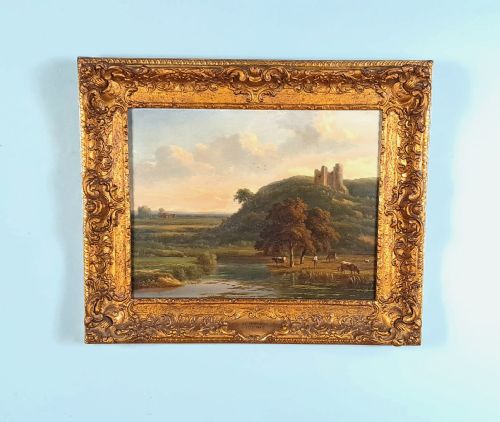
The pieces on this page primarily consist of oil paintings on canvas and board, alongside watercolours. Subjects range from the Lake District and North Wales to rural Berkshire and the River Severn.
Collectors encounter named artists from the nineteenth and early twentieth centuries alongside atmospheric scenes by regional painters of the English Country School.
How They Were Made
Artists built these compositions using oil paint or watercolour applied to stretched canvas, wooden board, or paper supports. The application of pigment relies on traditional brushwork to render natural light, foliage, and water.
Many works retain their original or period frames constructed from wood, gesso, and giltwood. These frames provide structural definition and protect the edges of the canvas or board.
Classic British Landscape Retail Price Guide 2026
Typical asking prices for classic british landscape among the pieces listed under this phrase on Sellingantiques today, from the lower quarter to the upper quarter. They describe what is for sale here now, not the wider market.
Listings feature works spanning the Regency, Victorian, and early twentieth-century periods executed in oil and watercolour on canvas, board, and paper.
What Varies In Quality
Quality rests upon the artist's ability to handle atmospheric perspective, natural light, and spatial depth within the composition. Stronger examples display confident brushwork and balanced tonal contrasts that draw the viewer into the scene.
The condition of the painted surface and the integrity of the original support material influence the piece. Works that retain their untouched painted surfaces and appropriate period framing command greater attention from buyers.
Benjamin Barker of Bath·John Horace Hooper·Francis Moltino·T C Hofland·William Henry Mander·William Mellor·Walter J Watson·Benjamin Williams Leader·Peter Deakin·John Wright Oakes·Alfred de Breanski·Sydney Kendrick·James L Brooke·Frederick J Knowles·Alfred Banner·Edward H Holder·William Stephen Coleman·James Poole·John Holland Snr·Peter de Wint
The Classic British Landscape Glossary
- Oil on Canvas
- Pigment mixed with drying oil applied to a woven fabric support stretched across a wooden frame. This method allows for rich colour blending and textured brushwork.
- Gesso
- A plaster-like mixture applied to wooden frames before gilding. It provides a smooth base for decorative mouldings.
- Watercolour
- Paint consisting of water-soluble pigments applied to paper. This medium creates translucent washes of colour.
- Pastoral
- A style of art that idealises rural life and countryside scenery. These scenes typically feature fields, rivers, livestock, and modest rustic dwellings.
Classic British Landscape: Frequently Asked Questions
What periods do these paintings cover?
The works span from the Regency period through the Victorian era and into the early twentieth century. This timeline covers shifting approaches to rural and pastoral subject matter.
Artists working across these decades documented changing British countryside views using traditional oil and watercolour techniques.
Are these paintings signed by the artists?
Many works bear the signature or attribution of recorded nineteenth and twentieth-century painters. Documentation often links specific pieces to known regional artists and school members.
Signatures help establish the provenance and historical context of individual compositions.
What framing do these artworks typically feature?
Surviving pieces frequently retain period frames made from wood, gesso, and giltwood. These surrounds complement the aesthetic of the nineteenth-century canvas.
Original frames contribute to the historical integrity of the artwork.
How should I care for an oil painting?
Keep paintings away from direct sunlight and dramatic fluctuations in temperature or humidity. Avoid using chemical cleaners on the canvas or the giltwood frame.
Dust the surface gently with a soft, dry brush when necessary.