

Classic Art
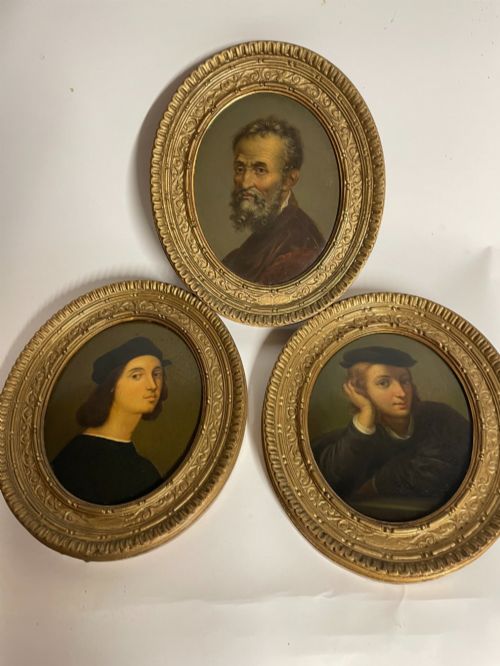
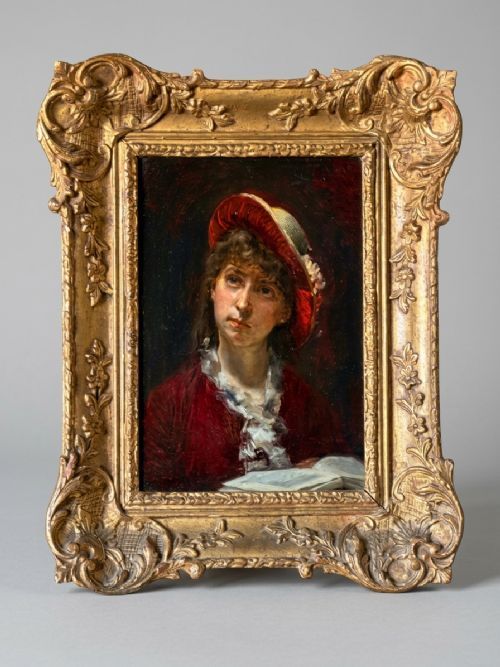
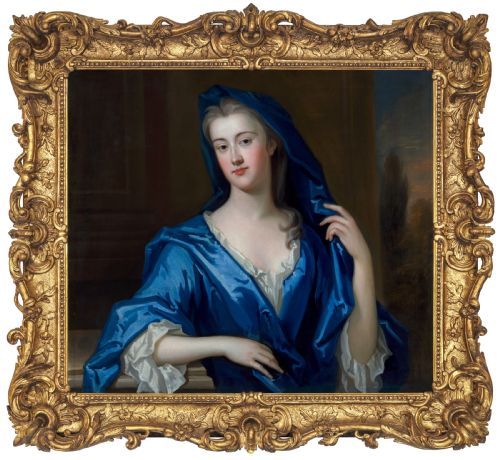
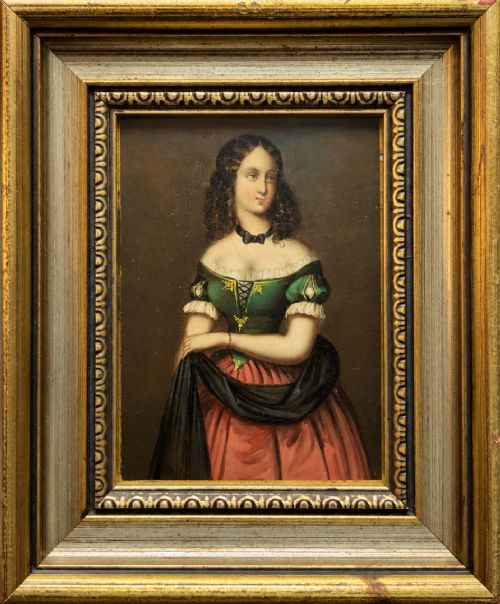
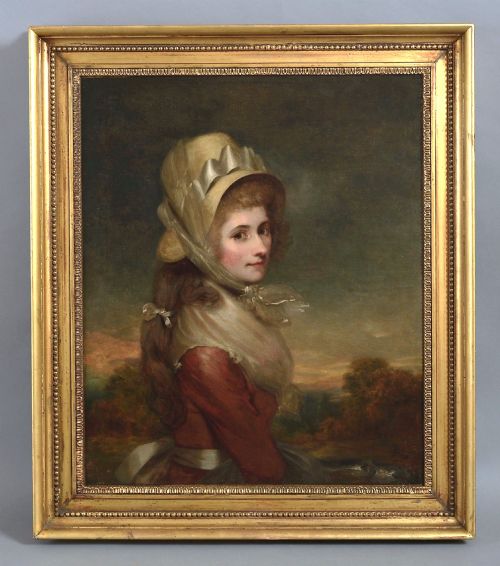
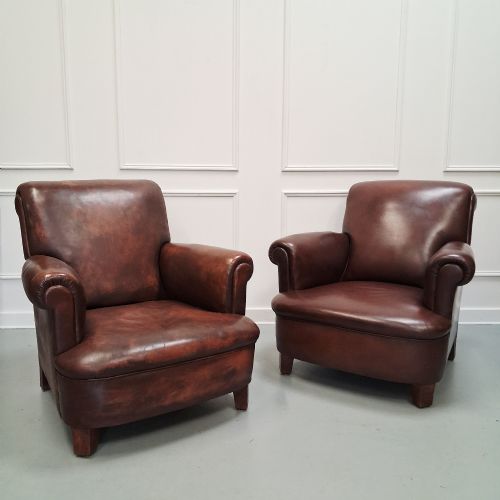
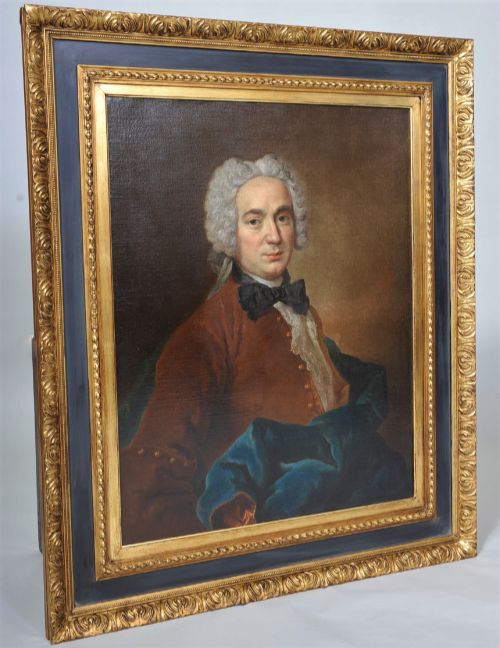
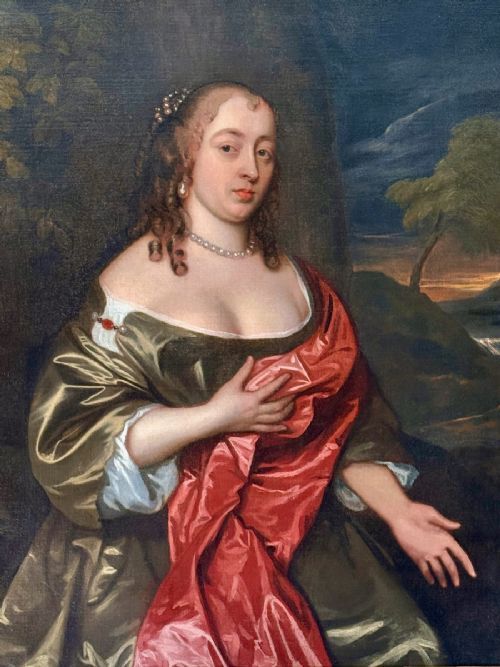
When you search for classic art, you find oil paintings, sculptures, and framed prints spanning from the seventeenth century through to the mid-twentieth century.
Classic Art
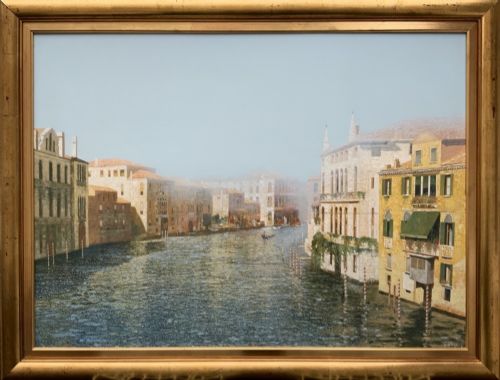
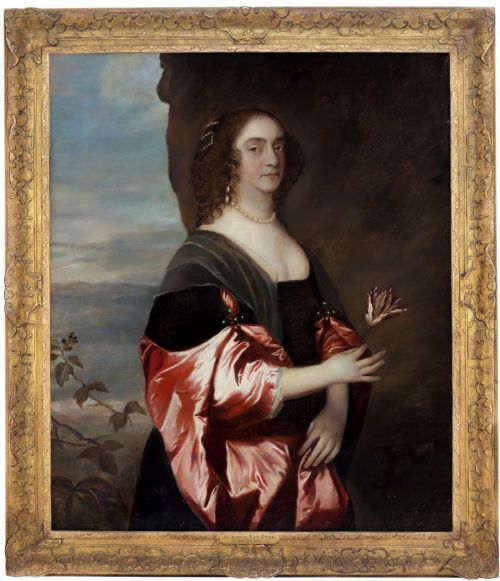
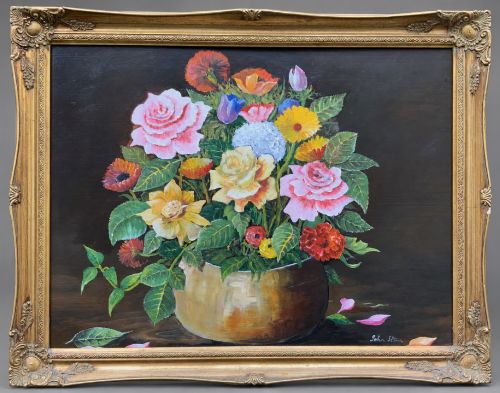
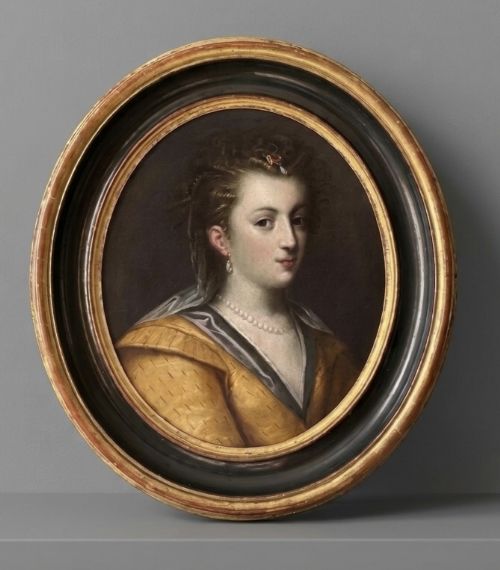
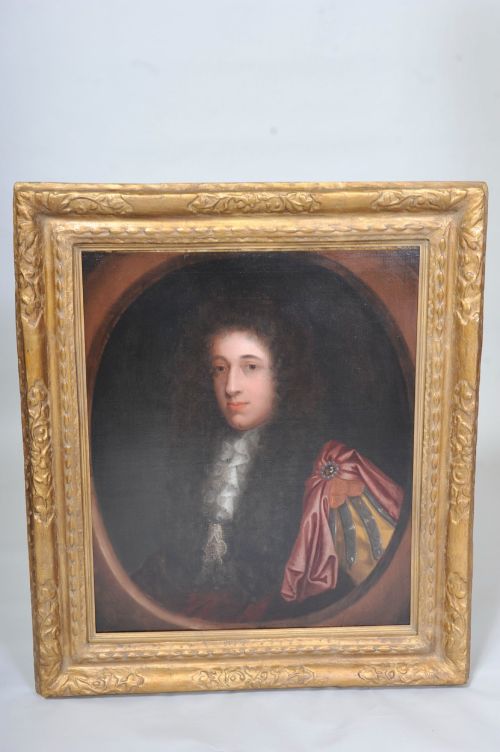
When searching for classic art, buyers encounter a diverse selection of oil paintings, sculptures, and framed prints. Portraiture forms a significant part of this selection, alongside landscapes and still life compositions.
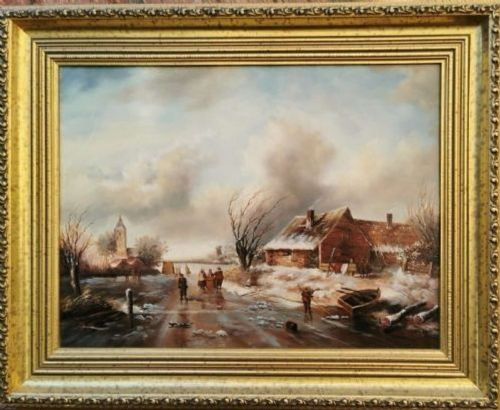
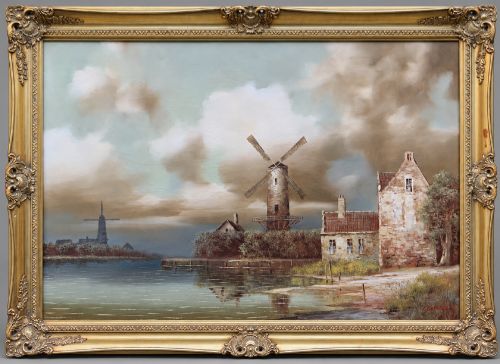
The objects span multiple eras, encompassing seventeenth-century portraits, eighteenth-century canvases, Victorian scenes, and early twentieth-century bronzes. Works range from Dutch school landscapes to Art Deco sculptures and table lamps.
How they were made
Many works utilise oil paint applied to canvas, wood panels, or board, often set within giltwood or carved frames. Artists also employed charcoal on paper attached to canvas stretchers for specific works on paper.
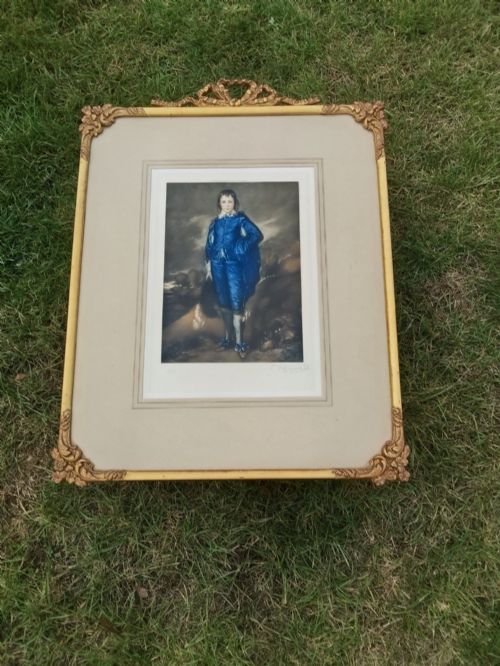
Sculptural pieces are cast in bronze or brass, capturing figures and studies with detailed metalwork. Engravings and framed prints represent the graphic techniques utilised across the periods.
Classic Art Retail Price Guide 2026
Typical asking prices for classic art among the pieces listed under this phrase on Sellingantiques today, from the lower quarter to the upper quarter. They describe what is for sale here now, not the wider market.
Listings feature works in oil on canvas, bronze, and wood spanning the seventeenth to the twentieth century.
What varies in quality
In sculptural works, the clarity of the casting and the definition of the metal surface distinguish standard productions from finer studies. The preservation of the original canvas, board, or bronze patina influences the overall integrity of the piece.
Lavinia Fontana·Charles Jervas·Sir Peter Lely·Thomas Murray·Matthieu Elias·Jean de Roncourt·Sir Allan Ramsay·Benjamin Barker of Bath·Constantyn Netscher·Pierre Collinet·Bruno Zach·Anthony Van Dyck·John Horace Hooper·Hendrik Willem Schweickhardt·Stephen Samuel Lewin·Edouard Pingret·Jean Baptiste Van Loo·Eric Robertson·Alfred Lyndon Grace·Jonny Gaston
The Classic Art Glossary
- Oil on canvas
- Pigments bound in a drying oil medium applied directly to stretched woven fabric. This technique allowed artists to build rich layers of colour and texture.
- Giltwood
- Wood carved and coated with a thin layer of gold leaf or gilt finish. This material is commonly found framing historic paintings and mirrors.
- Dutch School
- A grouping of painters working in the Netherlands during the seventeenth century or later following their traditions. These works frequently depict landscapes, domestic interiors, and still life subjects.
- Art Deco
- A design style prevalent during the 1920s and 1930s characterised by streamlined forms and geometric patterns. Sculptures and lamps from this period often utilise bronze, brass, and patinated metals.
Classic Art: Frequently Asked Questions
What is classic art?
Classic art encompasses traditional paintings, sculptures, and prints created across multiple historical eras, including the seventeenth, eighteenth, and nineteenth centuries.
These pieces feature subjects such as portraits, landscapes, and still life arrangements executed in oil, bronze, and charcoal.
How were oil paintings displayed?
Oil paintings from these periods were typically mounted on wooden stretchers and housed within decorative giltwood frames.
Such frames were designed to complement the interior architecture of period homes and country houses.
How do I identify a period piece?
Dating a piece relies on examining the materials, canvas preparation, framing style, and subject attire characteristic of specific centuries.
Attributions to particular schools or circles of artists further help contextualise the origin of the work.
How should I care for oil paintings?
Oil paintings require stable indoor environments away from direct sunlight and excessive humidity to protect the canvas and paint layers.
Dusting should be done gently with a soft, dry brush without applying moisture or cleaning solvents to the surface.