

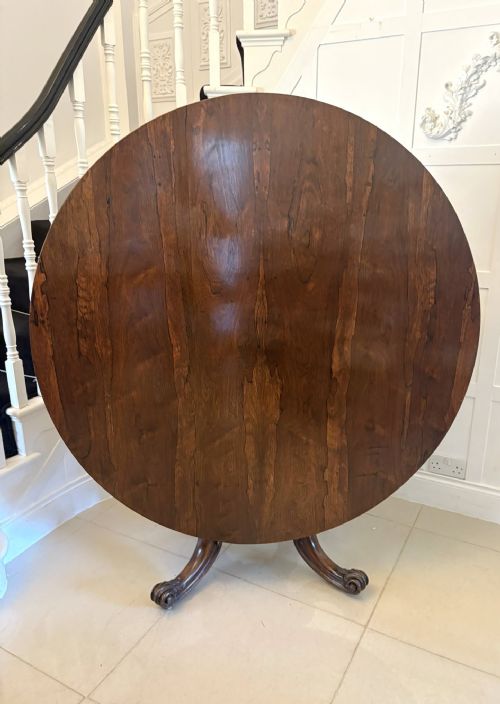
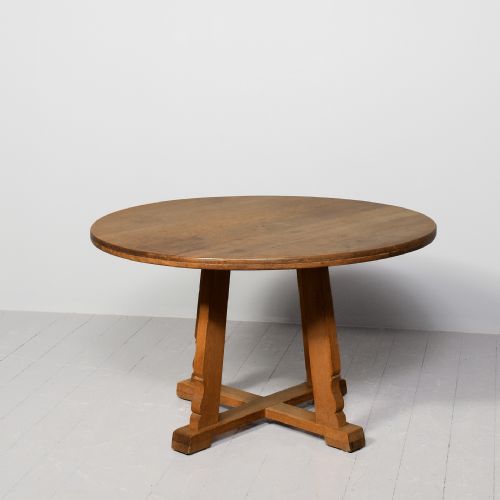


Circular Wooden Dining Table
A circular wooden dining table brings people together around a shared centre, offering both practical utility and enduring character.
Circular Wooden Dining Table
A circular wooden dining table brings a sociable shape to domestic spaces, dispensing with corners and encouraging conversation. When searching this phrase, buyers encounter examples ranging from compact country pieces to grand period breakfast tables.
The selection includes specific forms such as tilt-top supper tables, centre tables, and extending models designed for larger gatherings. Materials span familiar domestic woods alongside more decorative timbers.
Origins stretch across English, French, and Scottish workshops, reflecting diverse regional furniture traditions from the Georgian era through to the early twentieth century.
How they were made
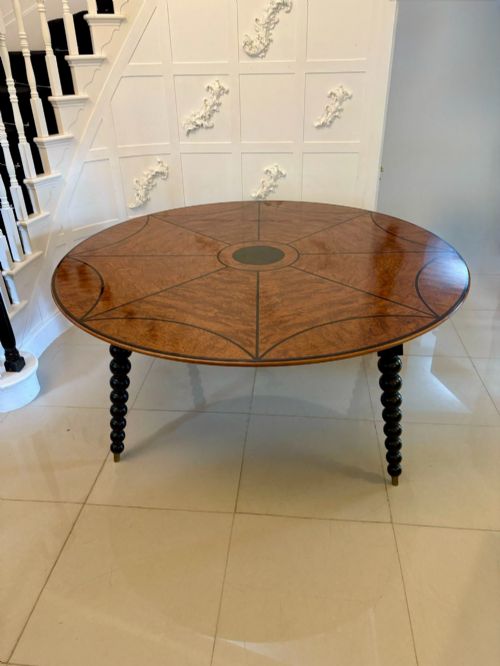
Cabinet makers utilised a range of solid and veneered timbers including mahogany, walnut, oak, rosewood, and elm. Surfaces frequently display thoughtful construction such as cross-banding and polished finishes.
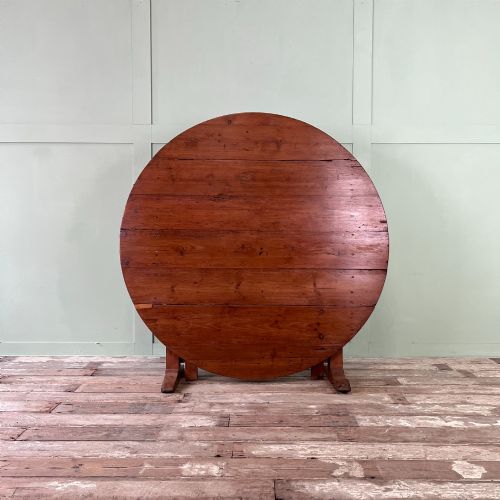
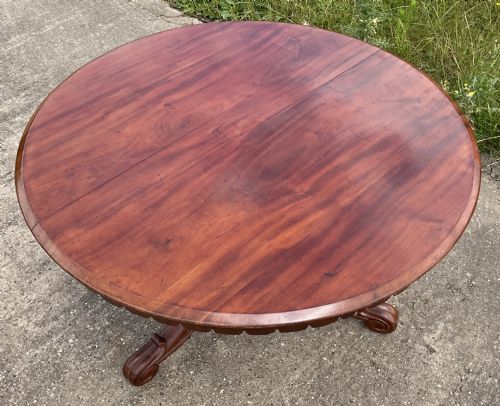
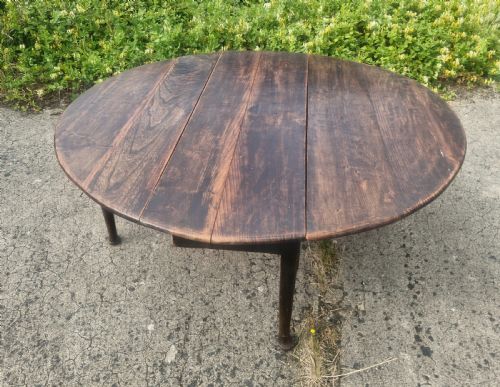
Structural ingenuity appears in mechanisms like snap-tops, folding gate-legs, and central pedestals mounted on brass fittings.
Regional workshops employed traditional joinery appropriate to the wood, from country-made elm construction to sophisticated cabinet work in goncalo alves and pollard oak.
Circular Wooden Dining Table Retail Price Guide 2026
Typical asking prices for circular wooden dining table among the pieces listed under this phrase on Sellingantiques today, from the lower quarter to the upper quarter. They describe what is for sale here now, not the wider market.
Listings feature woods spanning mahogany, oak, walnut, rosewood, elm, cherry, sycamore, and goncalo alves across the Georgian, Victorian, and Edwardian periods.
What varies in quality
The distinction between ordinary and exceptional pieces lies in the selection of timber and the fidelity of the proportions. Finer examples display carefully chosen grain patterns, such as figured mahogany or pollard oak.
Engineering of the base and mechanisms determines stability and daily utility. Superior tables maintain smooth operation in tilt-top or extending actions without compromising the integrity of the centre pillar or legs.
The Circular Wooden Dining Table Glossary
- Tilt-top table
- A table with a hinged top that folds vertically for storage when not in use. This clever design allows the piece to stand flat against a wall.
- Cross-banding
- A decorative border of veneer laid with the grain running perpendicular to the main surface. It frames the central timber panel.
- Centre table
- A freestanding piece designed to be viewed from all sides rather than pushed against a wall. These often occupy the middle of a room.
- Snap-top
- A table top secured with a catch mechanism that tilts and locks into horizontal position. It releases to store flat.
- Goncalo alves
- A dense exotic hardwood prized for its striking contrasting grain patterns. Furniture makers utilised it for high-status Regency pieces.
Circular Wooden Dining Table: Frequently Asked Questions
How do I seat six people at a round table?
A circular perimeter naturally distributes guests evenly without the hierarchy imposed by rectangular ends. Ensure the diameter provides enough knee room around the central pillar.
Selecting a table with a pedestal base rather than four legs prevents diners from colliding with table supports during meals.
What is the difference between a breakfast table and a dining table?
Breakfast tables in the nineteenth century were often smaller, multi-purpose tables featuring tilt-top mechanisms for easy storage. They served lighter morning meals or functioned as centre tables.
Dining tables are typically larger and designed for formal evening meals, occasionally incorporating leaves to extend their length.
How do I protect a wooden dining table top?
Use heat-resistant mats and coasters to guard the polished timber surface from hot dishes and condensation rings. Beeswax or appropriate polishes applied occasionally maintain the finish.
Avoid placing wooden furniture in direct sunlight or near heat sources to prevent the timber from drying out or splitting.
Can I use a tilt-top table every day?
Tilt-top tables handle daily use well provided the mechanism and catch remain secure. They suit spaces where the floor area needs clearing between meals.
Frequent tilting places minor wear on the hinge pivot, so support the top steadily when operating the release catch.