

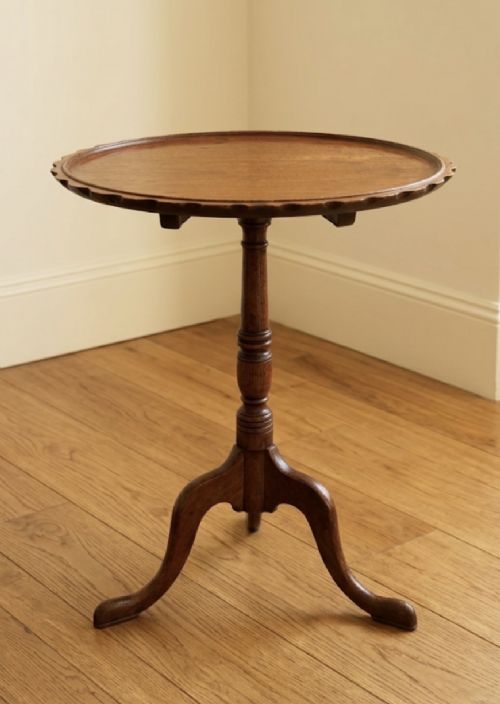


Circular Oak Pedestal Table
A circular oak pedestal table brings together robust timbers and balanced proportions, serving as a versatile centrepiece for dining, reading, or display.
Circular Oak Pedestal Table
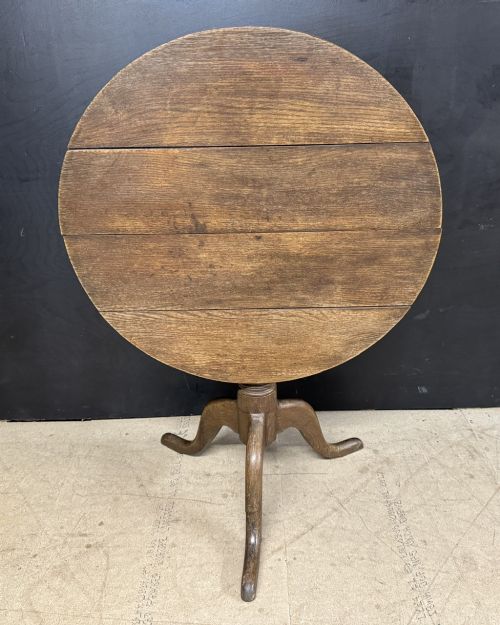
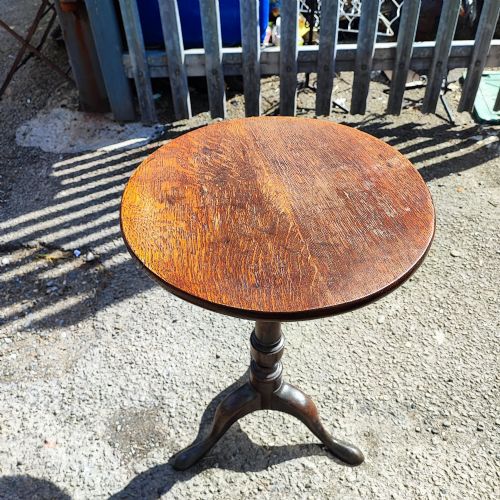
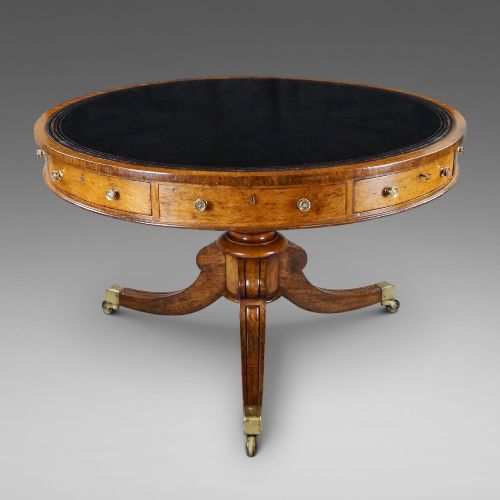
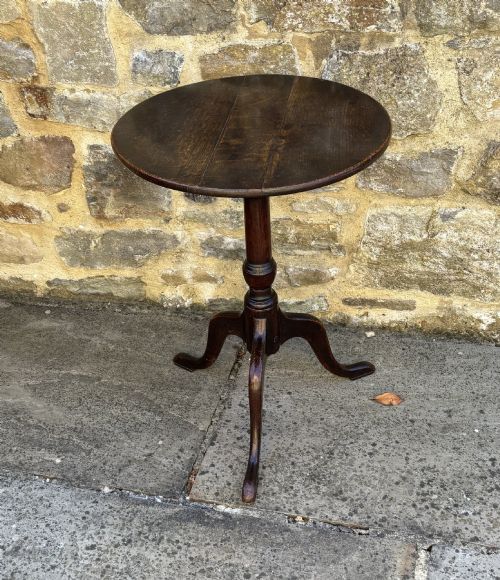
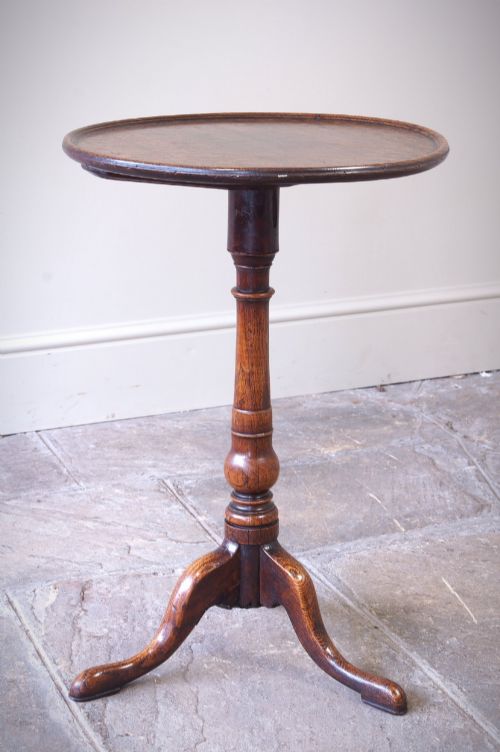
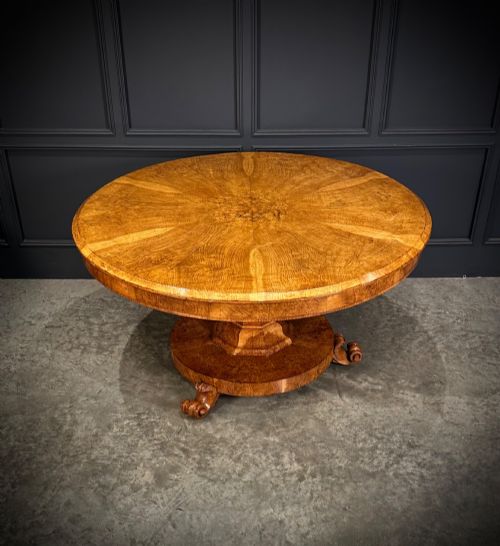
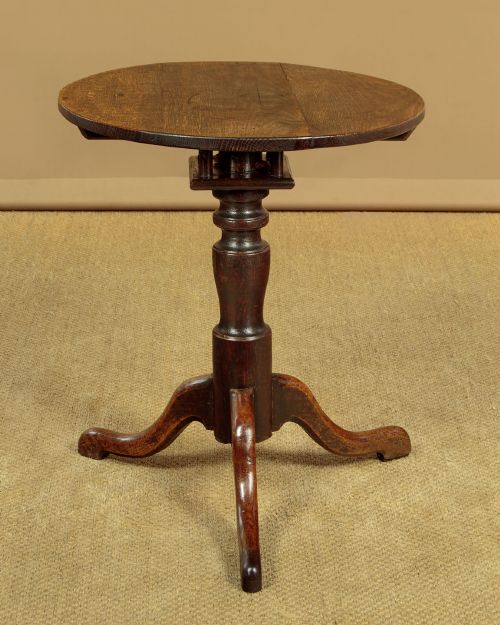
A circular oak pedestal table appears in various forms across multiple eras, ranging from compact wine tables and occasional pieces to large dining tables and library drum tables. When searching for a circular oak pedestal table, buyers encounter formats supported by a central pillar, column, or tripod base rather than traditional four-legged frames.
The selection includes pieces spanning the Georgian, Regency, and Victorian periods, alongside 18th-century vernacular and rustic farmhouse examples. Smaller tripod wine tables and tilt-top occasional tables appear frequently alongside larger breakfast tables and centre tables.
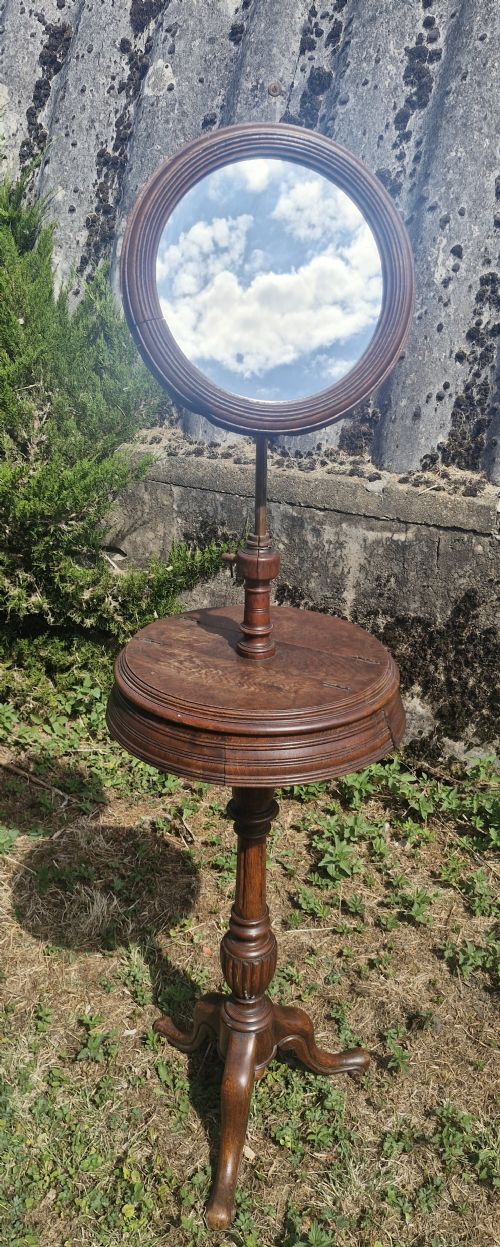
Object types stretch from shaving stands and lamp tables to expansive dining surfaces and library tables. The diversity of the form ensures a suitable scale for intimate spaces and grand rooms alike.
Assessing quality and character
Quality rests in the selection of the timber and the depth of the finish, where figured grains like burr and pollard oak elevate a piece above standard stock. Exceptional patination and mellow colour indicate careful handling and age.
Proportion and stability define the structural merit of pedestal and tripod forms, ensuring the central column and feet bear the weight of the circular top securely. Subtle details such as segmented top designs and tilt-top mechanisms distinguish finer workshops from simpler vernacular pieces.
Listings feature oak alongside specialty timbers like burr oak, pollard oak, mahogany, and satinwood across the Georgian and Victorian eras.
The Circular Oak Pedestal Table Glossary
- Tripod table
- A small occasional table supported by three legs radiating from a central pillar. These pieces often feature tilt-top mechanisms for easy storage.
- Tilt-top table
- A table with a tabletop that hinges vertically when not in use. This design allowed the furniture to sit flush against a wall in smaller rooms.
- Birdcage
- A timber framework beneath the tabletop that allows the surface to both tilt and rotate. It connects the top to the central pedestal column.
- Pollard oak
- Timber taken from trees that were cut back near the main stem, producing dense and highly figured growth rings. This material is prized for decorative tabletops.
- Centre table
- A freestanding piece finished on all sides to sit in the middle of a room rather than against a wall. These often feature elaborate pedestal bases or veneered tops.
- Pietra dura
- An inlay technique using cut and fitted polished coloured stones to create geometric or pictorial designs on tabletops. This work appears on select mid-nineteenth-century examples.
Circular Oak Pedestal Table: Frequently Asked Questions
How do I style a pedestal table?
A circular pedestal table works well as a freestanding centrepiece in a hallway or living room, where it can hold a lamp, books, or decorative objects. Smaller tripod versions easily tuck beside armchairs or sofas as functional occasional surfaces.
Larger dining and library variants anchor open spaces and accommodate seating without corner legs obstructing chairs. The natural grain of the oak pairs effectively with both traditional and contemporary interiors.
What is pollard oak?
Pollard oak is a decorative wood derived from trees pruned near the trunk, which forces dense, clustered growth patterns. This creates a highly textured and visually striking grain across the surface of the table.
Tables utilising pollard oak often date to the 19th century and serve as statement pieces due to their rich patterning. The timber takes a fine polish that highlights the natural variation in the wood.
How do I date an antique oak table?
Dating relies on examining construction techniques, joinery methods, hardware, and the specific style of the pedestal and legs. Georgian and 18th-century pieces often display hand-turned tripod bases and vernacular joinery, while Victorian examples introduce heavier proportions and alternative mechanical actions.
Material choices like burr oak veneer, satinwood accents, or inlaid stone provide further clues to the manufacturing period. Comparing the form to documented archival pieces helps narrow the decade of production.