






Circular Glass Wall Mirror
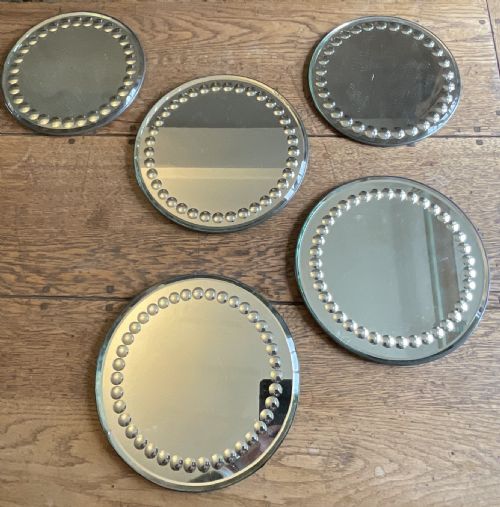
A circular glass wall mirror brings focus and reflected light to a room, ranging from grand Regency convex plates to geometric Art Deco designs.
Circular Glass Wall Mirror
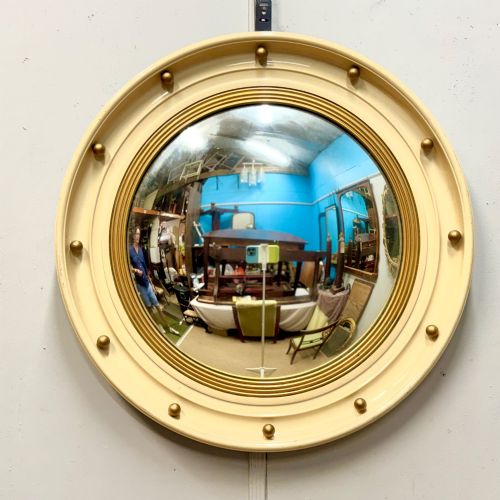
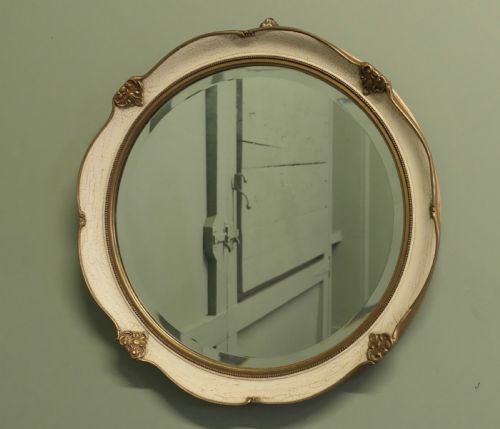
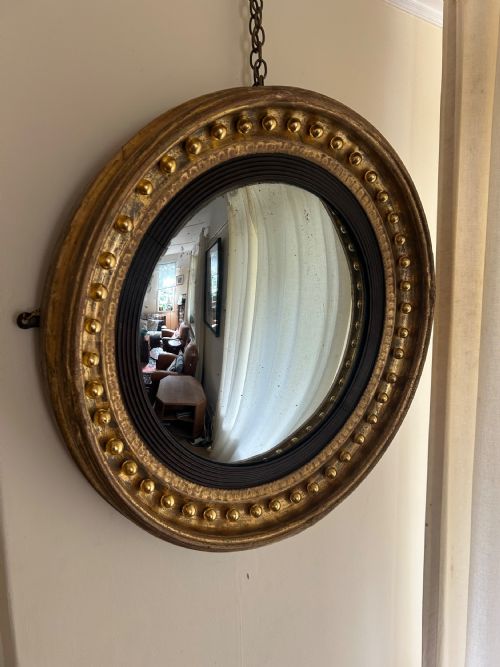
The forms shift from opulent giltwood and gesso frames with ball details to clean-lined French Art Deco pieces and frameless circular styles. You will also find hybrid objects such as mirror clocks that combine timekeeping with circular glass.
How they were made
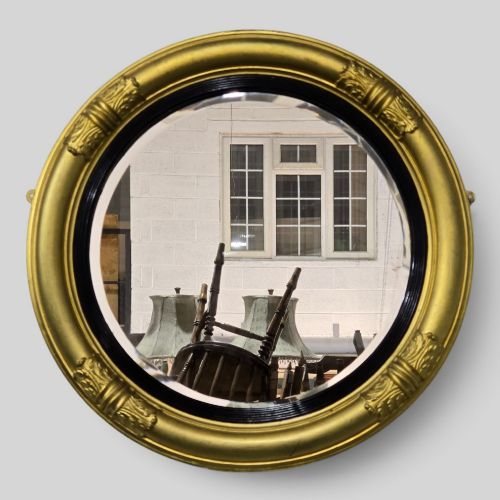
Makers constructed the frames using wood, gesso, and giltwood, often applying metallic leaf or paint finishes to achieve the traditional Regency and Victorian lustre. Ebonised wood and brass also appear in the period framing techniques.
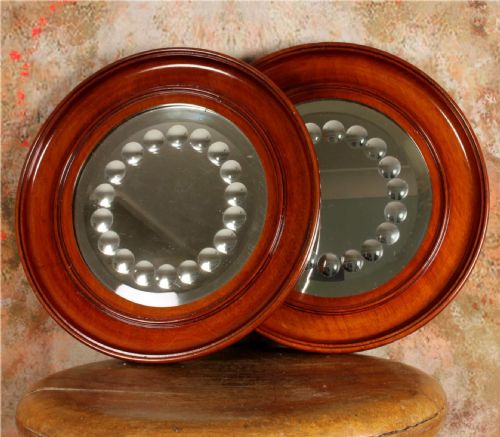
The glass itself takes the form of heavy convex plates or etched flat plates, sometimes showing natural foxing from age. Frames range from ornate carved mouldings to simple circular wooden structures holding the silvered glass securely.
Listings span the Regency era, Victorian period, and 1930s, utilising materials such as giltwood, ebonised wood, chrome, and silvered glass.
What varies in quality
Quality rests in the crispness of the frame carving, the depth and clarity of the silvered glass plate, and the integrity of the original gilt or paint finish. Heavier proportions and scale elevate pieces like large Regency convex frames.
The condition of the glass plate matters greatly, whether it exhibits pleasing age-related foxing or remains clear and bright. Finer examples retain their original components and period framing without excessive restoration.
The Circular Glass Wall Mirror Glossary
- Convex glass
- A curved glass plate that bends outwards, creating a wide-angle reflection of the interior space. It is characteristic of traditional butler's or witch mirrors.
- Giltwood
- Timber coated with a thin layer of gold leaf over a prepared ground of gesso. This finish defines many Regency and Victorian frames.
- Foxing
- Age-related spots and discoloration within the silvered backing of the glass. This chemical change is valued by collectors for authenticity.
- Ebonised wood
- Timber treated to resemble ebony, providing a dark and polished contrasting frame. It appears frequently on pieces from the nineteenth century.
- Gesso
- A plaster-like mixture applied to wooden frames as a base for gilding or painting. Skilled carvers model intricate details into this surface.
Circular Glass Wall Mirror: Frequently Asked Questions
What is a convex mirror?
A convex mirror uses a curved glass plate to reflect a wide panoramic view of a room. These round looking glasses were historically used by butlers to monitor staff or guests discreetly.
Today, they serve primarily as decorative focal points that add depth and ambient light to hallways and reception rooms.
How do I hang a heavy mirror safely?
Heavy circular frames require robust wall fixings secured directly into masonry or solid wall studs. Professional mirror hangers use rated brackets that match the weight of the timber and glass.
Check the integrity of the original hanging loops on the frame before installation to ensure the piece is fully supported.
What is mirror foxing?
Foxing refers to the dark spots and mottled patches that develop behind the glass over decades. Moisture and chemical reactions cause the silvering to degrade in a characteristic pattern.
Collectors prize genuine foxing because it proves the antiquity of the glass plate rather than being a modern replacement.
How do I date an antique mirror?
Dating relies on examining the construction methods of the frame, the type of wood, and the characteristics of the glass plate. Regency frames often feature distinct gesso balls and convex glass, while Art Deco pieces show geometric framing or etching.
Comparing the backing boards, fixings, and overall style against documented period examples helps confirm the age.