
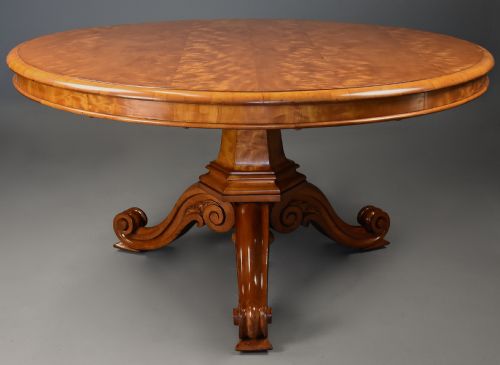
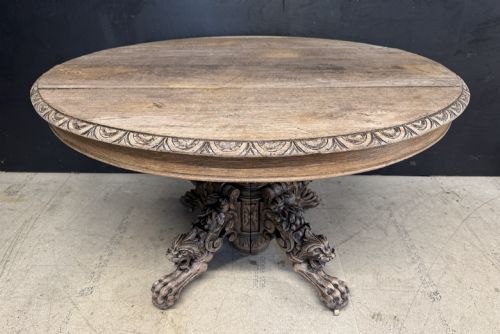
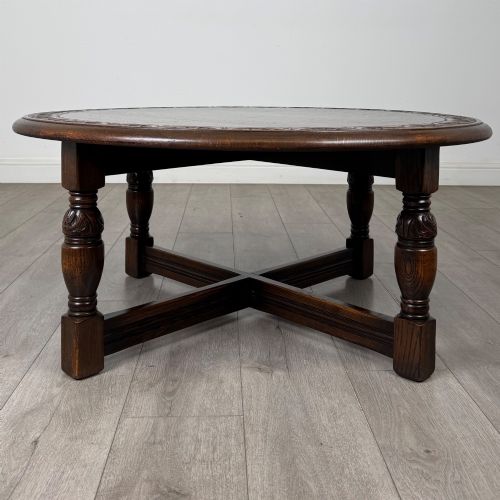
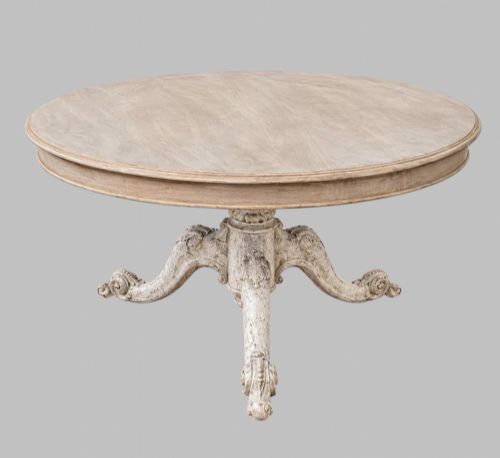


Circular Carved Wood Table
A circular carved wood table brings distinct presence to a room, offering rich timber surfaces and carved detail across Victorian, Regency, and Edwardian periods.
Circular Carved Wood Table
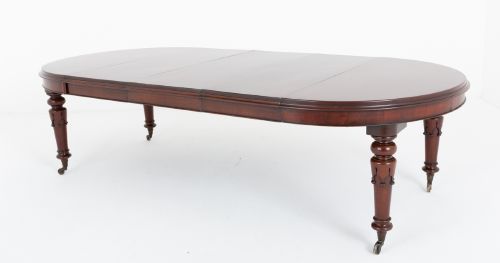
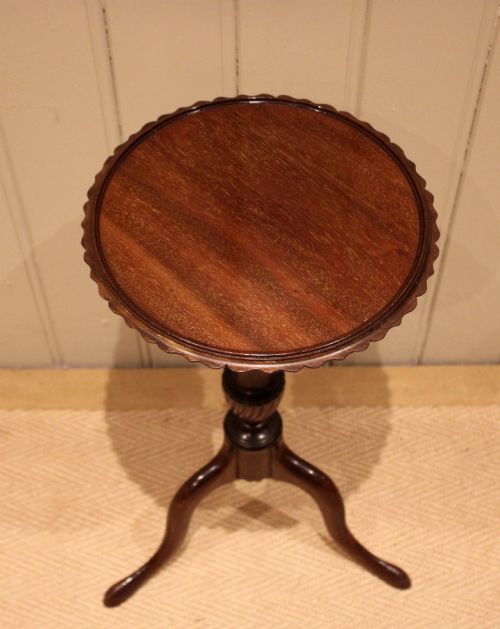
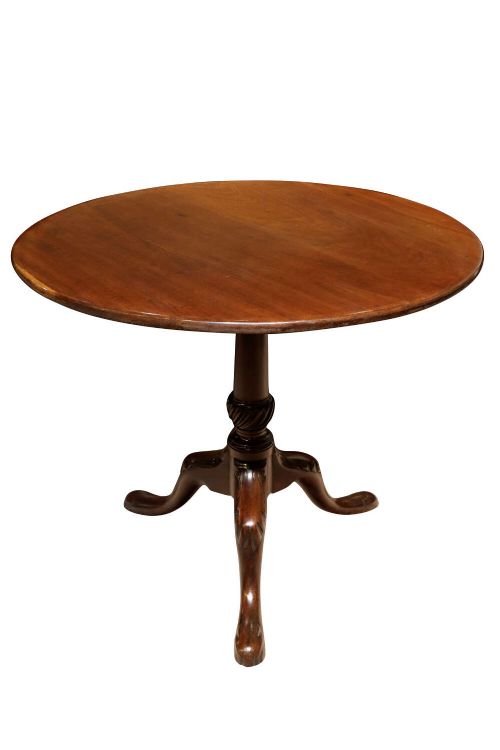
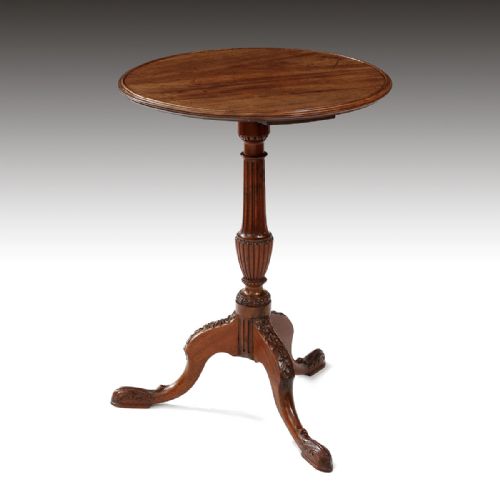
A circular carved wood table serves as a functional centrepiece or smaller accent piece, appearing in forms ranging from grand breakfast and dining tables to compact lamp and wine tables. Buyers searching this phrase encounter diverse proportions designed for specific domestic uses, from central hall display to bedside or parlour placement.
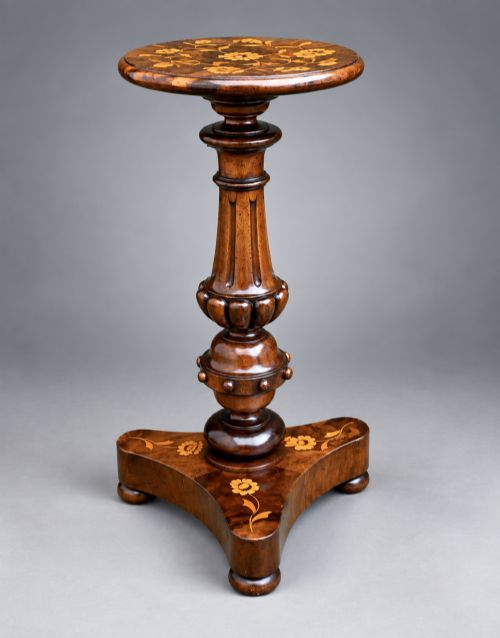
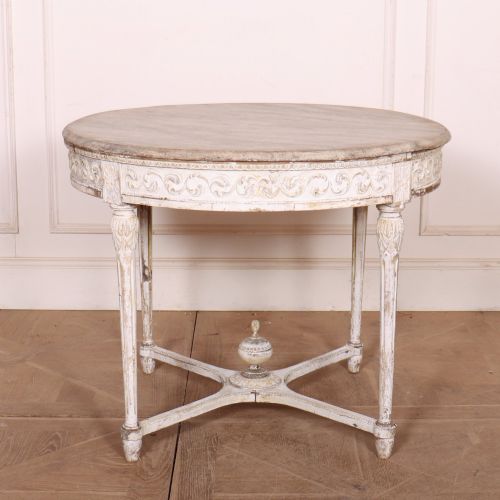
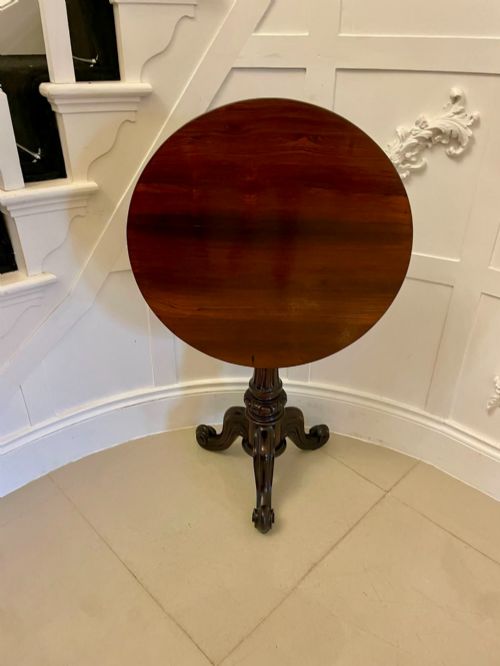
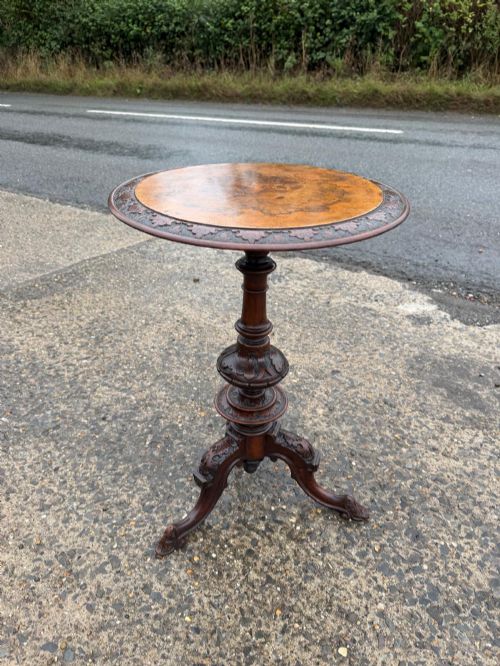
The selection on this page draws primarily from the nineteenth and early twentieth centuries, spanning Victorian, Edwardian, William IV, and Regency periods. Pieces include tilt-top breakfast formats, tripod lamp tables, and occasional tables featuring marquetry, bone inlay, or specimen marble tops.
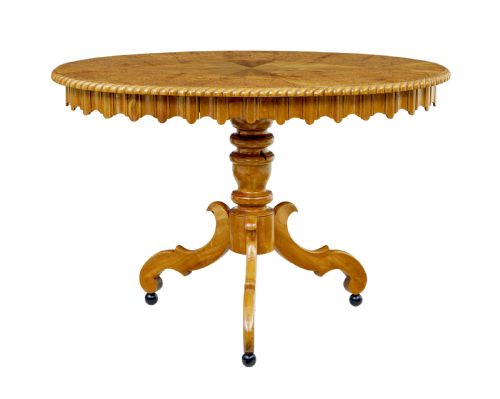
Geographic and stylistic influences vary widely, encompassing Anglo-Indian workshops, French Renaissance revival pieces, and Swedish birch or burr walnut designs. Buyers find both substantial dining formats and smaller occasional iterations suited to modern room layouts.
How they were made
Cabinetmakers utilised dense, richly figured hardwoods such as rosewood, mahogany, walnut, and burr walnut for structural stability and decorative grain patterns. Brass mounts, marble inserts, and bone inlay frequently supplement the timber construction.
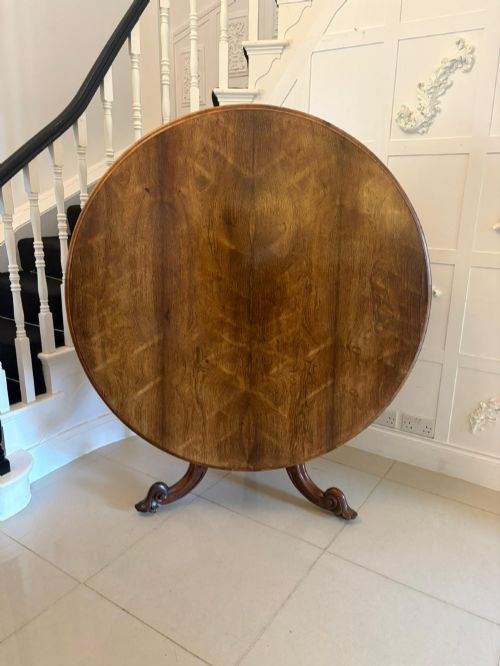
Joinery methods include tripod supports, triform bases, and tilting mechanisms that allowed tabletops to store flat against walls when not in use. Carving was executed by hand, creating intricate relief work on pedestals, legs, and aprons.
The listings span the Victorian, Edwardian, Regency, and William IV periods, featuring rosewood, mahogany, walnut, and marble.
What varies in quality
The grade of timber selection fundamentally separates standard items from finer examples, particularly in the choice of highly figured burr veneers and matched mahogany or rosewood grains. Superior pieces demonstrate exceptional depth of colour and careful timber preservation over centuries of use.
The refinement of hand-carved ornamentation defines the upper tier of craftsmanship, where crisp relief work on pedestals and tripod bases shows artistic precision. Structural complexity, such as functioning tilt-top mechanisms or concealed secret drawers, also indicates higher manufacturing ambition.
Gillow·Liberty & Co
The Circular Carved Wood Table Glossary
- Tilt-top
- A table mechanism featuring a hinged top that rotates to a vertical position for storage. This design allowed large breakfast and centre tables to stand flush against walls when not in daily use.
- Triform base
- A three-sided pedestal support commonly found on nineteenth-century centre and breakfast tables. It provides stability while offering space for sculptural carving.
- Marquetry
- The art of applying fitted pieces of veneer to a structure to form decorative patterns or pictures. Craftsmen utilised contrasting timbers to create elaborate floral or geometric motifs.
- Gueridon
- A small French occasional table or stand, often round and supported by a single central pillar. The form originated in the seventeenth century and remained popular through later revival periods.
- Specimen marble
- A tabletop composed of various coloured marbles arranged in geometric or mosaic patterns. These pieces often reflect grand tour tastes of the nineteenth century.
Circular Carved Wood Table: Frequently Asked Questions
What is a tilt-top table used for?
A tilt-top table served flexible functions in nineteenth-century homes, acting as a steady surface for breakfast or reading before folding flat against the wall.
This space-saving mechanism allowed large centre rooms to remain clear for entertaining or dancing when dining concluded.
How do I identify a Regency table?
Regency tables typically display classical restraint, clean architectural lines, and dark imported timbers like mahogany and rosewood. Brass inlay and heavy pedestal bases are common characteristics of this early nineteenth-century aesthetic.
Proportions remain balanced, often drawing inspiration from ancient Greek and Roman furniture forms.
Where should I place a lamp table?
A compact lamp table suits corners, beside seating arrangements, or in hallways where a small surface area is required. Their circular shapes soften linear room layouts and ease movement in tight spaces.
Pairing a antique carved timber piece with modern lighting creates a functional contrast in contemporary interiors.
What is burr walnut?
Burr walnut refers to the swirling, knotty grain harvested from growth deformations on walnut trees. Cabinetmakers prized this timber for its complex, mottled patterns on tabletops and decorative panels.
Because of its scarcity, burr walnut veneer was reserved for high-status Victorian and Edwardian occasional furniture.